

Best Time to Do Breathwork for Stress: A Practical Schedule

Choose the best time to do breathwork for stress based on your day
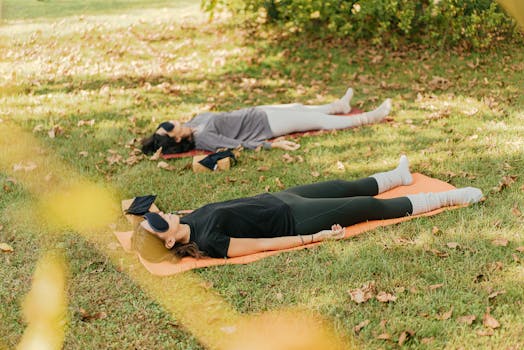
The goal is simple: use breathing practices at moments when your nervous system is most responsive, so you can reduce stress faster and more reliably. The “best time” is not one universal minute—it depends on when you’re most likely to feel tense, when your body is already activated, and how consistent you can be.
To make this practical, you’ll plan short breathwork sessions around predictable triggers (morning activation, midday pressure, or evening recovery). This approach helps you build a routine that fits real life instead of relying on willpower.
Prepare your space, timing, and safety checks
Before you start, set up conditions that make breathwork easy to repeat. You don’t need special equipment, but you do need comfort and a consistent environment.
Required preparation
- Choose a quiet spot: a chair or cushion where you can sit upright without strain.
- Set a timer: 5–10 minutes for most stress sessions; 15 minutes if you already feel comfortable.
- Wear breathable clothing: avoid tight waistbands or anything that restricts your chest or abdomen.
- Plan for a short “landing”: keep a minute after your session to notice how you feel.
- Hydrate: a few sips of water can help if you tend to feel dry when breathing slowly.
Safety checks
- If you’re pregnant, have uncontrolled hypertension, significant heart or lung conditions, or you’ve been advised to avoid breath-holding, choose gentler breathing styles and skip any practice that involves breath retention.
- If you feel dizziness, tingling, or discomfort, stop and return to normal breathing. For most people, shorter sessions and slower pacing resolve this.
- If you’re using breathwork for anxiety or panic symptoms, start with calming, non-strenuous patterns and keep the intensity low.
Optional tools that can help
- A simple audio cue (a timer app or calming track) to keep you on pace.
- A wearable or phone timer to track session length so you don’t accidentally overdo it.
- A journal note template to record what time you practiced and how your stress felt afterward.
Follow this step-by-step schedule to find your best time
Use the numbered steps below to choose a timing strategy and run your first week. The aim is to match breathwork to your stress pattern and then refine based on results.
1) Identify your stress “peaks” and “valleys”
For three days, note when stress rises (for example: first email, after lunch, commuting, or evening screens). Also note when you tend to feel calmer (for example: right after waking, after a shower, or before bedtime).
Look for two likely windows:
- A morning window when you can set your baseline for the day.
- A reset window when stress spikes and you need a quick nervous system shift.
2) Choose one practice style for each time window
Different times benefit from different breathing patterns. Keep your choices consistent for a week so you can evaluate what works.
- Morning (baseline): use slower, steady breathing that supports calm focus.
- Midday (reset): use a pattern that can quickly downshift arousal without making you feel overly “washed out.”
- Evening (recovery): use a gentle, longer exhale approach to promote relaxation.
If you’re unsure which pattern to use, choose a simple approach: slow nasal breathing with a slightly longer exhale than inhale, no breath holding.
3) Set your “best time” as a repeatable anchor
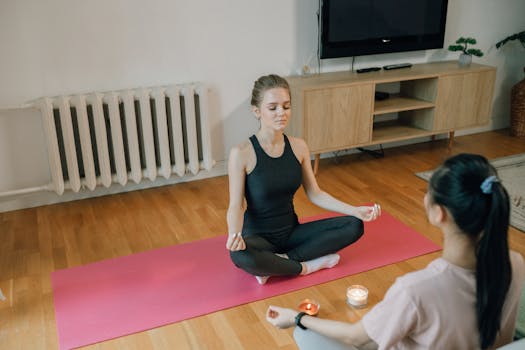
Pick one anchor time you can realistically protect:
- Morning anchor: 5–8 minutes after waking, before your first demanding task.
- Midday anchor: 3–6 minutes around the moment stress rises (for example, right after lunch or before a meeting).
- Evening anchor: 8–12 minutes within 60–90 minutes of bedtime.
The best time is the time you’ll actually do consistently. Consistency trains your body to respond faster.
4) Run a 7-day experiment with two sessions per day (if possible)
Use this structure:
- Day 1–3: morning session only (5–8 minutes).
- Day 4–7: add a brief reset session (3–6 minutes) at your most stressful time window.
After day 7, decide whether to keep two sessions or switch to a single daily session based on results and energy.
5) Execute each session with a consistent pacing method
Use the steps below for each breathwork session. Keep it simple and repeat the process.
- Sit comfortably with your spine tall but not rigid. Rest your hands on your thighs.
- Set your timer for 5–10 minutes.
- Start with normal breathing for 30–60 seconds to settle.
- Shift to a slow pattern: inhale gently through the nose, then exhale slowly. Aim for an exhale that is slightly longer than the inhale.
- Keep the effort low: you should feel like you could continue for several minutes without straining.
- Check your comfort: if you feel lightheaded, reduce the pace and return to normal breathing for a few breaths.
- Finish with a landing: after the timer, breathe normally for 30–60 seconds and notice changes in tension, breathing rate, or mental noise.
- Record one line: “Before: ____ / After: ____ / Best moment: ____.”
6) Adjust timing based on what you observe
After a week, choose the “best time” that produced the most noticeable benefits. Use these observation cues:
- If you feel calmer and more focused after morning sessions, morning is likely your best baseline time.
- If you feel your stress spikes reduce after a midday reset, that window is likely your best intervention time.
- If evening sessions help you fall asleep faster or feel less mentally “busy,” evening is your best recovery time.
Optimization rule: keep your session length the same for a few days before changing timing. This prevents confusion about what caused the improvement.
Common mistakes that reduce results
Breathwork is powerful, but errors can make it feel ineffective or uncomfortable. Watch for these common issues.
- Practicing only when stress is already overwhelming: if you wait until you’re at peak agitation, the nervous system may be harder to downshift. Aim to intervene earlier when possible.
- Breathing too fast or too deep: intensity can increase hyperventilation-like sensations. Slow and gentle usually work better for stress.
- Skipping the landing period: jumping immediately into work or screens can blur the benefit. Take 60 seconds to notice how you feel.
- Changing multiple variables at once: if you change time, pattern, and duration in the same day, you won’t know what helped.
- Going too long too soon: longer is not always better for stress. Start with 5–10 minutes and build gradually.
- Holding your breath unintentionally: if your practice becomes breath-retention without planning, it may cause dizziness. Keep breathing continuous unless you’re trained and it’s appropriate for you.
Additional practical tips to optimize your stress breathwork timing
Use these refinements to make your “best time” truly functional in daily life.
Anchor your session to a routine cue
Pair breathwork with something you already do consistently. Examples: after brushing your teeth, after turning off your desk lights, or before you open your first work document. This reduces friction and improves adherence.
Match session length to your stress window
When you’re busy, keep it short and reliable. A 3–5 minute reset before a meeting can be more effective than a longer session you skip.
Use a simple breathing ratio and keep it stable
Without forcing exact counts, follow a consistent rhythm: inhale gently, then exhale slowly. If you want structure, use a gentle cadence such as 4 seconds in and 6 seconds out. Stop if you feel strain.
Consider your body’s timing signals
Many people feel calmer when breathing slowly soon after waking and later when the day winds down. If your energy is naturally higher in the late morning, that may become your best time for a reset. Let your notes guide you.
Plan around meals and caffeine
Breathwork is often easiest when you’re not overly full. If you notice discomfort after eating, schedule your midday reset before lunch or at least 60 minutes after. If caffeine makes you jittery, place your practice before caffeine or choose a gentler pace.
Support consistency with a lightweight tracking habit
Use your phone notes to log three items: time practiced, session length, and perceived stress before/after (simple 1–10 scale). This helps you identify your personal best time for breathwork for stress without guessing.
Use breathwork as a bridge back to action
After a session, return to what you were doing with a slightly slower pace—take one minute to respond intentionally rather than react. That “bridge” helps your nervous system carry the calm into real tasks.
Refine your routine into a sustainable pattern

Once you’ve found your best time window, keep it stable for at least two weeks. Your body learns the sequence: you arrive, you breathe, and your stress response changes. If you want to add variety, do it gradually—alter only one element at a time (such as extending the evening session by 2 minutes).
With a consistent anchor time and gentle pacing, breathwork becomes a practical tool for stress management rather than an occasional experiment.
26.11.2025. 13:50