

Blue Light at Night Melatonin Suppression Rules

Why “blue light at night” myths persist
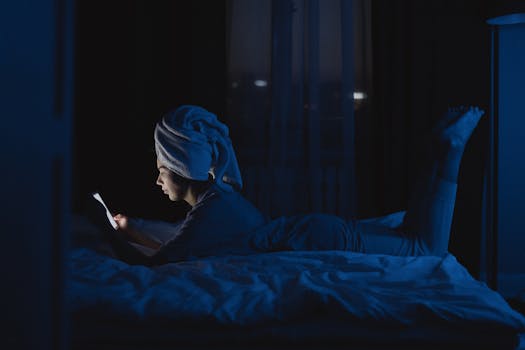
Blue light at night is often blamed for poor sleep with sweeping claims: “blue light always suppresses melatonin,” “screens are the worst,” or “you must avoid all blue light after sunset.” The reality is more nuanced. Melatonin suppression depends on several factors—timing, light intensity, spectral composition, duration of exposure, and how much light reaches your eyes. Understanding the actual blue light at night melatonin suppression rules helps you make smarter, more practical adjustments without turning bedtime into a complicated science project.
In this myth-busting guide, you’ll learn what the evidence supports, what’s exaggerated, and how to apply the rules in everyday life.
First, what melatonin suppression really means
Melatonin is a hormone produced by the brain’s pineal gland that helps signal biological night. Its release is strongly tied to circadian timing—light is the main environmental cue that shifts or suppresses it. When the retina detects enough short-wavelength (blue) light, it can reduce melatonin secretion, effectively telling your body that it’s still daytime.
Two key points matter:
- Suppression is not the same as “killing melatonin.” Light can reduce melatonin levels for a period, but your body can recover once the light exposure ends.
- Timing matters more than perfection. The goal isn’t to eliminate light entirely; it’s to avoid unnecessary circadian disruption during the sensitive evening window.
Melatonin suppression rules: the factors that determine the effect
The most useful way to think about suppression is as a “dose-response” situation. If light is strong enough, short enough in wavelength, and delivered to the eyes at the right time, melatonin suppression becomes more likely.
1) Timing: the evening window is the critical period
Light exposure in the evening—especially within the hours before your usual bedtime—has a greater impact on melatonin than the same exposure earlier in the day. Many people notice that late-night scrolling, bright overhead lighting, or working under strong lamps makes it harder to fall asleep. This is consistent with the idea that the circadian system is more “tunable” during the pre-sleep period.
Practical rule: treat the last 1–3 hours before sleep as your highest-risk window for circadian disruption.
2) Intensity: brighter light suppresses more
Even if the light is rich in blue wavelengths, the effect depends heavily on brightness. A dim phone screen viewed briefly in a dark room may be less impactful than a bright tablet held close to the eyes for a long time, or a brightly lit room with strong overhead LEDs.
Practical rule: lower overall brightness, and avoid sitting in a dark room while using a very bright display—both can increase discomfort and encourage longer exposure.
3) Duration: longer exposure increases the likelihood
Melatonin suppression is associated with exposure duration. Short glances are generally less problematic than extended sessions, especially when the light is near the eyes and bright.
Practical rule: reduce late-night screen time, and if you can’t, shorten sessions and take breaks.
4) Distance and angle: light reaching the retina matters
Light that reaches the eyes more directly—such as a screen held close—has a stronger effect than the same screen viewed farther away. Head position, brightness settings, and whether you’re looking toward the screen (rather than off to the side) can change exposure.
Practical rule: keep screens farther from your face and reduce direct gaze toward the brightest part of the display.
5) Spectrum: “blue” is part of the story, not the whole story
Blue light is often emphasized because short-wavelength light is particularly effective at influencing circadian signaling. However, other wavelengths and overall brightness also contribute. A warm lamp can still affect sleep if it’s bright enough; a dim cooler light may have less impact than expected.
Practical rule: focus on both “cooler/blue-rich” and “brighter” aspects of light—not just color temperature.
Myth: “Blue light from screens is always the main cause of insomnia”
Blue light can contribute, but it’s not the only factor. Cognitive stimulation, stress, emotional content, and the time displacement caused by late-night device use can all affect sleep. In other words, the screen may be a two-part problem: the light affects circadian signaling, while the content and arousal affect sleep onset and maintenance.
What to do: if you’re trying to improve sleep, address both components. Reduce late-night stimulating content, and create a consistent wind-down routine. Light management helps, but it works best alongside behavior changes.
Myth: “Blue light blockers or night mode fully solve melatonin suppression”
Many people use device “night mode” settings or blue light filtering apps. These can reduce short-wavelength emission, but they are not a universal solution. The effectiveness depends on how much the filter reduces blue wavelengths, whether the room lighting remains bright, and how long you keep the device in use.
Additionally, filters don’t change the fact that you may still be exposed to bright light overall. For example, decreasing blue content while keeping brightness high may still deliver enough light to suppress melatonin.
Practical rule: use night mode or screen filters as a partial measure, then also lower brightness and shorten exposure.
Myth: “All blue light is equally harmful at night”
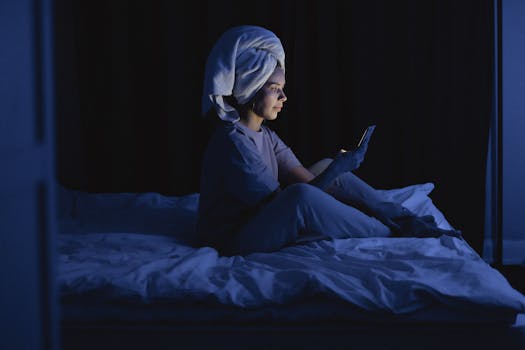
Not all blue light exposure is the same. The effect varies by:
- Wavelength concentration (how blue-rich the light is)
- Brightness (how much light reaches the eye)
- Duration (how long you’re exposed)
- Time relative to your bedtime (how close to sleep you use it)
- Your environment (dark room vs. dim room with other lamps)
For instance, a small, dim device used briefly may be less impactful than bright overhead lighting, even if that lighting isn’t “blue.” Likewise, a warm lamp can still be disruptive if it’s bright enough and used close to the eyes.
Myth: “You must eliminate light completely after sunset”
Complete darkness is not always necessary. The circadian system is sensitive, but it’s not fragile in the way many myths imply. Most people can protect melatonin timing by reducing bright, blue-rich light in the evening and avoiding sustained exposure close to bedtime.
Practical rule: aim for “circadian-friendly lighting,” not absolute darkness—dim, warm, and indirect is usually better than bright and direct.
What the evidence suggests you can control tonight
If you want practical, evidence-aligned actions, focus on the parts of the suppression rules that you can actually change. Here are the most actionable levers.
Lower brightness and avoid direct glare
Start with brightness. Many people keep screens at unnecessarily high levels at night. Use the lowest comfortable setting, and reduce glare by dimming room lights and avoiding reflections.
Helpful habit: if you can read comfortably without squinting, your brightness is probably closer to what your eyes need.
Use warmer color settings, but don’t stop there
Warm settings (often called night mode, reading mode, or eye comfort modes) reduce short-wavelength output. This aligns with the idea that blue-rich light is more effective at suppressing melatonin. However, if your room is brightly lit, or you keep the screen very bright and close for a long time, suppression can still occur.
Practical rule: warm + dim + shorter exposure beats warm alone.
Change the environment: dim lamps beat bright overhead light
Overhead lighting is frequently brighter and more direct than people realize. If you need light in the evening, choose lower-intensity, warm lamps and keep lighting indirect. This reduces the overall light dose reaching your eyes.
Helpful detail: aim to light the room enough to move safely, not enough to “simulate daytime.”
Move screens farther away and reduce late-night sessions
Distance can reduce retinal exposure. If possible, sit farther from the screen and avoid using devices while lying down in a dark room with the display facing you. Taking breaks helps, too—periodic pauses reduce cumulative exposure.
Practical rule: keep the device out of bed and reduce “one more video” behavior during the last hour.
Consider glasses only as part of a broader plan
Blue light filtering glasses can reduce short-wavelength exposure. Some people find them helpful, especially for late work or commuting in the evening. But like night mode, they are not a magic shield. If the room is bright and you still spend hours staring at a close display, glasses alone may not fully prevent circadian disruption.
Practical rule: treat filtering glasses as an additional tool when you can’t reduce screen exposure, not as a substitute for dimming and timing changes.
How to apply the suppression rules to real routines
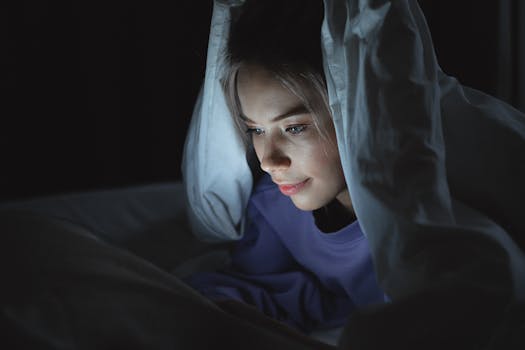
Because sleep schedules vary, it helps to translate the rules into everyday decisions.
If you read on a phone or tablet
- Use warm/night mode and lower brightness
- Increase font size to reduce squinting (which often leads to higher brightness)
- Stop at a set cutoff time rather than “whenever you finish”
- Prefer reading with a dim, warm lamp rather than in a fully dark room
If you work late at a computer
- Lower screen brightness and consider warm settings
- Use task lighting rather than bright overhead lighting
- Take short breaks and avoid stacking long sessions right before bed
- When possible, schedule the most stimulating tasks earlier in the evening
If you’re exposed to outdoor light at night
Streetlights, car headlights, and bright exterior illumination can also affect circadian timing. The same rules apply: intensity and timing matter, and what reaches your eyes matters.
- Use curtains or shades to reduce direct light
- Reduce interior brightness near bedtime
- Consider indirect lighting for evening routines
Prevention guidance: build a circadian-friendly night
Rather than chasing a single “blue light fix,” aim for a consistent pattern that supports melatonin timing. The most reliable prevention approach is simple: protect the sensitive evening window with dim, warm lighting and reduce sustained bright, blue-rich exposure close to bedtime.
Core prevention rules:
- Start earlier than you think: begin dimming and warming your environment 1–3 hours before sleep.
- Dim overall light: brightness is a major driver of suppression.
- Shorten exposure: reduce late-night screen time and keep devices out of bed.
- Keep it indirect: use lamps and avoid direct glare.
- Use filters as support: night mode or blue light glasses can help, but they work best with timing and brightness changes.
When these rules are followed consistently, many people find they fall asleep more easily and wake up more refreshed—without needing to eliminate all light or obsess over every wavelength.
Summary: the real blue light at night melatonin suppression rules
The most important takeaway is that melatonin suppression isn’t governed by a single rule like “avoid blue light.” Instead, it follows a set of practical principles:
- Evening timing is the most sensitive period.
- Brightness and duration largely determine how strong the effect is.
- How much light reaches your eyes (distance, direct gaze, glare) changes the impact.
- Spectrum matters, but overall light dose matters too.
- Filters and night mode help, but they’re not a complete solution without dimming and reducing late exposure.
Use these rules to design a night routine that supports your circadian rhythm. That’s the most evidence-aligned way to protect melatonin and improve sleep.
15.01.2026. 06:58