

Heat Therapy Troubleshooting: Cold Therapy Didn’t Work

When cold therapy didn’t work and heat therapy feels ineffective
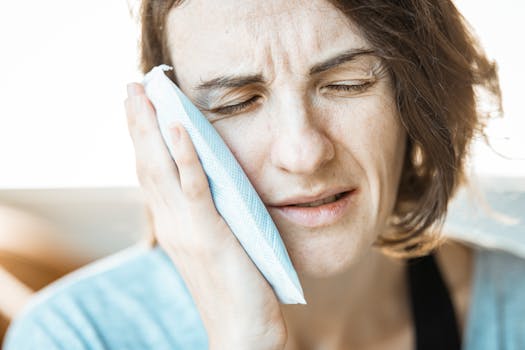
Cold therapy is often the first choice for fresh injuries and flare-ups, but what happens when it doesn’t relieve pain, stiffness, or swelling? Many people then switch to heat expecting faster improvement—and sometimes it still doesn’t help. In other cases, heat may feel like it makes symptoms worse, or it may provide only short-lived relief.
This guide focuses on diagnosing why heat therapy troubleshooting becomes necessary after cold therapy didn’t work. You’ll learn the most likely causes, how to test and adjust your approach safely, and what steps to take from the simplest fixes to more advanced checks. The goal is to help you respond appropriately to your body’s signals rather than repeatedly switching between temperatures without a plan.
Common symptoms after switching from cold to heat
The pattern of symptoms can point to the cause. Pay attention to what you feel during and after heat therapy:
- No change in pain: Heat doesn’t reduce discomfort, and stiffness remains the same.
- Temporary relief only: Pain improves for a short window, then returns quickly.
- Heat increases symptoms: Pain, throbbing, or swelling seems to intensify with warmth.
- Stiffness improves but function doesn’t: Range of motion may feel slightly better, but movement still hurts in specific ways.
- Symptoms worsen later: You feel worse later the same day or the next morning.
- Redness, warmth, or spreading swelling: The affected area looks more inflamed rather than settling.
These signs don’t automatically mean something is wrong beyond home care, but they help you determine whether heat is appropriate and whether you need to adjust duration, timing, or the underlying treatment strategy.
Most likely causes when heat therapy isn’t working

When cold therapy didn’t work, the next step isn’t simply “more heat” or “longer heat.” Ineffective results usually come from one of several common causes.
Heat is being used for the wrong stage of an injury
Cold is typically helpful early after acute injuries—especially when swelling and active inflammation are present. If the injury is still in an inflammatory phase, heat can sometimes worsen symptoms by increasing blood flow and tissue temperature. This doesn’t mean heat is always wrong, but it means timing matters.
The pain source isn’t primarily tightness or muscle spasm
Heat is most effective for muscle tightness, stiffness, and chronic discomfort where improved circulation and tissue relaxation help. If your pain comes from a tendon issue, joint irritation, nerve involvement, or something mechanical (like catching, instability, or sharp movement-related pain), heat may not address the core problem.
Temperature and exposure time are off
Heat that’s too mild may not create meaningful tissue relaxation. Heat that’s too intense or applied too long can irritate tissues and trigger more pain. Many people also place heat directly on sensitive skin or use heating pads that cycle unevenly, leading to inconsistent dosing.
The injury is still actively inflamed
If swelling, warmth, and tenderness are increasing, heat may amplify the inflammatory response. In these cases, cold or a different approach may be more appropriate, or you may need medical evaluation.
Underlying circulation or nerve sensitivity issues
Some people feel little benefit from heat because the pain is driven by nerve sensitivity rather than muscle tightness. Others may have reduced sensation due to neuropathy or past injury, increasing the risk of burns from heating pads or wraps.
Technique problems with heat application
Common technique errors include:
- Applying heat directly over an area with suspected swelling that hasn’t settled.
- Using heat continuously rather than in controlled sessions.
- Not supporting the body part, so the tissue remains stressed during heating.
- Skipping gentle movement after heat, when movement is needed to translate stiffness relief into functional gains.
Heat therapy troubleshooting: step-by-step process
Use this structured approach to determine whether heat is likely to help and how to fix the “didn’t work” problem safely.
Step 1: Confirm you’re not dealing with active inflammation
Before applying heat, do a quick check:
- Is the area visibly more swollen than before?
- Is it noticeably warmer than surrounding skin?
- Is the pain throbbing or escalating rapidly?
- Does the skin look red or feel hot to the touch?
If yes, treat heat as a potential aggravator. In that situation, pause heat and consider cold therapy (short sessions) or professional guidance, especially if symptoms are worsening.
Step 2: Choose safe heat intensity and session length
Start conservatively. A heating pad, microwaveable heat pack, or heat wrap should feel comfortably warm, not hot. Use controlled sessions:
- Begin with 10–15 minutes per session.
- Use 1–3 sessions per day depending on response.
- Stop immediately if pain increases during the session.
- Allow skin to cool fully between sessions.
If you’re using an electric heating pad, ensure it has a low-to-medium setting and an auto-off feature. If you’re using a heat wrap, confirm it’s designed for therapeutic use and not overheated beyond its intended range.
Step 3: Use proper barrier protection
Heat should not contact bare skin directly. Use a thin layer of fabric between the heat source and skin—especially with electric pads, hot water bottles, or microwave packs. This reduces burn risk and helps you maintain consistent temperature.
Step 4: Check your placement and coverage area
Heat works best when it targets the tight or painful tissue region. Placement errors can make heat feel ineffective:
- Place the heat over the muscle belly or the area of tightness rather than only over a joint line.
- If pain is localized to a tendon, apply heat to the nearby soft tissue region rather than concentrating intense heat on a bony prominence.
- For back or neck discomfort, avoid excessive pressure that increases nerve irritation.
Step 5: Pair heat with gentle motion
Heat often reduces stiffness, but stiffness relief needs a translation step. After your session:
- Perform gentle range-of-motion movements in a pain-limited way.
- Avoid aggressive stretching right away. If stretching increases pain, reduce intensity and range.
- Use slow, controlled movements to test whether heat changed how the tissue responds.
If heat makes movement easier but doesn’t reduce pain during activity, the issue may be mechanical or joint-related rather than purely muscular.
Step 6: Track response patterns over 24–72 hours
Document what happens after each session:
- Does pain decrease during the session?
- Does pain decrease after the session?
- Does pain increase later the same day or the next morning?
A helpful sign is consistent improvement after heat, not just an immediate “warmth effect.” If you see a clear worsening trend, stop heat and reassess the cause.
Solutions from simplest fixes to more advanced checks
Work through these options in order. Many “heat didn’t work” situations resolve with method adjustments before you need to consider replacement or professional input.
Simple fix 1: Reduce intensity and shorten exposure
If heat increases pain or causes a hot, irritated feeling, it may be too strong or too long. Lower the setting and shorten the session to 8–12 minutes. Reassess after 1–2 sessions.
For microwaveable heat packs, overheating can occur if you exceed recommended heating time. Follow the package instructions exactly and allow the pack to cool slightly before use.
Simple fix 2: Switch from continuous heat to controlled intervals
Instead of prolonged heating, use brief intervals. For example, try two shorter sessions separated by a cool-down period. This can reduce irritation while still targeting stiffness.
Some people respond better when heat is applied before gentle movement and then removed to avoid overstimulation.
Simple fix 3: Confirm your heat source is functioning correctly
Inconsistent output can make heat therapy feel ineffective. Troubleshoot the device:
- Electric heating pads: check settings, ensure the pad warms evenly, and verify the auto-off function.
- Microwaveable packs: confirm the pack heats evenly and doesn’t cool too quickly.
- Heat wraps: check battery/charging, heating element status, and whether the wrap reaches the intended temperature.
If one side of a pad is warm while the other side is cool, your placement may be correct but the device delivery isn’t.
Simple fix 4: Use correct skin protection and avoid high-risk areas
Heat should not be used over areas with reduced sensation, open wounds, or areas where you suspect impaired circulation. If you have diabetes, neuropathy, or prior skin injury, be extra cautious with heating pads and wraps. In these cases, shorter sessions and barrier layers are essential.
More advanced fix 1: Re-evaluate whether cold is still appropriate
If cold therapy didn’t work at all, it may still be that the condition is not primarily muscle tightness. However, if the area remains swollen or warm, heat may not be the right next step. Consider using cold in short sessions (for example, 5–10 minutes) and reassess whether swelling and tenderness respond.
In some cases, alternating heat and cold in a controlled way can help symptoms, but only if you’re confident inflammation is not escalating. If you’re unsure, prioritize safety and professional guidance.
More advanced fix 2: Adjust the treatment timing relative to activity
Heat can be useful before movement when stiffness is the limiting factor. Try timing heat:
- Apply heat 15–30 minutes before gentle activity if stiffness is the main issue.
- If pain is worse during activity and heat doesn’t change that, heat may not be targeting the right mechanism.
- For post-activity soreness, heat may help later in the day after swelling has settled.
If heat only helps when you’re resting but doesn’t change pain during movement, the underlying problem may require targeted rehab rather than temperature changes.
More advanced fix 3: Modify the heat “dose” with different formats
Different heat formats deliver different patterns of warmth:
- Heating pad: good for broad areas, but can apply pressure or uneven heat depending on the pad design.
- Heat wrap: often conforms well and can maintain more consistent contact.
- Moist heat: can feel more penetrating for some people, but still requires safe temperature control.
If your current method doesn’t provide consistent relief, trial a different format while keeping dose and safety consistent. The goal is to improve delivery, not just change temperature.
More advanced fix 4: Identify triggers that heat can’t solve
Heat is best for muscular stiffness and certain chronic aches. If you have mechanical triggers, heat may seem ineffective:
- Sharp pain with a specific movement arc
- Instability sensations (feels like it could “give way”)
- Pain that radiates down an arm or leg with numbness or tingling
- Pain that is highly localized to one joint line or bony area
When these patterns exist, temperature therapy may reduce discomfort but won’t address the cause. In those cases, use heat only as a comfort tool and shift attention to appropriate mobility or medical evaluation.
When to consider replacement or professional help
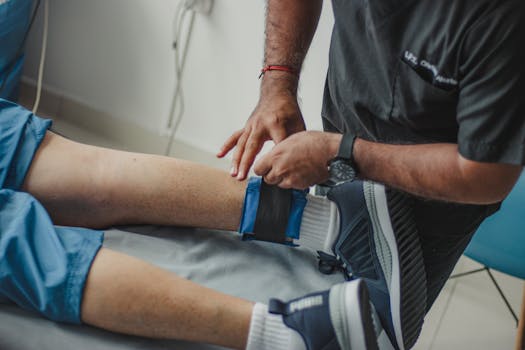
Heat therapy troubleshooting is useful, but it has limits. Replace or seek professional evaluation when either the equipment or the condition is beyond safe self-management.
Replace the heat device when safety or delivery is unreliable
Consider replacement (or repair if appropriate) if:
- An electric heating pad has hot spots, frayed cords, or fails to heat evenly.
- A microwaveable pack smells scorched, leaks, or becomes unusually hot in one area.
- A heat wrap no longer reaches a therapeutic temperature or stops heating after brief use.
- The device lacks reliable temperature control or an auto-off safety feature.
Using a device that delivers inconsistent heat can lead to under-treatment or skin irritation without improving symptoms.
Seek professional help if symptoms suggest something more than stiffness
Get medical advice promptly if you notice any of the following:
- Progressive worsening despite correct heat dosing and safe technique
- Significant swelling, redness, or warmth that increases over time
- Fever or feeling unwell along with localized pain
- Numbness, tingling, or weakness suggesting nerve involvement
- Severe pain after an injury, inability to bear weight, or major loss of function
- Pain that persists beyond expected healing time (for example, not improving over several weeks depending on the condition)
Also consider professional evaluation if heat helps temporarily but the problem returns quickly every time you resume normal activity. That pattern often indicates the need for targeted assessment and rehab rather than ongoing temperature adjustments.
Use caution with “more heat” when you’re uncertain
A common troubleshooting mistake is turning up the heat after cold didn’t work. If your symptoms worsen with warmth, treat that as an important diagnostic clue. Stop heat and reassess. In the absence of clear improvement, repeated trial-and-error can delay appropriate care.
Putting it all together: a practical decision path
If cold therapy didn’t work, heat therapy troubleshooting should follow a logic chain rather than guesswork:
- Check for active inflammation (warmth, swelling, redness, throbbing).
- If inflammation looks active, avoid heat and consider safer alternatives or professional advice.
- If inflammation doesn’t look active, start with low-to-medium heat for 10–15 minutes with skin protection.
- Use correct placement and pair heat with gentle movement after the session.
- Track outcomes over 24–72 hours to confirm whether heat is helping or aggravating.
- If heat consistently fails or worsens symptoms, shift attention to the underlying cause and consider professional evaluation.
When done this way, heat therapy becomes a targeted tool rather than a repeated experiment. That’s the fastest route to relief—because the right temperature matters, but so does timing, technique, and matching the treatment to the true source of pain.
10.01.2026. 07:26