

How to Build a Light Therapy Routine: Step-by-Step Guide

Clarify your goal and what light therapy is meant to do
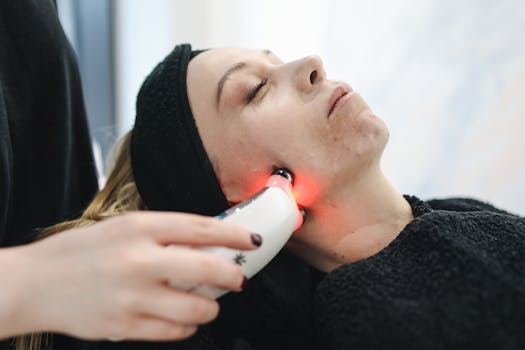
Building a light therapy routine starts with a clear outcome. Light therapy is typically used to support circadian rhythm alignment (especially for morning alertness), reduce symptoms associated with seasonal patterns, and help regulate sleep timing. Your routine will look different depending on whether your priority is waking more easily, shifting your sleep schedule earlier, or improving daytime alertness.
Before you schedule sessions, write down the issue you’re targeting and your current pattern. For example: “I feel sleepy in the morning and go to bed late,” or “My sleep timing drifts later during darker months.” This becomes the baseline you adjust against after you begin.
If you have a medical condition (including bipolar disorder), are taking photosensitizing medications, or have a history of eye disease, confirm that light therapy is appropriate with a clinician. Safety matters because high-intensity light can affect some conditions and medication side effects.
Prepare your setup: choose a device, environment, and timing anchor
The next step is setting up a reliable environment so you can repeat the same routine every day. Consistency is one of the biggest drivers of results because your body responds to regular light exposure cues.
Gather these essentials:
- A light therapy device designed for therapeutic use (common options include a light box or a visor-style device). Look for specifications such as lux output and intended distance.
- Eye protection setup if the manufacturer recommends it. Many devices use built-in UV filtering and do not require special eyewear, but you should follow the guidance that comes with your model.
- A stable location where you can sit or stand at the correct distance without distractions.
- A timing method such as a phone timer, smart plug, or a dedicated alarm that starts the session at the same time daily.
- Optional: a simple activity during sessions (reading, paperwork, stretching). The goal is to keep you engaged without staring directly into the light.
Pick a “timing anchor” based on your goal. If your aim is morning alertness or earlier circadian signaling, your anchor is usually a morning window. If you’re adjusting a delayed schedule, you may still start in the morning but with a planned progression in timing. Your device’s manual will often specify recommended session timing and distance—follow those values when starting out.
Step-by-step: build your light therapy routine

- Start with the manufacturer’s recommended session length and distance. Place the device at the distance specified by the manual (often measured from the screen to your eyes or face). Begin with the default time the device is designed for rather than guessing.
- Choose a consistent start time. Select a start time you can repeat daily. If you’re improving morning symptoms, choose a time shortly after you wake. If you’re addressing seasonal or circadian drift, keep the start time consistent even on weekends as much as your schedule allows.
- Set up a repeatable pre-session routine. For example: wake up, drink water, start the timer, sit in the same spot, and begin the session. Keeping the steps identical helps reduce missed days and helps you stick to the plan.
- Use the correct viewing behavior. Most routines are designed for indirect viewing. Sit so the light reaches your eyes while you look slightly downward or forward, not directly into the brightest part. If your device includes a diffuser or specific placement guidance, use it.
- Run the session fully before changing anything. Don’t shorten sessions in the first week because you “feel okay.” Give your body time to respond. If your manual recommends gradual adjustments, follow that sequence rather than changing multiple variables at once.
- Track two simple outcomes for at least 1–2 weeks. Record: (1) how alert you feel during the first half of the day and (2) your sleep onset time or sleep quality rating. Use brief notes, not complicated data. Patterns across days matter more than single-day changes.
- Adjust timing first if results are off. If you’re not noticing improvements, consider shifting the session time rather than immediately increasing intensity or duration. For morning-focused goals, moving earlier can strengthen circadian impact, while starting too late can blur the signal.
- Adjust duration only after you’ve checked timing. If you’re tolerating the sessions but not seeing the expected effect, increase within the range recommended by the device instructions or clinician guidance. Avoid large jumps. Small changes help you identify what actually works for you.
- Maintain a stable schedule during the adjustment period. Keep your session days consistent. If you miss a day, resume the next day rather than “making up” hours immediately unless your clinician advises it.
- Create a maintenance plan once you see improvement. After your target improvements stabilize, you can often reduce frequency or keep a shorter maintenance routine depending on your needs. Use your tracking notes to decide what minimum schedule keeps you feeling consistent.
How to tailor the routine for common goals
Light therapy routines are most effective when they match the timing of what you’re trying to change. Use the steps above as your base, then apply these practical adjustments.
- For morning alertness: place sessions soon after waking and keep the start time steady. If you feel wired or overstimulated, try moving the session slightly earlier or reducing duration within safe manufacturer limits.
- For sleep timing shifts (delayed schedule): keep sessions in the morning and adjust start time gradually. If your sleep onset is drifting later, starting the session earlier than your current anchor often helps, but do it in small increments.
- For seasonal symptom support: many people use light therapy during darker months. Use a consistent daily schedule and track symptom changes weekly so you can decide whether to continue, reduce, or pause.
Common mistakes that disrupt results
Even with the right device, routine errors can reduce effectiveness or cause discomfort. Watch for these frequent issues:
- Inconsistent timing. Skipping weekends or starting sessions at wildly different times can weaken the circadian signal.
- Incorrect distance from the device. Moving farther away reduces delivered light intensity. Always follow the manual’s distance guidance.
- Changing multiple variables at once. If you adjust time, duration, and placement in the same week, you won’t know what caused the change.
- Shortening sessions too early. Many people expect immediate effects and stop before a meaningful adjustment window. Give your plan at least 1–2 weeks before major changes.
- Staring directly into the light source. Some people do this to “get more benefit,” but it can cause glare discomfort. Use the placement and viewing instructions from your device.
- Using light therapy at the wrong time of day. For circadian goals, late-day sessions can shift your rhythm in the opposite direction and potentially affect sleep onset.
- Ignoring side effects. Headache, eye strain, agitation, or nausea can occur. If symptoms persist, reduce exposure within recommended limits and consult a clinician if needed.
Troubleshoot and optimize your routine for comfort and consistency

Once you’ve started, you’ll likely refine your approach. The goal is not to “push harder,” but to make the routine sustainable and effective.
Improve consistency with a simple daily workflow
Choose a fixed time and a fixed location. Many people succeed by attaching the session to an existing habit: after brushing teeth, after making coffee, or right after opening the curtains. If your device plugs into power, consider using a timer so the session can’t be forgotten.
Manage discomfort with placement and session pacing
If you experience eye strain or headache, check these first:
- Are you at the correct distance?
- Is the device positioned to avoid direct glare?
- Are you using it in a dim room when you expected daylight-like conditions? Some people feel better when the room isn’t completely dark.
- Are you increasing time too quickly?
For sensitive individuals, gradual adaptation can be more comfortable. Follow your device instructions and clinician guidance rather than improvising beyond safe ranges.
Use a light diary to guide adjustments
Create a brief record with three entries:
- Session start time and duration
- Morning alertness rating (0–10)
- Sleep onset time and quality rating the same night
After 10–14 days, look for whether your alertness is improving and whether your sleep timing is shifting in the direction you want. If alertness improves but sleep becomes harder to start, you may be starting too late or using too long a session. If sleep improves but mornings remain sluggish, you may need to move the session earlier or keep the schedule stricter.
Consider device compatibility with your lifestyle
A light box is often used while seated at a desk or table. A visor-style device can allow more mobility during sessions, which may help if you struggle to sit still. Regardless of format, the key is matching the device’s recommended distance, lux output, and usage instructions. If a device feels difficult to use consistently, the best routine is the one you’ll actually follow safely.
Safety checkpoints before and during your routine
Light therapy is generally straightforward, but safety should be part of your routine design.
- Use UV-filtered therapeutic devices. Avoid using improvised high-intensity lights not designed for therapy.
- Follow eye and skin guidance. If your device specifies no direct staring or recommends protective measures, adhere to them.
- Be cautious with medications and conditions. Photosensitizing medications (such as some antibiotics, acne treatments, or other drugs) may increase sensitivity. If you’re unsure, check with a clinician or pharmacist.
- Monitor for mood changes. If you have a history of bipolar disorder or you notice unusual activation, agitation, or reduced need for sleep, stop and seek medical guidance.
Build a sustainable schedule for the next month
After you’ve established your initial routine, plan a simple progression so you’re not constantly recalibrating. A practical approach is to:
- Keep the same session time for two weeks while tracking outcomes.
- Make one adjustment at a time (typically timing first, then duration) if needed.
- After you reach your target improvement, maintain a consistent minimum dose that keeps symptoms controlled.
As seasons change or your sleep schedule shifts naturally, you can re-evaluate. If your symptoms return, resume the routine at the start time and duration that previously worked, then fine-tune with your diary.
Final checklist to confirm your routine is set up correctly

- You’ve selected a therapeutic light device and followed its distance and session guidance.
- Your start time is consistent and aligned with your goal (especially for morning-focused use).
- You use indirect viewing and avoid direct staring into the light source.
- You track alertness and sleep timing for 1–2 weeks before making changes.
- You adjust timing before increasing duration.
- You monitor comfort and safety signals and stop or seek guidance if concerning symptoms occur.
19.04.2026. 19:46