

Beginner Recovery Technology Routine: A Simple Start Guide

What a beginner recovery technology routine really means

A “recovery technology routine” is simply a repeatable way to use modern recovery tools after training or during rest days. The goal is not to “fix” your body instantly. It’s to support normal recovery processes like reducing discomfort, improving circulation, and helping you feel ready for your next session.
If you’re new, the best routine is the one you can repeat consistently. That usually means starting small, using gentle settings, and paying attention to how you feel over time. You don’t need every device. You need a simple plan that fits your schedule and your comfort level.
Key concepts and easy terminology you’ll see
Recovery technology can sound complicated, but most tools share a few simple ideas. Here are common terms in plain language.
- Timing: when you use the tool, such as right after a workout or later in the day.
- Intensity: how strong the effect is (for example, low vs. high settings). Beginners should start low.
- Duration: how long you use it during each session.
- Target area: the body part you focus on, like calves, quads, or shoulders.
- Comfort feedback: how your body responds during and after use. Pain is not the goal.
- Recovery signal: the general feeling of reduced tightness, less soreness, or improved mobility.
- Consistency: using the routine regularly enough to notice patterns.
Many recovery devices also include adjustable modes. “Mode” usually means a different pattern of stimulation, like faster vs. slower pulses. As a beginner, treat modes like “different ways to do the same general thing,” and choose the gentlest one at first.
How common recovery technologies work (without the jargon)
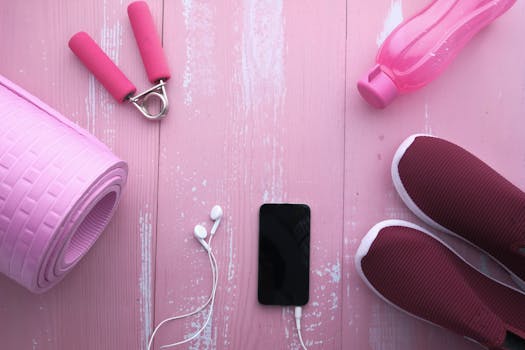
Most recovery technology falls into a few categories. You can mix and match based on what you have and what feels good.
Compression and circulation support
Compression devices use controlled pressure to help blood flow more smoothly. Many people use compression sleeves, socks, or boots after training. The sensation should feel snug, not painful. Some athletes also use compression during travel days to feel less heavy.
What to expect: a “lighter” or less tight feeling in the treated area, especially if you’re prone to swelling or heavy legs.
Massage-style tools
Massage devices—like handheld massagers or percussive massage guns—use targeted vibration or movement to work through muscle tightness. The intent is to reduce the feeling of stiffness and improve how the tissue feels.
What to expect: short-term changes in comfort and mobility. Some people feel looser right away; others notice gradual improvement over the next day.
Heat and cold options
Heat-based tools help with warmth and relaxation, while cold-based tools can help reduce the sensation of soreness. Some people use heating pads for tight areas, while others use ice packs or cold exposure after hard sessions.
What to expect: warmth can feel calming and help you move more easily; cold can feel numbing and reduce discomfort. Your routine should follow your comfort and your typical response.
Electrical stimulation for comfort
Some recovery devices use small electrical signals through pads placed on the skin. They can be used for muscle relaxation or discomfort reduction. Many devices include settings for different goals.
What to expect: a tingling or tapping sensation. The safest beginner approach is low settings and short sessions until you understand your body’s response.
Light-based recovery tools
Light therapy devices use specific wavelengths of light delivered to the skin surface. People often use them to support soreness and recovery comfort.
What to expect: a gradual change in how you feel over time. Light-based tools usually work best as part of a consistent routine rather than a one-time “instant fix.”
Where beginners usually go wrong
Most issues with a beginner recovery technology routine come from using the tools too aggressively, too often, or in the wrong way for your body.
- Starting with high intensity: stronger settings can feel tempting, but they’re more likely to irritate sensitive tissue. Begin gentle.
- Using it for pain: discomfort during recovery tools is a warning sign. Mild soreness is one thing; sharp pain is another.
- Overdoing frequency: recovery tools can help, but daily high-intensity use can sometimes make you feel worse or disrupt normal adaptation.
- Skipping the basics: sleep, hydration, and simple movement still matter. Recovery technology supports the process, it doesn’t replace it.
- Not tracking what happens: if you don’t notice patterns, it’s hard to know what’s helping. Your body is your best guide.
- Using the wrong tool for the moment: for example, starting with aggressive massage on a very inflamed area can backfire. Choose what matches how you feel.
- Forgetting skin and safety basics: keep devices clean, avoid irritated skin, and follow the manufacturer’s general safety instructions.
A simple beginner plan for your first recovery routine
Here’s an easy structure you can use whether you have one device or a couple. The key is to keep the plan small and repeatable.
Step 1: Choose one “anchor” tool
Pick one device to build around for your first two to three weeks. For many beginners, a good anchor is something simple like:
- a handheld massage tool for post-workout tightness,
- a compression sleeve or boot for heavy-leg days,
- a light therapy device if you want a low-effort routine,
- or a heat or cold option if it’s already part of your comfort routine.
Starting with one anchor helps you learn how your body reacts without confusing results from multiple tools at once.
Step 2: Use a short session length
Keep your first sessions brief. A beginner-friendly approach is to start with a time window you can complete calmly, without rushing. Many tools feel better with short, consistent use than with long sessions that leave you feeling overstimulated.
If your device has an intensity scale, start at the low end. You should be able to keep breathing normally and stay comfortable throughout.
Step 3: Pick the right time after training
Most beginners do best using recovery technology within a practical window after workouts, such as:
- Right after training: helpful for immediate comfort, especially with compression or massage-style tools.
- Later that evening: helpful if you prefer to relax at home.
- During a rest day: helpful for gentle maintenance, especially with light therapy or heat.
Choose one timing pattern and stick with it long enough to notice changes in how you feel in the next 24 to 72 hours.
Step 4: Add one “supporting” tool only if needed
After you’ve learned your baseline for two to three weeks, you can consider adding a second tool. The goal is not to stack everything. It’s to address a specific need you’ve noticed.
For example:
- If your main issue is heavy legs, compression might be a helpful add-on.
- If your main issue is tight muscles, a gentle massage routine can support mobility.
- If your main issue is feeling stiff on rest days, heat or light therapy may fit better.
If you add a second tool, keep the first anchor tool the same so you can tell what changed.
Step 5: Keep it consistent but not excessive
A beginner recovery routine should be repeatable without taking over your day. A common starting pattern is using your anchor tool after hard sessions, and using rest-day options only when you feel stiff or sore.
Watch for your body’s signals. If you feel more relaxed and move better, you’re likely using the routine effectively. If you feel irritated, overly sore, or “off,” reduce intensity or shorten duration.
How to set up your routine at home (practical steps)

You can make recovery technology easier by setting up a simple “recovery station” and using a consistent order of steps.
Create a calm setup
- Use a comfortable chair or spot where you can stay relaxed.
- Keep the device clean and ready so you don’t skip sessions.
- Dim the lights or reduce distractions if that helps you unwind.
Use a simple order that helps you stay aware
A beginner-friendly order is:
- Check how you feel first: are you tight, sore, or just tired?
- Start gentle: low intensity and short time.
- Focus on comfort: adjust if you feel sharp discomfort.
- Finish with light movement: a few minutes of easy walking or gentle stretching can help you transition back to normal activity.
That last step matters because it connects the “recovery effect” to how your body functions in daily life.
Use common device types naturally (without overcomplicating it)
If you have a handheld massage tool, you can use it on tight areas for short sessions, moving slowly and avoiding direct pressure on sensitive spots. If you have compression boots or sleeves, put them on when you’re ready to relax and keep the pressure setting comfortable. If you have light therapy, follow the device’s basic placement guidance and keep sessions consistent.
Even if the devices differ, the beginner rule stays the same: comfort first, then consistency.
Beginner guidance for first-time users by goal
People usually start recovery technology for one of a few reasons. Here are beginner-friendly ways to match your routine to the goal.
If you feel sore after workouts
Start with a gentle option that helps you feel more comfortable. Many beginners like compression or light heat for soreness comfort. Use shorter sessions and avoid intense massage on very tender areas.
Track whether your soreness feels better in the next day or two. If it doesn’t, adjust duration or intensity rather than adding more devices immediately.
If you feel tight or “stuck”
Massage-style tools and heat often fit well for tightness. Keep pressure light to moderate and focus on areas that feel tight rather than chasing deep pain. Pair the session with easy movement afterward so you can test whether range of motion improves.
If your legs feel heavy or swollen
Compression options can be a natural fit. Use comfortable pressure and keep sessions short at first. If you ever notice numbness, unusual tingling, or discomfort that increases over time, stop and reassess the fit and settings.
If you want a low-effort routine
Light therapy or simple heat sessions can be easier to stick with. Choose a time of day you’ll remember, like after your evening routine, and keep it consistent. Many users notice improvements through repetition rather than immediate effects.
How to know if your routine is working
You don’t need fancy tracking to benefit from recovery technology. Simple observations are enough for beginners.
- Next-session readiness: do you feel more ready to train or move?
- Comfort during daily life: do you feel better when walking, climbing stairs, or sitting?
- Consistency: are you able to repeat the routine without dread or confusion?
- Body signals: does the treated area feel better rather than more irritated?
If you’re making progress, keep the routine steady. If you’re not, make one change at a time: shorten the session, lower intensity, or adjust the timing.
Safety basics every beginner should follow
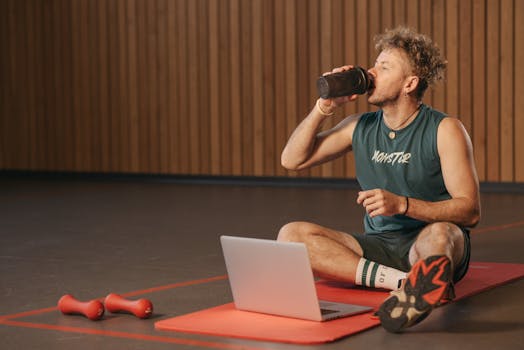
Recovery technology should support you, not create new problems. Keep these safety points in mind as you learn.
- Follow the device instructions: placement, time limits, and contraindications matter.
- Avoid irritated skin: don’t use devices on cuts, rashes, or areas that are clearly inflamed.
- Don’t chase pain: discomfort should not escalate during use.
- Be cautious with electrical and light devices: use the recommended settings and placement. If you have a medical concern, ask a qualified professional before using.
- Check fit: compression should feel snug and supportive, not tight enough to cause numbness.
When in doubt, choose the gentler option and reduce session length. Beginners often improve results by being more consistent and less intense.
Putting it all together: your first two-week starter schedule
Here’s a beginner-friendly routine you can try for the first 14 days. Adjust it to match your training frequency and how you feel.
- Days with hard training: use your anchor recovery tool after your session in a short, comfortable session.
- Days with light training or rest: either do a shorter version of the same tool or skip it if you feel fine.
- Keep intensity low at first: aim for comfort and gradual learning, not maximum stimulation.
- Only change one variable: if something isn’t working, adjust duration or timing before adding new devices.
After two weeks, you’ll have enough information to decide what to keep, what to reduce, and whether adding a second supportive tool makes sense. The best beginner recovery technology routine is the one that you can maintain while still feeling good in your body.
19.04.2026. 20:36