

Low Sleep SpO2 High ODI Troubleshooting: Fixes That Work

Overview: what “low sleep SpO2” and “high ODI” usually feel like
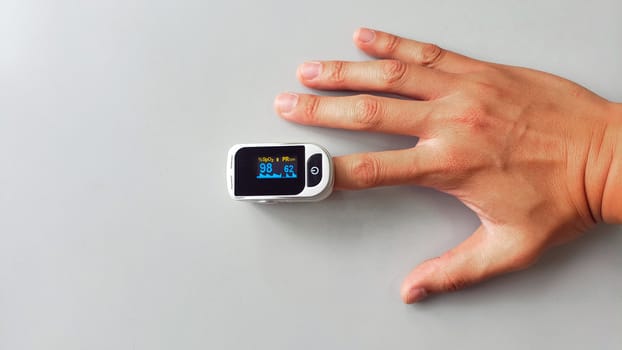
If you’re seeing low sleep SpO2 alongside high ODI, you may notice symptoms that line up with oxygen desaturation events and fragmented sleep. Common signs include waking with a dry mouth, morning headaches, unusually unrefreshing sleep, frequent night awakenings, or daytime sleepiness that doesn’t match your schedule. Some people also notice restless sleep—moving a lot, changing positions often, or feeling “wired but tired.”
The key point: these metrics are not just numbers. SpO2 reflects how much oxygen your blood is carrying, while ODI (oxygen desaturation index) counts how often your oxygen level drops by a defined amount during sleep. When oxygen drops happen frequently (high ODI), your body can respond with stress hormones and micro-arousals—even if you don’t consciously wake up.
Before you assume a medical problem, you should also consider the most common “non-medical” cause: a sensor or setup issue that makes readings look worse than they really are. This troubleshooting guide helps you separate measurement problems from breathing-related causes, then move from simplest fixes to more advanced steps.
Most likely causes: why low sleep SpO2 and high ODI show up together
There are two broad categories: true oxygen dips and false or exaggerated readings.
1) Breathing events during sleep (most common true cause)
Frequent oxygen drops often come from obstructive sleep apnea (OSA), hypoventilation, or a mix of both. OSA reduces airflow, which can lower oxygen saturation. Hypoventilation (under-breathing) may occur with certain medications, alcohol use, neuromuscular weakness, obesity-related breathing issues, or lung conditions. Even if you don’t snore loudly, you can still have events.
ODI tends to rise when desaturations cluster. If your ODI is high, it often means repeated drops happen throughout the night rather than a one-off dip.
2) Sleep position, congestion, or airway irritation
Sleeping on your back can worsen airway collapse for some people. Nasal congestion can increase mouth breathing and reduce effective airflow. Allergies and dry air can irritate the nose and throat, raising resistance and contributing to more breathing instability.
3) Measurement problems (very common)
Pulse oximeters are sensitive to motion, poor sensor contact, cold extremities, nail polish, artificial nails, and placement issues. A loose finger clip, a watch-style sensor that sits too loosely, or a sensor on a hand that’s cold can produce lower SpO2 values and more “drops,” inflating ODI.
Even the time window matters. Some devices report “sleep” based on movement and heart rate patterns. If your sleep detection is off, oxygen dips during wakefulness can be counted in the sleep summary.
4) Environmental and health contributors
High altitude, smoking/vaping, asthma flare-ups, recent respiratory infections, and certain medications (especially sedatives) can worsen oxygen stability. Alcohol close to bedtime can increase airway collapsibility and breathing irregularities.
Step-by-step troubleshooting and repair process
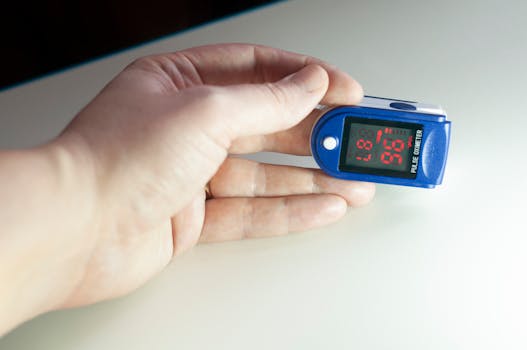
Work through this in order. Each step either improves accuracy or reduces desaturation risk. If you skip ahead, you may miss the simplest fix.
Step 1: confirm the data quality for one full night
Before changing anything major, run a “quality check” night.
- Keep sensor placement consistent (same finger/hand, same orientation).
- Warm your hands for 2–5 minutes before applying the sensor. Cold hands are a frequent cause of false low readings.
- Remove nail polish and artificial nails if you use a finger clip. If you must keep them, expect less reliable oximetry.
- Reduce movement in the first hour. If your device is a finger clip, try a relaxed position and avoid fidgeting.
- Check signal quality if your device provides a “signal strength” or “reading stability” indicator. If the app shows frequent dropouts, treat the numbers cautiously.
Real-world scenario: Many people first see “low SpO2 / high ODI” after a long day of travel. Their hands are cold, they’re wearing a loosely fitted sensor, and the first night includes more tossing and turning. After warming hands and tightening the sensor, the oxygen trace stabilizes and ODI drops noticeably within 1–2 nights.
Step 2: look for patterns that suggest oxygen dips vs sensor artifact
Review your overnight trace if your app shows it. You’re looking for clues.
- If SpO2 “falls off” briefly with motion spikes (or intermittent signal warnings), it may be a sensor artifact.
- If desaturations occur in clusters every 30–90 seconds and your heart rate shows corresponding changes, that pattern can align with breathing events.
- If your lowest SpO2 happens early after you first lie down and then improves steadily, it could be setup/position related.
If you can’t view the trace, rely on how the device reports signal quality and whether you had a “bad fit” during the night.
Step 3: standardize sleep position for 2–3 nights
For many people with airway collapsibility, back-sleeping worsens desaturation. Try positional optimization for a short test window.
- Use a body pillow or positioning wedge so you naturally stay on your side.
- Elevate your head slightly (for example, a small incline) if reflux or nasal congestion is part of your routine.
- Keep your room cool and avoid heavy blankets that make you sweat.
If your ODI drops after switching to side sleeping, that’s a strong hint that breathing events are the driver rather than random measurement noise.
Step 4: address nasal airflow and mouth dryness
Nasal resistance can increase the effort required to breathe through the nose. If you’re congested, oxygen stability may worsen.
- For 1–2 weeks, focus on consistent nasal care (saline rinse or spray before bed if you tolerate it).
- If you use a humidifier, aim for comfortable indoor humidity (often around 40–50% is a practical target; adjust based on your local climate).
- If you suspect allergies, consider timing your allergy medication according to your clinician’s guidance.
Practical example: if your ODI spikes on nights you wake up with a blocked nose, cleaning up nasal airflow may reduce mouth breathing and improve oxygen stability.
Step 5: remove common oxygen-dip triggers in the last 4 hours
Small changes can matter.
- Avoid alcohol within 4–6 hours of bedtime.
- Avoid sedatives unless prescribed and timed by your clinician (don’t stop meds without medical advice).
- If you smoke or vape, reducing late-night exposure can help breathing stability.
- If you recently had a respiratory infection, give yourself time—oxygen metrics can stay off for weeks in some cases.
Step 6: verify your device setup (and consider a better sensor fit)
If you’re using a consumer pulse oximeter, the fit and type of sensor matter. Look at your setup and try improvements.
- Finger clips: ensure the clip is snug but not painful. Keep the hand relaxed at heart level when possible.
- Wearables/wrist sensors: these can be less stable if your wrist is cold or if your device sits loosely. Tighten the band slightly and keep the wrist warm.
- Warm the skin again if you notice cold hands at night.
- Clean the sensor and check for lint or residue that can affect contact.
Soft product note: if you’re currently using a loose or frequently slipping sensor, you may get more reliable readings by switching to a properly designed finger pulse oximeter or a wearable with a more secure fit. Choose one that provides consistent signal quality indicators if available.
Solutions from simplest fixes to more advanced fixes
After you complete the steps above, you’ll usually see one of three outcomes: the metrics improve, they stay the same, or they worsen. Use that result to choose your next level of action.
Level 1: simplest fixes you can try immediately (1–7 days)
- Sensor accuracy reset: warmer hands, correct placement, remove nail polish, and confirm stable signal.
- Side sleeping trial: do it for 2–3 nights before judging results.
- Humidity and nasal airflow: aim for comfortable humidity (often 40–50%) and use saline if you tolerate it.
- Late-night trigger reduction: avoid alcohol within 4–6 hours; avoid sedatives unless prescribed.
What “success” looks like: your lowest SpO2 improves by a noticeable margin, and your ODI decreases—often within 1–3 nights if the cause is positional or setup-related.
Level 2: improve sleep stability habits tied to desaturation risk (1–3 weeks)
- Consistent bedtime and wake time to reduce fragmented sleep. Irregular sleep can increase arousals and worsen breathing stability.
- Manage reflux if you have symptoms (heartburn, throat clearing). Consider not eating within 2–3 hours of bed.
- Allergy and congestion control during your highest-symptom season.
- Weight management if relevant. Even modest weight changes can improve OSA severity over time—this is gradual, but it’s a real lever.
If you do these and ODI remains high, it’s time to treat the pattern as potentially respiratory rather than only environmental.
Level 3: evaluate the likelihood of sleep-disordered breathing
When low sleep SpO2 and high ODI persist after you’ve addressed sensor fit and position, the most likely explanation is sleep-disordered breathing. At this stage, the most useful “next step” is professional evaluation—because treatment options are more targeted than lifestyle tweaks.
- If you have loud snoring, witnessed pauses, or you wake up gasping, prioritize clinical assessment.
- If your ODI is repeatedly elevated across nights (not just one), treat it as a signal worth investigating.
- If you have comorbidities (lung disease, heart disease, neuromuscular conditions), seek guidance sooner.
Soft guidance: if you already use CPAP or APAP, check whether your settings match your prescription and whether usage is consistent. Poor mask fit, leaks, or low pressure can leave events untreated and raise ODI.
Level 4: optimize CPAP/APAP setup if you’re already using it
If you’re using PAP therapy and still see low SpO2/high ODI reports, it can be due to leaks, pressure mismatch, or mask comfort issues.
- Check mask seal: look for obvious leaks at the cheeks or around the nose.
- Confirm humidification: too dry can increase nasal resistance and mouth breathing.
- Re-check fit: straps should be snug enough to prevent leaks but not cause skin breakdown.
- Review therapy data in your PAP app (residual AHI, leak rates, usage hours).
If you’re not sure how to interpret the data, your sleep clinician or DME provider can help you adjust mask type, sizing, and pressure strategy.
Level 5: consider altitude, medication effects, and lung contributors
If you recently traveled to higher altitude, oxygen saturation can drop even in healthy people. Similarly, medication timing can affect breathing during sleep.
- Repeat the measurement after returning to your usual altitude for a fair comparison.
- Discuss sedating medications with your clinician if you suspect a link (especially if ODI spikes on nights you take them).
- If you have asthma/COPD symptoms, wheezing, or persistent cough, get medical evaluation rather than relying on home metrics alone.
When replacement or professional help is necessary
Home troubleshooting is valuable, but some situations require escalation. Use these thresholds as guidance, not as a substitute for medical advice.
Get professional help promptly if any of these apply
- You have very low oxygen readings or sustained low SpO2 despite good sensor fit.
- You experience shortness of breath at rest, chest pain, fainting, or worsening fatigue.
- Your ODI stays high across multiple nights even after you improve sensor accuracy and sleep position.
- You have known heart failure, significant lung disease, or neuromuscular weakness.
- You have witnessed apneas or you wake up gasping repeatedly.
Consider replacing the device or sensor setup when…
- The sensor repeatedly shows poor signal quality, frequent dropouts, or readings that don’t match how you feel.
- You can’t achieve stable readings even after warming hands and ensuring proper placement.
- Multiple nights show inconsistent patterns that strongly correlate with movement or cold exposure.
Soft recommendation: if you’re using a sensor that slips or is hard to keep stable, switching to a more secure, better-fitting oximeter approach can reduce measurement noise. Reliable data matters because it determines whether you chase the wrong problem.
What a clinician may do next
A sleep specialist may recommend a home sleep apnea test or an in-lab polysomnogram depending on your risk profile and symptoms. If hypoventilation or other conditions are suspected, they may also evaluate ventilation patterns rather than only oxygen drops. The goal is to match treatment to the true cause of desaturations.
Practical example walkthrough: side sleeping + sensor fix changes the result
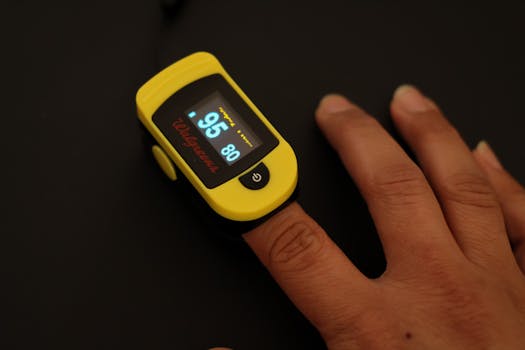
Here’s a realistic scenario that mirrors what many people experience. You notice your device reports low sleep SpO2 and a high ODI after a week of poor sleep. You also wake with dry mouth and a mild headache.
First, you redo the measurement with better setup: warm hands, a properly fitted finger clip, no nail polish, and you keep your hand relaxed. Signal quality improves. Second, you switch to side sleeping for three nights and elevate your head slightly. Third, you address congestion with saline before bed and run a humidifier for comfortable humidity.
After three nights, your lowest SpO2 is higher and ODI is lower. You still feel tired, but the desaturation pattern is less frequent. At that point, you can continue positional and airway support while you decide whether you still need a sleep evaluation—especially if you have ongoing snoring, witnessed apneas, or persistent daytime sleepiness.
If ODI had stayed high despite these changes, that would point more strongly toward breathing events that need clinical confirmation and targeted treatment.
How to track progress without overreacting to one night
Oxygen metrics can vary. Treat your results like a trend, not a single verdict.
- Run 2–3 nights with consistent sensor setup before concluding something is “fixed” or “worse.”
- Track the same conditions each night: same bedtime window, similar room humidity, and consistent device placement.
- If you change more than one variable (like humidity, position, and device type), do it intentionally and give yourself at least two nights to interpret the trend.
When you see improvement after a specific adjustment—like side sleeping or better sensor contact—follow that lead. When results don’t improve, escalate to professional assessment rather than repeatedly tinkering.
19.12.2025. 19:30