

Wearable Metrics for Focus: HRV, Resting Heart Rate, and Sleep

Why focus metrics often start with HRV, resting heart rate, and sleep
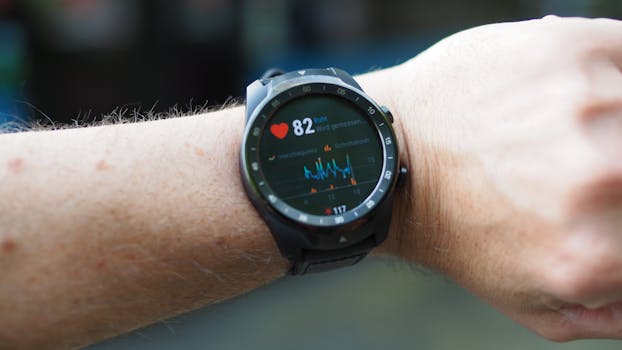
Focus and attention are not just “mental states.” They are supported by physiological systems that regulate stress, recovery, and autonomic balance. Wearable devices can’t directly measure attention, but they can provide continuous, noninvasive signals that often track the body’s readiness to concentrate: heart rate variability (HRV), resting heart rate (RHR), and sleep timing and quality.
When you look at these metrics together—especially as trends across days and weeks—you get a practical window into whether your body is likely operating in a recovery mode or a stress mode. That information can help you plan study or work sessions more realistically, and it can also highlight when something physiological is interfering with your ability to sustain attention.
This science explainer breaks down what these wearable metrics measure, why they may relate to focus, and how to interpret them without overreacting to normal day-to-day variation.
What HRV measures and why it’s linked to attention
HRV: the variability in time between heartbeats
HRV refers to the variation in intervals between successive heartbeats, usually derived from electrocardiogram (ECG) signals or photoplethysmography (PPG) from a smartwatch or ring. Higher HRV is often associated with greater flexibility in the autonomic nervous system (ANS), which includes the sympathetic (“mobilize”) and parasympathetic (“rest and digest”) branches.
In simplified terms, HRV can be viewed as a proxy for how well your physiology can adapt. In many studies, HRV decreases during periods of stress, illness, or overreaching, and it can improve with recovery. Because sustained attention depends on stable physiological regulation, HRV changes sometimes correlate with how easily people can concentrate—particularly when HRV shifts are large enough to reflect meaningful changes in stress or recovery.
Not all HRV is the same
Wearables may report HRV using different methods (for example, RMSSD or other time-domain measures). Some devices estimate HRV at rest, while others compute it from sleep or overnight recordings. These differences matter because the scale and sensitivity can vary across brands and algorithms.
For focus-related interpretation, the most useful approach is usually within-device trends: does your HRV tend to drop before you feel mentally “flat,” or does it rise after consistent sleep and manageable stress?
Common reasons HRV changes
- Stress and cognitive load: mental strain, emotional stress, or intense training can reduce HRV.
- Illness or inflammation: HRV can shift before you notice symptoms.
- Sleep quality: disrupted sleep often corresponds with lower HRV the next day.
- Caffeine, alcohol, and hydration: these can influence autonomic tone and sleep architecture.
- Exercise timing and intensity: HRV may drop after hard sessions and recover as you adapt.
Because these factors overlap, interpreting HRV requires context. A single low HRV reading rarely “explains” poor focus by itself; patterns matter more.
Resting heart rate: a recovery and stress signal
Why resting heart rate can reflect readiness
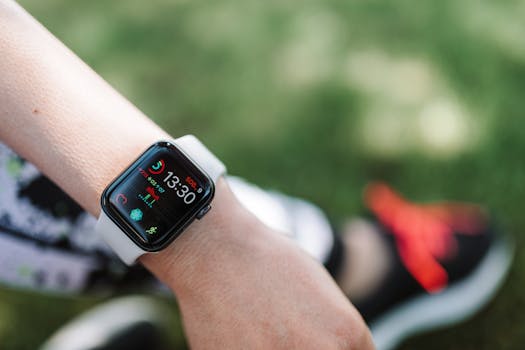
Resting heart rate is the number of heartbeats per minute when you are at rest. Many wearables estimate RHR by detecting low-motion periods and calculating a daily baseline. When RHR is elevated for several days, it can indicate incomplete recovery, heightened sympathetic drive, or the early physiological effects of stressors.
How RHR differs from HRV
RHR and HRV both relate to autonomic regulation, but they capture different aspects. RHR is a single rate value; HRV reflects variability and adaptability. In practice, some people see RHR increase during heavy training or poor recovery, while others show the clearest changes in HRV. Using both can reduce the risk of misreading what one metric alone suggests.
Factors that raise or lower RHR
- Reduced sleep duration: often increases RHR.
- Dehydration or heat exposure: can raise heart rate.
- Illness: frequently elevates RHR and may reduce HRV.
- Medication and substances: beta-agonists, stimulants, and nicotine can affect RHR.
- Training load: RHR can rise when recovery lags behind training intensity.
For focus and attention, elevated RHR across days can align with feelings of fatigue, lower motivation, and reduced cognitive endurance—especially when paired with sleep disruption and lower HRV.
Sleep metrics that matter for cognitive performance
What wearables can estimate about sleep
Wearables typically infer sleep stages (light, deep, REM) using a combination of PPG signals, movement, and sometimes temperature or accelerometry. They also estimate sleep duration, sleep onset latency (how long it takes to fall asleep), awakenings, and overall sleep efficiency.
These metrics are estimates, not clinical polysomnography. Still, they can be useful for identifying trends—such as consistently short sleep, late sleep timing, or frequent awakenings.
Why sleep influences focus
Attention relies on brain networks that are sensitive to sleep timing and sleep quality. Poor sleep can impair working memory, slower reaction times, and reduce the ability to sustain effort. Even when you “feel okay,” subtle sleep debt can show up as lower HRV, higher RHR, and changes in next-day sleepiness or attentional control.
Interpreting sleep stage estimates responsibly
Deep sleep and REM sleep are often discussed in relation to physical recovery and memory processes, but wearable stage estimates can be noisy. Instead of treating a single night’s stage breakdown as a diagnosis, focus on:
- Consistency: do you maintain a stable sleep window?
- Duration: are you regularly getting enough sleep for your needs?
- Fragmentation: are you waking frequently or getting poor sleep efficiency?
- Timing: does late bedtime shift your HRV and RHR the next day?
When sleep metrics align with HRV and RHR patterns, the combined picture is more reliable than any single number.
Connecting wearable metrics to focus: building a practical interpretation
Use patterns, not single readings
The most reliable way to use wearable metrics for focus is to track how your metrics change alongside your own performance. For example, you might note:
- Days when HRV is lower than your personal baseline
- Days when RHR is higher than your recent average
- How sleep duration and sleep efficiency changed the prior night
Then ask whether those days also correspond to difficulty concentrating, higher distractibility, or slower task switching. Over time, many people find that the “best” focus days cluster around specific physiological states: adequate sleep, stable overnight HRV, and no sustained RHR elevation.
Look for physiological “stress” signatures
Some common combinations that often precede reduced focus include:
- Lower overnight HRV plus higher next-day RHR
- Shorter sleep or lower sleep efficiency plus HRV drop
- Both HRV and RHR shifting together, especially if sleep was fragmented
These patterns may reflect your body being less prepared for sustained cognitive effort. That doesn’t mean you can’t work; it means your brain and body may benefit from a different pacing strategy.
Account for confounders
Wearables are sensitive to many influences. Before concluding that low HRV means “bad focus,” consider:
- Alcohol the night before
- Late caffeine or stimulants
- Travel, time-zone shifts, and schedule changes
- Hard workouts, unusual exertion, or soreness
- Acute stressors (deadlines, conflict, anxiety)
- Illness symptoms starting or allergies flaring
If you track these variables, your interpretation becomes far more accurate.
How to interpret HRV, RHR, and sleep together for attention planning
Create your personal baselines
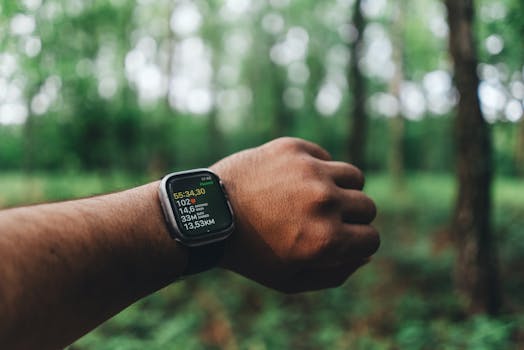
Because devices differ and individuals vary, baseline setting is essential. A practical approach is to review at least a couple of weeks of data to establish typical ranges. Focus on:
- Your usual overnight HRV level (or daily HRV if that’s what your device provides)
- Your typical morning or daily resting heart rate
- Your usual sleep duration and sleep efficiency
Once you know what “normal for you” looks like, you can interpret deviations as more meaningful.
Use a “trend check” before high-stakes focus
For tasks that require sustained attention—deep work, studying, complex problem solving—consider a quick trend check:
- Overnight: Did HRV drop noticeably compared to your baseline?
- Morning: Is RHR elevated compared with your recent average?
- Prior night: Was sleep shorter, less efficient, or more fragmented than usual?
If two or three of these align, you may anticipate lower cognitive endurance. You can respond by adjusting the session structure rather than trying to force focus.
Adjust your work pacing when metrics suggest lower readiness
When physiological signals suggest you’re not fully recovered, the goal is not to avoid work entirely. Instead, consider strategies that match lower readiness:
- Prefer shorter focus blocks with planned breaks
- Do less cognitively demanding tasks during the lowest-readiness period
- Increase recovery behaviors (hydration, light movement, earlier bedtime)
- Reduce multitasking demands
This approach respects what wearables can indicate: your body’s capacity to sustain attention, not whether you are capable of thinking.
Common pitfalls and misconceptions
“Low HRV means something is wrong”
HRV naturally fluctuates due to lifestyle, measurement noise, and normal stress. A brief dip is usually not a cause for alarm. More informative is the duration and magnitude of the change, especially when paired with sleep disturbance and elevated RHR.
“Wearables measure sleep stages accurately enough to diagnose”
Sleep stage estimates are improving, but they are still probabilistic. If you need clinical certainty, a sleep study is the appropriate tool. For everyday focus planning, trends and consistency are more valuable than exact stage percentages.
“More data automatically means better decisions”
Sometimes the biggest improvement comes from simplifying your interpretation. Track a few key metrics consistently, note major confounders (training, alcohol, illness), and compare against how you feel and perform.
When to treat wearable signals as a health prompt
Wearables can sometimes detect early physiological changes. If you notice a sustained pattern—such as consistently elevated RHR for many days, steadily declining HRV, and worsening sleep—consider it a prompt to evaluate recovery, stress, and possible health issues.
Seek medical advice if you have concerning symptoms (chest pain, fainting, persistent shortness of breath, or signs of significant illness). Wearable data can support that conversation, but it should not replace clinical evaluation.
Prevention guidance: supporting focus through recovery fundamentals
Even without obsessing over metrics, the behaviors that improve HRV and sleep quality tend to improve the conditions for attention. Consider:
- Protect sleep consistency: keep a stable wake time and aim for adequate total sleep.
- Manage daily stress load: include downtime, not just productivity.
- Use training recovery intentionally: avoid stacking intense sessions without rest.
- Optimize stimulants: limit caffeine later in the day and avoid alcohol close to bedtime.
- Support circadian timing: morning light and evening dimness help anchor sleep rhythms.
When your sleep stabilizes, HRV often becomes more resilient and RHR less prone to drift upward. In turn, many people find that sustained attention comes easier—because the body is less “on guard” and more prepared to focus.
Summary: a combined lens for focus readiness
Wearable metrics for focus HRV resting heart rate sleep are best understood as signals of physiological readiness rather than direct measurements of concentration. HRV reflects autonomic flexibility, resting heart rate can indicate recovery status, and sleep metrics capture the conditions that support next-day cognitive performance. By tracking trends within your own baseline, accounting for confounders, and using the data to adjust pacing and recovery, you can turn these metrics into a practical, science-informed tool for attention management.
15.02.2026. 06:38