

Best Wearable Features for Studying HRV, Sleep Stages, and Respiration Rate

Why you’re shopping for a wearable that goes beyond “steps”
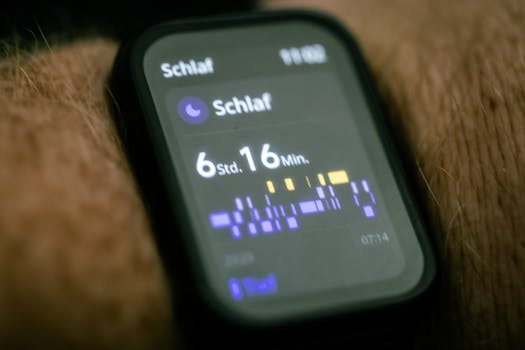
If you’re trying to study your HRV, sleep stages, and respiration rate, you’re not just buying a fitness tracker—you’re buying a measurement system. And that changes what “good” looks like.
Many wearables can estimate sleep, but fewer can do it in a way that’s useful for learning patterns over weeks. Even fewer provide respiration-related metrics that are stable enough to track trends. If your goal is to understand how your physiology changes with stress, recovery, training load, or breathing habits, you need to choose features that support accuracy, consistency, and usable data export.
In this guide, you’ll learn the wearable features that matter most for studying HRV, sleep stages, and respiration rate. You’ll also get a practical decision framework so you can buy with confidence—without wasting money on specs that won’t help your specific use case.
Understand the metrics first: HRV, sleep stages, and respiration rate
Before you compare features, it helps to know what the wearable is actually measuring.
HRV (heart rate variability) is the variation in time between heartbeats. Most wearables estimate HRV using photoplethysmography (PPG) from an optical heart-rate sensor on your wrist. Some devices also incorporate ECG for more precise beat-to-beat timing.
Sleep stages usually refer to time spent in light sleep, deep sleep, and REM sleep. Many wearables infer these stages from patterns in heart rate, breathing, and movement. The important point: stage scoring is an estimate, not a medical-grade measurement.
Respiration rate is how many breaths you take per minute. Some wearables estimate it indirectly from wrist signals and breathing-related changes in blood volume/PPG. Others use additional sensors (like temperature or bioimpedance-like signals) or algorithms that fuse multiple signals. A key buying goal is stable, trend-friendly respiration data—especially overnight.
Real-world scenario: Imagine you’re training for a half marathon. You want to see whether HRV drops after hard intervals, whether you’re spending less time in REM during heavy weeks, and whether your overnight respiration rate rises when stress or allergens disrupt sleep. You don’t need perfection—you need consistent measurements you can interpret.
What “best wearable features” means for your specific goal
When you’re studying HRV sleep stages respiration rate, you’re looking for three things working together:
- Signal quality (how well the sensor reads your physiology)
- Algorithm maturity (how reliably the device converts signals into HRV, stages, and breathing estimates)
- Data usability (how easy it is to view, export, and track trends over time)
Below are the features that most strongly influence those three outcomes.
Sensor and measurement quality features that matter most
1) PPG heart-rate sensor quality (and fit)
For HRV and sleep staging, your wearable relies heavily on PPG. The most important practical factor is how consistently it can “see” your pulse through wrist movement, sweat, and band fit.
Look for:
- Multiple LEDs and improved optical design (often described as “enhanced” or “next-gen” optical sensors)
- Good motion robustness in the spec or in real user reporting
- Comfort for overnight wear so you don’t tighten it too much (tight straps can irritate skin and sometimes worsen data quality over long nights)
Tip: If you’re serious about HRV, treat strap position like a measurement tool. Many people get better results when the sensor sits slightly above the wrist bone, snug but not painful, and remains in place while you sleep.
2) ECG capability for HRV (when available)
Some wearables offer ECG-grade measurements or optional ECG sessions. ECG can improve the precision of beat timing, which can help HRV accuracy—especially if your goal is research-like consistency rather than casual wellness insights.
If ECG is available, you should check whether:
- ECG can be used during the time window you care about (many devices require a session you start manually)
- HRV derived from ECG is shown separately from PPG HRV
- the app clearly explains which HRV metric you’re viewing
Even if you won’t run ECG every night, having it can be useful for calibration days or when you suspect your wrist PPG is struggling.
3) Respiration sensing approach (PPG-derived vs dedicated)
Respiration rate is where many trackers vary the most. You want an approach that stays stable overnight.
When reviewing a wearable’s respiration feature, focus on:
- How respiration rate is generated (often PPG-based breathing estimation)
- Whether it provides a nighttime trend rather than only an occasional reading
- Whether it flags low-quality data or shows confidence indicators
In practice, you’re aiming for a device that produces a consistent respiration curve you can compare across nights, not a single number that jumps wildly.
4) Motion sensors and sensor fusion
Sleep staging and respiration estimation both benefit from motion data. Accelerometers help separate quiet sleep from movement, and they help the device decide when to trust its physiological signals.
Look for:
- Multi-axis accelerometer and gyroscope support
- Evidence of sensor fusion in the way sleep data is described in the app
- Sleep tracking that updates reliably even if you toss and turn
Sleep stage features that improve usefulness over time
5) Sleep stage breakdown granularity
You want sleep stage data that’s detailed enough to support your learning goals. A helpful minimum is time in:
- Light sleep
- Deep sleep
- REM sleep
But you should also check whether the wearable provides stage changes over the night (timeline view) rather than only totals. For studying how stress affects REM or deep sleep, a timeline view can help you connect HRV patterns to specific parts of the night.
6) Sleep staging consistency and “confidence” indicators
Because sleep stages are estimated, consistency is everything. A wearable that outputs stable stage totals week after week is more valuable than one that fluctuates dramatically due to small changes in wrist fit.
Look for:
- Clear display of sleep duration and stage totals
- Ability to see how stages change when you adjust strap fit or go to bed at different times
- Any app indicators that suggest when the sensor quality is poor
If the app doesn’t show anything about data quality, you’ll need to rely on your own consistency checks. That’s fine—just plan to do it.
7) Sleep metrics that connect to recovery (not just “sleep time”)
For learning and decision-making, you want more than stage totals. Many wearables provide additional metrics that can help you interpret HRV and respiration data, such as:
- Resting heart rate trends
- Sleep score or sleep quality estimate
- Recovery or readiness metrics
- Breathing rate trend during sleep
These aren’t medical diagnoses. But if they’re consistent, they can help you correlate your behaviors (late-night caffeine, alcohol, training intensity) with physiology.
HRV measurement features: what to prioritize
8) HRV metric type and how it’s calculated
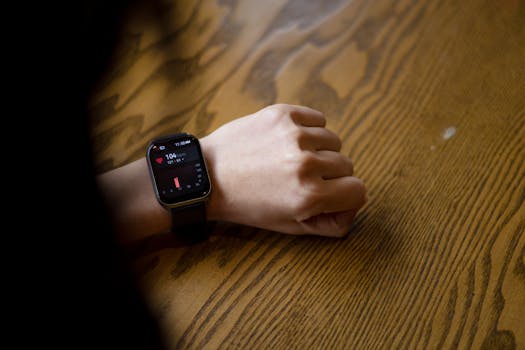
HRV can be presented in different forms—commonly RMSSD or similar time-domain metrics. Some devices show HRV in “ms” while others show a normalized score.
For studying trends, you should prefer:
- HRV in a consistent unit (for example, milliseconds)
- Clear explanation of which HRV metric is used
- Ability to view HRV over time with enough history (at least 30–90 days)
If the app only provides a daily score without underlying HRV values, it can be harder to learn and compare nights.
9) When HRV is measured (overnight vs daytime)
Many wearables compute HRV from overnight data, while others also support “relaxed HRV” sessions during the day. For your use case, overnight HRV is usually the priority because it aligns with sleep stages and respiration patterns.
Check whether the wearable:
- Provides nightly HRV and not just occasional HRV
- Supports a consistent overnight window (for example, “during sleep”)
- Lets you see HRV changes by time of night or at least by day
If you want to link HRV with REM or deep sleep, a device that provides sleep-stage timeline plus nightly HRV is more helpful than a device that only gives a daily HRV number.
10) Data smoothing vs raw values
Some apps heavily smooth HRV to make it look stable. Smoothing can be fine for wellness insights, but if you’re learning physiology, you may want to see real changes without excessive filtering.
Look for:
- Raw or minimally processed HRV values (or the option to view them)
- Transparency about how HRV is computed
- Ability to export data so you can run your own analysis
If you’re planning to do your own trend analysis, data export matters more than “pretty graphs.”
Respiration rate features: how to get stable, actionable data
11) Nightly respiration rate tracking (trend view)
For studying breathing patterns, you want respiration rate measured continuously or repeatedly through the night, not just a single snapshot. A trend view helps you see whether your respiration rate is:
- Lower during deep sleep
- Higher during REM (some people show this pattern)
- Elevated on nights after alcohol or late meals
When you evaluate a wearable, check the app’s respiration display. If it’s buried, unclear, or only shows a single number, it may not support your study goal.
12) Respiration rate units, sampling, and missing data
Respiration rate should be expressed clearly (often breaths per minute). Also pay attention to missing data. If the wearable frequently reports “no data” or blank sections, you won’t be able to learn reliably.
Look for:
- Clear unit labeling
- Consistent overnight availability
- Any explanation of when respiration tracking is unreliable
13) Integration with sleep stages
The most useful respiration data is the one you can interpret alongside sleep stages. Some devices can show breathing patterns in relation to the sleep timeline.
If your wearable can link respiration trends to light/deep/REM periods, it becomes much easier to answer questions like: “Does my respiration rate increase when I’m in REM?”
Data usability features: export, history, and interpretability
14) Export options (CSV, API, or third-party support)
Studying trends over weeks or months often means you’ll want to export data. Some wearables offer built-in export; others rely on third-party platforms.
For a practical buying decision, prioritize:
- Exportable HRV (not only screenshots)
- Exportable respiration rate if available
- At least 30–90 days of history in the app
- Clear timestamps so you can align nights with training or stress events
If you plan to use a spreadsheet or analysis tool, verify that respiration and HRV are actually included in exports. Many people discover too late that only some metrics export cleanly.
15) Clear metric naming and units in the app
HRV and respiration can be confusing because different devices use different terms. You want the app to show:
- What the HRV metric is (for example, RMSSD)
- Whether HRV is measured in ms or shown as a normalized score
- Respiration rate unit and whether it’s an estimate
If the app labels are vague, your ability to interpret changes will suffer—even if the underlying sensing is good.
16) Consistent timezone and overnight boundary handling
Overnight data can get messy if the wearable’s “sleep window” crosses midnight differently than your personal schedule. Look for:
- Sleep start and end times you can see clearly
- Stable overnight boundaries across days
- Correct timezone handling when traveling
This becomes important if you study how late workouts affect HRV. A device that shifts sleep windows by 1–2 hours can distort your comparisons.
Comfort and practical wear features (they directly affect data quality)
17) Battery life that supports nightly use
If you only wear the device when you remember to charge it, your dataset becomes inconsistent. Battery life matters because HRV and sleep stages require overnight wear.
Look for battery specs that comfortably support daily or overnight use without frequent top-ups. A practical target is at least several days of runtime so you’re not charging every night.
Real-world scenario: You start tracking HRV and respiration for a 6-week training block. If your wearable only lasts 1 day, you’ll inevitably miss nights during busy weeks. That can break your trend analysis right when you need it most.
18) Band comfort and skin tolerance
PPG sensors need contact. That means you’ll wear the band more snugly than you would for casual step counting. Choose a wearable with a comfortable band material and a good fit system so you can maintain consistent sensor placement.
If you get skin irritation, you may loosen the band, which can reduce signal quality. That affects HRV, sleep staging, and respiration estimation.
19) Water resistance and sweat handling
You’ll likely wear it through showers, workouts, and sweat. Water resistance and sweat tolerance impact sensor performance and long-term reliability.
Check the device’s water rating and whether the app recommends cleaning the sensor area. Keeping the optical sensor clean can make a noticeable difference in PPG quality.
Guidance: what you should prioritize before you buy
Use your priorities to narrow choices quickly. Here’s a practical order that matches how people actually learn from HRV, sleep stages, and respiration data.
- First priority: nightly HRV reliability. You can’t study patterns if HRV is missing or wildly inconsistent.
- Second priority: sleep stage timeline + stage totals. This helps you connect HRV changes to REM/deep/light time.
- Third priority: respiration rate availability overnight. Choose a wearable that consistently provides respiration trends during sleep.
- Fourth priority: data export and metric clarity. If you can’t export or understand units, you’ll struggle to interpret results.
- Fifth priority: comfort and battery. Without nightly wear, nothing else matters.
If you’re choosing between “more marketing features” and “better data handling,” pick the one that supports your study workflow: reading, tracking, and exporting.
Where you can naturally expect strong options (without forcing a shortlist)
Rather than naming every brand, focus on feature sets you should look for. That said, it’s common to see strong sleep + HRV experiences from major smartwatch ecosystems, and some models are especially known for detailed sleep analytics. For example, the Apple Watch line is widely used for HRV-style metrics and sleep tracking in its ecosystem, while Garmin devices often emphasize sleep and recovery metrics with robust training focus. Oura is also popular for overnight HRV and sleep-related insights, and it often appeals to people who want a dedicated sleep-first approach.
Use these mentions as starting points, not guarantees. The real decision should still come from checking whether the device provides the respiration rate data you want, shows it clearly, and lets you export or review it consistently over time.
Common purchasing mistakes and misunderstandings
Thinking “sleep stages” means medical accuracy
Sleep stages from wearables are estimates. They can still be useful for trends, but you shouldn’t treat them like a clinical test. If you need medical-grade accuracy, you’d look to clinical devices. For personal learning, you want consistency, not perfection.
Buying based on a single screenshot of “perfect” HRV
A device can look great in a demo. Your real results depend on fit, skin tone, movement, and sensor contact. Buy with an eye toward nightly reliability and data completeness.
Ignoring data export until after you’ve committed
If you want to analyze HRV and respiration alongside training days, you’ll eventually want to export. Some apps keep data locked in dashboards. If exporting isn’t available, you may end up manually recording numbers—slow and error-prone.
Overlooking missing respiration data
Respiration tracking can fail for certain nights or conditions (sensor contact issues, movement, temperature, or just algorithm limitations). If respiration data is missing frequently, you’ll lose the ability to learn from it.
Expecting respiration rate to match clinical devices exactly
Respiration rate is an estimate. Even good devices won’t always match a chest strap or medical sensor minute-for-minute. What matters for learning is whether your respiration trend is consistent and responsive to real changes (stress, alcohol, illness, allergens).
Not doing a 2–3 week setup period
Your body and your wearable both need adjustment. Plan for at least 14–21 nights of consistent wear before you interpret patterns. Early nights can be noisy due to strap placement changes, new sleep routines, or simply your body settling into a rhythm.
Practical buying checklist and decision framework
Use this checklist like a worksheet. If you can answer “yes” to most items, you’re likely buying the right tool for studying HRV, sleep stages, and respiration rate.
1) Overnight data completeness
- Does the wearable provide nightly HRV automatically?
- Does it provide sleep stage breakdown for each night?
- Does it provide respiration rate during sleep reliably (not only occasionally)?
- Does the app clearly show when data is missing or low quality?
2) Metric clarity and units
- Is HRV shown in a consistent unit (for example, ms) or clearly labeled if it’s a score?
- Is respiration rate labeled with units (breaths per minute) and shown as a trend?
- Are sleep stages labeled clearly (light/deep/REM)?
3) Sleep timeline + interpretability
- Can you view a timeline of sleep stages across the night?
- Can you view respiration changes alongside the sleep timeline (or at least correlate by time)?
- Does the app show sleep start/end times clearly, with stable overnight windows?
4) Data export and history
- Does the wearable offer export (CSV or similar) or reliable third-party integration?
- Can you access at least 30–90 days of history in-app?
- Are HRV and respiration included in exported data (if export is available)?
5) Wearability for consistent sensor contact
- Battery life supports nightly wear without frequent charging (aim for several days).
- The band is comfortable enough to wear for 7–9 hours nightly.
- The sensor area is easy to keep clean (important for PPG quality).
- Water/sweat rating fits your routine.
6) Setup plan (so you actually get usable data)
- Will you wear it in the same position above the wrist bone each night?
- Will you keep bedtime and wake time within a reasonable range for 2–3 weeks?
- Will you log key events that influence physiology (hard workouts, alcohol, late caffeine, illness)?
Final buyer guidance: how to choose confidently for HRV, sleep stages, and breathing
When you’re shopping for the best wearable features for studying HRV sleep stages respiration rate, your best move is to buy for measurement reliability and data usability—not just for the presence of a feature name.
Here’s the simple decision rule you can use in the store or while comparing listings:
- If nightly HRV isn’t consistently available and clearly labeled, skip it.
- If sleep stages are only totals with no timeline and no stable scoring, it will limit what you can learn.
- If respiration rate isn’t shown as an overnight trend (and isn’t reliably present), you won’t be able to study breathing patterns.
- If export is missing or unclear, you may end up unable to do deeper analysis later.
Once you’ve picked the wearable, give yourself a short “learning period.” Wear it consistently for 14–21 nights, keep your strap position stable, and focus on trends rather than day-to-day noise. You’ll get more insight from consistent data over a few weeks than from chasing a single “perfect” night.
If you want a practical starting point, consider an ecosystem that’s strong in sleep + recovery analytics and choose a model that clearly includes overnight HRV and respiration tracking. Many buyers who are serious about sleep and recovery end up choosing either a smartwatch with robust sleep analytics (like those in major smartwatch ecosystems) or a sleep-focused device approach (like Oura-style overnight tracking). Either can work—as long as the specific features above match your study needs.
Buy the wearable that makes your data easy to trust and easy to use. That’s what turns HRV, sleep stages, and respiration rate from “interesting numbers” into a system you can actually learn from.
13.01.2026. 20:58