

Best Meditation Apps Evidence Based: A Buyer’s Guide

Choosing a meditation app when you want real results
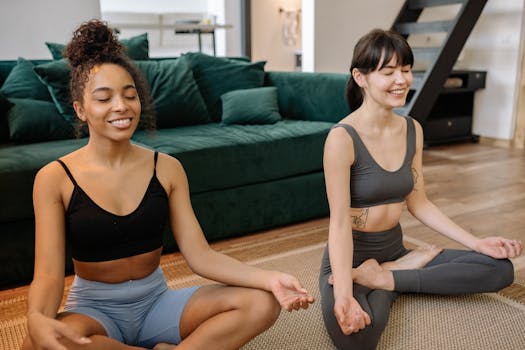
You’ve probably tried “mindfulness” once or twice and felt either curious… or overwhelmed. Maybe you downloaded an app, tapped through a few sessions, and then stopped after a week because it didn’t feel measurable, or it didn’t match what you were trying to fix.
That’s the buying problem: meditation apps are everywhere, but evidence-based guidance is harder to spot. “Guided meditation” can mean anything from a gentle breathing timer to structured programs built around research-backed techniques.
If your goal is stress reduction, better sleep, focus, or managing anxiety, you’ll want an app that does more than sound calming. You need features that support consistency and quality—plus content that aligns with what clinical studies actually use.
This guide shows you how to choose the best meditation apps evidence based without getting tricked by vague claims. You’ll learn what to prioritize, how to verify credibility, and what to avoid so your time (and money) actually goes somewhere.
What “evidence based” means for meditation apps
Let’s make this simple. In meditation and mindfulness, “evidence based” usually means the app’s methods are based on approaches that have been studied in humans and described in credible clinical or educational sources.
For apps, that typically translates into:
- Use of specific, named techniques (like mindfulness of breathing, body scan, loving-kindness, mindful movement, or CBT-adjacent skills).
- Structured programs with a clear progression (for example, 4–8 weeks) rather than random one-off tracks.
- Instructor or clinical credibility (trained teachers, psychologists, or organizations with a track record).
- Transparent guidance about what the practice is for and who it may or may not suit.
- Consistency support (timers, reminders, streaks, session history, and adaptive recommendations).
Important: evidence-based doesn’t mean “guaranteed.” Meditation can help many people, but effects vary. A good app helps you practice correctly and consistently enough to experience benefits.
Important features and specifications that matter
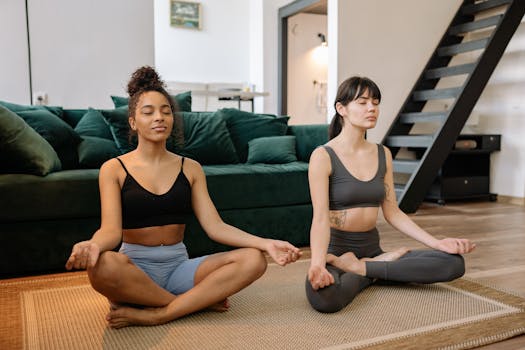
When you’re shopping, don’t judge by the app’s vibe alone. Look for practical specifications that influence outcomes—especially if you’re busy.
1) Program structure (not just a library)
Evidence-based content usually comes in sequences. Look for:
- Course-style tracks (e.g., “Getting Started,” “Stress Reduction,” “Sleep,” “Focus”).
- Clear session length (often 5–20 minutes). If the app only offers 45–60 minute sessions, it may be hard to keep up.
- A defined duration for the course (commonly 4–8 weeks). You want a plan you can follow.
- Progressive skill-building (attention training → dealing with distractions → applying skills in daily life).
Real-world scenario: You’re commuting 25 minutes each way. You can realistically do a 10-minute guided session daily. An app with a 6-week program where Day 1–7 are 8–12 minutes will fit your schedule. A random playlist of 1-hour audios won’t.
2) Technique variety that matches your goal
Different goals map to different practices. A strong app offers multiple techniques, but not in a chaotic way. For example:
- Stress and anxiety: mindfulness of breath, body scan, and acceptance-based practices; sometimes modules that resemble CBT skills (like noticing thoughts).
- Sleep: body scan, relaxation, and attention-settling practices; fewer “energizing” meditations.
- Focus: short attention training, mindful awareness, and mindful work/learning prompts.
- Emotional resilience: loving-kindness (metta) and compassion practices.
What to look for: a description of what you’re practicing and what you might notice afterward. If the app never explains the “why,” it’s harder to practice effectively.
3) Credible instructors and transparent authorship
Evidence-based apps don’t hide behind generic “wellness” language. Look for:
- Named teachers with training and background.
- Clear organizational ties (for example, universities, clinical training programs, or reputable meditation centers).
- References to research or established frameworks.
Limited but useful product mentions: you may see apps such as Headspace and Calm that provide structured content and recognizable teaching styles. You can include them in your shortlist, but don’t assume evidence simply because the brand is popular. Still check for course structure, technique clarity, and instructor credibility.
4) Customization that supports correct practice
Many people quit because the app feels “wrong” for them. Customization helps you stick.
Key options include:
- Session length choices (5, 10, 15 minutes).
- Beginner-friendly guidance with instructions that make sense (what to do when you get distracted, how to sit, what to expect).
- Audio options like different voices, pacing, or background sound (as long as it doesn’t drown out the guidance).
- Reminders that are adjustable (not intrusive).
- Offline access if you travel or want privacy.
Small detail, big impact: if you’re practicing for sleep, you’ll want a way to avoid sudden audio changes. Apps that support a “timer with fade-out” can help you avoid waking up mid-session.
5) Tracking and habit support that doesn’t feel manipulative
Consistency is one of the biggest predictors of whether you’ll benefit. Look for tracking features like:
- Session history (how many days you meditated and what you did).
- Streaks or progress indicators (useful if they motivate you).
- Weekly summaries that show your pattern.
- Adjustable goals (so you can scale down when life gets busy).
Be cautious with aggressive gamification. If the app punishes you for missing days, you might abandon it. A better design supports “resume without shame.”
6) Safety and mental health disclaimers
High-quality apps include clear guidance on when to seek professional support. You want to see:
- Statements that the app isn’t a substitute for medical care.
- Notes about how meditation may feel uncomfortable for some people.
- Suggestions to stop and get help if practices worsen symptoms.
This doesn’t mean the app is “bad.” It means it’s taking responsibility. If you see zero safety language at all, that’s a red flag.
7) Privacy and data handling
Mindfulness is personal. If the app asks to link to social features or share your data widely, check privacy settings.
At minimum, look for:
- Control over notifications.
- Transparent privacy policy accessible from the app store or within the app.
- Reasonable data use (you don’t need your meditation history sold for ad targeting).
What buyers should prioritize based on your goal
Here’s how to decide what matters most. You don’t need every feature. You need the right features for your situation.
If you’re new to meditation
Your priority is guided clarity and a gentle ramp-up. Choose an app that:
- Offers beginner sessions in the 5–10 minute range.
- Explains what to do when your mind wanders (which it will).
- Uses a structured onboarding course rather than only a menu.
- Includes short “practice with me” sessions you can repeat.
Practical tip: start with one consistent time. Many people do best with morning or early evening, not late night. If sleep is your main goal, do a brief wind-down session rather than a long one you won’t finish.
If you want stress or anxiety support
Your priority is skills you can use when stress hits—not only relaxation.
- Look for courses that teach you to notice thoughts and sensations without getting pulled into them.
- Prefer programs that include “apply it in daily life” prompts.
- Choose an app that offers both short practices (2–10 minutes) and longer sessions (15–20 minutes) so you can match your day.
Real-world scenario: You have a high-pressure week at work. You can’t do 30 minutes daily, so you need a “quick reset” option. An app that includes 3–8 minute stress practices plus a 20-minute weekly session will fit better than one that only offers long meditations.
If you struggle with sleep
Your priority is sleep-specific content and audio design that helps you drift off.
- Choose sessions labeled for sleep with slow pacing.
- Prefer body scan or relaxation practices over breathwork that feels too “alerting.”
- Look for a timer and smooth endings.
- Check if the app offers “if you can’t sleep” guidance (short reset practices rather than intense focus).
Buyer tip: if you wake up anxious, avoid apps that push “deep insight” meditations before bed. Choose calming, sensory, and grounding practices.
If your goal is focus and productivity
Your priority is attention training you can integrate into work.
- Look for short sessions (3–12 minutes) that teach attention stability.
- Prefer guided practices that include instructions for noticing distraction and returning attention.
- Choose an app that supports reminders timed to your work routine.
This is where structured progress matters. A good app won’t just help you relax—it will help you practice how to return attention repeatedly.
If you want something more structured or “clinical-adjacent”
If you’re looking for a more research-aligned approach, focus on apps that map to established mindfulness-based programs or CBT-adjacent skill training. Don’t rely on marketing terms alone.
- Look for named frameworks, course durations, and session-by-session outlines.
- Check whether the app explains what each practice targets.
- Prefer apps with clear guidance on how to practice between sessions.
If you’re dealing with significant mental health conditions, consider using an app as support—not a replacement for therapy.
Common purchasing mistakes and misunderstandings
Most “meditation app regret” comes from a few predictable mistakes. Avoid these and you’ll buy smarter.
Mistake 1: Confusing popularity with evidence
An app can have millions of downloads and still offer content that’s mostly relaxation soundscapes. Popularity is not proof of evidence-based structure.
What to do instead: check for structured courses, instructor credibility, and clear technique descriptions.
Mistake 2: Buying the “perfect” app instead of the “usable” one
You don’t need the best app in the abstract. You need an app you will actually use for 4–6 weeks.
Practical rule: if it takes more than 2 minutes to find a session that matches your day, you’ll quit. Choose an app with fast navigation to the practice you want.
Mistake 3: Expecting immediate results without a practice schedule
Meditation benefits often come from repeated practice. Even if you feel calmer after day one, the real change usually comes from consistency.
What to do: commit to a minimum plan like 10 minutes per day for 14 days. Then reassess. A good app should support that plan.
Mistake 4: Ignoring session length and matching it to your life
Many apps offer “premium” long sessions. If you only have 6 minutes most days, those long tracks will sit unused.
Choose an app with a range of session lengths that you can realistically complete.
Mistake 5: Treating “breathing” as a universal solution
Breathing exercises can help, but not all breathing guidance is the same. Some practices are relaxing; others are more stimulating or attention-intensive.
If your goal is sleep, you’ll likely want gentler, body-based or relaxation practices rather than anything that feels too focused.
Mistake 6: Overlooking safety guidance
Some people experience discomfort, intrusive thoughts, or emotional flooding when they begin. Evidence-based apps should acknowledge this and provide sensible guidance.
If the app dismisses concerns or encourages pushing through worsening symptoms, that’s not a good fit.
A practical buying checklist and decision framework
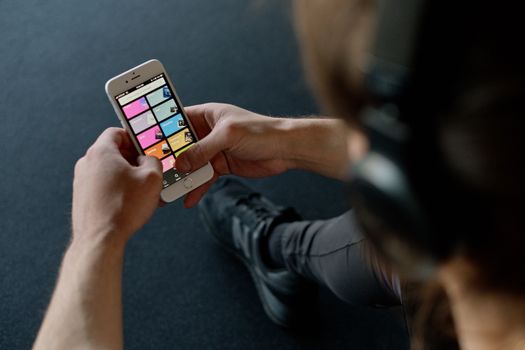
Use this as a quick screen before you pay. You can do it in 10–20 minutes.
Step 1: Match the app to your main goal
- Stress/anxiety: look for mindfulness-based skills and short “reset” sessions.
- Sleep: look for sleep-labeled tracks, slow pacing, and timers.
- Focus: look for attention training and workday integration.
Step 2: Verify evidence signals (without needing a neuroscience degree)
- Does it offer structured programs with a clear number of sessions or weeks?
- Are the techniques named and explained (breath, body scan, loving-kindness, etc.)?
- Do you see instructor credentials or reputable organizational context?
- Is there transparency about what the practice is for?
Step 3: Test usability in your real routine
Open the app and do this:
- Find a 10-minute session in under 30 seconds.
- Start it and see if the audio is easy to follow.
- Check if you can save it or return to it quickly.
- Set a reminder and confirm you can adjust it.
If any of these steps are frustrating, the app may not survive your real schedule.
Step 4: Check session variety and progression
- Do you get beginner-friendly guidance?
- Is there a progression plan (not just a random menu)?
- Can you scale session length up or down?
Step 5: Look at commitment expectations
Choose an app that supports a realistic time investment. A solid starting plan is often:
- 10 minutes/day for 14 days, then adjust.
- Or 5 minutes/day if you’re busy, plus one longer session per week.
If the app’s content assumes you’ll meditate 30–60 minutes daily, it may not fit your life.
Step 6: Confirm pricing structure and trial terms
Many apps use subscriptions. Before you buy, check:
- Whether the free tier includes enough to evaluate fit.
- How long the trial lasts (often 7–30 days).
- Whether annual pricing is required for the best deal.
- How easy cancellation is.
Buyer tip: if you’re trying an app for evidence-based reasons, you should be able to access the core programs during the trial. If the best structured courses are locked behind a paywall immediately, you may be buying blind.
Step 7: Check safety and privacy basics
- Is there clear safety language?
- Can you control notifications?
- Is there a privacy policy you can understand?
Final buyer guidance: how to choose your best match
By now you know the real test isn’t “Is this app popular?” It’s “Will you practice the right techniques in a way that fits your life, with enough structure to build skill?”
Here’s a practical way to decide:
- Pick one goal for the first 30 days (stress, sleep, focus, or emotional resilience).
- Choose an app that offers a structured course with sessions in the 5–20 minute range.
- Confirm you can start quickly and repeat sessions easily.
- Use a 14-day trial window minimum (or the free tier if it includes the core programs). Evaluate based on consistency, clarity, and how you feel after a week—not just the first session.
If you want a shortlist to start your search, consider well-known apps like Headspace or Calm as candidates, then verify the evidence signals using the checklist above. Popular apps can still be good fits—especially if their structured programs match your needs. But your decision should come from features and transparency, not brand recognition.
One last buyer truth: the “best meditation app evidence based” is the one that helps you practice correctly and consistently long enough to notice change. If the app makes it easy to show up—five minutes at a time—you’re already ahead.
03.12.2025. 22:28