

HRV for Meditation Routine: A Practical How-To Guide

What you’re trying to achieve with HRV during meditation
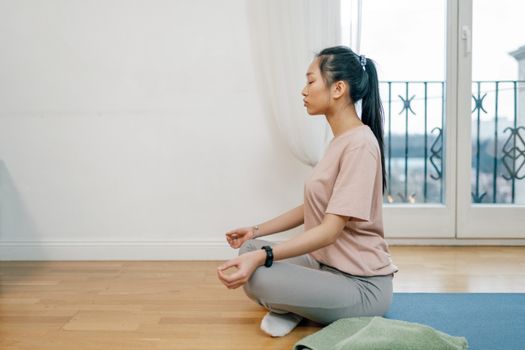
Your goal is simple: use HRV (heart rate variability) as feedback while you meditate. Instead of guessing whether your body is settling, you watch for patterns—like higher HRV during calm states or steadier HRV as your breathing slows.
When you run a consistent practice, HRV can help you fine-tune conditions that support relaxation. Over time, you’ll likely notice that certain techniques (breath pacing, longer exhales, body scan) shift your physiology in measurable ways. This isn’t about chasing a perfect number. It’s about learning how your nervous system responds to specific meditation cues.
What you need before you start
Set yourself up so you can measure reliably. HRV is sensitive to timing, sleep, caffeine, stress, and even how tight your sensor is.
- A wearable or HRV-capable device: options include chest straps (often more consistent) or wrist wearables (more convenient). Many devices and apps calculate HRV automatically.
- An HRV app or dashboard: use the one that comes with your device, or a compatible HRV tracking app. Make sure it shows you daily HRV trends and can export or display session notes.
- A consistent meditation setup: same room if possible, comfortable seating, and a timer you can start without touching your phone repeatedly.
- Tracking method: a simple note system—notes in your phone, a spreadsheet, or even a paper log. You’ll record technique, start time, session length, and how you felt.
If you already own a device like a Garmin, Oura, Whoop, Apple Watch with HRV features, or a chest strap ecosystem, you can use it. If you don’t, consider starting with one reliable data source rather than juggling multiple apps. Consistency beats complexity.
Step-by-step: build your HRV for meditation routine

-
Pick a fixed meditation window.
Choose a time you can repeat for at least 10–14 days. Many people do best with morning or early evening. Aim for the same start time within a 30–60 minute window. If your routine is chaotic, your HRV will be too.
-
Choose one meditation method for the first week.
Don’t rotate techniques daily. Pick one approach and stick with it long enough to see a pattern. Examples that pair well with HRV feedback:
- Breath-focused meditation with longer exhales
- Body scan meditation
- Guided relaxation with slow pacing
If you’re unsure, start with breath-focused. It’s easier to keep consistent and it naturally encourages slower breathing, which many people find calming.
-
Wear the sensor correctly and keep it stable.
For wrist devices, tighten the band enough that it doesn’t move when you sit. For chest straps, use the recommended placement and ensure good skin contact. Start each session with the sensor already on and stable for 2–3 minutes.
This matters because poor contact can create noisy HRV readings that look like “no progress,” even when your meditation is working.
-
Do a 3-minute baseline check before you meditate.
Start HRV measurement, sit quietly, and breathe normally for 3 minutes. Don’t try to “fix” your breath yet. Your baseline gives you a reference point so you can see whether your practice shifts HRV after you begin the technique.
Record this baseline in your notes as “Baseline HRV” (or whatever metric your app shows) and note your mental state: calm, restless, distracted, etc.
-
Run a 10–15 minute meditation session.
Begin your chosen technique for 10–15 minutes. If you’re doing breath meditation, try a simple pacing you can maintain:
- Inhale gently for 4 seconds
- Exhale slowly for 6 seconds
- Keep your breathing smooth, not forced
During this time, glance at your HRV data only occasionally. Frequent checking can pull you out of the practice. Instead, trust the session and review results afterward.
-
Capture a “during” and “end” snapshot.
At the end of your session, note the HRV value your app reports for the end segment. If your app shows session breakdowns, capture:
- Baseline HRV (from step 4)
- Mid-session HRV (if available)
- End HRV (from the final minute or final segment)
If your app only gives one number per session, then log that number and focus on how it trends over days.
-
Log your technique details and subjective state.
In your notes, record 3 items after each session:
- Technique (e.g., breath 4/6, body scan, guided)
- Session length (e.g., 12 minutes)
- How you felt using simple labels (e.g., “settled,” “itchy/restless,” “sleepy,” “focused”).
This helps you interpret HRV changes. Sometimes HRV may rise while you feel calm, but sometimes you may feel “mentally quiet” without a dramatic HRV shift. Both can be useful signals.
-
Repeat daily or 5 days per week for 10–14 days.
Run the same structure. Keep your baseline and session length consistent. If you miss a day, don’t “catch up” by doubling meditation time. Just return to your usual routine.
After 10–14 days, you’ll have enough data to see whether your meditation reliably shifts HRV relative to your baseline.
-
Adjust one variable at a time.
Now you can optimize. Choose one change and keep everything else the same for 5–7 more sessions. Examples of single-variable adjustments:
- Move from 10 minutes to 15 minutes
- Change breath pacing from 4/6 to 4/7
- Try a slightly longer baseline (e.g., 4 minutes)
- Use a guided track instead of silent breath meditation
Your HRV feedback should guide which adjustment supports steadier calm.
-
Use trends, not single-session wins.
On a tough day, HRV may not rise. That doesn’t mean the practice failed. Look for patterns across multiple sessions—like “my end HRV is usually higher when I do longer exhales” or “body scan works better after a stressful workday.”
After 3–4 weeks, you can keep your routine stable or build a second “option” technique for different contexts.
Common mistakes that derail an HRV meditation routine
- Checking HRV every 30 seconds. It breaks immersion. Instead, monitor lightly and review after your session.
- Inconsistent timing. Meditation at random hours makes HRV harder to interpret. Choose a repeatable window.
- Starting with the sensor on but not stable. Give it 2–3 minutes to settle before baseline measurement.
- Forcing breathing. If you strain to hit a ratio, you can increase tension. Keep the breath gentle and comfortable.
- Changing techniques too often. If you switch from breathwork to body scan every day, you won’t know what caused HRV changes.
- Ignoring sleep and stimulants. Caffeine, alcohol, and poor sleep can flatten HRV and mask meditation effects. Note these in your log when relevant.
- Comparing yourself to someone else’s HRV. HRV is personal. Your baseline and trend matter more than a “good number” you saw online.
Additional practical tips to optimize results
Once you have the basic routine, small improvements can make your feedback clearer and your sessions more effective.
Use a simple session structure you can repeat
Try this consistent flow: 3 minutes baseline + 12 minutes technique + 1 minute end settle. The last minute helps your nervous system “land” before you stand up. Record end HRV after that minute.
In a real-world scenario, imagine you work late and you’re tense when you sit down. Adding a short settle period at the end often makes your HRV look more stable, because you’re not abruptly ending the practice with movement or phone scrolling.
Pair HRV tracking with breath pacing you can sustain
Breath pacing is one of the most controllable levers. If you’re using breath meditation, use a ratio that feels easy. A helpful starting point is 4 seconds inhale / 6–7 seconds exhale. If you feel lightheaded or uncomfortable, reduce the time (for example, 3/5) and keep it gentle.
Many people notice that longer exhales correlate with calmer feelings. HRV can support that observation, especially when you compare baseline vs end values across days.
Log context without overcomplicating
You don’t need a full biohacking spreadsheet. Keep it minimal: add a note for “sleep quality” (0–2), “caffeine yes/no,” and “stress level 1–5.” This helps you interpret HRV variability without drowning in data.
For example, if your end HRV is consistently lower on days you had late caffeine, you’ll know meditation isn’t the only variable.
Choose the right device setup for your lifestyle
If you want smoother HRV readings during still meditation, a chest strap can be more consistent than a wrist sensor because it often captures cleaner signals. If convenience is your priority, a wrist wearable is fine—just keep it snug and stable.
Many people also benefit from using a dedicated HRV tracking app (or built-in dashboard) that shows trends over time. If you’re already using a popular device ecosystem, you can continue with that rather than changing hardware mid-routine.
Make your environment HRV-friendly
- Reduce movement: keep your hands relaxed and avoid shifting posture during measurement.
- Dim distractions: silence notifications. Your phone should be face-down or out of reach.
- Temperature matters: if you’re cold, your body may stay tense. Wear a layer you can remove or keep consistent.
Consider a “stress reset” mini-session
If you can’t meditate for 12 minutes every time, use a shorter reset that still includes baseline. For example: 2 minutes baseline + 5–7 minutes breath meditation. Do this only when you genuinely need it, and keep the structure the same.
Over time, you’ll build a reliable pattern: HRV shifts after you use the mini protocol, and you can recognize which technique works fastest for you.
Optimize based on what your data shows
After the first 10–14 days, use your notes to decide what to keep:
- If end HRV rises reliably after breath pacing, keep that as your default.
- If HRV doesn’t change much but you feel calmer and sleep better, your practice may still be working—HRV is one window, not the only outcome.
- If HRV rises but you feel restless, try a body scan or guided relaxation to reduce mental effort.
Optimization should feel like refinement, not pressure. Your nervous system learns through repetition.
Don’t chase “always higher” HRV
Some days your HRV may be lower. That can happen because of stress, illness, menstrual cycle differences, or simply a body that hasn’t recovered from the previous day. Treat HRV as a signal to understand your state, not a scoreboard.
Simple example routine you can start today

Here’s a straightforward plan you can run for the next two weeks:
- Choose a time: 7:30–7:45 AM (or your usual consistent window).
- Wear your sensor and sit quietly for 3 minutes.
- Begin breath meditation for 12 minutes with 4-second inhale / 6-second exhale.
- After the timer ends, stay still for 1 minute and then stand up slowly.
- Log: baseline HRV, end HRV, technique, and a feeling label (e.g., “settled,” “restless,” “sleepy”).
- Repeat 5–7 days over the next 10–14 days.
After that, pick one change—like extending the session to 15 minutes or adjusting exhale to 7 seconds—and keep the rest consistent for a week.
How to tell your routine is working
You’re on the right track when your sessions become easier to repeat and your HRV patterns become more predictable. You might see:
- End HRV trending higher than baseline on meditation days
- Less session-to-session “chaos” (more consistent end values)
- Shorter time to calm (you feel settled earlier in the session)
Even if HRV isn’t dramatically different every time, you can still measure progress by how quickly your mind quiets and how your body responds at the end of the session.
28.02.2026. 21:39