

L-theanine vs ashwagandha for focus: key differences

What these two nootropics aim to do for focus
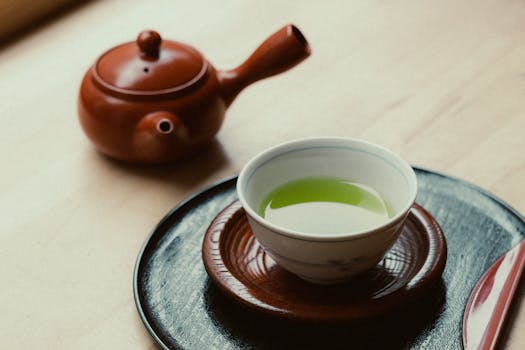
L-theanine and ashwagandha are both commonly discussed in the context of attention, mental clarity, and performance under pressure—but they approach focus from different angles. L-theanine is an amino acid found naturally in tea leaves, best known for promoting a calm, steady mental state. Ashwagandha is an adaptogenic herb used in traditional systems of medicine and modern supplements; it’s often associated with lowering stress load and supporting resilience over time.
That difference matters. If your “focus problem” is jitteriness, mental noise, or difficulty settling into a task, L-theanine tends to fit that pattern. If your focus dips because of chronic stress, fatigue, or a persistent worry loop, ashwagandha may be more relevant—though the timeline is typically longer.
Quick summary: For immediate, task-friendly calm and reduced mental distraction, L-theanine is usually the stronger choice. For stress-related focus problems that build over weeks, ashwagandha can be more appropriate, especially when stress reduction is the primary driver.
Side-by-side: L-theanine vs ashwagandha for focus
| Feature | L-theanine | Ashwagandha |
|---|---|---|
| Primary focus mechanism | Promotes calm attention; can reduce disruptive arousal | Supports stress resilience; may lower perceived stress and cortisol signaling |
| How it feels for many people | Relaxed, “clean” focus; less mental chatter | More even baseline mood/energy; less stress reactivity |
| Typical onset | Often within 30–60 minutes (varies by dose and individual) | Often weeks for noticeable stress-related changes |
| Best match for focus type | Short-term attention, reading, writing, studying, deep work entry | Long-term productivity when stress undermines consistency |
| Common pairing | Often paired with caffeine to support attentive calm | Sometimes paired with lifestyle interventions for stress management |
| Evidence emphasis | More research on attention, relaxation, and stress modulation in the short term | More research on stress, anxiety symptoms, and overall resilience over time |
| Form considerations | L-theanine capsules, tablets; sometimes combined with caffeine | Common extracts such as KSM-66 or Sensoril; standardized root extract matters |
| Potential trade-offs | May feel too “calm” for people seeking strong activation | May not provide immediate focus; effects can be subtle early on |
Real-world performance differences: what to expect
In day-to-day use, L-theanine and ashwagandha often show different “performance signatures.”
L-theanine: Users commonly report that it helps them settle into a task. The mental state described is frequently less edgy and more cooperative—useful for reading comprehension, sustained writing, and work that requires patience rather than high stimulation. A common scenario is taking it before a cognitively demanding block when the mind tends to race or when caffeine alone creates a too-stimulated feeling. Many people find L-theanine works best as a support for focus entry and maintenance, rather than as a strong driver of motivation.
Ashwagandha: Real-world differences are often less about a single-session “switch” and more about how stress affects performance across days or weeks. When ashwagandha helps, it’s frequently through a reduction in stress reactivity—feeling less overwhelmed, recovering faster after demanding periods, and maintaining steadier energy. In practical terms, that can translate into more consistent focus because stress is less likely to hijack attention.
Put simply: L-theanine tends to influence the moment-to-moment mental environment, while ashwagandha tends to influence the background conditions that determine whether focus is sustainable.
Side-by-side strengths and limitations
L-theanine for focus: strengths
- Calm attention without heavy sedation for many users: It’s often described as relaxing while still allowing clear thinking.
- Useful for distracting conditions: If you’re dealing with anxiety-like tension, overstimulation, or difficulty “starting,” L-theanine may align with that need.
- Compatibility with caffeine: Many people use it alongside caffeine to reduce jitter while preserving alertness. The combination is often chosen for work sessions that require both activation and steadiness.
- Shorter timeline: You can often judge fit within a day or two, which helps people who want predictable, immediate effects.
L-theanine for focus: limitations
- Not designed as a stress-reduction program: If the primary issue is chronic stress burden, L-theanine may help the “feel” of focus but may not solve the underlying stress driver.
- May feel underpowered for people wanting more drive: Some users interpret “calm” as less energizing. If you need strong activation, L-theanine alone may not be sufficient.
- Individual variability: Responses can differ based on baseline anxiety, caffeine habits, and sensitivity to amino-acid effects.
Ashwagandha for focus: strengths
- Targets stress resilience: If stress is the main reason focus breaks down, ashwagandha’s stress-modulating profile can be more directly relevant.
- Potential benefits for consistency: Over time, reduced stress reactivity can support steadier work habits and better recovery from demanding days.
- May support energy steadiness: Some people report less fatigue or a more stable baseline mood, which indirectly supports sustained attention.
- Long-term fit for chronic patterns: It aligns with problems that persist across weeks, not only single work sessions.
Ashwagandha for focus: limitations
- Slower onset: If you expect an immediate focus boost, ashwagandha often disappoints early. The most meaningful changes are usually gradual.
- Effect size can be subtle: Not everyone experiences dramatic changes in focus or stress; some notice only modest improvements.
- Form standardization matters: Different extracts and standardization approaches (for example, KSM-66 or Sensoril) can influence outcomes. Generic “ashwagandha powder” may not behave the same way.
- Not a substitute for acute attention demands: If you need fast stabilization for a single exam or meeting, ashwagandha’s timeline may not match.
Which option suits different buyers and focus scenarios
Because “focus” can mean different things, the better choice depends on what disrupts attention in your specific situation.
Choose L-theanine if your focus problem is mental noise
L-theanine tends to fit people who experience distractibility that feels like overstimulation: racing thoughts, restlessness, or difficulty settling into deep work. It’s also a strong match for work that requires calm persistence—writing, editing, studying, coding, or reading long-form material. If you typically use caffeine and find it makes you edgy, L-theanine (often in products that combine L-theanine with caffeine) can be a way to keep alertness while reducing the “jolt.”
Relevant product formats you may encounter naturally include standalone L-theanine capsules or blends designed for “calm with caffeine” routines. The key is consistency in dose and timing rather than chasing novelty.
Choose ashwagandha if stress undermines your ability to stay on task
Ashwagandha is often more relevant when stress is a background condition—when you feel tense most days, recover slowly, or notice that focus collapses after prolonged pressure. It’s a better fit for students and professionals who need resilience and steadier energy across weeks, rather than a single-session tool.
In practice, many people look for standardized extracts (commonly referenced as KSM-66 or Sensoril) because dosing and active constituents are more predictable than non-standardized forms. For stress-related focus goals, those extract choices can matter more than brand marketing.
When both may make sense (different roles, not the same job)
Some people use them in different ways: L-theanine for immediate focus stabilization during demanding blocks, and ashwagandha for longer-term stress resilience. This isn’t a requirement, and it’s not automatically “better,” but the logic is sound because they target different parts of the focus equation. If you explore both, the main practical difference is timing: L-theanine is typically evaluated in hours; ashwagandha is evaluated in weeks.
Final verdict: which is better for focus?
If you want the most reliable answer for focus in the short term, L-theanine is usually the stronger option. It’s better aligned with immediate attentional steadiness and reduced mental distraction—especially when caffeine is part of your routine.
If your focus problem is driven by chronic stress and you need more consistent performance over time, ashwagandha can be the better fit. Its benefits, when they appear, are typically gradual and tied to stress resilience rather than a quick “focus switch.”
In other words: L-theanine tends to help you stay on task during demanding moments; ashwagandha tends to help you keep focus sustainable when stress is the underlying disruptor.
08.02.2026. 18:40