

Nootropic Stack Safety Checklist: Risks, Dosing, and Monitoring

Why a safety checklist matters for nootropic stacks
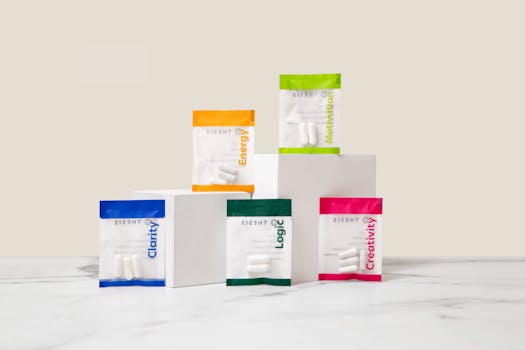
A “stack” is rarely just a set of supplements; it’s a combination of pharmacologically active compounds that can affect neurotransmitters, blood flow, hormones, sleep architecture, and liver metabolism. Even when individual nootropics appear well-tolerated, the combined effect can be unpredictable—especially with overlapping mechanisms, stimulatory ingredients, or products with variable purity.
A nootropic stack safety checklist is a structured way to reduce avoidable risk. It helps you verify ingredient choices, confirm dosing logic, check for interaction risks, plan a cautious start, and monitor outcomes in a way that’s useful—not just “wait and see.” The goal is not to eliminate all uncertainty, but to make safety decisions deliberate and evidence-informed.
Start with your baseline health and medication reality
Before evaluating ingredients, confirm that you understand your baseline risk factors. Many nootropic safety issues are medication-related, not supplement-related.
Review current medications and medical conditions
Consider how your current regimen could interact with nootropics. Pay special attention if you take:
- Antidepressants, antipsychotics, or anxiolytics
- Stimulants for ADHD, wakefulness, or weight management
- Blood pressure or heart rhythm medications
- Anticoagulants/antiplatelet drugs
- Diabetes medications
- Seizure medications
If you have a history of liver disease, kidney disease, bipolar disorder, seizures, migraine with atypical features, or clotting disorders, safety planning should be more conservative and should involve clinician input when possible.
Confirm what “normal” looks like for you
Write down baseline measures for the variables you’ll monitor: resting heart rate, blood pressure (if available), sleep duration and quality, mood stability, anxiety level, and any existing GI symptoms or headaches. If you don’t track the baseline, it’s difficult to tell whether a reaction is new or simply a fluctuation.
Ingredient due diligence: verify identity, purity, and mechanism overlap

Safety begins with knowing what you’re taking. Many adverse outcomes trace back to contamination, mislabeling, or stacking multiple compounds that push the same pathways too strongly.
Check the exact ingredient form and dosage range
Nootropics can come in different forms (for example, salts, ester forms, or different stereoisomers). Forms can change absorption and side-effect profiles. For each ingredient, confirm:
- The specific chemical form (not just the “common name”)
- The stated dose per serving
- Whether the product provides standardized amounts (when applicable)
Be cautious with proprietary blends where the exact quantities are hidden. From a safety standpoint, you can’t evaluate total exposure if you can’t see the dose.
Map mechanism overlap across the stack
Overlapping mechanisms often matter more than the number of ingredients. Examples of overlap patterns to watch for:
- Stimulatory overlap: multiple ingredients that increase catecholamines or alertness can increase jitteriness, insomnia, or anxiety.
- Cholinergic overlap: combining cholinergic agents may raise risk of headaches, nausea, sweating, or GI upset in sensitive individuals.
- Serotonergic overlap: stacking compounds that influence serotonin can increase the risk of adverse mood or interaction effects.
- Blood-flow or anticoagulation overlap: compounds that affect platelet function or vascular tone can increase bleeding or blood pressure risks when combined.
- Liver-metabolism overlap: multiple compounds metabolized through similar pathways can raise the likelihood of intolerance in some people.
You don’t need to be a pharmacologist. A practical approach is to list each ingredient’s intended effect and then check whether multiple items target the same “system” (stimulation, acetylcholine, sleep, mood, blood flow, etc.).
Look for quality signals that affect safety
Even when the label looks correct, quality problems can occur. Prioritize products that provide third-party testing for identity and contaminants (for example, heavy metals and microbial contaminants). Batch-to-batch consistency matters, too—especially with less-studied compounds.
Also consider whether the product has a clear manufacturing standard and whether it discloses lot numbers. If you can’t find any quality documentation, treat the safety margin as smaller.
Dosing logic: build exposure gradually and avoid stacking “too high” at once
Safety is strongly influenced by dose timing and starting levels. A common failure mode is starting multiple ingredients simultaneously at moderate doses “to see what happens.” That approach makes it hard to identify the cause of side effects and increases the chance of overshooting a tolerable range.
Use a stepwise introduction plan
Apply this checklist step-by-step:
- Introduce one variable at a time: add only one new ingredient (or one dose change) per step.
- Allow a clearance window: wait long enough to observe early tolerability and delayed effects (often several days, depending on the ingredient).
- Record responses: sleep, anxiety, headaches, GI symptoms, and any unusual sensations.
- Only then adjust: change one thing at a time.
If you’re stacking for the first time, this method usually reduces risk and improves interpretability.
Start low, especially with stimulatory or mood-active ingredients
“Low” should be defined relative to the product’s label and your personal sensitivity. A conservative strategy is to begin at a fraction of the label dose for the first few steps. Ingredients that may warrant extra caution include those that:
- Increase alertness or energy
- Influence dopamine/serotonin signaling
- Change vascular tone or blood pressure
- Have known sedative effects that can affect next-day functioning
Even if you tolerate one supplement well, adding a second can change the net effect.
Watch total daily exposure, not just per-ingredient doses
Safety issues often come from totals: caffeine-like stimulation from multiple sources, cumulative cholinergic load, or repeated dosing within a short window. If you use coffee, energy drinks, or other stimulants, include them in the stack’s overall stimulatory burden.
Also consider that some ingredients have long half-lives or lingering effects. If you redose too frequently, you may build tolerance early but still experience side effects later.
Interaction screening: common risk categories and practical checks
Interactions aren’t always obvious from the ingredient name. A robust safety checklist includes interaction screening across medication and supplement categories.
Check for stimulant and cardiovascular risks
If your stack includes energizing nootropics, assess cardiovascular risk. Consider whether you have a history of arrhythmia, uncontrolled hypertension, panic attacks, or stimulant sensitivity. Practical checks include:
- Monitor resting heart rate and perceived palpitations
- Avoid stacking multiple alertness boosters
- Do not take late in the day if sleep is affected
When in doubt, clinician input is especially important if you take heart rhythm or blood pressure medications.
Screen for bleeding or clotting risk
Some supplements can influence platelet function or vascular integrity. If you take anticoagulants or antiplatelet drugs, treat nootropic stacks as higher-risk and verify interactions with a qualified professional. Even without prescription blood thinners, be cautious if you have bleeding disorders or are preparing for surgery.
Consider serotonin, dopamine, and seizure-threshold concerns
Mood- and neurotransmitter-active ingredients can interact with psychiatric medications and may affect seizure threshold in susceptible individuals. Safety screening should cover:
- Any history of seizures
- Current antidepressant/antipsychotic use
- Any personal history of mania or severe mood swings
Because mechanisms can be complex, interaction checking should not rely solely on “natural” assumptions.
Account for liver metabolism and GI tolerance
Some nootropics can be harder on the liver or trigger GI symptoms. Practical safety steps include:
- Avoid combining multiple “hard on the stomach” ingredients
- Take with food when appropriate for tolerability (unless a specific ingredient requires otherwise)
- Watch for persistent nausea, dark urine, unusual fatigue, or yellowing of eyes/skin
If concerning liver-related symptoms appear, stop and seek medical evaluation promptly.
Timing and stacking schedule: prevent insomnia, rebound effects, and overdosing

Even safe ingredients can become unsafe when timed poorly. Timing errors are a frequent cause of “I felt fine at first, then things got worse.”
Separate stimulating and sedating effects
If your stack includes both alertness-promoting and calming ingredients, structure the day so the net effect matches your goals. A safety-first schedule typically means:
- Keep stimulating ingredients earlier in the day
- Use calming ingredients in the evening only if they don’t cause next-day grogginess
- Avoid late dosing that could interfere with sleep onset or sleep quality
If sleep worsens, it can amplify anxiety, reduce cognitive performance, and increase sensitivity to side effects.
Watch for redosing “creep”
People often start with a plan and then add extra doses when they feel they need more. That can quietly turn a conservative stack into a high-exposure stack. A safety checklist should include a rule such as: do not increase total daily dosing until you’ve completed the stepwise introduction plan.
Consider caffeine and sleep debt as hidden variables
Many nootropic stacks are used alongside coffee or other stimulants. If you change caffeine timing or quantity while testing a stack, you won’t know which variable caused the change. Similarly, if you’re sleep-deprived during the trial, you may misattribute effects to the supplements.
Side-effect monitoring: what to track and how to decide when to stop
A checklist should define monitoring outcomes and thresholds. Without them, you may either ignore early warning signs or stop too late.
Use a brief daily log
Track a small set of indicators that reflect both safety and tolerability:
- Sleep onset time, total sleep, and perceived sleep quality
- Headaches (onset, intensity)
- Anxiety/jitteriness or mood changes
- GI symptoms (nausea, reflux, diarrhea)
- Heart rate/palpitations if you can measure them
- Any unusual neurological symptoms (tremor, tingling beyond baseline)
Log the stack timing and whether caffeine was used. Patterns are easier to see when the context is consistent.
Define “stop” criteria before you start
Decide in advance what would trigger stopping the stack. Examples include:
- Severe or escalating side effects
- Symptoms suggesting an allergic reaction (rash, swelling, breathing difficulty)
- Chest pain, fainting, or significant palpitations
- Signs of liver stress (yellowing, dark urine, persistent severe fatigue)
- Manic symptoms (reduced need for sleep, pressured speech, risky behavior)
- Any seizure-like symptoms or significant neurological changes
If any of these occur, stop the supplements and seek medical care as appropriate.
Separate “mild adjustment” from persistent intolerance
Some people experience transient effects during the first days—mild nausea, slight headache, or temporary restlessness. Safety requires distinguishing temporary adjustment from persistence or escalation. If symptoms continue beyond the initial introduction window or intensify with each dose step, treat that as intolerance and discontinue the suspect ingredient.
Special attention for commonly stacked ingredient categories
Not all nootropic categories carry the same risk profile. Use this section to apply tighter safety controls where they tend to matter most.
Cholinergic-focused ingredients
Compounds that increase acetylcholine signaling can be helpful for some people, but they can also cause headaches, sweating, nausea, and GI upset. When using a cholinergic ingredient:
- Start low and monitor headache and GI tolerance closely
- Avoid stacking multiple cholinergic agents at the same time
- Be cautious if you have migraine sensitivity
If you already take medications affecting cholinergic pathways, interaction screening becomes more important.
Racetams and related compounds
Racetams are often discussed in nootropic communities, but safety still depends on dose and personal sensitivity. Because many people stack them with other compounds, the key checklist points are:
- Introduce one racetam-related change at a time
- Monitor anxiety, sleep, and headaches
- Watch for overstimulation when combined with other energizers
Quality and accurate labeling matter because similar-sounding products can differ in dose and form.
GABAergic and calming ingredients
Calming nootropics may improve relaxation for some people, but they can also cause next-day sedation or interact with medications that depress the central nervous system. Safety checklist reminders:
- Avoid combining with alcohol or other sedatives
- Check driving or work safety if drowsiness occurs
- Monitor sleep quality, not just sleep duration
If you take benzodiazepines, sleep medications, or certain antihistamines, confirm compatibility with a clinician.
Herbal adaptogens and botanicals
Botanical ingredients can be more variable in potency and may interact with medications. Safety screening should include:
- Whether the botanical affects blood pressure, blood sugar, or hormone pathways
- Potential interactions with anticoagulants and psychiatric medications
- Batch quality and contaminant testing
Because herbal effects can be subtle, people sometimes overlook early warning signs. Keep your monitoring log consistent.
Quality control and product documentation: reduce risk from variability

Even a well-designed stack can fail safety expectations if product quality is inconsistent. The safety checklist should include documentation checks.
Look for third-party testing and clear labeling
Prefer products that provide lot-specific certificates or transparent third-party testing. Confirm that the ingredient list matches the label and that contaminants have been tested. If a product’s documentation is vague, you may be taking on avoidable risk.
Be cautious with “research chemical” sourcing
Some nootropic compounds are sold with limited clinical safety data or with inconsistent labeling across sellers. If a compound is not reliably manufactured and tested, your safety margin shrinks. For a nootropic stack safety checklist, that means treating these ingredients as higher-risk and using a slower, more conservative dosing plan.
Avoid mixing multiple products from unknown manufacturers
When multiple ingredients come from different sources with varying quality controls, it becomes harder to troubleshoot side effects. A more safety-aligned approach is to keep the number of variable factors smaller during the trial period.
Example prevention plan: how to run a safer stack trial
This is a prevention-focused way to apply the checklist without turning it into a complicated protocol.
- Step 1: Choose a single target outcome (focus, mood stability, or sleep support) and build a stack around that outcome rather than adding many unrelated effects.
- Step 2: Screen each ingredient for interaction risk with your medications and health conditions.
- Step 3: Start with the lowest practical dose for the first ingredient and monitor for several days.
- Step 4: Add the second ingredient only after you’ve confirmed tolerability and stable sleep.
- Step 5: Keep a daily log and define stop criteria before any symptoms appear.
- Step 6: Reassess after a short trial window, and discontinue any ingredient that correlates with side effects.
This approach reduces uncertainty and makes the stack safer to evaluate.
Summary: the nootropic stack safety checklist in one prevention mindset
A nootropic stack safety checklist is most effective when it’s used as a decision tool, not a one-time checklist. The core principles are consistent: confirm baseline health and medication risks, verify ingredient identity and quality, introduce ingredients gradually, screen for interaction categories, schedule doses to protect sleep, and monitor side effects with clear stop criteria.
If you want to mention specific nootropics you’re considering (for example, racetams, L-theanine, caffeine combinations, or sleep-support ingredients), the safest next step is to review each ingredient’s form, dose, and interaction risks in the context of your medications and health history. When symptoms appear, treat the monitoring log as evidence, not as guesswork. That’s how a stack becomes a controlled experiment rather than an avoidable risk.
18.12.2025. 22:49