

Home Blood Test vs Lab Draw Accuracy & Turnaround Times

Two ways to get blood results: home testing kits vs clinician lab draws
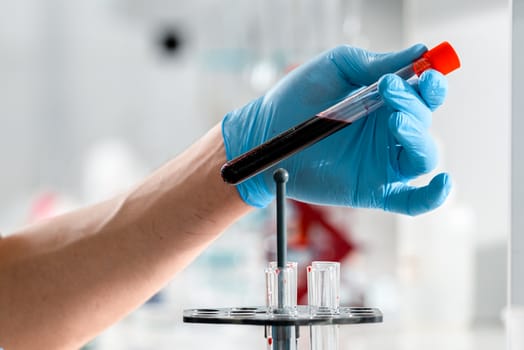
You can measure key health markers by either collecting a sample at home or having a professional draw blood at a lab. The practical question isn’t just “Will it work?”—it’s how closely results match, how fast you’ll get them, and how much variability you can expect from your specific situation.
In most cases, lab draws are built for consistency: venipuncture, standardized processing, and tight quality controls. Home blood tests can be very convenient and surprisingly accurate for many common analytes, especially when you follow the instructions carefully and use reputable brands.
This guide compares the two methods through the lens you actually care about: accuracy and turnaround, plus the real-world factors that change results.
Quick summary: which option wins for accuracy and which for speed
If your priority is the most dependable accuracy—especially for clinically sensitive decisions—your strongest overall option is usually a lab draw. Venous samples and controlled handling reduce variability.
If your priority is speed of access (getting started today, not waiting for an appointment) a home blood test often wins. You can collect quickly, ship same-day or next-day, and many services return results within about 2–5 business days after the lab receives your sample.
That said, accuracy and turnaround are not the same thing. A home test can be fast and still be “accurate enough” for trend monitoring. A lab draw can be slower but more robust for confirmation and borderline values.
Home blood test vs lab draw accuracy and turnaround: side-by-side
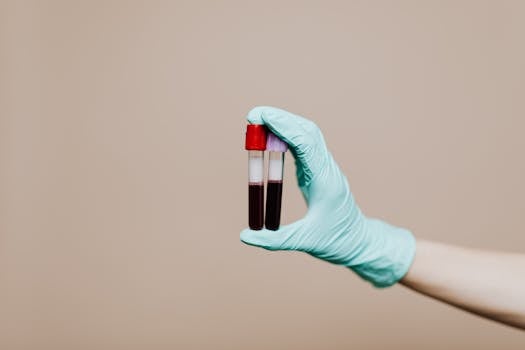
| Factor | Home blood test (fingerstick or at-home kit) | Lab draw (venipuncture at clinic/lab) |
|---|---|---|
| Sample type | Typically capillary blood (fingerstick). Some kits use venous collection at home via nurse/partner services, but that’s less common. | Venous blood via needle (standard for most clinical testing). |
| Typical accuracy for common panels | Often close to lab results for many markers when instructions are followed. Accuracy can vary more with collection technique and sample volume. | Generally highest consistency due to standardized collection and processing. |
| Common sources of variability | Insufficient blood volume, improper mixing, not wiping the first drop, timing issues (especially for fasting samples), temperature/shipping delays, and user technique. | Less user-related variability; main variability comes from timing, fasting status, and lab-to-lab differences in reference ranges or equipment. |
| Turnaround from “order” to results | Often 1–3 days to receive kit + 1–2 days to ship + 2–5 business days after lab receipt. Total often lands around 5–10 days. | Appointment scheduling varies. If you can get in quickly, results can be within 24–72 hours after the draw (sometimes faster for certain tests). |
| Turnaround reliability | Depends on shipping carriers, weather, and whether the sample arrives within temperature requirements. | Typically more predictable once you’re at the facility, because processing is immediate and controlled. |
| Fasting and timing sensitivity | Often more sensitive because you’re responsible for timing and technique. Missed fasting windows can skew glucose, lipids, and some metabolic markers. | Still sensitive, but easier to control because the draw is scheduled and supervised. |
| Best for trend monitoring | Often very good for tracking changes over time (e.g., cholesterol trends, hormone panels, vitamin levels), assuming consistent collection conditions. | Excellent for baseline + follow-up comparisons, especially when you need clinical-grade confirmation. |
| Best for “borderline” or diagnostic decisions | Useful, but you may want confirmatory lab testing if values are near thresholds or if results will drive medical decisions. | Preferred for confirmation and for values that may change treatment decisions. |
Where accuracy differs in practice (and why it matters)
Accuracy isn’t just about the lab analyzer. It’s the whole chain: collection → handling → shipping/transport → processing → reporting. Home and lab draws differ most in the first steps.
1) Venous vs capillary blood
Lab draws are venous. Home tests are usually capillary (fingerstick). Capillary blood can produce slightly different concentrations for certain analytes, and the differences can be amplified by technique. For many common markers—like total cholesterol, hemoglobin, and many inflammatory markers—home tests can be quite close when the kit is reputable and instructions are followed.
However, if you’re dealing with borderline values, you want the most consistent sample type. That’s where lab draw typically edges ahead.
2) Sample volume and mixing
With a fingerstick, it’s easy to under-collect. Underfilled collection tubes can lead to processing issues or require dilution. Even if the lab still reports a result, the effective sample handling may introduce error.
Lab draws avoid this by using standardized volumes collected by trained staff.
3) Timing and fasting compliance
Many home kits include fasting guidance (for example, 8–12 hours for certain metabolic markers). If you eat early—or you collect at a different time of day than your prior test—you may see changes that look like biological shifts.
In a lab setting, you can still make timing mistakes, but the appointment structure makes it easier to follow the fasting window consistently.
4) Shipping conditions
Home kits usually include packaging designed to protect samples during transit. Still, delays happen. A shipment that sits over a weekend or in hot/cold conditions can be more likely to affect certain markers.
Lab draws sidestep this. Your sample is processed immediately or moved through controlled logistics.
Real-world performance differences: what you’ll notice first
Here are practical scenarios that mirror what people actually experience.
Scenario A: You’re monitoring cholesterol and want quick trend data
You order a home blood test kit that includes a lipid panel. You collect the sample the same morning, ship it the next day, and receive results about 4–7 days after you order (depending on kit delivery and shipping). If your LDL is trending upward from your last test, you can act sooner—diet changes, follow-up scheduling, or asking your clinician whether to confirm with a lab draw.
In this scenario, home testing often feels “good enough” because your goal is trend monitoring, not a single definitive diagnosis.
Scenario B: Your doctor wants confirmation for borderline thyroid or anemia markers
If you have symptoms and your clinician is deciding whether to start treatment, you’ll often get the most confidence from a lab draw. Venous sampling and controlled processing reduce user-related variability. Even if a home test is close, a lab draw is typically the stronger reference point for borderline values (for example, when hemoglobin or thyroid hormones are near thresholds).
Turnaround can still be fast if you can get an appointment quickly—often 1–3 days from draw to results.
Scenario C: You need results quickly for a time-sensitive decision
Suppose you’re preparing for a procedure or an appointment where you need labs within a week. A home kit can be too slow if you factor in kit delivery and shipping. A lab draw at a nearby facility can give you results in 24–72 hours once you’re in the building.
If speed is critical, lab draw usually wins on certainty.
Pros and cons breakdown: home blood tests
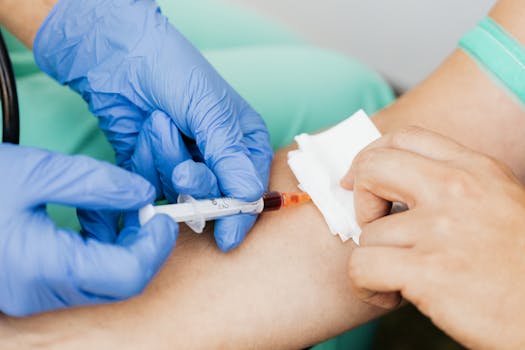
Pros
- Fast access without appointments: You can start immediately when you get the kit.
- Convenient sample collection: Fingerstick collection can be less intimidating than venipuncture for many people.
- Useful for trend monitoring: If you repeat tests consistently (same time of day, similar fasting compliance, careful technique), you can track changes effectively.
- Often includes broad panels: Many reputable home services bundle common markers like cholesterol, A1C, CBC components, iron studies, and vitamin panels.
- Clear reporting: Many services provide interpretable reference ranges and explanations, and some offer clinician review.
Cons
- Higher user-driven variability: Blood volume, collection steps, and timing matter more.
- Shipping introduces uncertainty: Delays or temperature issues can affect results or processing times.
- May be less ideal for borderline diagnostic decisions: If the result will change treatment, confirm with a lab draw if your clinician recommends it.
- Turnaround is often less predictable: Delivery + shipping + lab receipt can shift your timeline by days.
- Not all kits are equal: Accuracy depends on the brand, testing method, and whether they use validated assays for the sample type.
Pros and cons breakdown: lab draw accuracy and turnaround
Pros
- Highest consistency: Venous blood collection and standardized processing reduce variability.
- Better for confirmation: Ideal for borderline results, diagnostic workups, and treatment decisions.
- More predictable turnaround: If you can attend the draw promptly, many labs return results in 1–3 days.
- Professional oversight: Trained staff handle collection volumes, labeling, and initial handling.
- Compatibility with medical workflows: Clinicians can order repeat tests easily and align with existing lab reference ranges.
Cons
- Appointment scheduling can slow you down: Waiting for an open slot can add days.
- Less convenient: You must travel, park, and complete the draw during staffed hours.
- Cost depends on coverage: Depending on your insurance and the test panel, out-of-pocket cost can be higher or lower than home options.
- Less control over timing: While that’s often a benefit, it can be a drawback if you need results on a very specific timeline.
Best use-case recommendations for different buyers
Choose based on what you’re trying to accomplish—not just the testing method.
Choose a home blood test if you want convenience and trend tracking
You’re a strong fit for home testing if:
- You’re tracking wellness markers over time (for example, cholesterol, A1C, vitamin D, iron trends).
- You can follow instructions carefully (especially fasting and collection steps).
- You want to start now and accept a typical timeline of about 5–10 days for results.
- You’re comfortable treating home results as a starting point and planning confirmation if something is unexpected.
Affiliate-style product examples you may see in this category include services that ship fingerstick kits and provide digital result portals. Many popular options also offer clinician interpretation add-ons. If you’re comparing brands, look for FDA-cleared or CLIA-certified lab processing (where applicable) and clear instructions for sample handling and fasting.
Choose a lab draw if you need maximum confidence for medical decisions
Lab draw is the better choice if:
- Your results will drive treatment decisions or further diagnostic steps.
- You have symptoms and need confirmatory testing for borderline values.
- You can get an appointment quickly and want predictable turnaround within 24–72 hours.
- You need venous-sample reliability for specific markers where sample type matters more.
Lab draw is also a strong option if you’ve already had abnormal results at home and you want a “gold standard” baseline before acting.
Use both strategically: home first, lab to confirm
A practical approach is to use a home blood test to screen or monitor, then confirm with a lab draw when results are out of range or when you’re close to clinical thresholds. This can reduce the number of lab visits while still improving decision quality.
For example, if your home test shows an unexpected low hemoglobin or abnormal thyroid marker, you can schedule a lab draw for confirmation and faster clinician review.
Final verdict: which option fits your needs
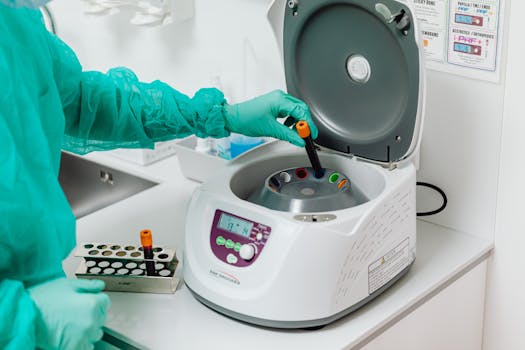
For accuracy, lab draw is usually the winner. Venous sampling and controlled handling reduce variability, and it’s the better reference point for borderline or diagnostic decisions.
For turnaround speed, home testing often wins on convenience of starting immediately, but lab draw can win on speed-to-results if you can get an appointment quickly. Home results commonly land around 5–10 days total (kit delivery + shipping + lab receipt), while lab draws are often 1–3 days after the draw.
Best overall choice by goal:
- Best for clinical confidence: Lab draw
- Best for convenience and ongoing monitoring: Home blood test
- Best for “fast start, smart confirmation”: Home first, then lab draw to confirm abnormal or borderline results
If you want one clear direction: pick lab draw when the results matter most for diagnosis and treatment. Pick home blood test when you want to move quickly, monitor trends, and you’re willing to follow the process carefully—or confirm with a lab if something looks off.
12.03.2026. 12:37