

Best Wearable for HRV Recovery Monitoring: Buying Guide

Why HRV recovery monitoring is getting serious
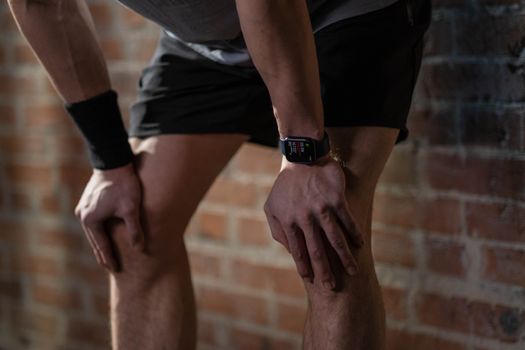
You’re training smarter now. You track steps, you log workouts, and you pay attention to sleep. But the piece that often feels “mysterious” is recovery—how ready you are for the next hard session.
That’s where HRV comes in. Heart Rate Variability (HRV) is a measurement of the variation in time between heartbeats. Many wearables estimate HRV from optical heart-rate sensors (photoplethysmography, or PPG) and use it to infer how stressed or recovered your body may be.
When you’re trying to decide on the best wearable for HRV recovery monitoring, you’re really asking a practical question: “Which device will give me HRV data I can actually trust enough to guide my decisions?”
The challenge is that HRV is sensitive to measurement quality, sensor fit, timing, and algorithm choices. Two wearables can both show HRV changes, but the numbers may not be directly comparable. Your goal isn’t perfect lab-grade accuracy—it’s consistent, actionable trends that match how you feel and perform.
Start with HRV basics (so you buy the right kind of data)
Before you shop, understand what the wearable is likely measuring and how it’s presented.
- Time-domain vs. frequency-domain HRV: Most consumer wearables provide time-domain HRV metrics, commonly shown as RMSSD. You’ll often see “HRV” displayed as an RMSSD-like value.
- Resting HRV vs. nightly HRV: Some devices compute HRV during sleep, when your nervous system is more stable. Others use short “resting” windows during the day. For recovery decisions, nightly HRV trends are usually more useful.
- Trends matter more than single-day values: Your HRV can drop after alcohol, poor sleep, illness, or intense training. A strong recovery signal is often the direction and stability across days, not one number.
- Recovery scores are not HRV itself: Many apps combine HRV with sleep, resting heart rate, activity load, temperature (if available), and sometimes subjective inputs. Recovery scores can be helpful, but HRV is the anchor you want to understand.
Real-world scenario: You finish a tough interval session on Tuesday, then sleep poorly on Wednesday night. Thursday morning your wearable shows lower HRV and a higher “stress” indicator. Instead of pushing another hard workout, you do an easy zone-2 session and add mobility work. Over the next 48 hours, HRV begins to rebound. That pattern—HRV moving with your recovery—can help you plan without guessing.
Key features and specifications that affect HRV recovery monitoring
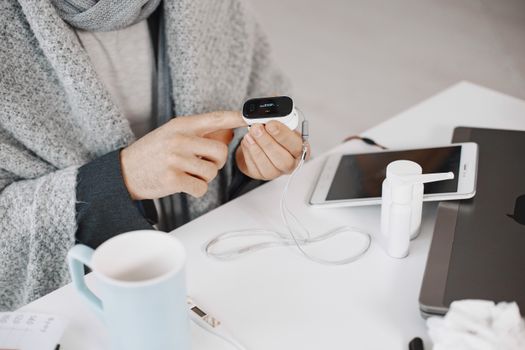
Not all HRV monitoring is equal. When you evaluate devices, focus on the features that directly influence measurement quality and the usefulness of the output.
1) Sensor type and optical heart-rate performance
Most HRV wearables rely on PPG sensors. The number of LEDs and the sampling strategy can matter, but the bigger issue is signal quality. HRV is calculated from subtle changes in beat-to-beat timing, which can be distorted by motion, loose fit, skin tone differences, and sweat.
Look for:
- Good fit guidance: A wearable that’s designed to sit consistently (especially for sleep) will usually give better HRV trends.
- Support for night tracking: Since recovery is typically assessed during sleep, your device should continuously capture HR data overnight.
- Motion tolerance: If you do sleep tracking and you move around, the device’s ability to filter noise matters.
2) Nightly HRV availability and how it’s computed
You want HRV values that are generated reliably and at a consistent time window. Check whether the wearable:
- Reports HRV daily (ideally every morning)
- Provides RMSSD or a clearly defined HRV metric
- Shows HRV trends over time (not only a single daily snapshot)
- Uses a defined sleep window (e.g., “during the night” or “during sleep”) rather than random daytime samples
Pay attention to how often HRV is missing. If HRV appears only after you run a specific breathing session or only after you sit still for 10 minutes, it may be less helpful for recovery planning.
3) Resting heart rate, sleep stages, and stress signals
HRV is strongest when you can interpret it with supporting metrics. A good recovery workflow usually includes:
- Resting heart rate: Often changes alongside HRV when you’re under-recovered.
- Sleep stages: Even if sleep staging isn’t perfect, consistent patterns (like reduced deep sleep) can explain HRV drops.
- Stress or readiness overlays: Many platforms label nervous system stress or recovery state by combining HRV with other signals.
This is why some people prefer ecosystems such as Garmin with its Body Battery-style readiness metrics, Oura for sleep-centric HRV insights, or Whoop for recovery-focused summaries. You don’t need to pick a brand first—pick the data experience you’ll actually use daily.
4) Battery life and continuous monitoring reliability
HRV recovery monitoring is a “daily habit.” If your wearable needs charging every 1–2 days, you’ll inevitably miss data. Missing nights can make your trend analysis noisy.
Practical guidance:
- If you want nightly HRV, prioritize devices with enough battery to last at least 3–5 days (or longer) so you can consistently wear it through the week.
- If you’re considering a device that requires daily charging, plan your routine carefully—charging at the same time each day can reduce randomness, but it still creates gaps.
5) Comfort for overnight wear
HRV depends on stable contact. The best sensor in the world won’t help if the device shifts during sleep.
Look for:
- Adjustable straps that you can tighten enough for consistent contact without discomfort
- Low-profile design that won’t dig into your wrist
- Lightweight build if you sleep on your side
If you wake up and the device feels loose, your HRV data will suffer. Comfort isn’t a “nice-to-have” for HRV—it’s part of measurement quality.
6) Accuracy options: chest strap compatibility and validation
PPG-based HRV is convenient, but some athletes prefer higher-quality R-R interval timing from a chest strap. If you want the most reliable HRV for training decisions, check whether the wearable:
- Supports chest strap HRV (often via Bluetooth)
- Allows you to compare PPG HRV with strap-based HRV during workouts or recovery sessions
- Provides a clear “metric definition” in the app so you can interpret changes correctly
Even if you don’t buy a chest strap immediately, knowing the device can accept one can future-proof your setup.
7) Algorithm transparency and data presentation
Some apps show HRV as a simple line chart. Others provide recovery readiness scores with explanations. Neither is “wrong,” but you should choose the presentation that helps you make decisions.
- If you like trend-based decisions, choose an app that shows HRV history clearly.
- If you like guided recovery, choose an app that ties HRV to suggested training intensity.
- Prefer platforms that explain what affects the score (sleep, stress, activity) so you can troubleshoot when HRV behaves unexpectedly.
Also check whether the app lets you export data. If you want to analyze HRV with a spreadsheet later, export options can save you time.
What you should prioritize when choosing the best wearable
Here’s how to narrow your options quickly without getting lost in marketing.
Prioritize “nightly consistency” over “feature count”
HRV recovery monitoring is mostly about overnight measurement. A device with fewer fancy features but consistent nightly HRV is usually more useful than one with lots of metrics but frequent missing HRV values.
When you check reviews or product pages, look for mentions of:
- Continuous overnight recording
- Daily HRV availability
- Clear HRV metric naming (like RMSSD)
Match the wearable to your training style
Your best wearable depends on how you train.
- Endurance and structured training: A device that integrates readiness with training plans can help you decide when to go hard or stay easy.
- General fitness and lifestyle recovery: You may benefit from a simple daily readiness signal and strong sleep tracking.
- Strength training and mixed workouts: You’ll want HRV trends plus resting heart rate and sleep quality signals to interpret fatigue.
Choose the ecosystem you’ll actually open every morning
Recovery monitoring only works if you use it. If the app feels confusing, you’ll stop checking it. Look for:
- Readable daily summaries
- Easy access to HRV trends
- Clear explanations of what might have influenced your score
It’s okay if you don’t want a complex dashboard—just make sure HRV is visible and not buried.
Decide whether you need extra metrics like temperature
Some wearables include skin temperature tracking, which can add context when you’re sick or under the weather. Temperature changes can precede or accompany HRV drops. If you want early warning signals, prioritize devices that measure temperature continuously or at least frequently.
Common purchasing mistakes and misunderstandings
Most HRV disappointment comes from expectations that don’t match reality. Avoid these common traps.
Mistake 1: Thinking any HRV number is universally comparable
Your HRV value is influenced by the sensor, algorithm, and metric definition. If you switch brands, your “baseline” may change. Treat HRV as a personal trend, not a universal score.
Mistake 2: Using HRV from short daytime measurements only
If your device only calculates HRV after you sit still, you may miss the recovery signal that shows up overnight. For recovery monitoring, nightly HRV trends are usually more actionable.
Mistake 3: Ignoring fit and contact quality
Loose fit can cause gaps or noisy signals. Too tight can reduce comfort and make you stop wearing it. Spend time adjusting the strap so it stays stable through sleep.
Mistake 4: Overreacting to one bad night
HRV can drop due to stress, dehydration, late meals, alcohol, or even travel. One low value doesn’t always mean you’re “injured” or “overtrained.” Look for patterns across 3–7 days.
Mistake 5: Expecting HRV to replace good training logic
HRV helps you decide how to adjust. It shouldn’t replace your warm-up routine, perceived exertion, soreness checks, and basic health awareness. Think of HRV as one input in your recovery system.
Practical buying checklist and decision framework
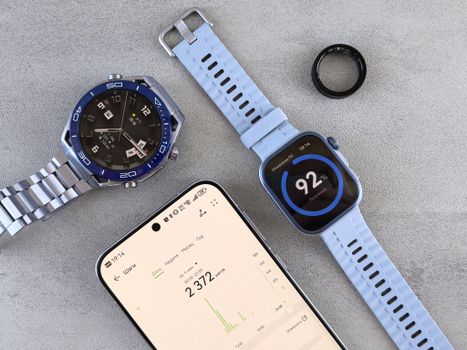
Use this before you purchase. If you can answer these questions confidently, you’re much more likely to end up with a wearable that truly supports recovery.
Step 1: Confirm nightly HRV tracking
- Does the device provide HRV every morning or after sleep?
- Is the HRV metric clearly defined (e.g., RMSSD) or at least described?
- How often is HRV missing in typical usage?
Step 2: Check comfort and fit for overnight wear
- Can you wear it through the night without adjusting constantly?
- Does the strap allow stable contact on your wrist shape?
- Are there reports of shifting during sleep?
Step 3: Evaluate battery life for consistent monitoring
- Will it last at least 3–5 days between charges?
- If it doesn’t, can you charge at a consistent time without losing the sleep window you care about?
Step 4: Look for supporting metrics that make HRV usable
- Does it track resting heart rate?
- Does it provide sleep stage breakdown or at least sleep duration and quality?
- Is there a stress/recovery summary that explains the driver of changes?
Step 5: Decide if you want chest strap compatibility
- Does it support external HR/HRV sensors via Bluetooth?
- If you’re serious about accuracy, do you plan to use a strap during workouts or recovery sessions?
Step 6: Make sure the app workflow matches your habits
- Can you quickly see HRV trend direction (up/down) each day?
- Can you compare HRV with sleep and resting HR?
- Do you want coaching-style guidance, or do you prefer raw data?
Step 7: Plan your first 2 weeks of use
Even the best wearable needs a baseline. For most people, the first 10–14 days are “learning mode.” Use that time to build your personal understanding of how HRV responds to your training and lifestyle.
Practical approach:
- Keep training mostly consistent for the first week.
- Note clear variables: late nights, alcohol, travel, missed sleep, big workout days.
- Watch for repeated patterns, not single events.
Final buyer guidance and smart recommendations
If your goal is better recovery decisions, your buying priority should be straightforward: choose the wearable that gives you consistent nightly HRV, clear trend visibility, and an app workflow you’ll check every morning.
When you want sleep-first HRV with simple recovery insights
If you’re mainly focused on nightly recovery and sleep context, devices designed around sleep tracking tend to be a strong fit. For example, Oura is commonly chosen by people who want a clear recovery narrative tied to sleep and readiness. It’s often appealing if you want to interpret HRV in a lifestyle training context rather than a hardcore sports dashboard.
When you train with structured intensity and want readiness guidance
If you do structured endurance or mixed training and want your readiness signal tied to training decisions, consider platforms like Garmin, which offer readiness-style metrics and deep training features. For many athletes, the value is combining HRV trends with training load and daily readiness so you can adjust intensity without overthinking.
When you prefer a recovery-first wearable experience
If your priority is recovery summaries and making “go/no-go” decisions, Whoop is designed around that concept. People who dislike analyzing raw charts often find that recovery-focused presentation helps them act quickly. If you want HRV monitoring as part of a broader recovery system, this can be a good match.
How to set expectations for accuracy
Remember: consumer wearables are estimating HRV from optical data. That means your device is most valuable for:
- Tracking your own trends
- Spotting changes that correlate with how you feel
- Guiding training adjustments across days
If you want a more “medical-grade” approach, you can add a chest strap for higher-quality R-R interval timing during key sessions. But for most buyers, the best outcome comes from consistency and interpretation—not chasing a perfect number.
Your best next step
Before you buy, decide what “good” looks like for you. For HRV recovery monitoring, “good” usually means:
- You get HRV every morning from sleep
- The wearable fits comfortably enough that you wear it consistently
- Your app makes it easy to see HRV direction and connect it to sleep/resting HR
- You can build a baseline within 2 weeks and use it to adjust training
If you match those requirements, you’re well on your way to choosing the best wearable for HRV recovery monitoring for your routine—one that helps you train with confidence instead of guesswork.
16.02.2026. 10:15