

CGM Time in Range Explained

What “time in range” means on a CGM
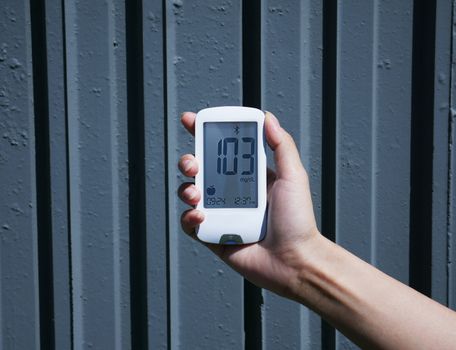
Continuous glucose monitoring (CGM) has made it easier to look beyond single blood sugar readings. Instead of focusing only on occasional fingerstick values, CGM provides a detailed picture of glucose trends throughout the day and night. One of the most useful summary metrics from CGM is time in range: the percentage of time your glucose stays within a target range.
Time in range is commonly reported for adults and children with diabetes as part of modern diabetes care because it reflects overall day-to-day glucose control and helps clinicians and patients see whether glucose is spending more time too high, too low, or within target.
In practical terms, CGM time in range explained means understanding three things: the specific glucose thresholds being used, how CGM calculates the percentage of time, and how to interpret the results in the context of trends, meals, activity, and sleep.
How CGM time in range is calculated
CGM time in range is calculated by comparing CGM readings to a defined target glucose interval. The CGM system collects glucose values at regular intervals (often every 5 minutes). Those values are then categorized as either inside or outside the target range.
The metric is typically expressed as a percentage:
- Time in range (%): the proportion of CGM readings that fall within the target interval.
- Time below range (%): readings below the lower threshold.
- Time above range (%): readings above the upper threshold.
Because CGM data are time-stamped, the calculation is inherently time-based rather than count-based. For example, if glucose is within range for 10 hours in a day, time in range for that day is roughly 10/24 (about 42%), assuming sufficient CGM wear time and data capture.
It’s important to note that time-in-range accuracy depends on CGM reliability and data coverage. If the sensor is not worn long enough, or if readings are frequently missing, the calculated percentages may be less representative of typical glucose patterns.
Common time-in-range thresholds and why they vary

Time in range is always defined relative to specific glucose thresholds. Those thresholds can vary depending on age, pregnancy status, comorbidities, and individualized care goals. Many clinical frameworks use ranges such as:
- Standard adult target (often used in practice): 70–180 mg/dL (3.9–10.0 mmol/L)
- Lower safety threshold categories: time below 70 mg/dL is often tracked, and some systems also track more severe hypoglycemia thresholds
- Higher thresholds: time above 180 mg/dL is commonly tracked, and some frameworks further categorize higher levels (for example, above 250 mg/dL)
These thresholds are not one-size-fits-all. A clinician may adjust targets for a person who has frequent hypoglycemia, a history of severe lows, limited hypoglycemia awareness, or special circumstances such as pregnancy. When interpreting CGM time in range, the first question should be: what thresholds were used in the report you’re looking at?
CGM platforms and reports often display both time in range and time outside range, and the exact cutoffs can differ slightly between systems or reporting standards. Confirming the thresholds used in your report helps prevent misinterpretation.
What counts as “time below range” and “time above range”
Time in range is only one part of the story. Two additional metrics—time below range and time above range—provide context about safety and risk.
Interpreting time below range
Time below range highlights hypoglycemia exposure. Even if time in range is reasonably high, frequent dips below the lower threshold can signal that insulin dosing, meal timing, carbohydrate coverage, or activity patterns may need adjustment.
Clinically, time below range is often considered alongside:
- How low glucose goes (magnitude of lows)
- How long
- How often
- Whether lows occur during specific times such as overnight, post-meal, or after exercise
CGM alerts can also influence behavior. If you repeatedly respond to alerts, you may see changes in post-treatment glucose patterns, which can affect both time below and time above range later.
Interpreting time above range
Time above range reflects hyperglycemia exposure. Persistent time above the upper threshold can indicate inadequate insulin or medication effect, carbohydrate intake patterns that are difficult to cover, or glucose rise that is not managed early enough.
Time above range can be particularly informative when you look at patterns:
- Post-meal spikes that start 1–3 hours after eating may suggest timing or dosing mismatch.
- Overnight elevation may point to basal insulin adequacy or evening meal composition.
- Late-afternoon or evening rises may correlate with reduced activity, stress, or circadian effects.
Why CGM time in range matters more than single readings
Single glucose readings can be misleading because glucose is dynamic. A fingerstick or a single CGM snapshot does not show whether glucose is steadily improving, repeatedly fluctuating, or spending most of the day outside target.
Time in range captures the overall balance of glucose control over time. It also helps address two common challenges:
- Overcorrection and rebound: If someone treats lows aggressively, they may spend more time above range afterward.
- Hidden variability: Glucose can swing between high and low values while a few isolated readings appear “acceptable.” Time in range reveals this variability.
For many people, time in range offers a clearer target for day-to-day management than chasing individual numbers. It also supports more meaningful conversations with clinicians because it summarizes the full CGM picture.
How to interpret your time-in-range report day to day
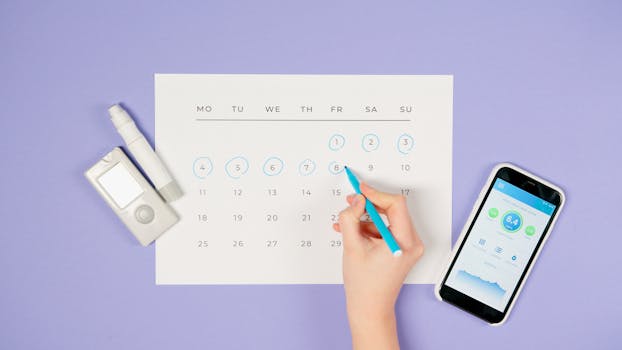
Time in range is most useful when you interpret it with the full CGM context: trends, event markers, and patterns across multiple days.
Look at the coverage first
Before interpreting results, check sensor wear time and data completeness. Many reports include an “active time” or similar indicator. If data coverage is low, time-in-range percentages may not reflect typical glucose.
Use patterns, not single-day perfection
Glucose is influenced by many factors—meals, physical activity, stress, illness, menstrual cycle, travel, and sleep. A single day with a low or a high may be explainable and not necessarily a sign of a persistent problem.
Instead, compare patterns across several days:
- Are lows clustered in the same time window?
- Do highs consistently occur after particular meals?
- Does overnight glucose drift upward over time?
- Do activity days show different post-exercise behavior?
Connect time-in-range results to real-life events
Most CGM systems allow you to add notes or link events such as meals, exercise, insulin doses, or symptoms. Even without perfect logging, you can often identify patterns by remembering what happened on days with poor time in range.
For example:
- If time below range increases after exercise, you may need to adjust carbohydrate intake or medication timing around activity.
- If time above range increases after dinner, meal composition or dosing timing may need refinement.
- If time in range drops overnight, basal insulin or late-night eating patterns may be relevant.
Practical guidance to improve time in range safely
Improving time in range is not about pushing glucose into range at all costs. It’s about reducing avoidable time above and below target while maintaining safety. The most effective changes are usually small, targeted, and informed by patterns in the CGM data.
Use trend arrows and rate-of-change
CGMs often display trend arrows that indicate whether glucose is rising, falling, or staying stable. Time in range tells you where glucose was; trend information helps you anticipate where it will go next. For example, if glucose is trending down after a meal bolus, you may be at risk for a later dip.
Reassess meal timing and carbohydrate coverage
Post-meal glucose excursions are a common driver of time above range. Consider whether insulin or medication action matches the timing of carbohydrate absorption. Even small adjustments—such as pre-meal timing, meal composition, or portion consistency—can change the length and height of the post-meal rise.
Carbohydrate quality also matters. Meals with higher glycemic load can increase the time spent above range even when total carbohydrate amount seems similar.
Account for exercise effects
Physical activity can lower glucose, sometimes during exercise and sometimes later depending on intensity and duration. If your CGM shows more time below range after certain workouts, it may be necessary to plan carbohydrate intake or adjust medication timing around those sessions. Overnight activity effects can also appear as early morning lows.
Review overnight patterns
Overnight time outside range is especially important because you may not notice symptoms of hypoglycemia. If your CGM reports reduced time in range at night or increased time below range, discuss potential basal insulin or dosing pattern adjustments with your healthcare team.
Don’t ignore sensor issues
CGM accuracy can be affected by sensor placement, compression lows, rapid glucose changes, dehydration, or interference. If your time-in-range results seem inconsistent with symptoms or fingerstick checks, consider whether sensor function or calibration may be relevant.
In many cases, improving “time in range” starts with ensuring your CGM data are reliable enough to guide decisions.
Common pitfalls when using CGM time in range
Time in range is a powerful metric, but it can be misused. Awareness of these pitfalls helps interpret results correctly.
Chasing a percentage without addressing safety
Some people may focus on increasing time in range while ignoring time below range. A high time-in-range percentage can still coexist with significant hypoglycemia exposure. The goal is balanced improvement: more time in range and less time outside range, especially below target.
Comparing reports without matching thresholds and time windows
Time-in-range calculations depend on the thresholds used and the period reported (for example, 14 days vs. 30 days). If you compare reports, ensure the same target thresholds and analysis window are being used.
Overreacting to normal day-to-day variation
Glucose patterns fluctuate naturally. A single sensor failure day or a holiday meal can temporarily change time-in-range metrics. A better approach is to look at trends over multiple days and interpret changes in the context of what happened.
How clinicians use time in range for care planning

In clinical practice, time in range can support medication planning, insulin adjustments, and risk assessment. It can also help evaluate whether a change improved glucose stability rather than only shifting one reading.
Clinicians often review:
- Time in range for the chosen target interval
- Time below range and the severity of lows
- Time above range and the distribution of highs
- Patterns by time of day (morning, afternoon, overnight)
- Variability and trends shown by CGM graphs and event markers
This approach supports more nuanced decisions. For example, two people may have the same average glucose but different time in range and different hypoglycemia exposure. Time in range helps differentiate those situations.
Prevention guidance: keeping time in range stable over time
Once time in range is improved, maintaining it usually requires ongoing attention to routines and early detection of pattern drift. Glucose control can change with seasons, schedules, stress levels, illness, and changes in activity.
Preventive habits that often support stable time in range include:
- Consistent CGM wear so trends are reliable
- Regular review of patterns rather than waiting for a major problem
- Planning for known glucose-changing events such as travel, holidays, or exercise changes
- Prompt attention to sensor alerts and symptoms so time below range doesn’t accumulate unnoticed
- Checking alignment between meals, medication timing, and CGM trends
If time in range declines unexpectedly—especially if time below range increases—treat it as a signal to investigate rather than a reason to ignore the data. Discussing CGM findings with a healthcare professional can help translate patterns into safer, more targeted adjustments.
Summary: CGM time in range explained in one clear framework
CGM time in range explained comes down to a simple idea: it measures how much of the day glucose stays within a defined target interval. It’s calculated by comparing time-stamped CGM readings to threshold cutoffs, then reporting the percentage of time in range along with the time spent below and above target.
To use it well, confirm the thresholds used in your report, check data coverage, and interpret results through patterns—especially by time of day and in relation to meals, activity, and sleep. Most importantly, aim for balanced improvement: more time in range while reducing both highs and lows. With consistent CGM wear and thoughtful pattern review, time in range becomes a practical metric for safer, more stable glucose management.
04.12.2025. 23:27