

Resting Heart Rate Variability Metric: Myths, Facts, and How to Use It

What the resting heart rate variability metric is (and what it isn’t)
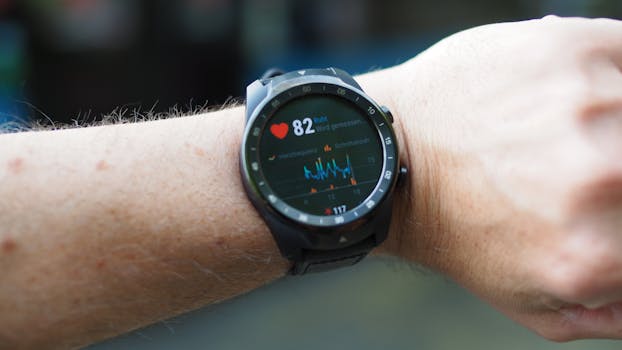
The resting heart rate variability metric is one of the most discussed numbers in wearable health, yet it’s also one of the most misunderstood. People often treat it like a direct score of “fitness,” “recovery,” or “stress level.” In reality, heart rate variability (HRV) is a window into how the autonomic nervous system regulates heart rhythm. The “resting” portion simply refers to measuring HRV during a relatively calm state—usually at night, upon waking, or during a period of inactivity.
Because HRV is influenced by breathing, sleep stage, body position, hydration, illness, caffeine, alcohol, training load, and even the way sensors detect heartbeats, the resting HRV metric is best understood as a trend indicator rather than a universal health grade. This myth-busting guide explains what’s true, what’s commonly exaggerated, and how to interpret HRV from wearables in a practical, evidence-aligned way.
Myth 1: Higher resting heart rate variability always means you’re healthier
Reality: Higher HRV can be associated with better autonomic balance and recovery in many contexts, but “always” is where the myth breaks down.
HRV is dynamic. If you’re adapting to training, fighting a virus, experiencing poor sleep, or returning from illness, HRV may change in either direction depending on timing and measurement conditions. Some people see HRV drop during a stressful week and rebound after improved sleep; others might show a different pattern based on baseline physiology and how their wearable calculates HRV.
What matters most is whether your HRV behaves consistently for you. A single high reading is less informative than how your resting HRV shifts over days and weeks.
Myth 2: The resting HRV metric directly measures stress
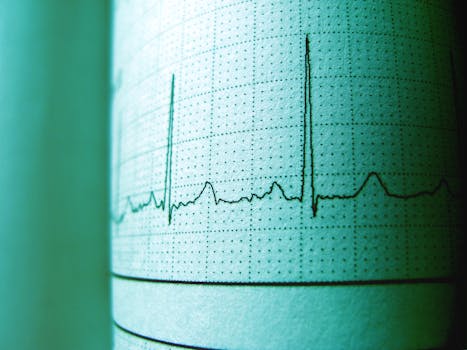
Reality: HRV relates to autonomic regulation, which can reflect stress physiology, but stress is not the only driver.
Your heart rhythm is affected by multiple systems at once—sympathetic activity, parasympathetic activity, respiration, and sleep architecture. Breathing rate and depth can strongly influence HRV, especially when HRV is measured during sleep or quiet wakefulness. That means a “stress” interpretation can be incomplete if you ignore sleep quality, nighttime awakenings, caffeine timing, or nasal congestion.
If you want to connect HRV changes to stress, look for a pattern: HRV consistently decreases on days with poor sleep, higher perceived stress, or demanding schedules. Even then, HRV is better described as a marker of autonomic balance rather than a direct stress thermometer.
Myth 3: Wearable resting HRV is a medical-grade test
Reality: Wearables provide useful estimates, but they are not equivalent to clinical instrumentation.
Most consumer devices estimate HRV using wrist-based photoplethysmography (PPG). PPG can be affected by motion, skin contact, temperature, and signal quality. Many devices also compute HRV in different ways (time-domain versus frequency-domain concepts, different window lengths, and different artifact handling rules). The result is that two wearables can show different HRV values and even different “trends” for the same person.
This doesn’t make the metric useless—far from it. It means you should interpret HRV within the same measurement system. If you switch devices or straps, expect that your baseline may shift.
Myth 4: Resting HRV tells you exactly when you’re fully recovered
Reality: HRV may correlate with recovery, but it can’t guarantee readiness.
Training adaptation involves many factors: muscle repair, glycogen status, nervous system fatigue, sleep quantity and quality, and overall energy availability. HRV can reflect aspects of autonomic recovery, but it’s one piece of a larger puzzle.
Over-relying on HRV can lead to confusion. For example, HRV might drop because of a late-night meal, alcohol, or a minor illness even if you feel fine. Conversely, HRV might remain stable while you’re still accumulating fatigue that affects performance.
A more reliable approach is to use HRV as context: if your resting HRV is trending down for several days alongside rising perceived exertion, disrupted sleep, or persistent soreness, it may be a sign to adjust training. If HRV is stable and your sleep and energy are good, a planned workout may be more likely to feel right.
Myth 5: You can compare your resting HRV metric to other people
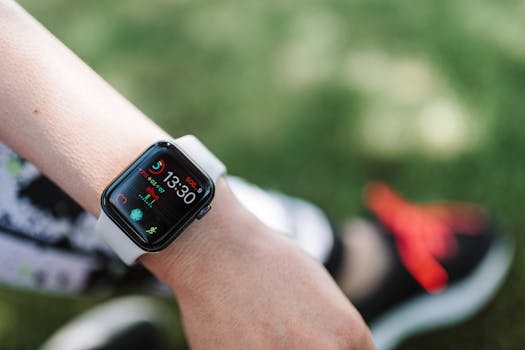
Reality: HRV is highly individual, and “normal” ranges vary widely.
Genetics, age, sex, fitness history, baseline autonomic tone, and even measurement protocol influence HRV. Because wearables differ in how they detect beats and compute HRV, cross-person comparisons can be misleading.
Instead of asking whether your HRV is “high” or “low,” focus on your baseline. Many people do best by establishing a baseline over a few weeks and then watching for meaningful deviations from their own typical pattern.
What “resting” means in practice: common measurement windows
Wearables often label HRV as “resting” when they capture data during low-activity periods. Depending on the device and settings, this might include:
- Nighttime HRV: often measured across sleep, sometimes with emphasis on specific sleep stages.
- Morning HRV: measured after waking, before major movement.
- Inactivity windows: HRV calculated when the device detects low motion and stable signal quality.
These windows matter because HRV differs across sleep stages and changes with breathing patterns. If your wearable uses nighttime HRV one week and morning HRV another week (due to settings, signal quality, or how you wear the device), the metric may shift for reasons unrelated to your recovery.
How wearables calculate HRV: why the number can move without illness
Even with the same device, HRV can vary from day to day. Common contributors include:
- Breathing: slower, deeper breathing often increases HRV signals tied to respiratory rhythm.
- Sleep quality: fragmented sleep and frequent awakenings can reduce HRV.
- Hydration and electrolytes: dehydration can affect cardiovascular regulation and perceived strain.
- Caffeine and alcohol: timing and dose can alter autonomic balance and sleep.
- Illness and inflammation: HRV can change early, sometimes before obvious symptoms.
- Sensor contact and movement: loose fit, cold skin, or nighttime wrist motion can reduce signal quality.
Many devices also apply filters to remove motion artifacts. If the sensor detects poor signal, the wearable may interpolate or report fewer valid data segments. That can create apparent changes in your resting HRV metric even when physiology is stable.
Practical guidance: how to interpret your resting HRV trend
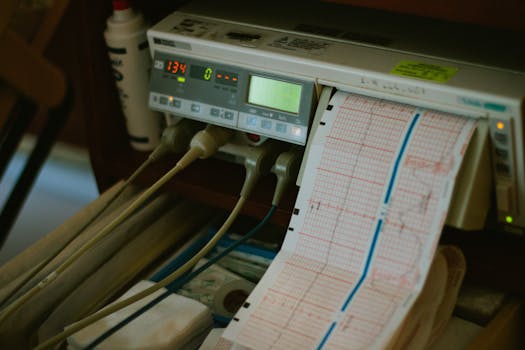
If you’re using HRV from a wearable, the goal is to interpret trends rather than single readings. A practical approach:
- Track consistency first: keep the device position and tightness similar, and wear it on the same wrist if possible.
- Look for multi-day patterns: consider changes that persist for several days rather than one-off swings.
- Pair HRV with context: compare HRV with sleep duration, bedtime consistency, training intensity, and how you feel.
- Use a baseline: establish what “typical” looks like for you over a few weeks.
- Watch for meaningful deviations: a drop that aligns with poor sleep, higher stress, or soreness is more actionable than a drop that occurs with otherwise good recovery.
For example, if your resting HRV declines for three consecutive mornings and your sleep has been shorter and lighter, it may be reasonable to reduce training intensity or add recovery time. If your resting HRV dips after a late-night event but rebounds after a good night of sleep, the change may be situational rather than a long-term recovery problem.
Using resting HRV responsibly: what to do when the metric conflicts with how you feel
HRV can sometimes conflict with your subjective readiness. Instead of treating either data stream as absolute, treat them as complementary signals.
If HRV is low but you feel strong, consider whether measurement conditions changed—tightness, sensor contact, sleep timing, alcohol/caffeine, or unusual breathing patterns. If HRV is low and you also feel off, it’s more likely that your body is signaling reduced recovery capacity.
Also remember that HRV is not a substitute for medical evaluation. Seek professional guidance if you have concerning symptoms such as chest pain, fainting, unexplained shortness of breath, or persistent palpitations. HRV trends are informative, but they are not diagnostic.
Products and platforms: what to look for without treating the metric as identical
Wearables from major brands often provide an HRV feature and label it as “resting” or “HRV status.” Examples include Garmin’s HRV-related recovery insights, Fitbit’s HRV reporting, Apple’s HRV data as part of health metrics, and Oura’s readiness-style interpretations. While these systems can be helpful, the key point is that the resting heart rate variability metric is not standardized across ecosystems.
When using any platform, review how it defines the measurement window, how it handles signal quality, and how it presents trends (raw HRV versus normalized scores). The most reliable strategy remains the same: interpret changes within the same device and settings, and use them alongside sleep and training context.
Summary: the myth-busting takeaway for resting HRV
The resting heart rate variability metric can be a powerful tool for understanding your autonomic state, but it’s often oversold and misinterpreted. Higher HRV isn’t universally “better,” HRV isn’t a direct stress meter, and wearable values aren’t medical-grade tests. The most evidence-aligned use is to focus on your personal baseline and track trends over time while accounting for sleep, breathing, sensor quality, and lifestyle factors.
Use HRV as an informational signal, not a verdict. When the metric shifts in a pattern that matches your sleep and how you feel, it can guide practical recovery decisions. When it doesn’t, first check measurement conditions and context before drawing conclusions.
Prevention and best practices to reduce misleading HRV readings
To make your resting HRV data more trustworthy:
- Wear consistently: similar tightness and placement each day.
- Protect signal quality: avoid wearing too loose; keep the device comfortable in cold conditions.
- Stabilize your routine: consistent sleep timing improves interpretability.
- Mind major confounders: note alcohol, late caffeine, travel, and illness.
- Don’t chase single data points: prioritize multi-day trends and corroborating signals.
07.05.2026. 07:06