

Sleep SpO2 vs HRV: What They Reveal About Recovery

Why sleep SpO2 and HRV matter for recovery
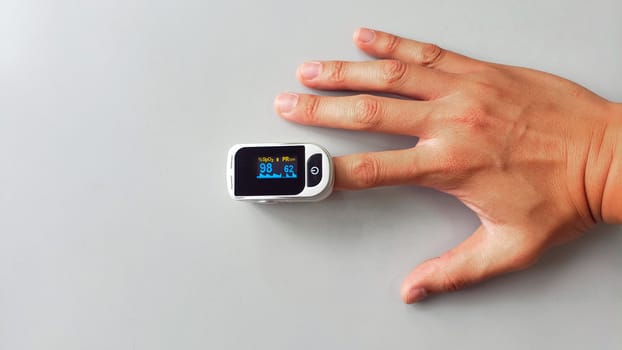
Sleep is where the body restores energy, regulates inflammation, and supports cardiovascular and nervous system recovery. Wearables increasingly report two metrics that appear to describe “sleep quality” from different angles: sleep SpO2 (blood oxygen saturation during sleep) and HRV (heart rate variability, typically derived from changes between heartbeats). Although both can be influenced by sleep and stress, they are not interchangeable. SpO2 focuses on oxygenation and breathing-related events; HRV reflects autonomic nervous system activity and how well your body is adapting and recovering.
Understanding the differences helps you avoid common misinterpretations—such as assuming that a good HRV automatically means oxygenation is normal, or that a low SpO2 reading always points to “poor sleep” without context. This guide explains what each metric measures, which signals to look for, and how to use them responsibly to support better sleep and recovery.
What sleep SpO2 measures—and what it doesn’t
SpO2 stands for peripheral capillary oxygen saturation. In most consumer wearables, it’s estimated using pulse oximetry (light-based sensors that detect blood oxygen saturation changes). During sleep, the device samples SpO2 and reports summaries such as average SpO2, minimum SpO2, time spent below a threshold, or trends across the night.
How SpO2 is estimated during sleep
Pulse oximeters rely on detecting oxygen-dependent absorption of light. Motion, cold extremities, tattoos, and poor sensor contact can reduce accuracy. Because sleep includes micro-movements and changes in circulation, SpO2 readings can be noisy—especially with wrist-based sensors. Some devices improve accuracy with multi-wavelength sensors and algorithms that filter motion artifacts, but limitations remain.
What SpO2 can indicate
Sleep SpO2 may reflect:
- Breathing efficiency: Reduced oxygen saturation can occur during hypoventilation or obstructive events.
- Sleep-disordered breathing patterns: Repeated dips can be associated with apnea or hypopnea episodes.
- Environmental or physiological factors: High altitude, illness, nasal congestion, or alcohol/sedatives can influence oxygenation.
What SpO2 cannot reliably tell you
SpO2 is not a direct measurement of apnea-hypopnea index (AHI) or a diagnosis. A low SpO2 value can result from measurement issues (cold hands, sensor placement) or normal variability. Conversely, some people with sleep-disordered breathing can have relatively preserved average SpO2, especially early on. SpO2 is best treated as a signal that may warrant deeper evaluation—not a standalone diagnostic.
What HRV measures—and why it’s tied to the nervous system
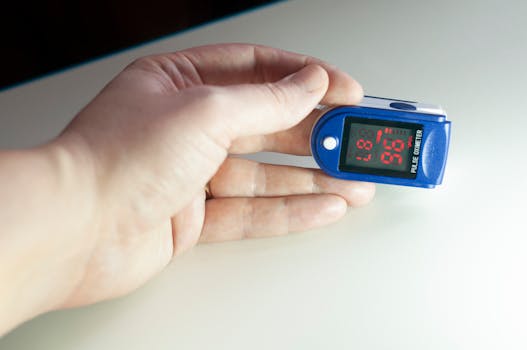
HRV describes the variation in time between consecutive heartbeats (often measured as the beat-to-beat interval). Most wearables compute HRV from electrocardiogram (ECG) or photoplethysmography (PPG) signals. During sleep, HRV is commonly summarized as an average, a nightly trend, or a nightly “readiness” score.
Why HRV changes during recovery
HRV is influenced by the balance between the sympathetic (“fight or flight”) and parasympathetic (“rest and digest”) branches of the autonomic nervous system. In general terms, higher HRV is often associated with better parasympathetic tone and recovery, while lower HRV can occur with stress, illness, poor sleep, dehydration, overreaching training, or heightened sympathetic activation.
However, HRV is individual. The same absolute HRV value can mean different things for different people, and it can vary day to day. That’s why trends and context matter more than single-night numbers.
Key HRV measurement considerations
- Metric type: HRV is sometimes reported as RMSSD, SDNN, or other indices. Wearables may use different algorithms and definitions, so cross-device comparisons can be misleading.
- Signal quality: Wrist-based HRV estimates can be affected by motion and sensor fit. ECG-based devices often provide more consistent beat detection.
- Timing: HRV can vary across sleep stages; summary values may blur these patterns.
How sleep SpO2 and HRV differ in what they reflect
SpO2 and HRV are both “sleep metrics,” but they reflect different physiological processes.
- Sleep SpO2 is primarily related to oxygen availability and breathing-related physiology. It can flag oxygen desaturation patterns, especially those linked to sleep-disordered breathing.
- HRV is primarily related to autonomic regulation and recovery. It can reflect stress load, illness, training status, and how your nervous system responds to sleep.
In practice, a night can look like any combination:
- Low SpO2 with reduced HRV: This may suggest breathing disruption plus increased physiological stress.
- Low SpO2 with stable HRV: Oxygen dips may be mild, infrequent, or masked by individual differences and measurement variation.
- Normal SpO2 with low HRV: HRV may be reduced from stress, illness, alcohol, training strain, or poor sleep architecture unrelated to oxygenation.
- Normal SpO2 with stable HRV: This pattern can indicate both adequate oxygenation and favorable recovery signals, though it still doesn’t guarantee absence of sleep issues.
Interpreting sleep SpO2 trends: averages, minimums, and “time below”
To interpret sleep SpO2, look at how the wearable summarizes the night. Many devices provide:
- Average SpO2: A broad indicator of oxygenation during sleep.
- Minimum SpO2: The lowest point reached, which may reflect brief events or noise.
- Time below a threshold: For example, minutes spent below 90% or 92% (the exact threshold varies by device).
Why the minimum can be misleading
A single deep dip can occur due to sensor motion, poor contact, or transient physiological changes that don’t represent a sustained problem. If the minimum is low but the average is stable and time-below is minimal, measurement artifacts become more likely. If the minimum is low and time-below is significant across multiple nights, that pattern is more concerning.
What “time below” often adds
Time-below thresholds can help distinguish brief noise from sustained desaturation. If your wearable shows repeated time below a clinically used level, it strengthens the case to discuss sleep-disordered breathing with a clinician.
Common causes of SpO2 dips beyond sleep apnea
- Altitude exposure: Oxygen saturation can drop at higher elevations.
- Upper airway congestion: Nasal blockage can change breathing patterns.
- Alcohol or sedatives: They can increase airway collapsibility and reduce ventilatory drive.
- Acute illness: Congestion and inflammation can affect breathing.
- Sensor issues: Cold skin, loose straps, or inaccurate placement can create false dips.
Interpreting HRV during sleep: what stable versus volatile patterns mean
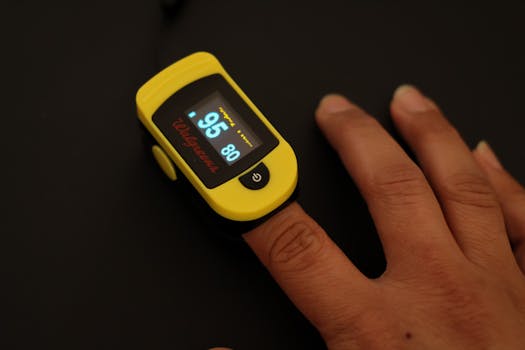
HRV during sleep is often presented as a nightly average or a trend line. The most useful interpretation usually focuses on your personal baseline and variability.
Stable HRV vs. nightly swings
- Stable HRV around your baseline: Often aligns with consistent recovery and manageable stress load.
- Consistently lower HRV: May reflect ongoing stress, illness, overtraining, poor sleep quality, or heightened sympathetic activation.
- Large night-to-night swings: Can occur with irregular schedules, inconsistent bedtime, alcohol, travel, or variable sleep disruption.
HRV and sleep stage nuance
HRV can change across sleep stages, with different autonomic patterns in lighter versus deeper sleep. Wearables often simplify this into a single nightly value. If your device provides stage-level HRV or “recovery” segments, you may get more insight. For example, low HRV concentrated in certain segments can suggest periods of arousal or breathing-related stress.
What can lower HRV without any oxygen problem
- Training strain: High intensity or insufficient recovery can reduce HRV.
- Psychological stress: Anxiety or mental load can reduce parasympathetic activity.
- Illness: Even early symptoms can shift HRV before you feel significantly unwell.
- Alcohol: Commonly disrupts sleep architecture and recovery signaling.
When the two metrics move together—and what that may suggest
It’s common for SpO2 and HRV to show related patterns during nights with breathing disruption or increased physiological stress. But correlation is not proof of cause. Still, certain combinations are more informative.
Pattern A: Repeated SpO2 dips with reduced HRV
This combination can suggest that breathing events are triggering stress responses that impact autonomic regulation. If this occurs over multiple nights, it may point toward sleep-disordered breathing or another respiratory challenge. It’s also consistent with nights where you wake up more often (even if you don’t remember waking).
Pattern B: Low SpO2 with normal HRV
This pattern can happen when oxygen dips are brief or mild, or when HRV remains resilient due to other factors. It may still warrant attention if the desaturation is repeated and significant. In some cases, HRV may be less sensitive to the specific type or duration of oxygen change—or the wearable’s HRV estimate may be affected by signal quality.
Pattern C: Normal SpO2 with low HRV
When oxygenation appears adequate but HRV is low, the likely drivers are often stress, illness, training load, or sleep fragmentation without major oxygen desaturation. This doesn’t rule out breathing issues entirely, but it shifts the focus toward nervous system recovery and sleep consistency.
How to use wearables responsibly: practical steps that improve signal quality
Before interpreting trends, improve measurement reliability. Many misleading results come from avoidable factors.
Optimize sensor fit and placement
- Wear the device snugly (not tight enough to restrict circulation) so it maintains consistent readings.
- Use consistent placement from night to night. Wrist-based sensors can drift if the strap position changes.
- Keep hands warm if you notice frequent SpO2 dropouts in cold environments.
Check for data quality indicators
Some wearables flag poor sensor contact or low-confidence readings. If your device reports low-confidence HRV or SpO2 estimates, interpret the night cautiously. If possible, focus on multi-night patterns rather than single data points.
Account for confounders
SpO2 and HRV are sensitive to factors that may not be obvious:
- Alcohol the evening before can reduce HRV and worsen breathing patterns.
- Caffeine timing can affect sleep onset and autonomic balance.
- Late meals may alter sleep quality and recovery.
- Illness can lower HRV even if SpO2 remains normal.
- Travel and schedule changes can increase HRV variability.
When to seek clinical evaluation: red flags beyond metrics
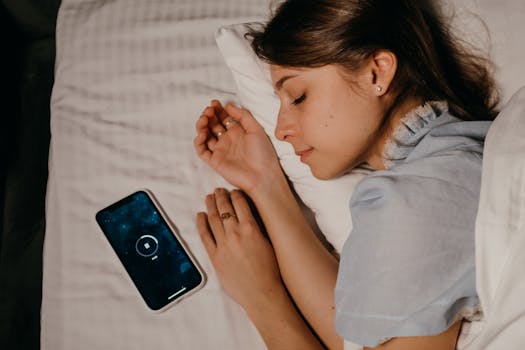
Wearables can help you notice patterns, but medical evaluation depends on symptoms and risk factors. Consider discussing sleep and oxygenation with a clinician if you observe persistent concerning patterns or have relevant symptoms.
Sleep breathing red flags
- Frequent or prolonged SpO2 time-below thresholds across multiple nights
- Repeated low minimum SpO2 with consistent desaturation patterns (not just one-off events)
- Loud snoring, witnessed breathing pauses, or gasping
- Morning headaches or excessive daytime sleepiness
HRV and recovery red flags
- HRV consistently below your baseline for extended periods without a clear reason
- New symptoms of illness (fatigue, fever, lingering soreness) alongside HRV changes
- Reduced exercise tolerance or persistent sleep disruption
Why a single metric rarely tells the whole story
A clinician may consider your SpO2 patterns alongside sleep history, physical exam, risk factors, and sometimes diagnostic testing such as a sleep study. HRV can support discussions about stress and recovery, but it is not a substitute for evaluation of oxygenation and breathing events.
How to create a meaningful “baseline” for your own SpO2 and HRV
Because individuals differ, baseline building is one of the most practical ways to use these metrics effectively.
Use a 2–4 week reference period
Track sleep consistently for several weeks, ideally with regular bedtime and similar routines. Then review:
- Your typical SpO2 average and typical time-below patterns
- Your typical HRV nightly range and how often it dips
- Whether dips correlate with alcohol, illness, travel, or heavy training
Look for repeated patterns, not isolated nights
One night of low HRV or a single SpO2 dip is not enough to conclude anything. Repeated patterns across multiple nights—especially when they align with symptoms—are more actionable.
Separate “measurement artifacts” from physiological changes
If a night shows a dramatic SpO2 drop but HRV looks typical and the wearable indicates poor sensor contact, measurement error becomes more likely. Conversely, if both metrics shift together and the same pattern repeats, it’s more likely to reflect a real physiological change.
Prevention and sleep hygiene guidance that supports both oxygenation and recovery
Even without diagnosing a specific condition, several evidence-based habits can support healthier breathing during sleep and improve nervous system recovery signals.
Reduce breathing disruption risk
- Maintain a consistent sleep schedule to stabilize breathing patterns and sleep architecture.
- Avoid alcohol close to bedtime, especially if you notice SpO2 dips or snoring.
- Manage nasal congestion (saline rinses, treating allergies when appropriate).
- Consider sleep position: some people experience more airway collapse when sleeping on their back.
Support HRV and recovery
- Prioritize regular wind-down time (dim lights, reduce intense stimulation).
- Adjust training load when HRV trends downward for multiple days.
- Hydrate and fuel appropriately—dehydration and under-fueling can affect autonomic balance.
- Reduce late-night stressors (screen time, emotionally activating conversations, or stressful work).
Use metrics as guidance, not judgment
SpO2 and HRV can be influenced by many factors. Treat them as feedback that helps you refine sleep habits and decide when professional evaluation is appropriate. Over-focusing on daily fluctuations can itself increase stress and worsen sleep quality.
Where popular wearables fit into the picture
Many mainstream wearables now estimate oxygenation and HRV. For example, devices such as Apple Watch (HRV through PPG-derived measures and sleep stages, with varying oxygen-related features depending on model/region) and Garmin (sleep tracking with HRV and related recovery metrics) can provide useful trend data. Oura and similar rings often emphasize overnight HRV and sleep staging, while some systems include SpO2 summaries.
Even with strong algorithms, these are estimations. Different brands may compute HRV differently, vary in how they handle motion artifacts, and report oxygenation summaries in distinct ways. If you’re using multiple devices, avoid direct comparisons. If you’re using one device, consistency and baseline tracking are more important than the specific number.
Summary: using sleep SpO2 vs HRV to understand recovery
Sleep SpO2 helps you monitor oxygenation and potential breathing-related disruptions during sleep. HRV reflects autonomic nervous system regulation and recovery. They can move together when breathing events trigger stress responses, but they can also diverge depending on the cause of sleep disruption.
For practical use:
- Interpret SpO2 using patterns like average and time-below rather than a single minimum value.
- Interpret HRV using your personal baseline and multi-night trends, not one-night fluctuations.
- Improve measurement quality with consistent device fit and sensor conditions.
- Pay attention to symptoms (snoring, gasping, morning headaches, excessive daytime sleepiness) and consider clinical evaluation when concerning patterns repeat.
When used thoughtfully, sleep SpO2 vs HRV can provide complementary insight: one metric points toward oxygenation and breathing physiology, while the other points toward recovery and nervous system balance. Together, they can help you make better sense of what your body experienced overnight—and what to adjust next.
12.02.2026. 04:02