

Whole-Home Water Quality Testing: What to Test First

Why “what to test first” matters for whole-home water quality
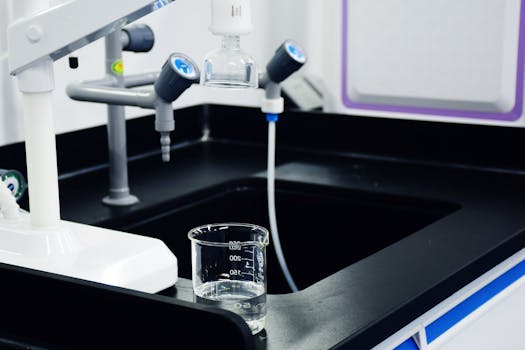
Whole-home water quality testing is most useful when it starts with the most likely risks and the most actionable measurements. Testing everything at once can be expensive and can also create confusion—especially if results overlap or if sampling conditions weren’t controlled. A structured approach helps you identify whether the issue is source-related (well or municipal), plumbing-related (pipes, fixtures, solder), or treatment-related (filters, softeners, or disinfection systems).
The goal of whole-home water quality testing is not just to collect data, but to narrow down causes and decide what to address. The order you test in often determines how quickly you can separate common, high-impact parameters from less urgent ones.
This guide walks through a practical priority sequence for whole-home water quality testing: what to test first, where to sample, and how to interpret results so you can make informed decisions.
Start with the basics: confirm your water source and system setup
Before collecting samples, document the water source and the equipment that touches water. This step prevents misinterpretation and helps you choose appropriate tests. Whole-home systems can include pressure tanks, water softeners, sediment filters, carbon filters, UV disinfection, reverse osmosis at specific taps, and sometimes multiple stages of filtration.
Key details to record:
- Water source: municipal supply or private well
- Any treatment already installed: softener type, carbon filters, UV, reverse osmosis, chlorination, or chloramine
- Approximate age of plumbing and whether galvanized pipes, old copper, or lead service lines are present
- Whether the property has a mixing valve, recirculation loop, or water heater that may affect hot-water chemistry
- Any recent changes: new filtration, repairs, pump replacement, plumbing work, or changes in taste/odor
This information guides the “first tests” because certain parameters are strongly tied to source conditions (for example, naturally occurring metals in groundwater), while others are tied to distribution and plumbing (for example, lead release from older pipes).
Test #1: Basic field parameters that reveal immediate risk and sampling quality
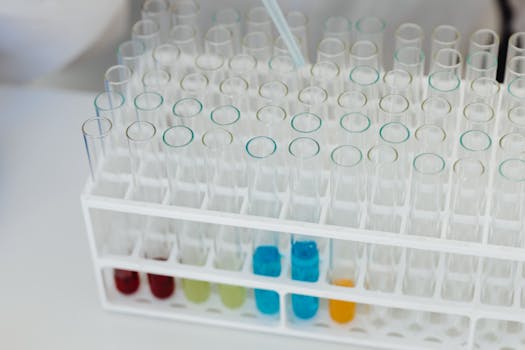
Field and near-field measurements help you understand what’s happening in the water at the time of sampling. They also help validate that samples were collected and handled properly. Even if you plan to send lab samples, these early checks can reduce uncertainty.
Prioritize these measurements in your first round:
- Free and total chlorine (or chloramine for treated municipal supplies): indicates disinfectant level and can affect corrosion control and microbial risk.
- pH: influences corrosion, metal solubility, and scaling. It also affects disinfection performance.
- Temperature: relevant for hot-water chemistry and microbial growth potential.
- Conductivity or total dissolved solids (TDS): provides a quick sense of mineral content and can help interpret metal and hardness results.
- Water clarity/turbidity: high turbidity can indicate sediment, disturbed plumbing, or inadequate filtration.
If you’re using a private well, disinfectant may be absent or intermittent, so chlorine/chloramine may read as low. That does not automatically mean the water is unsafe, but it does change what microbial testing should focus on.
When possible, take measurements at both a cold-water tap and a hot-water tap. Hot water can differ due to water heater conditions and temperature-related chemistry.
Test #2: Microbial safety—what to check before focusing on metals or aesthetics
Microbial contamination is often the most time-sensitive risk in whole-home testing. If bacteria or other pathogens are present, the concern is immediate health impact. For this reason, microbial testing is typically prioritized early, even when you suspect taste or odor issues.
Common microbial tests for home water include:
- Total coliform: a general indicator that bacteria may be present.
- E. coli: a more specific indicator of fecal contamination and higher health significance.
- Heterotrophic plate count (HPC): measures general bacterial growth potential; useful for diagnosing biofilm or treatment performance, especially in systems with storage tanks.
Sampling matters. For microbial testing, follow strict collection procedures (sterile containers, minimal time between collection and analysis, and proper flushing rules based on the lab’s instructions). If you collect poorly, you can get false positives or false negatives.
If you have a private well, microbial testing is particularly important after:
- Heavy rain or flooding
- Nearby construction
- Repairs to the well, pump, pressure tank, or plumbing
- Periods of system stagnation
If microbial results are concerning, address that first because it can also influence how other treatments should be configured.
Test #3: Lead and copper—prioritize where corrosion control is most likely to fail
Lead and copper are frequently associated with plumbing corrosion and are closely tied to water chemistry. Even when you don’t see visible issues, metals can leach from pipe materials, solder, brass components, or service lines.
Whole-home water quality testing what to test first often includes lead and copper because these results directly relate to safety and to whether corrosion control is needed. The most informative approach is to test using a “first-draw” strategy, typically from the cold-water tap after water has sat in plumbing.
Why first-draw matters:
- Metals release can be highest after stagnation
- Cold water often reflects plumbing release more clearly than hot water
- Hot water can add complexity due to water heater chemistry
In addition to lab testing, pay attention to signs that suggest corrosion or metal release, such as:
- Blue-green staining around fixtures (copper)
- White scaling or residue (mineral changes that may correlate with chemistry)
- Visible discoloration, especially after plumbing disturbances
Some homes also benefit from testing at multiple points (for example, kitchen sink and a bathroom tap) because plumbing runs can differ.
Test #4: Hardness, alkalinity, and scaling indicators that affect corrosion and treatment performance

Hardness and related chemistry don’t always show up as a direct “contaminant,” but they strongly affect how water behaves. Hardness (often calcium and magnesium) influences scale formation in water heaters and fixtures, while alkalinity and pH affect corrosion control.
Testing these parameters early helps you interpret other results. For example:
- Low pH water can increase metal leaching
- High alkalinity can increase scaling potential and influence disinfectant effectiveness
- Very high hardness can reduce the performance of some filters and contribute to biofilm in certain conditions
Common measurements include:
- Total hardness
- Alkalinity
- Calcium and magnesium (if hardness is broken down)
- pH (often already captured in the first round)
If you have a water softener, re-checking hardness and hardness-related parameters is still useful. Softener settings, resin condition, and bypass valves can change performance over time.
Test #5: Nitrate, nitrite, and other nitrogen compounds for well water and agricultural areas
Nitrate and nitrite are key for many private wells, especially in regions with agricultural activity, septic systems, or areas with vulnerable groundwater. These compounds can be more seasonal and can change after rainfall or changes in land use.
Testing priorities often include:
- Nitrate (as nitrogen)
- Nitrite (as nitrogen)
- Sometimes ammonia depending on local conditions
Because nitrogen compounds can be health-relevant (particularly for infants), this category is typically addressed before deeper investigations into less common organics—unless there are strong local reasons to prioritize those organics first.
If you know your well is near septic systems or fields, nitrate/nitrite should be among your initial “first round” tests rather than an afterthought.
Test #6: Volatile and semi-volatile chemicals when there’s a reason to suspect them
Certain chemical contaminants are not as likely as microbes, lead/copper, or basic mineral parameters. However, if there are credible reasons—such as proximity to industrial sites, known contamination in the area, use of solvents or fuels nearby, or a history of chemical odors—testing for volatile organic compounds (VOCs) becomes more urgent.
Whole-home testing may include VOCs such as:
- Trichloroethylene (TCE)
- Perchloroethylene (PCE)
- Benzene, toluene, ethylbenzene, and xylene (BTEX)
Semi-volatile compounds and pesticides can also be relevant depending on local land use. At this stage, the “first tests” are guided by risk context rather than by a blanket assumption that every home needs a full chemical screening panel.
How to decide whether chemical testing belongs in your first round:
- Local advisories or known groundwater contamination
- Strong, persistent chemical odors or unusual taste
- History of fuel storage tanks, dry cleaners, metal degreasing, or similar activities nearby
- Previous lab results that show elevated indicators
If none of those apply, you can often start with microbial, metals, and nitrogen compounds first, then expand only if results justify it.
Test #7: Taste, odor, and disinfection byproducts—use targeted tests rather than guesswork

Taste and odor issues are common and often drive the decision to test. But odor doesn’t always point to the specific contaminant. For example, sulfur-like smells can come from different sources than musty or earthy odors, and “chlorine smell” can reflect disinfectant levels rather than a harmful contaminant.
Useful tests for this category depend on what you’re noticing:
- Hydrogen sulfide or related sulfur compounds for rotten egg odors
- Iron and manganese when water appears reddish, brownish, or black (especially when hot water is affected)
- Specific disinfection byproducts if you suspect issues related to chlorination or chloramine systems
For municipal supplies, many byproduct concerns are managed at the utility level, but private wells and homes with special treatment can still require targeted analysis.
Because these tests can vary widely in cost and specificity, it’s often more efficient to tie odor-driven concerns to likely causes and to confirm with lab results rather than trying to interpret odor alone.
Where to sample in a whole-home plan: cold, hot, and representative locations
Sampling locations strongly influence what you learn. Whole-home testing should reflect the pathways water takes through your plumbing and treatment. A single sample from one faucet can miss issues confined to hot water, specific branches, or certain plumbing materials.
Common sampling strategy:
- Cold-water first-draw from the kitchen or bathroom sink (helps assess plumbing release of metals)
- Hot-water sample after water heater conditions stabilize (useful for comparing hot vs cold)
- One additional cold-water tap on a different plumbing run, if feasible (helps identify localized issues)
- If you have a whole-home filter, consider sampling before and after filtration if the system allows safe access and if the lab’s instructions permit it
For homes with a water softener, it can be helpful to sample at points that represent untreated and treated water, but this should follow safe handling practices and lab guidance.
Always follow the sampling instructions for each test type. Microbial sampling and chemical sampling often require different handling and container types.
How to interpret results without overreacting
Lab reports can be detailed, and it’s easy to focus on a single number without context. Interpretation should consider:
- Whether results were measured as total vs dissolved (important for metals and particulates)
- Whether results reflect first-draw vs flushed water
- Whether the test indicates a chronic issue or a one-time event
- Whether your home has treatment that could change concentrations
Some contaminants fluctuate with plumbing changes, seasonal groundwater shifts, or treatment performance. If results are borderline or unexpected, repeat testing—using the same sampling method—can clarify whether the finding is consistent.
Also note that “detectable” does not always mean “unsafe.” Many labs report trace levels, and the health significance depends on measured concentration, exposure patterns, and regulatory benchmarks relevant to your location.
If you’re unsure how to interpret a specific parameter, a qualified water testing professional or local public health guidance can help translate results into practical next steps.
Common whole-home testing pitfalls that distort “what to test first” decisions
Even a well-chosen testing plan can fail if sampling and system context are mishandled. Watch for these pitfalls early:
- Skipping microbial testing because the water “looks fine”
- Testing only hot water when the suspected issue is plumbing corrosion that’s more evident in first-draw cold water
- Using the wrong sampling containers or incorrect preservation methods for chemicals
- Collecting samples after flushing when lead/copper release is likely highest after stagnation
- Ignoring disinfectant context (chlorine vs chloramine) when interpreting microbial and byproduct results
- Not accounting for treatment bypasses or filter changes close to the sample date
These issues are exactly why the “first round” should include basic field parameters and microbial safety before you expand into more complex testing.
Planning your next steps after the first round of tests
Once you have initial results for key priorities—field parameters, microbes, lead/copper, nitrogen compounds (for relevant sources), and basic mineral chemistry—you can decide whether additional testing is warranted.
Examples of what might trigger follow-up testing:
- Microbial positives leading to tests that evaluate biofilm, disinfectant effectiveness, or system integrity
- Elevated lead/copper prompting corrosion-related testing such as water chemistry adjustments and additional sampling locations
- Nitrate/nitrite concerns requiring repeat sampling and source investigation
- Persistent odor or discoloration leading to targeted tests for sulfur compounds, iron/manganese, or specific organics
In some cases, you may not need broad panels. In others, targeted chemical testing can save time by focusing on the contaminants most relevant to your local risk conditions.
Prevention guidance: reduce risk while testing is underway
Testing takes time, and during that window it’s reasonable to reduce exposure if there are signs of contamination. Prevention guidance should be practical and aligned with the risk indicated by early findings.
General steps that can help while you wait for results:
- If you notice significant discoloration or suspect contamination, avoid using that water for drinking and cooking until results confirm safety.
- For suspected lead release, consider using cold water for first-draw concerns and follow first-draw sampling guidance if you’re testing lead/copper.
- Maintain known treatment equipment according to service intervals and verify bypass valves are in the correct position.
- Keep records of filter changes, water heater maintenance, and any plumbing repairs so you can connect results to system events.
For homes with private wells, preventing contamination at the source—wellhead protection, proper sealing, and attention to drainage—often reduces the need for repeated emergency testing.
Summary: a priority sequence for whole-home water quality testing

If you’re planning whole-home water quality testing what to test first, a smart order is usually:
- Confirm system context (source type, treatment, plumbing age, and recent changes)
- Measure basic field parameters (pH, disinfectant level, conductivity/TDS, turbidity)
- Test microbial safety early (total coliform, E. coli, and sometimes HPC)
- Include lead and copper using first-draw cold-water sampling
- Assess mineral chemistry (hardness/alkalinity) to interpret corrosion and scaling behavior
- Test nitrogen compounds (nitrate/nitrite) for wells and vulnerable areas
- Add targeted chemical and odor-related tests when risk indicators justify them
This approach helps you focus on the results that are most likely to be both health-relevant and actionable. It also prevents the common problem of collecting too many data points without a clear pathway to diagnosis.
With a structured first round, you can expand testing only when it’s supported by the initial findings—making whole-home water quality testing more efficient and more meaningful.
29.12.2025. 06:51