

EMF Myths vs Reality: Do EMF Levels Predict Symptoms?

EMF myths vs reality: why the question matters

People often ask whether electromagnetic field (EMF) levels can predict symptoms—headaches, sleep disruption, fatigue, or “electrosensitivity.” This question sits at the center of many EMF myths, because it blends two very different things: measurable physical exposure and the highly variable way symptoms can appear in daily life. In reality, the relationship between EMF exposure and symptoms is not straightforward enough to use EMF readings as a personal symptom forecast.
EMF includes non-ionizing radiation across a wide range of frequencies, from power lines and household wiring to Wi‑Fi, mobile phones, and industrial equipment. Some EMF frequencies are known to have biological effects at high exposure levels, and safety guidelines exist for preventing those effects. But predicting whether a specific person will feel symptoms based on a specific EMF meter reading is a different claim—one that research does not support in a simple, universal way.
This article breaks down the most common “EMF myths vs reality” narratives and explains what current science can and cannot say about symptom prediction.
Myth: “If EMF is high, symptoms will follow”
A common belief is that higher EMF exposure automatically leads to symptoms, and that measuring EMF levels can therefore predict what someone will feel. The reality is that symptoms are influenced by many factors besides EMF exposure. Even when EMF affects the body in measurable ways, symptom outcomes depend on dose, frequency, duration, individual physiology, context, and co-exposures.
For example, EMF exposure can vary moment to moment depending on distance from a source, shielding, building layout, and how devices are used. A single meter reading taken at one location and one time rarely captures a person’s true exposure pattern over hours or days. Symptoms, meanwhile, can be triggered by sleep loss, stress, indoor air quality, allergens, noise, dehydration, caffeine timing, medication effects, and more.
In short: EMF can be part of a broader environment, but EMF levels alone are not a reliable predictor of whether symptoms will occur.
Reality check: what EMF can do at high vs low exposure
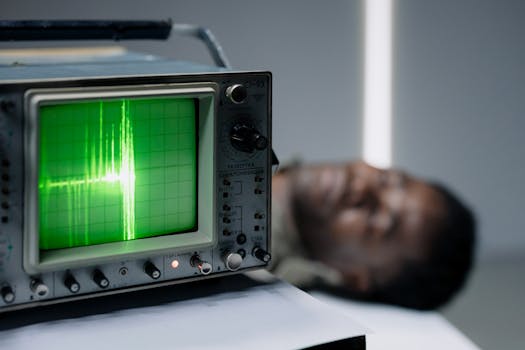
It helps to separate two ideas: (1) established physical effects at high exposure, and (2) claims about low-level exposure causing specific symptoms in everyday settings.
At sufficiently high exposure levels, some EMF frequencies can produce measurable biological effects—such as tissue heating from radiofrequency (RF) energy. Safety standards are designed to prevent harmful effects based on well-understood mechanisms and exposure limits.
At lower levels typical of consumer environments—Wi‑Fi routers, cell towers, household wiring, and mobile devices—the evidence for a direct, consistent cause-and-effect link to specific symptoms is limited and mixed. Research tends to focus on measurable health outcomes (for example, cancer risk at population levels, or established neurological effects at certain thresholds). When it comes to subjective symptoms like headaches or fatigue, findings are harder to interpret due to variability, expectations, and study design differences.
Therefore, the “predict symptoms” claim usually overreaches what the evidence can support.
Myth: “EMF meters can diagnose your sensitivity”
Another frequent myth is that an EMF meter reading can diagnose “electrosensitivity” or confirm that EMF is causing symptoms. EMF meters measure electrical or magnetic field strength, or sometimes RF power density, depending on the device. But symptoms do not map cleanly onto those measurements.
Key limitations include:
- Different frequencies require different measurement tools. A meter designed for one band may not capture another. Household environments include many simultaneous sources.
- Distance and orientation matter. Small changes in position can dramatically change readings, especially near antennas or wiring.
- Time matters. A brief snapshot may not reflect chronic exposure patterns.
- Symptoms are multifactorial. Even if a person finds a correlation between symptoms and a location, that does not prove EMF is the causal driver.
EMF meters can sometimes help identify unusually strong sources (for example, a faulty appliance, improperly installed wiring, or a device placed too close to the body). But they are not diagnostic instruments for predicting subjective symptoms.
Reality: “electrosensitivity” is real to the person experiencing it, but the cause is complex
People who report electrosensitivity often describe symptoms like headaches, dizziness, burning sensations, concentration problems, and fatigue. Importantly, the distress is real. The question is what causes the symptoms.
Research in this area has produced mixed results. Some studies find that people who report sensitivity cannot consistently detect when EMF exposure is present under blinded conditions. Other studies report correlations between self-reported symptoms and exposure, but those correlations do not always establish causality.
One reason the evidence is complex is that symptoms can be influenced by:
- Expectations and attention. When someone believes a particular environment is harmful, symptoms can intensify through stress physiology and heightened monitoring of bodily sensations.
- Nocebo effects. Negative expectations can contribute to symptom experience even without a measurable EMF mechanism.
- Other environmental factors. Indoor air issues, mold, ventilation problems, volatile organic compounds, temperature, lighting, and noise can all produce similar symptom patterns.
- Biological variability. Individuals differ in sleep quality, stress response, migraine susceptibility, and baseline health conditions.
So, while electrosensitivity is a meaningful clinical and quality-of-life concern, EMF level measurements alone do not reliably explain or predict symptom onset for every individual.
Myth: “Random symptoms prove EMF is the cause”

EMF myths often treat any symptom that overlaps with known health complaints as evidence of EMF causation. Headaches, sleep problems, and fatigue are common in the general population. They also occur with migraines, anemia, thyroid disorders, depression and anxiety, respiratory problems, dehydration, medication side effects, and vision strain.
Because these symptoms are prevalent, a perceived link between EMF exposure and symptoms can occur by coincidence. A person may move from one environment to another (for example, a different apartment, workplace, or bedroom setup), and many variables change at once—lighting, allergens, humidity, noise levels, and stress levels included.
To move from correlation to causation, evidence needs to show that symptoms change predictably when exposure changes, ideally under controlled or blinded conditions. For typical low-level EMF exposures, that kind of consistent, universal symptom prediction has not been demonstrated.
What research says about “dose” and symptom prediction
In medicine and public health, dose-response relationships are crucial. For many environmental hazards, higher exposure leads to higher risk in a predictable way. With EMF and subjective symptoms, the dose-response picture is less consistent at typical consumer exposure levels.
There are several reasons:
- EMF exposure is hard to quantify for everyday life. People use phones in bursts, move between rooms, and change device settings.
- Symptoms can have delayed onset. Sleep disruption may show up the next day, while stress reactions may appear sooner.
- Study designs vary. Some studies measure objective exposure carefully; others rely on self-report.
- Confounding factors are common. Indoor environments include multiple electromagnetic and non-electromagnetic factors.
As a result, even when studies examine EMF exposure and symptom reports, the ability to use EMF levels to predict symptoms for an individual is limited.
Practical guidance: how to evaluate EMF concerns without relying on myths
If you suspect EMF exposure is contributing to symptoms, it’s reasonable to take a structured, evidence-informed approach. The goal is not to “prove” EMF with a meter reading, but to reduce uncertainty and identify actionable environmental factors.
Start with symptom logging and timing
Track symptoms alongside relevant context: sleep duration, stress level, caffeine intake, medication changes, work schedule, and where you were spending time. If symptoms consistently worsen in one specific location or after using a specific device, that pattern is useful—even if it doesn’t confirm EMF as the cause.
Check for common non-EMF triggers first
Before assuming EMF is the driver, consider other common contributors to headaches and fatigue: poor ventilation, allergens, temperature extremes, lighting flicker, noise, dehydration, irregular meals, and migraine triggers. Many people find that correcting these factors provides clearer improvement than attempting to “zero out” EMF.
Reduce exposure using distance and duration—then reassess
Practical risk-reduction strategies often focus on simple behaviors:
- Increase distance from sources. For RF sources like mobile devices and routers, distance typically reduces exposure.
- Shorten duration. Limit prolonged talking on a phone held close to the head.
- Use hands-free options when appropriate. This changes the proximity pattern more than it changes the technology itself.
- Reconsider bedside device placement. Many people choose to keep routers and charging stations away from the immediate sleeping area.
These steps are not evidence that EMF is the cause of your symptoms. Rather, they reduce exposure in a way that is easy to test against your symptom timeline.
Use EMF measurement as a screening tool, not a diagnosis
If you use an EMF meter, treat it as a way to identify unusually strong sources and to verify that your environment is not dominated by one obvious problem. Avoid concluding that a normal reading rules out all risk, or that a high reading guarantees symptoms. In practice, meter readings are most useful for finding extreme or unexpected sources.
Where “EMF myths vs reality” intersects with modern devices

Wireless devices are everywhere, and it’s easy to assume that constant connectivity must be harmful. But exposure depends on how devices operate and how they are used. For example, Wi‑Fi routers typically transmit continuously, while mobile phones transmit in bursts and at varying power depending on signal strength.
Signal strength matters: if a phone has a stronger connection to a nearby tower or router, it may transmit differently than when the signal is weak. This variability further undermines the idea that a single EMF level can predict symptoms in a universal way.
At the same time, practical steps—like avoiding prolonged head-level phone use and improving sleep setup—can be reasonable for many people regardless of whether EMF is the primary cause of symptoms.
Prevention and safer habits: what tends to help regardless of the mechanism
Whether EMF is the main driver or not, symptom-focused prevention often overlaps with general health and environmental quality habits. If you’re dealing with headaches, sleep issues, or fatigue, these strategies are broadly supportive:
- Prioritize sleep hygiene. Consistent bedtime, dark and cool rooms, and reduced late-night screen exposure can improve symptoms even when EMF is not the cause.
- Improve indoor air quality. Ventilation, humidity control, and addressing potential mold or odors can reduce symptom triggers that mimic EMF effects.
- Reduce exposure to obvious high-intensity sources near the body. Keep larger RF sources and chargers out of direct contact zones (for example, not under a pillow).
- Manage stress and attention. Because expectations can influence symptom intensity, stress reduction and balanced information can help.
Some people also choose to use EMF-related products or accessories (such as RF-blocking phone cases, special bedding claims, or “blocking” materials). The evidence for many of these claims is inconsistent, and effectiveness depends heavily on design and installation. If you’re considering such items, treat them as environmental adjustments and evaluate results through symptom tracking rather than marketing promises.
Bottom line: EMF levels don’t reliably predict symptoms
The clearest “EMF myths vs reality” takeaway is this: measurable EMF levels are not a dependable predictor of whether an individual will experience symptoms. Symptoms are influenced by many interacting factors, and EMF exposure in daily life is complex to quantify. While high exposures at certain frequencies can have established biological effects, using typical consumer EMF readings to forecast subjective symptoms is not supported as a universal approach.
For people concerned about EMF, the most practical path is to reduce exposure in sensible, low-burden ways (distance and duration), address common indoor triggers, and reassess using careful symptom logging. That approach respects both the reality of people’s experiences and the limits of what EMF measurements can tell us.
22.02.2026. 17:14