

Binaural Beats for Anxiety and Sleep Evidence: What Research Shows

Why binaural beats are being studied for anxiety and sleep

Binaural beats are an auditory phenomenon created when two tones of slightly different frequencies are presented separately to each ear. The brain then perceives a third “beat” frequency—an internal rhythmic pattern—often described as a form of entrainment. Because anxiety and insomnia involve nervous-system arousal, researchers have explored whether binaural beats could support relaxation, reduce perceived stress, and improve sleep-related outcomes.
However, the scientific picture is not uniform. Some studies report reductions in anxiety or improvements in sleep quality, while others find mixed or modest effects. The most responsible way to interpret the evidence is to separate (1) what binaural beats can plausibly do from (2) what clinical studies have actually demonstrated and (3) how to use them safely and realistically as part of a broader sleep or stress plan.
How binaural beats work: the physiology behind the claim
The core idea is auditory processing and neural synchronization. When each ear receives a different frequency, the auditory system detects the difference and the brain’s electrical activity can show rhythmic patterns that align with the perceived beat frequency. In theory, this could shift attention, alter arousal, or influence sleep-related brain rhythms.
It’s important to clarify what “entrainment” means. In neuroscience, entrainment refers to the alignment of neural activity with a periodic stimulus. With binaural beats, the stimulus is subtle and the effects depend on many variables: the listener’s baseline state, volume, frequency, duration, and individual differences in hearing and susceptibility.
From a practical standpoint, many users experience binaural beats as calming or focusing. That subjective effect may involve a mix of neural synchronization, expectation, reduced rumination, and the relaxing context of listening through headphones in a quiet environment.
What counts as evidence: study types and outcome measures

Evidence for binaural beats comes from several research categories, each with different strengths and limitations:
- Laboratory studies often measure physiological markers (such as heart rate variability or EEG patterns) and short-term mood or stress responses.
- Randomized controlled trials compare binaural beats to control audio (silence, white noise, or different frequencies) and evaluate outcomes like anxiety scores, sleep onset latency, or self-reported sleep quality.
- Systematic reviews synthesize multiple studies but can be limited by inconsistent methods, small sample sizes, and variability in protocols.
A key challenge is that anxiety and sleep are measured in different ways. Anxiety might be assessed with validated questionnaires (e.g., state anxiety scales) or behavioral tasks. Sleep might be assessed via self-report (sleep quality questionnaires) or objective measures (polysomnography, actigraphy). When studies use different endpoints, it becomes harder to combine findings into a single conclusion.
Evidence for anxiety: what trials suggest and where results diverge
Across studies, binaural beats for anxiety and sleep evidence is most often evaluated through self-reported anxiety measures and sometimes through physiological indicators of arousal. In several randomized trials, participants exposed to binaural beats report lower state anxiety compared with control conditions. Some studies also observe changes in relaxation-related measures such as reduced stress ratings or altered autonomic activity.
That said, the magnitude of effect is often modest, and not every study finds benefits. Differences in study design can explain some of the variability:
- Baseline anxiety levels: effects may be stronger in people with higher initial stress or insomnia-related arousal.
- Frequency and session timing: protocols vary widely (for example, using lower-frequency “delta” or “theta” ranges versus other settings).
- Duration and listening schedule: benefits might require repeated sessions rather than one-time exposure.
- Control conditions: some studies use silence, others use non-binaural audio, and some use different binaural beat frequencies, which changes interpretability.
In short, the evidence for anxiety is suggestive rather than definitive. The pattern is consistent with a relaxation effect, but the research base still needs larger, better-controlled trials that standardize frequency ranges, dosing, and outcome metrics.
Evidence for sleep: improvements reported, but not always consistent
Sleep-focused research often targets three practical outcomes: (1) time to fall asleep, (2) sleep quality, and (3) overall sleep duration or continuity. In some trials, participants report improved sleep quality after listening to binaural beats, and some show reductions in sleep onset latency.
Several mechanisms could plausibly contribute:
- Reduced cognitive arousal: rhythmic audio may help shift attention away from worry and toward a steady sensory input.
- Autonomic calming: if binaural beats influence perceived relaxation, heart rate and breathing patterns may become more regular.
- Sleep-stage facilitation: because different beat frequencies are associated with different EEG bands in theory, some protocols aim to promote patterns linked with drowsiness or deeper sleep.
However, not all studies find objective improvements. When objective measures are used, results can be mixed, possibly because sleep is influenced by many non-audio factors—light exposure, bedtime routine, caffeine, stressors, and environment. Additionally, binaural beats are typically used as an adjunct, and studies may not fully control for other sleep hygiene variables.
Overall, the evidence supports the idea that binaural beats can be a helpful relaxation tool for some people, but it does not establish them as a stand-alone treatment for insomnia or anxiety disorders.
Which frequencies are used and why protocols vary

Most binaural beat protocols describe frequency “bands” intended to align with common EEG ranges. For example, some audio tracks emphasize lower-frequency beats associated (in theory) with drowsiness or sleep onset. Others use frequencies intended to support alert relaxation or focus.
Despite widespread discussion online, the research does not yet provide a single universally proven frequency target for anxiety or sleep. Studies vary in:
- Carrier tones and beat frequencies
- Session length (e.g., 10–30 minutes versus longer)
- Number of sessions (single exposure versus multi-day use)
- Whether participants are instructed to relax, meditate, or simply listen
Given this uncertainty, a practical approach is to treat frequency selection as an individualized parameter. Some people respond better to slower, more sedating-sounding protocols; others find certain frequencies irritating or distracting. That subjective response matters because binaural beats are not purely pharmacologic—they rely on perception and comfort.
Safety and side effects: what to watch for
Binaural beats are generally considered low-risk when used appropriately, but “low-risk” is not the same as “risk-free.” The main concerns involve hearing safety, discomfort, and contraindications related to neurological conditions.
- Hearing exposure: using headphones at high volume can damage hearing. Keep volume moderate and avoid long listening at loud levels.
- Discomfort or headache: some users report headaches, dizziness, or nausea, especially if beat frequencies are intense or if they are sensitive to rhythmic auditory stimulation.
- Distraction: for some people, binaural beats can feel intrusive rather than calming, which can worsen anxiety.
- Neurological conditions: individuals with epilepsy or seizure disorders should consult a clinician before using rhythmic audio interventions. While binaural beats are not the same as visual flashing, caution is reasonable for anyone with seizure sensitivity.
If you experience adverse effects, stop the audio. If symptoms are severe or persistent, seek medical advice. Safety is also influenced by device fit and sound leakage; uncomfortable headphone pressure can create stress that undermines any potential benefit.
Practical guidance: how to use binaural beats for anxiety and sleep evidence-based expectations
Because the evidence suggests a relaxation effect for some listeners, the most useful way to apply binaural beats is as a structured part of a sleep or anxiety routine—not as a substitute for proven care. Practical use should prioritize comfort, consistency, and realistic goals.
Set a clear intention for the session
For anxiety, consider using binaural beats as a short “downshift” period: listen while you practice slow breathing, progressive muscle relaxation, or a brief mindfulness exercise. For sleep, use them as a pre-sleep wind-down aid.
Expectations matter. If you listen only when anxiety is already high, you may interpret normal fluctuations as failure. Instead, try a consistent schedule for a few weeks to evaluate whether your subjective stress and sleep latency change.
Choose volume and duration conservatively
Start with moderate volume. Begin with shorter sessions (for example, 10–20 minutes) to assess comfort. If you do not feel calmer or sleepier, increase neither intensity nor duration automatically—switch protocol or stop.
Use headphones carefully
Binaural beats rely on separate input to each ear, so headphones or earphones are usually necessary. Ensure a stable fit and avoid very tight pressure. If sound leakage makes the beat less perceptible, the effect may be weaker.
Pair with core sleep hygiene
Sleep outcomes are strongly affected by behavior. Keep bedtime and wake time consistent, reduce late caffeine, and dim lights in the evening. Binaural beats may help you transition into sleep, but they cannot compensate for chronic sleep deprivation or irregular schedules.
Where “products” fit into the evidence: what to look for in audio tracks
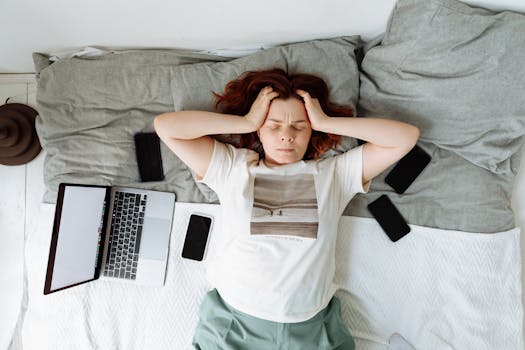
The research does not validate specific commercial brands as treatments. Still, you may encounter binaural beat recordings, apps, or downloadable tracks. When selecting audio, focus on features that support safe and consistent use:
- Clear beat description (beat frequency and/or target EEG band) and whether the track is designed for sleep onset versus relaxation.
- Reasonable volume defaults and minimal harshness or clipping.
- Stability: tracks that keep the beat consistent throughout the session may be easier to use than rapidly changing soundscapes.
- Compatibility with your routine: a simple track that you can repeat nightly is often more useful than a complex audio experience.
Some people also use noise-masking options (like broadband noise) alongside binaural beats. If you do, ensure total volume remains comfortable. If you are using any device with adjustable sound profiles, verify that you are not inadvertently increasing volume over time.
Limitations of the current research: why conclusions remain careful
The main reasons the evidence remains cautious are methodological:
- Small sample sizes in many trials reduce confidence in effect size estimates.
- Variability in protocols (frequency, duration, participant instructions) makes it difficult to determine a “best” approach.
- Subjective outcomes are common, and expectancy effects can influence self-reports.
- Control conditions are not always equivalent in perceived sound quality, which can introduce bias.
- Short follow-up: many studies assess outcomes soon after intervention rather than long-term adherence and relapse prevention.
These limitations do not mean binaural beats are ineffective. They mean the field is still building reliable, standardized evidence. For now, the best-supported claim is that binaural beats may help some individuals relax and improve aspects of sleep, particularly around sleep onset, when used consistently and comfortably.
Prevention and when to seek additional help
Anxiety and insomnia often interact with life stressors, mental health conditions, medication effects, and physical factors such as pain, reflux, or sleep apnea. Sound-based tools can be part of a broader strategy, but they should not delay evidence-based care when symptoms are persistent or severe.
- If anxiety is intense, persistent, or affects daily functioning, consider speaking with a qualified clinician.
- If insomnia lasts more than a few weeks or includes significant daytime impairment, evidence-based treatments such as cognitive behavioral therapy for insomnia (CBT-I) are often recommended.
- If you have conditions that affect sleep breathing (snoring with choking/gasping, witnessed apneas), address those medically rather than relying on audio alone.
For prevention, keep your routine consistent: use binaural beats only as long as they help you downshift, not as a crutch that replaces addressing underlying sleep drivers. If you find you need binaural beats to fall asleep every night, try gradually reducing dependence while maintaining sleep hygiene and relaxation skills.
Bottom line: interpreting binaural beats for anxiety and sleep evidence
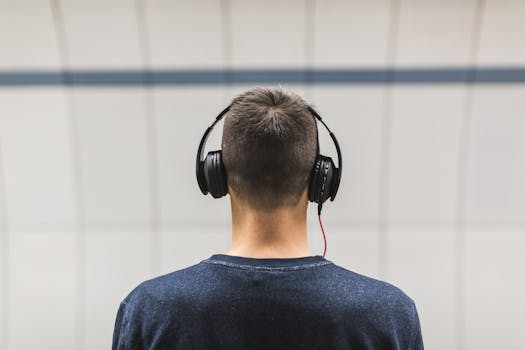
The evidence for binaural beats for anxiety and sleep evidence points toward a plausible relaxation mechanism and some reported improvements in anxiety ratings and sleep-related outcomes. Yet the research is still heterogeneous, with mixed findings and limitations that prevent firm claims about universal effectiveness.
Used thoughtfully—at comfortable volumes, with consistent routines, and alongside established sleep and stress strategies—binaural beats may be a reasonable adjunct for some people. The most evidence-aligned expectation is not that binaural beats “treat” anxiety or insomnia on their own, but that they can support a calmer mental state and make it easier to transition into sleep.
03.02.2026. 12:03