

Binaural Beats for Anxiety: Focus Evidence and What It Means for You

Why binaural beats are getting attention for anxiety and focus
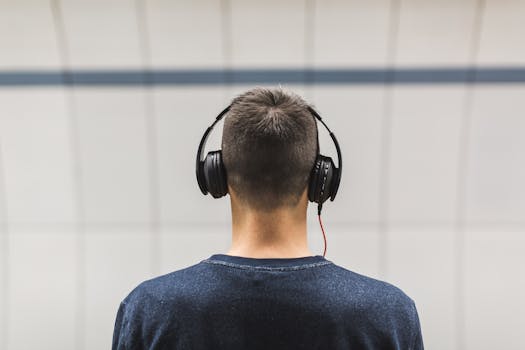
If you’ve ever tried to quiet a racing mind, you already know the problem isn’t only “feeling stressed.” Anxiety often comes with measurable changes in arousal, attention, and sleep. That’s why sound-based approaches like binaural beats have attracted interest: they promise a simple way to influence brain rhythms while you listen.
This article focuses on the evidence behind binaural beats for anxiety focus evidence—what researchers have found, where the findings are solid, where they’re uncertain, and how you can apply the information responsibly. You’ll also learn what to look for in studies, which outcome measures matter, and how to run a practical, low-risk self-test.
Important note up front: binaural beats are not a substitute for evidence-based treatment for anxiety disorders. But if you experience mild to moderate anxiety symptoms, have no contraindications to sound exposure, and you want a structured way to experiment, the research can help you choose settings and expectations more intelligently.
What binaural beats are (and what they aren’t)
Binaural beats are an auditory phenomenon created when you present two slightly different tones to each ear through headphones. Your brain then perceives a third “beat” at the difference frequency. For example, if your left ear receives 200 Hz and your right ear receives 208 Hz, the perceived beat frequency is 8 Hz.
The target is often brainwave entrainment—an idea that rhythmic sensory input can influence neural oscillations. In practice, the effect is usually described as changes in EEG rhythms, attention, or subjective state (relaxation, calmness, reduced stress). It’s not the same as directly “controlling” your brain. Your brain remains an active system that may respond differently depending on baseline anxiety, sleep quality, and listening conditions.
It also helps to distinguish binaural beats from related approaches:
- Monaural beats: a single tone with amplitude modulation to both ears.
- Isochronic tones: rhythmic pulses without requiring different frequencies in each ear.
- Music: complex harmonic and temporal structure that can affect mood and arousal, but isn’t the same targeted frequency-difference mechanism.
When you evaluate evidence, pay close attention to how the intervention was delivered: headphones vs speakers, the exact frequency difference in Hz, and whether researchers measured EEG or relied only on questionnaires.
The evidence base: what studies actually tested
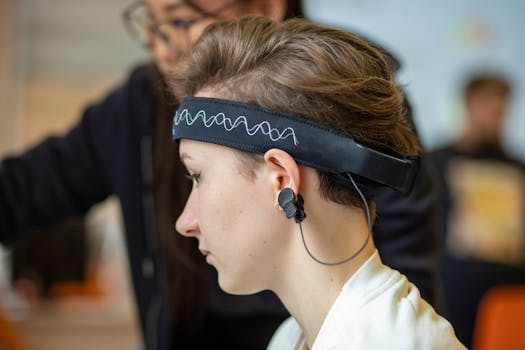
Research on binaural beats spans several categories: clinical and quasi-clinical trials, small lab studies, and broader investigations into brainwave entrainment. For anxiety, the most relevant outcomes include self-reported anxiety scales, physiological markers (heart rate variability, cortisol in some designs), and sometimes performance measures tied to attention.
Across the literature, you’ll see a common pattern:
- Some studies report reduced anxiety or improved mood after listening.
- Other studies find minimal or no effect compared with control conditions.
- Many studies are small, use short durations, or rely on subjective outcomes without long-term follow-up.
That doesn’t mean the approach is “fake.” It means the evidence is still developing. The strongest claims are usually limited to specific frequency ranges, specific listening durations, and specific anxiety-related outcomes.
To interpret the evidence responsibly, you should look for these methodological features:
- Randomization and blinding: Were participants randomly assigned to binaural beats vs a control (often a no-beat or different-frequency condition)? Were they blinded to condition?
- Active control: Did the control sound match volume, tone content, and listening experience as closely as possible?
- Outcome measurement: Did the study use validated anxiety scales (for example, state anxiety measures), or only informal ratings?
- Duration and follow-up: Did effects persist beyond the listening session (e.g., hours or days later), or were outcomes measured immediately?
- EEG confirmation: Did researchers show that the intended frequency-related changes occurred in EEG, rather than assuming entrainment?
When you see studies that include at least several of these elements, you can be more confident that the observed changes are linked to the intervention rather than expectation, relaxation from noise reduction, or general auditory distraction.
How binaural beats could influence anxiety: plausible mechanisms
There are several plausible pathways through which binaural beats might affect anxiety and attention. The key is that these mechanisms are hypotheses supported by partial evidence—not a single proven chain of cause and effect.
1) Auditory-driven changes in arousal and attention
Anxiety is partly a state of heightened arousal and attentional bias toward threat. Rhythmic sensory input can alter how your brain organizes attention—especially if the rhythmic pattern is stable and predictable. Some listeners report a “settling” effect, possibly because attention becomes more externally anchored.
Even without strong evidence for direct “brainwave control,” changes in attentional networks could still reduce perceived anxiety. That would show up as improved state anxiety scores or reduced stress ratings.
2) EEG rhythm modulation (entrainment) and downstream effects
In theory, binaural beats can promote synchrony at the beat frequency or nearby bands. In EEG terms, anxiety is often discussed in relation to relative activity in frequency bands (for example, alpha and theta changes during relaxation). If binaural beats reliably shift these rhythms, the brain could move toward a state associated with calmness or reduced rumination.
However, the strength and consistency of entrainment in humans varies. Some studies show EEG changes; others find subjective effects without clear EEG signatures. That discrepancy is one reason the overall evidence remains mixed.
3) Stress buffering through relaxation and reduced cognitive load
There’s also a simpler possibility: the structured sound may help you disengage from intrusive thoughts. People often use rhythmic audio to create routine—press play, sit down, breathe, and let the environment become predictable. That behavioral routine can itself reduce anxiety.
This doesn’t invalidate binaural beats. It just means you should think of the intervention as potentially combining physiological effects with behavioral and attentional effects.
What the research suggests about “focus” and attention
“Focus” is a broad term. In studies, attention outcomes can include task performance, sustained attention, reaction time, or working memory measures. Anxiety can impair these functions by pulling resources toward threat monitoring.
So when people report improved focus after binaural beats, it may be driven by reduced anxiety (fewer distracting thoughts), improved relaxation (better readiness), or direct attentional entrainment effects.
In your own interpretation, separate two ideas:
- Reduced anxiety can improve focus indirectly.
- Improved attention could occur even if anxiety doesn’t change much.
Look for studies that include performance or attention measures rather than only self-report. Self-report can be useful, but it’s also sensitive to expectation effects (“I’m listening to something that should help me focus”).
Common frequency targets and what they are supposed to do

Many binaural beat programs use specific beat frequencies and label them as corresponding to brain states. For example, you’ll often see:
- Delta (around 1–4 Hz): sometimes associated with deep sleep.
- Theta (around 4–8 Hz): sometimes associated with drowsiness or meditative states.
- Alpha (around 8–12 Hz): sometimes associated with relaxed wakefulness.
- Beta (around 13–30 Hz): sometimes associated with active thinking or alertness.
For anxiety, the most common rationale is to emphasize alpha or theta ranges to encourage relaxation. For focus, some programs emphasize beta-like or gamma-like ranges, aiming for alertness.
But here’s the evidence nuance: the brain does not always map neatly onto these labels, and a “frequency range” is not the same as a validated clinical protocol. The best-supported approach is to treat frequencies as adjustable parameters and evaluate your response through outcomes that matter to you (subjective anxiety, task performance, sleep quality).
Real-world scenario: using binaural beats during a workday anxiety spike
Imagine you work in a role with time pressure. Two hours into your shift, you notice anxiety building: your heart rate rises, you start rereading emails, and your attention narrows to perceived mistakes. You want something you can do without changing your whole schedule.
A practical, evidence-informed way to test binaural beats could look like this:
- Choose a short session, such as 10–20 minutes, rather than committing to long listening immediately.
- Use headphones and keep volume moderate (more on safety below).
- Track a simple before/after measure: rate anxiety from 0–10, then do a brief task (for example, drafting a response) for 5 minutes and note whether focus improved.
- Compare to a control day where you listen to a similar sound without the beat frequency difference (or with a different beat frequency you’re not targeting).
If you consistently see reduced anxiety and better task performance following the sessions, that supports a personal benefit—even if the broader evidence is mixed. If you feel more agitated, distracted, or sleepy at the wrong time, it suggests the intervention isn’t fitting your nervous system right now.
This approach respects how evidence works: it acknowledges that individual response varies, while still using measurable outcomes.
Safety and tolerability: what you should watch for
Binaural beats are generally low-risk for most people, but you should still consider sound-safety basics and potential adverse responses.
1) Volume matters. Follow standard safe listening practices. If you can’t comfortably speak over the audio, the volume is likely too high. For many people, keeping volume at a level where it remains clearly audible but not overpowering is a reasonable guideline.
2) Stop if you feel worse. Some people report headache, dizziness, or increased restlessness—especially if they’re sensitive to rhythmic stimulation or if the beat frequency is uncomfortable.
3) Anxiety conditions and comorbidities. If you have severe anxiety, panic disorder, or a history of seizures, it’s wise to consult a clinician before using any rhythmic auditory stimulation. The evidence for seizure provocation with binaural beats is not well established, but caution is appropriate when the risk profile is unclear.
4) Sleep and timing. If you use binaural beats for relaxation, avoid using “alerting” frequencies late in the day. Your goal is state control, not accidentally shifting your brain toward arousal when you need sleep.
How to interpret “evidence” without overclaiming

When people say binaural beats “work,” they often mean one of several outcomes: EEG changes, reduced anxiety scores, improved mood, or better attention. These are not interchangeable.
Here’s how to separate strong from weaker interpretations:
- Strongest evidence is when studies show both (a) a measurable physiological change (like EEG rhythm modulation) and (b) meaningful behavioral or clinical outcomes (like validated anxiety reductions), with good controls.
- Moderate evidence is when subjective anxiety improves in controlled designs, even if EEG changes are inconsistent.
- Weaker evidence is when studies show improvements without adequate controls, without blinding, or with only immediate self-report and no follow-up.
You don’t need to be skeptical. You need to be precise. That’s what makes the approach useful rather than magical thinking.
Practical protocol: how you can test binaural beats for anxiety focus evidence in your own life
Below is a structured self-experiment approach that aligns with how many studies are designed, while staying realistic for daily life. It’s not a medical protocol; it’s an evidence-based way to reduce guesswork.
Step 1: Define your outcome
Pick one primary metric. Examples:
- State anxiety rating before and after listening (0–10).
- Time-to-settle (minutes until you feel calmer).
- Ability to concentrate on a specific task for 10 minutes (yes/no or subjective rating).
- Sleep latency the night after listening (minutes to fall asleep).
Step 2: Start with short sessions
Try 10–20 minutes per session for 3–5 days. If you’re using it for anxiety reduction, a shorter session is easier to tolerate and less likely to interfere with responsibilities.
For focus, you might test listening immediately before a work block (for example, 10 minutes before writing or studying) rather than during the entire session.
Step 3: Choose a conservative frequency target
Many people start with alpha-like ranges (around 8–12 Hz) for relaxation. If the goal is anxiety reduction, begin with that logic and adjust based on response.
If you feel sleepy or mentally foggy, you may want to shift down in duration or choose a different range. If you feel overstimulated, reduce volume and try a slower or more relaxing setting.
Step 4: Include a control condition
To reduce expectation bias, you can compare two conditions across similar days:
- Condition A: binaural beats at your target beat frequency.
- Condition B: a control sound that’s similar in volume and style but doesn’t deliver the same beat difference (or uses a different beat frequency you’re not targeting).
You don’t need a lab. You need consistency and a comparison.
Step 5: Track results in a simple log
Use a short note each time:
- Time of day
- Session length
- Beat frequency
- Anxiety rating pre/post
- Any side effects (headache, dizziness, irritability, sleepiness)
After 1–2 weeks, you’ll often see patterns. If there’s no pattern, it’s reasonable to conclude the effect is small for you.
What about “products” and how to choose settings without hype
You’ll find binaural beat tracks and apps that claim to treat anxiety or boost focus. Since this article is informational, the key is not to chase claims—it’s to choose transparent parameters.
When you encounter a track, look for:
- Clear beat frequency in Hz (not vague “relaxation” labels only).
- Delivery method (headphones recommended vs speakers).
- Duration (so you can match the session length to your goals).
- Volume guidance or audio-safe design.
If a product doesn’t specify the beat frequency difference, you can’t reliably reproduce the protocol. That makes it harder to interpret your own results.
Limitations in the current science (and why it matters for your expectations)
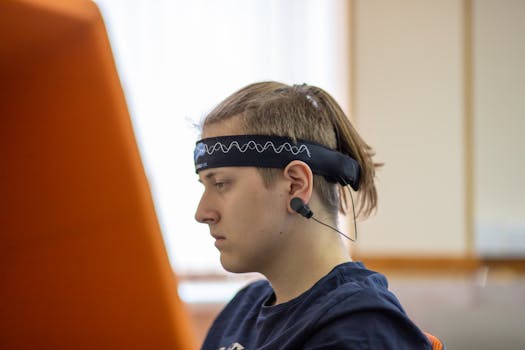
Several limitations show up repeatedly in binaural beat research:
- Small sample sizes: many studies include fewer than 100 participants, which reduces confidence in effect sizes.
- Short-term outcomes: improvements, when observed, are often measured immediately or within days.
- Heterogeneous protocols: different beat frequencies, different durations, and different control conditions make it hard to generalize.
- Expectation effects: participants may infer what they’re supposed to feel, especially if the study design doesn’t fully blind.
- Comorbid factors: sleep, caffeine, stressors, and breathing patterns can strongly influence anxiety and attention, confounding outcomes.
Why this matters: you should treat binaural beats as a potentially helpful tool with variable effects, not as a guaranteed intervention. The best approach is a personal, data-driven experiment—exactly like the protocol above.
Prevention and complementary strategies that pair well with sound
If you want anxiety relief and better focus, binaural beats may be most effective when combined with fundamentals that reduce physiological arousal. Sound can be the “entry point,” but your overall nervous system state still depends on daily habits.
Consider these prevention-focused practices:
- Use a consistent routine: same time of day, same session length, similar environment. Predictability can reduce anticipatory anxiety.
- Pair with breathing: for example, inhale for 4 seconds, exhale for 6 seconds during the first few minutes of listening. This targets arousal directly.
- Reduce caffeine if it worsens symptoms: if you notice anxiety spikes after coffee, adjust intake and re-test binaural beats under calmer baseline conditions.
- Sleep protection: if you’re using binaural beats for relaxation, avoid late sessions that could shift your sleep timing.
- Plan for setbacks: if a session doesn’t help, don’t keep escalating volume or duration. Adjust parameters or stop.
In other words, use binaural beats as part of a broader anxiety-management system, not as the entire system.
Summary: what binaural beats for anxiety focus evidence supports today
So, what does the binaural beats for anxiety focus evidence actually support?
- There is credible interest in binaural beats as a non-invasive auditory technique that may influence relaxation, anxiety ratings, and attention-related performance in some people.
- Effects are not guaranteed. Results vary across studies and individuals, and methodological quality is inconsistent.
- The strongest interpretation is that binaural beats may help some users shift arousal and attention state—sometimes with measurable EEG changes, often with subjective improvements, and sometimes with limited differences compared with controls.
- Your best evidence is your own tracking. Use short sessions, define outcomes, include a control condition, and stop if you feel worse.
If you take one practical lesson from this: treat binaural beats like a structured experiment. You’ll either find a useful niche—such as calming pre-task anxiety—or you’ll learn that it doesn’t fit your nervous system. Either outcome is information.
FAQ about binaural beats for anxiety and focus

Do binaural beats reliably reduce anxiety?
Some controlled studies report reductions in anxiety or stress-related measures, but results are mixed across the literature. Effects may depend on beat frequency, session length, participant characteristics, and the quality of study controls. For many people, the benefit—if present—is modest and best evaluated through your own before/after tracking.
What frequency is most often used for anxiety?
Many protocols target alpha-like ranges (approximately 8–12 Hz) because they’re often associated with relaxed wakefulness. Some also use theta-like ranges (around 4–8 Hz) for a more drowsy or meditative feel. The “best” frequency is individual, so start conservatively and adjust based on how you respond.
How long should you listen to see an effect?
In many real-world protocols and several study designs, sessions range from about 10 to 30 minutes. If you’re testing for anxiety reduction or focus, start with 10–20 minutes and measure state changes immediately after the session. Longer-term effects, if they exist, are less consistently demonstrated.
Can binaural beats improve focus without changing anxiety?
It’s possible. Focus involves attention and cognitive control, which can be affected by state changes (including reduced anxiety) or by attentional entrainment effects. Studies vary in whether they measure attention performance directly or rely primarily on self-report.
Are there risks or side effects?
Most people tolerate binaural beats well, but some experience headache, dizziness, or restlessness. Use moderate volume, consider stopping if symptoms appear, and be cautious if you have a history of seizures or significant neurological conditions. When in doubt, consult a clinician.
Should you use headphones?
Binaural beats typically require different tones delivered to each ear, which is most reliably done with headphones. Using speakers can blur the ear-specific difference, reducing the intended effect.
Will binaural beats replace therapy or medication for anxiety?
No. If you have an anxiety disorder or symptoms that significantly impair daily life, evidence-based treatments (therapy, appropriate medication when indicated, and other clinical supports) remain central. Binaural beats may be used as a complementary tool for some people, but they shouldn’t replace professional care.
How can you tell if it’s working for you?
Track a simple outcome before and after listening (for example, anxiety 0–10 and a brief focus task). Compare the binaural condition to a control condition across similar days. If there’s no consistent pattern after 1–2 weeks, the effect may be small for you.
11.05.2026. 18:40