

Sound Bath Frequency 432 528 639 Guide

Sound bath frequency 432 528 639: what this guide covers
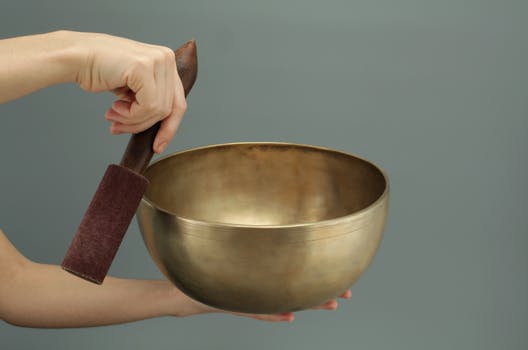
Sound baths use structured sound—often sustained tones, singing bowls, chimes, or harmonic instruments—to support relaxation, focus, and sensory attunement. Within the sound-healing community, three frequencies are discussed most often: 432 Hz, 528 Hz, and 639 Hz. This guide explains what these numbers mean in practice, how sound baths are typically built around them, and what you can do to use these sessions more effectively and safely.
It’s important to approach frequency-based sound work with both curiosity and realism. “432/528/639” are used as tuning references and symbolic anchors for many practitioners, but the measurable effects of specific frequencies on mood, stress, or physiology can vary by person and by session design. The most reliable benefits often come from the overall listening experience—breathing support, pacing, volume, and your engagement with the sound—along with any frequency-specific factors.
Below, you’ll find an educational overview of each frequency, how sound baths are commonly delivered, what to look for when choosing or setting up a session, and practical safety considerations.
How sound baths work (and why frequency matters)
A sound bath is not only “music in the background.” It’s a focused auditory environment designed to slow down attention and reduce sensory overload. Many sound baths rely on:
- Continuous tones that reduce abrupt transitions and support steady attention.
- Harmonics and overtones that enrich the sound beyond a single pitch.
- Breathing synchronization through gentle pacing and cues.
- Resonance—the idea that certain frequencies may feel more “settling” because of how they interact with the body’s rhythms and the room’s acoustics.
Where frequency matters is in tuning and structure. A 432 Hz tone can be used as a reference pitch for building harmonics, arranging intervals, or selecting pre-tuned instruments. A 528 Hz or 639 Hz tone may be used similarly to guide the tonal center of the session. Even when the sound is complex, the “center frequency” can influence the perceived mood and the way your mind tracks the sound.
In practice, the experience depends on more than the number. Volume, duration, instrument type, and the presence of beats or detuning all affect what you perceive. That’s why two sessions labeled “528 Hz” may feel very different.
Sound bath frequency 432 Hz: meaning and typical use

432 Hz is often described as a “natural” tuning reference. In many historical discussions, 432 Hz is treated as an alternative to the modern A=440 Hz standard used in much of Western music. In sound bath practice, 432 Hz is frequently used as a tonal anchor that supports calm, grounding, and slow mental drift.
What it can feel like: People commonly report that 432 Hz-centered sessions feel smoother or less tense than sharper, high-intensity tones. This doesn’t mean it’s universally “better,” but it can be experienced as more comfortable, especially at moderate volumes.
How it’s commonly used in sound baths:
- Singing bowls tuned to 432 or to a harmonic series based on a 432 Hz reference.
- Chimes or tone generators that sustain 432 Hz while other instruments add texture.
- Guided sessions where 432 Hz is presented as a baseline tone while attention shifts with breath and body awareness.
Practical guidance for using 432 Hz: If you’re new to sound baths, 432 Hz sessions can be a good starting point because they’re often designed to be steady and non-jarring. Choose a session with a comfortable volume and enough time for adaptation—many people need a few minutes before the sound starts to feel integrated rather than distracting.
What to watch for: If you notice headache, agitation, or discomfort, it may be related to volume, sustained high overtones, or your sensitivity to continuous tones. Adjusting distance, lowering volume, or switching to shorter sessions can help.
Sound bath frequency 528 Hz: meaning, resonance, and perception
528 Hz is widely discussed in the sound-healing community as a frequency associated with transformation, emotional release, and repair. In a sound bath context, it typically functions as the session’s tonal center—either as a sustained tone or as the basis for harmonic layering.
What it can feel like: Many listeners describe 528 Hz sessions as emotionally “open” or soothing, sometimes with a sense of spaciousness. Others experience it as energizing, especially when combined with breathwork or rhythmic pacing.
How it’s commonly used in sound baths:
- Harmonic frameworks where 528 Hz is treated as the root tone, and instruments play aligned overtones.
- Layered soundscapes using bowls, drones, and gentle percussion while the tonal center remains stable.
- Breath-guided sessions where the sound acts as a steady reference while you lengthen exhalations or soften attention.
Practical guidance for using 528 Hz: If your goal is to support emotional regulation or reduce stress reactivity, look for sessions that pace the sound slowly and allow “settling time” between tonal changes. A well-designed 528 Hz sound bath often avoids sudden peaks and maintains a consistent listening environment.
What to watch for: Emotional release can sometimes feel intense. If you experience strong discomfort—such as racing thoughts, nausea, or panic—reduce intensity by lowering volume, increasing grounding (like keeping your eyes open and focusing on a stable point), or stopping the session. Frequency is not a substitute for safety and self-care.
Sound bath frequency 639 Hz: purpose, symbolism, and listening style
639 Hz is less universally standardized than 432 and 528, but it’s frequently referenced as a frequency associated with harmony, communication, or alignment. In sound bath practice, 639 Hz typically serves as another tonal anchor—again, often used as a root reference for harmonics or as a sustained guide tone.
What it can feel like: Listeners often report that 639 Hz-centered sessions feel clearer or more “organized,” sometimes supporting focus, calm clarity, or a sense of emotional coherence.
How it’s commonly used in sound baths:
- Root-tone drones where 639 Hz is sustained while other instruments provide gentle harmonic support.
- Intentional sessions that encourage mindful attention to sensation, breath, or subtle body signals.
- Shorter “reset” formats for people who find long drone sessions tiring.
Practical guidance for using 639 Hz: If you tend to feel restless during long sustained tones, consider a session that includes gradual dynamics—slight crescendos, softened transitions, or periodic quiet moments. Clarity-based frequencies can still be overstimulating if the sound is too loud or too bright.
What to watch for: Some people are sensitive to certain harmonic profiles. If you find the sound “thin,” “piercing,” or mentally activating, try a different instrument set or a session with a warmer timbre (for example, softer bowls or gentler drones).
How to choose a sound bath session using 432 528 639
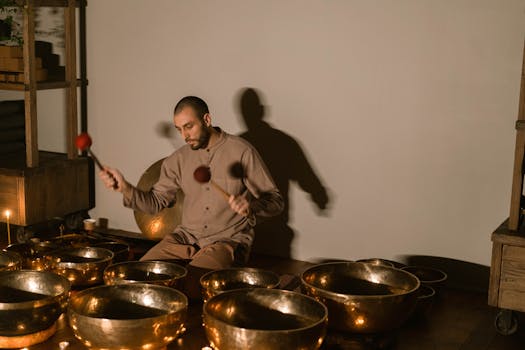
If you’re selecting a session—whether in-person or guided at home—use the frequency as a starting point, not the only deciding factor. A frequency label doesn’t automatically guarantee a safe or effective experience. Consider these practical elements:
- Session length: Beginners often do best with shorter sessions (for example, 20–40 minutes) before moving to longer sessions.
- Volume and distance: Choose a volume that feels enveloping but not intrusive. You should be able to breathe comfortably and remain present without needing to “endure” the sound.
- Sound type: Singing bowls, tuning forks, drones, and chimes create different sensory effects even when tuned to the same reference frequency.
- Transitions: Gradual changes tend to be easier to integrate than abrupt shifts.
- Environment: Quiet rooms with minimal external noise usually help the nervous system settle.
- Guidance: If the session includes breath cues or grounding prompts, it can help you stay regulated while listening.
Frequency selection as a practical approach: Many people choose based on the kind of session they want to support:
- 432 Hz for grounding, calm baseline listening, and gentle onboarding.
- 528 Hz for emotional soothing, spacious attention, or stress reduction.
- 639 Hz for clarity, alignment, and a more “organized” listening experience.
These are not rules—just common experiential trends. Your body’s response is the best indicator of what works.
What “tuned to 432/528/639” really means
Because these frequencies are discussed widely online, it’s useful to understand what “tuned” can mean in practice. A sound bath may be tuned in several ways:
- Root tone tuning: The main drone or center pitch is set to 432, 528, or 639 Hz.
- Instrument tuning: Bowls or instruments are adjusted to match a reference standard, then used to produce tones and harmonics.
- Digital synthesis: Audio files or generators are set to specific frequencies, often with added harmonic layers.
- Harmonic series use: The “root” frequency may be used to build a harmonic stack, so the perceived sound includes multiple aligned partials.
Even when a reference frequency is correct, you may still hear beats or slight detuning due to how multiple tones interact. That’s not automatically “bad.” In some designs, gentle beating can create movement and engagement. But if you’re sensitive to oscillations, it may feel distracting.
If you’re attending a session, you can ask the facilitator about the tuning method. A clear explanation—such as “we use bowls tuned to a 432 reference and blend harmonics”—can help you choose wisely.
Practical setup: how to run a sound bath at home
Home practice can be effective, but it benefits from structure. If you’re using a guided recording or a tone generator, these steps can improve safety and the quality of your listening:
Choose a comfortable listening volume
Use a volume level where you can relax your jaw and soften your gaze. If you’re unsure, start lower than you think you need. Persistent high volume is one of the most common reasons people end a session with discomfort.
Use good timing and a simple routine
Try a consistent routine so your nervous system learns the pattern. For example:
- Arrive a few minutes early to settle your body.
- Begin with a brief check-in: breath, posture, and any physical tension.
- Allow the sound to play without multitasking.
- After the session, sit quietly for 2–5 minutes before standing.
Reduce sensory distractions
Dim lighting, silence notifications, and minimize visual stimulation. The goal is to keep attention on sound and sensation.
Ground your attention
If your mind races, use the sound as an anchor. You can also focus on a simple physical sensation—like the feeling of airflow in your nostrils or the weight of your hands—while the tone continues.
Use relevant products naturally (only if they support your practice)
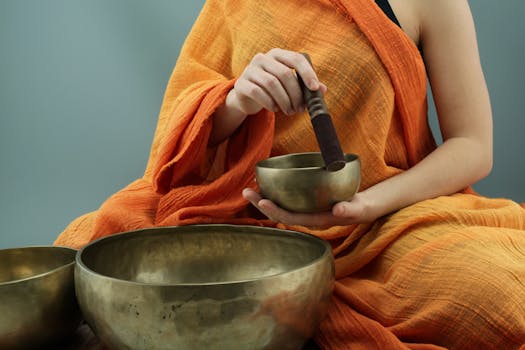
Some people use tuning forks or singing bowls tuned to specific references for hands-on practice. Others use sound bath recordings that specify 432, 528, or 639 Hz. If you use any device, prioritize safety and comfort: stable volume, clean sound quality, and a setup that lets you sit or lie down comfortably. The “best” tool is the one that helps you listen without strain.
How long should a 432 528 639 sound bath be?
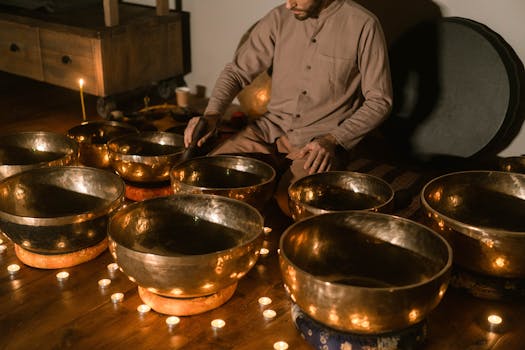
Duration affects how quickly you adapt and how deeply you can relax. There’s no universal best length, but practical guidance can help:
- First-time listeners: Start with 15–30 minutes to gauge sensitivity.
- Regular practice: 30–60 minutes is common, especially when sessions include gentle pacing.
- Long sessions: 60+ minutes can be beneficial, but consider your nervous system and your ability to remain comfortable. If you feel restless or mentally activated, shorten the session.
Within a session, it’s also useful to note whether the sound remains stable or changes over time. Some people prefer a steady tone center (often associated with a consistent root frequency), while others respond better to gradual harmonic evolution.
Safety considerations and who should be cautious
Sound baths are generally low-risk, but frequency-based sound work can still be overstimulating for some people. Use caution if you have:
- Hearing sensitivity or a history of sound-triggered migraines.
- Vertigo or strong motion sensitivity.
- Anxiety or panic that may be triggered by sustained tones.
- Neurological conditions where sensory input can be destabilizing.
General safety rules:
- Keep volume moderate and avoid prolonged exposure at high intensity.
- Stop if you feel pain, dizziness, or escalating distress.
- Don’t use sound baths as a substitute for medical care.
- If you’re pregnant, have complex medical needs, or are working through trauma symptoms, consider practicing with professional guidance.
Because 432/528/639 are often discussed as “healing frequencies,” it’s worth emphasizing that your wellbeing comes from the session’s overall design and your response—not just the number.
What to expect: signs a session is helping
While experiences vary, supportive sound bath sessions often produce subtle, positive indicators:
- Relaxed breathing or slower heart rate perception.
- Reduced muscle tension, especially in the face, shoulders, and jaw.
- Improved emotional steadiness after the session.
- Clearer focus or calmer attention.
- Better sleep onset if you practice earlier in the evening.
Sometimes the benefits appear later, not immediately. A sound bath can shift mental state for hours, even if you don’t feel dramatically different during the session.
Common mistakes when working with 432 528 639
People often run into predictable issues. Avoiding these can improve your results:
- Using too much volume: Bright, loud tones can cause stress even if they feel “powerful.”
- Expecting instant transformation: Sound healing is often gradual and cumulative.
- Skipping grounding: If you don’t stabilize your attention, the sound can become mentally demanding.
- Using long sessions before acclimating: Start shorter if you’re sensitive to sustained sound.
- Assuming the frequency alone is responsible: The room, instrument timbre, and pacing matter as much as the reference Hz.
Summary: a practical 432 528 639 sound bath guide
Sound bath frequency 432 528 639 guide isn’t just about choosing a number—it’s about shaping a listening environment that supports regulation and comfort. In many practices, 432 Hz is used as a grounding tonal anchor, 528 Hz is used for soothing and emotional spaciousness, and 639 Hz is used for clarity and alignment. These frequencies can be meaningful as tuning references and symbolic focal points, but the most consistent benefits typically come from session design: comfortable volume, steady pacing, and mindful attention.
To use these frequencies effectively, start with shorter sessions, choose sound that feels enveloping rather than harsh, and pay attention to how your body responds. If you experience discomfort or heightened anxiety, adjust intensity, duration, or your setup. With safe listening and consistent practice, sound bath work can become a reliable tool for relaxation and sensory attunement.
FAQ: sound bath frequency 432 528 639
Is 432 Hz, 528 Hz, and 639 Hz scientifically proven to heal?
Research on sound and relaxation is growing, but specific claims about unique healing effects tied to these exact frequencies are not universally established. Many benefits people report can be explained by relaxation response, attention regulation, and the overall sound environment.
What is the difference between tuning to 432 and using 432 in a recording?
Tuning to 432 can mean instruments are physically adjusted to produce tones centered on that reference. Recordings may synthesize or apply pitch shifting to create the same reference tone. Your experience depends on the sound design, harmonics, and volume.
How do I know if a sound bath is too loud?
If you feel tension in your body, strain in your ears, headache, or mental agitation, the volume is likely too high. Start lower and choose a level where you can remain relaxed throughout.
Can I use these frequencies for meditation?
Yes. Many people use 432/528/639 tones as a focus anchor during meditation. The key is comfort and consistency—choose a session length and volume that help you stay present.
What should I do if I feel anxious during a sound bath?
Stop the session if distress increases. Then reduce intensity next time: lower volume, shorten duration, choose warmer timbres, and use grounding (breath awareness or a stable physical sensation) to help your nervous system settle.
13.01.2026. 05:54