

Gum Bleeding vs Receding Gums: Periodontal Risk Explained

Why gum bleeding and receding gums are different—and why both matter
Gum health often shows up through two common symptoms: gum bleeding and receding gums. Although they can occur together, they don’t always mean the same thing. Gum bleeding usually points to inflammation from plaque and bacterial biofilm, while receding gums often reflect the long-term effect of inflammation and tissue breakdown. Understanding the difference between gum bleeding vs receding gums periodontal risk helps you recognize which problem may be more urgent and what to ask a dental professional to evaluate.
Periodontal (gum) disease is progressive. Early inflammation can be reversible when plaque is controlled, but established periodontal damage—such as attachment loss and bone loss—requires professional treatment. The good news: both symptoms are meaningful, and the right evaluation can clarify the stage of disease and the best next steps.
Gum bleeding: what it usually signals
Bleeding is commonly tied to gum inflammation
Bleeding gums most often occur when the gum tissue is inflamed. Inflammation makes the gum margin more fragile, so bleeding can happen during brushing, flossing, or even spontaneous bleeding. The underlying driver is typically plaque accumulation along the gumline, which triggers an immune response and changes the gum tissue.
Common patterns include:
- Bleeding when brushing or flossing, especially in the same areas
- Redness, swelling, or tenderness of the gums
- Bad taste or increased sensitivity in inflamed regions
When bleeding is more concerning
Occasional bleeding after aggressive brushing or new flossing habits can happen, but persistent bleeding is a key warning sign. Bleeding that continues for more than a couple of weeks after improved home care should be evaluated.
Bleeding may be influenced by other factors, such as certain medications (including some blood thinners), bleeding disorders, or hormonal changes. Even so, periodontal disease remains a leading cause of recurrent gum bleeding. A dental exam can help determine whether the bleeding is primarily inflammatory, periodontal, or related to systemic factors.
How bleeding relates to periodontal risk
From a risk standpoint, gum bleeding often indicates active disease processes. It suggests plaque-induced inflammation is present and that bacteria and inflammatory mediators may be affecting the gum attachment. If inflammation is controlled early, periodontal outcomes can improve. If bleeding persists, it may reflect deeper periodontal involvement that can progress to attachment loss over time.
Receding gums: what it usually means
Recession is not the same as inflammation
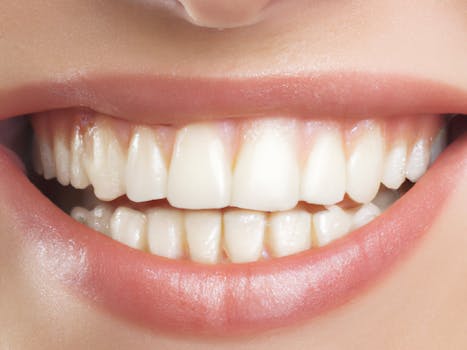
Receding gums refer to the gum margin pulling away from the tooth, making the tooth appear longer. Recession can result from multiple mechanisms, including chronic inflammation, aggressive brushing, tooth position issues, thin gum tissue, and trauma from occlusion. In many cases, recession is a sign of long-term gum tissue loss rather than immediate inflammation.
Recession may be accompanied by:
- Tooth root exposure
- Sensitivity to cold, sweet, or acidic foods
- Visible “notches” near the gumline
- Food trapping in areas where the gumline has changed
Why recession increases periodontal risk
Recession can elevate periodontal risk in two ways. First, it may reflect previous periodontal damage, including attachment loss. Second, exposed root surfaces are biologically different from enamel and are more vulnerable to plaque-related breakdown if oral hygiene is inconsistent.
Importantly, recession can be localized or widespread. Localized recession in one or two teeth can stem from trauma or anatomy, while generalized recession often points to broader periodontal involvement. Either way, recession should prompt a professional assessment of probing depths and attachment levels.
How periodontal disease develops: the connection between both symptoms
Inflammation can precede tissue loss
Periodontal disease generally begins with plaque accumulation and inflammation at the gingival margin. Over time, inflammation can affect the deeper supporting structures. When the disease progresses, the gum tissue may detach from the tooth and the supporting bone can be lost. That progression may eventually present as recession, deeper pockets, and mobility.
Why you might see one symptom without the other
People don’t always experience both symptoms at the same time. For example:
- Bleeding without recession: Early gingival inflammation can cause bleeding while the gumline position hasn’t yet changed.
- Recession without obvious bleeding: Tissue loss may have occurred in the past, and inflammation may be less noticeable, especially if plaque control has improved or if the recession is driven by mechanical factors.
- Both symptoms: This combination often suggests ongoing inflammation and longer-term tissue breakdown, increasing the likelihood of attachment and bone involvement.
Assessing periodontal risk: what a dental professional checks
Probing depth and attachment level
Bleeding and recession are visible clues, but periodontal risk is best determined by measuring the gums and their attachment support. Clinicians typically assess probing depths, bleeding on probing, and where the attachment has changed over time. These measurements help determine whether the issue is primarily gingivitis (inflammation without attachment loss) or periodontitis (inflammation with attachment and possibly bone loss).
Bone levels and overall periodontal mapping
Radiographs may be used to evaluate bone levels. Recession can sometimes look dramatic without major bone loss, but in other cases it reflects significant attachment loss. An exam also identifies patterning—such as localized defects, furcation involvement, or multiple sites with similar findings—which influences prognosis and treatment planning.
Risk factors that can accelerate progression
Even with similar symptoms, periodontal risk varies widely. Factors that can increase susceptibility include smoking or vaping, uncontrolled diabetes, immunologic conditions, certain medications, a history of periodontitis, genetic predisposition, and inadequate plaque control. Your clinician may also consider bite-related trauma if recession appears alongside wear facets or mobility.
What to do if you notice bleeding
Improve plaque control while monitoring the pattern
If gum bleeding is new or worsening, the immediate goal is to reduce plaque at the gumline and allow inflamed tissue to calm. This typically includes gentle, thorough brushing with a soft-bristled toothbrush and daily cleaning between teeth. If bleeding occurs mainly in certain areas, focus attention there rather than brushing harder.
Key practical steps:
- Brush along the gumline with gentle pressure (overly forceful brushing can worsen recession).
- Floss or use interdental brushes to clean between teeth where plaque hides.
- Replace worn toothbrush heads, since frayed bristles can be less effective and more irritating.
Use symptom clues to decide timing
Bleeding that persists beyond a short improvement window, recurs regularly, or is accompanied by swelling, bad breath, or loose teeth should be evaluated promptly. If bleeding is heavy or accompanied by other bleeding symptoms (easy bruising, nosebleeds, blood in urine), it’s also important to discuss systemic causes with a clinician.
What to do if you notice receding gums
Don’t assume recession is only cosmetic
Recession can be mistaken for a normal aging change, but it often indicates changes in the gum tissue and sometimes attachment levels. Even if you don’t see bleeding, recession can still reflect periodontal risk—especially if there is sensitivity or irregular gum contours.
Protect exposed root surfaces
Exposed roots can be more susceptible to plaque-related irritation and decay. Practical measures include maintaining consistent daily cleaning and using fluoride toothpaste to support root and enamel protection. If sensitivity is present, a clinician may recommend desensitizing approaches based on the cause and severity.
Avoid mechanical triggers
A common contributor to recession is trauma from brushing or aggressive technique. Switch to a soft brush, use a gentle angle at the gumline, and consider whether a technique change is needed. If recession appears along the same side of the mouth or near specific teeth, it may align with brushing habits or tooth alignment issues.
When bleeding and recession together signal higher risk
When gum bleeding vs receding gums periodontal risk is considered in practice, the highest concern often arises when both are present. Bleeding suggests active inflammation, while recession suggests tissue has already been lost or is being lost. Together, they increase the likelihood that periodontal disease has moved beyond the earliest stage.
Additional warning signs that strengthen the case for prompt evaluation include:
- Persistent bleeding in the same areas
- Gumline changes that are progressing over months
- New sensitivity or pain near the gumline
- Loose teeth, shifting, or changes in how teeth fit together
- Formation of deep pockets or visible pus (which requires urgent dental care)
Relevant oral care ingredients and tools (non-prescriptive)
Home care cannot replace periodontal treatment when attachment loss exists, but certain tools can support plaque control and comfort during evaluation. Many people use fluoride toothpaste for enamel and root protection. Some also use antiseptic mouth rinses for short-term inflammation control as advised by a dental professional. Electric toothbrushes with pressure control can help people avoid excessive force, which matters when recession is present. For gum bleeding and recession, the most important factor is consistent plaque removal without causing mechanical trauma.
Because product formulations vary and recommendations should match your diagnosis, it’s best to use these options as part of a plan guided by your exam findings rather than as a substitute for periodontal measurements.
Prevention guidance that targets both symptoms
Build a routine around gentle, thorough cleaning
Periodontal prevention is less about intensity and more about consistency. Gentle brushing that reaches the gumline and daily interdental cleaning help reduce the bacterial load that drives inflammation. If your gums bleed, brushing harder is not the solution—technique and thoroughness are.
Schedule periodontal checkups based on your risk
People with a history of periodontitis, smoking, diabetes, or frequent bleeding may need more frequent monitoring. Regular visits allow early detection of site-specific changes, including recession progression and pocket formation, before symptoms become advanced.
Address systemic risk factors
Managing diabetes, avoiding tobacco, and reviewing medications with clinicians can reduce periodontal strain. Periodontal disease is influenced by the body’s inflammatory response, so systemic control can affect outcomes even when oral hygiene is strong.
Summary: interpreting gum bleeding vs receding gums for periodontal risk
Gum bleeding most often reflects active inflammation and an elevated risk of progression if plaque is not effectively controlled. Receding gums reflect longer-term tissue changes and may indicate attachment loss, making periodontal risk important even when bleeding is minimal. The combination of bleeding and recession typically suggests a higher likelihood of ongoing periodontal involvement.
The practical next step is not to treat symptoms as separate issues. Instead, seek an exam that includes periodontal probing and evaluation of attachment and bone support. With accurate staging, you can target the cause—whether it’s primarily inflammatory, mechanically driven, or a mix—and reduce the likelihood of further gum tissue loss.
20.12.2025. 00:13