

Toothbrushing Technique Troubleshooting Plaque Sensitivity

Overview: when plaque won’t budge and teeth feel sensitive
If you’re brushing regularly but still notice plaque, rough film on teeth, or a “fuzzy” feeling near the gumline, your technique may be working against you. Many people also experience sharp sensitivity—often when brushing, rinsing with cold water, or eating sweet or acidic foods. The pattern is common: plaque seems to return quickly, and brushing feels like it’s irritating the teeth or gums rather than cleaning them.
This troubleshooting guide focuses on one key idea: plaque removal depends on how you brush, where your brush contacts the tooth, how much pressure you use, and how consistently you clean along the gumline and between teeth. When sensitivity appears alongside persistent plaque, the cause is often mechanical (abrasion, gum recession, or overstimulated tissue) rather than “too little brushing.”
Most likely causes behind plaque persistence and brushing-triggered sensitivity
Several mechanisms can produce the same real-world symptoms. Identifying which one fits your pattern will determine which fix helps.
1) Brushing pressure is too high or the brush is too abrasive
Hard scrubbing can wear down enamel at the gumline and expose dentin. That exposure leads to sensitivity, especially with cold air or cold liquids. It can also create micro-irritation of the gingiva, which may make gums look red or feel tender—conditions that can make plaque harder to control because tissue is inflamed and cleaning feels uncomfortable.
Common signals include a burning or stinging sensation during brushing, visible “shiny” or yellowish areas near the gumline, or a history of using stiff bristles.
2) You’re missing the gumline and the plaque “safety zone”
Plaque is sticky and accumulates along the gingival margin and in the shallow crevices where the tooth meets the gum. Many people brush the outer surfaces well but spend less time at the gumline or neglect the inner surfaces completely. Plaque can also persist near the back teeth and along the lower front teeth, where crowding and saliva flow patterns make cleaning harder.
If plaque feels worst where gums meet teeth, the issue is often angle and coverage rather than brushing frequency.
3) The brush angle and motion remove plaque poorly
Scrubbing back-and-forth across the gumline can actually push plaque around rather than lifting it away. A more effective approach is gentle, controlled movements that guide bristles toward the gumline and then sweep away from it.
Similarly, if you brush with a “horizontal-only” motion and keep the bristles flat instead of slightly angled, you may not reach the area where plaque adheres most strongly.
4) Brushing timing and routine don’t match your risk
Brushing immediately after acidic drinks or vomiting can increase sensitivity and enamel wear. Plaque control also depends on consistency; skipping brushing or doing it too briefly can allow biofilm to mature.
In many cases, people brush twice daily but not for long enough, or they rush through the inner surfaces and between teeth.
5) Sensitivity may be from gum recession, enamel erosion, or exposed root surfaces
Plaque and sensitivity can coexist, but sensitivity doesn’t always mean “plaque is still there.” It can be a sign of gum recession or enamel erosion. When sensitivity is present, people often subconsciously reduce contact time or avoid certain areas, which then allows plaque to remain.
6) Toothpaste or technique mismatch
Some people use whitening pastes or high-abrasive formulas that can worsen sensitivity when enamel is already thin. Others may use a desensitizing toothpaste but don’t give it enough time on the teeth or brush too aggressively to allow it to work.
Step-by-step troubleshooting and repair process
Use this sequence to pinpoint the problem and fix it without guessing. Work on one variable at a time so you can tell what actually changes plaque and sensitivity.
Step 1: Confirm where sensitivity happens
After brushing, note which areas hurt: front vs back, upper vs lower, and whether it’s mainly at the gumline or across the whole tooth. If sensitivity is concentrated at the gumline, it suggests abrasion or recession. If it’s more generalized, consider enamel erosion, acidic exposure, or a broader dentin exposure pattern.
Step 2: Check your brush type and condition
Look at the bristles. If they are splayed or frayed, cleaning effectiveness drops and the brush may irritate tissue. Replace the brush if it’s worn. If you’re using a hard or very firm brush, switch to a soft or extra-soft bristle head designed for sensitive gums and teeth.
For electric brushes, confirm you’re using gentle pressure and allowing the brush to do the work. Many people press harder with electric models because they feel they should “force” cleaning.
Step 3: Perform a pressure test while brushing
During your next brushing session, hold the brush lightly, just enough to contact the teeth. Think “resting” rather than “scrubbing.” If you feel the urge to press, practice for 30 seconds on a single quadrant (for example, upper right) and stop. Your goal is comfortable contact without a sting.
If sensitivity spikes immediately when you apply pressure, pressure reduction is likely your highest-impact fix.
Step 4: Use a gumline-focused angle
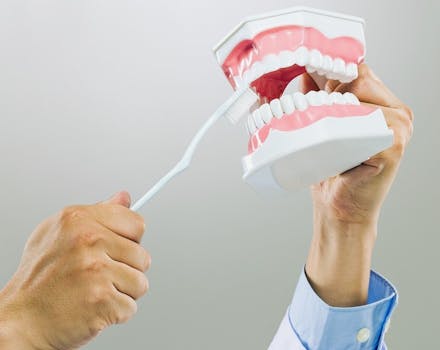
For hand brushing, aim the bristles at about a 45-degree angle toward the gumline. Then use small, gentle motions—about the width of the brush head—so bristles can reach the margin without grinding.
For electric brushes, keep the brush at the same gentle angle and move it slowly tooth by tooth rather than zipping across surfaces.
Step 5: Increase coverage methodically without increasing force
Break your mouth into sections and spend enough time on each:
- Outer surfaces (cheek side)
- Inner surfaces (tongue side)
- Lower front teeth (often missed)
- Back teeth (where plaque can hide)
- Gumline attention points
If plaque still appears quickly, it’s often because the inner surfaces and gumline receive less time than the outer surfaces.
Step 6: Make between-teeth cleaning part of the troubleshooting
Toothbrushing removes plaque on tooth surfaces, but plaque also remains between teeth where brushes don’t reach. If you’re seeing plaque buildup despite improved brushing, flossing or interdental cleaning may be the missing step.
Choose a method you can use consistently: floss, interdental brushes, or another interdental aid. If gums bleed when you begin, it doesn’t automatically mean you’re damaging them—often it means plaque is inflaming tissue. Gentle, regular cleaning usually improves this over time.
Step 7: Adjust timing around acids
If you drink acidic beverages or brush after acid reflux, wait before brushing. A common approach is to rinse with water after acidic exposures and delay brushing for a short period to reduce enamel stress. This can lower sensitivity while you work on technique.
Solutions from simplest fixes to more advanced repairs
Start with the “pressure and coverage” changes
These are the highest-yield modifications for both plaque persistence and sensitivity.
- Use a soft bristle brush and replace it when bristles wear.
- Reduce pressure—aim for gentle contact, not scrubbing.
- Angle to the gumline (about 45 degrees) and use small motions.
- Increase gumline time without extending brushing into painful zones.
Give these changes a realistic window. Many people notice plaque control improving within 1–2 weeks, while sensitivity may take longer depending on the cause.
Use desensitizing toothpaste correctly
If sensitivity is triggered during brushing, desensitizing toothpaste can help, but technique matters. Apply a pea-sized amount and brush gently. After brushing, avoid immediately rinsing aggressively; a light spit is usually enough to leave the active ingredients in contact with teeth.
Look for products formulated for sensitivity (often containing potassium salts, stannous fluoride, or similar desensitizing agents). Consistent use is key; short-term trials may not reflect true benefit.
If sensitivity worsens despite desensitizing toothpaste and gentler brushing, the underlying issue may be abrasion, recession, or a tooth-specific problem requiring dental evaluation.
Rebuild your brushing routine for full plaque removal
Technique improvements should include inner surfaces and the lower front teeth. A common pattern is that plaque persists where you spend the least time—often the inner surfaces near the gumline.
Try a “slow and complete” approach: move the brush slowly across each tooth and pause briefly at the gumline. The goal is contact time, not speed.
Switch to an electric brush if manual technique is hard to control
If you struggle to keep pressure low or maintain consistent angle, an electric brush can help. Many people naturally press less because the brush head oscillates or rotates effectively. Still, pressure control remains important. Use a soft head and let the brush do the work.
For sensitivity, choose modes that are designed for gentle cleaning rather than high-power settings.
Address gum irritation and bleeding with technique, not more force
Inflamed gums can increase sensitivity and make plaque removal feel unpleasant. If your gums bleed, avoid the temptation to “brush harder to fix it.” Instead:
- Use gentle pressure.
- Focus on accurate gumline coverage.
- Use interdental cleaning carefully and consistently.
- Expect improvement as inflammation settles, usually over days to a few weeks.
If bleeding persists or worsens after a few weeks of gentle, consistent cleaning, professional assessment is needed to rule out periodontal disease or other causes.
Consider enamel protection habits when sensitivity is linked to erosion
If sensitivity is triggered by citrus, soda, or frequent snacking, plaque may be only part of the story. Enamel erosion can expose dentin and increase sensitivity. Technique fixes help, but you also need supportive habits:
- Reduce frequency of acidic exposures.
- Rinse with water after acidic drinks.
- Avoid immediate brushing after acid; delay brushing.
- Use sensitivity-focused toothpaste and gentle brushing.
These steps reduce the ongoing stress that keeps sensitivity active.
When plaque seems “stubborn,” review your between-teeth plan
If plaque accumulates quickly even after you improve brushing angle, pressure, and coverage, between-teeth biofilm may be the dominant contributor. Plaque that builds in interdental spaces can also contribute to gum inflammation, which can make teeth feel more sensitive.
Try interdental brushes if spaces are suitable (they should fit without forcing). If you use floss, ensure you slide gently and curve around the tooth rather than snapping through the gumline. Consistency matters more than the tool you choose.
When replacement or professional help is necessary
Replace the brush or head when effectiveness drops
Replace manual brushes when bristles splay or wear. For electric brush heads, replace them on schedule or when you notice reduced cleaning feel. Worn bristles can be less effective at plaque removal and can irritate gums.
Seek professional evaluation if sensitivity doesn’t improve
Professional help is important if:
- Sensitivity remains after 2–4 weeks of gentle technique and desensitizing toothpaste use.
- Sensitivity is localized to one tooth or is associated with pain when biting.
- You notice visible gum recession, a “wedge” shape near the gumline, or a sudden change in sensitivity.
- You suspect a cracked tooth, filling issue, or signs of decay.
A clinician can check for enamel wear, gum recession, hidden cavities, cracked teeth, or nerve involvement—conditions that brushing technique alone cannot fix.
Get assessed for gum health if plaque control efforts aren’t reducing inflammation
If you have persistent bleeding, swollen gums, bad breath that doesn’t improve with improved cleaning, or plaque that quickly returns despite correct brushing, you may need a targeted periodontal evaluation. Scaling and localized treatment may be necessary to reset the gum environment.
Consider advanced options only after diagnosis
Some cases require treatment beyond at-home care, such as sealing exposed dentin, addressing significant recession, or repairing structural damage. Those decisions depend on exam findings, not on technique alone.
Technique troubleshooting is a powerful first step, but when sensitivity and plaque persist together, the mouth may be telling you that there’s more than one problem—such as gum recession plus incomplete interdental cleaning, or enamel erosion plus brushing irritation.
By systematically adjusting pressure, angle, coverage, timing, and between-teeth cleaning—and by knowing when to escalate to professional care—you can reduce plaque buildup while protecting teeth from ongoing sensitivity.
17.05.2026. 09:13