

Scalp Itch Flakes Shedding Dandruff & Telogen Effluvium Troubleshooting

When scalp itch, flakes, and shedding show up together

Scalp problems rarely stay in one lane. You might start with itch and flaking, then notice more hair on your pillow or in the shower drain. In some cases the flakes look like classic dandruff; in others they’re thicker, oilier, or more widespread. If your hair also seems thinner than usual, it can feel alarming—especially if the shedding began a few weeks after stress, illness, a new medication, or a change in routine.
This troubleshooting guide helps you sort out the most likely causes of scalp itch flakes shedding dandruff seborrheic dermatitis telogen effluvium troubleshooting by focusing on what you can observe and what you can do next. You’ll work from simpler fixes toward more advanced ones, with clear timelines so you know what “working” looks like.
Most likely causes behind itch, flakes, and shedding
Several conditions can overlap. The key is to identify the pattern: how your scalp looks, how the itch behaves, and whether shedding seems diffuse (all over) or localized (patchy).
Seborrheic dermatitis (common, inflammatory, often oily)
This is one of the most frequent explanations for itch plus flakes. It often involves an oily scale and redness, especially along the hairline, behind the ears, and at the top of the scalp. Flakes can be yellowish or gray-white and may come back quickly after you stop treatment.
A typical pattern is: itch builds, scale increases over days to weeks, and shedding follows because inflamed skin irritates follicles and increases hair shedding from the anagen-to-telogen shift.
Dandruff as a milder form of seborrheic dermatitis
“Dandruff” is often used loosely. Many people who say “I have dandruff” are actually dealing with mild seborrheic dermatitis. The difference is usually severity: dandruff tends to be lighter scale with less redness, while seborrheic dermatitis can be more inflamed and more persistent.
Telogen effluvium (diffuse shedding after a trigger)
Telogen effluvium is a shedding pattern rather than a scalp disease. It happens when a large portion of hair shifts into the resting phase after a trigger. Common triggers include:
- Major stress (emotional or physical)
- Febrile illness (fever), including COVID-19 or influenza
- Rapid weight loss or restrictive dieting
- Iron deficiency or other nutrient deficits
- Postpartum changes
- Stopping hormonal contraception or starting certain medications
Timing matters. Telogen effluvium often appears about 6 to 12 weeks after the trigger, then improves over 3 to 6 months if the underlying issue is resolved. If you’re seeing shedding plus scale, seborrheic dermatitis can be the inflammatory “background,” while telogen effluvium explains the sudden increase in hair loss.
Contact dermatitis from hair products or scalp treatments
If itch started shortly after you began a new shampoo, hair dye, leave-in product, dry shampoo, or scalp scrub, contact dermatitis becomes more likely. You may notice burning, stinging, or a rash-like look, sometimes with small bumps. Flakes can appear as irritated, dry scale.
Psoriasis or other inflammatory scalp conditions
Psoriasis can cause thicker, more adherent scale and well-demarcated redness. Itching can be intense. If you also have plaques on elbows, knees, or nails, or if the scalp scale is very thick, psoriasis may be part of the picture.
Infection or folliculitis (less common, but important)
If you have pustules, tenderness, or crusting that feels “infected,” you need a different approach. Persistent folliculitis or fungal infection may require prescription treatment rather than standard anti-dandruff shampoos.
Dry scalp (itch without much oiliness)
Dry scalp can cause flaking and itch, but it usually doesn’t look oily or greasy. It often worsens with hot water, over-washing, or harsh cleansing. Still, dry scalp can coexist with seborrheic dermatitis, so don’t assume it’s the only cause.
Step-by-step troubleshooting and repair process
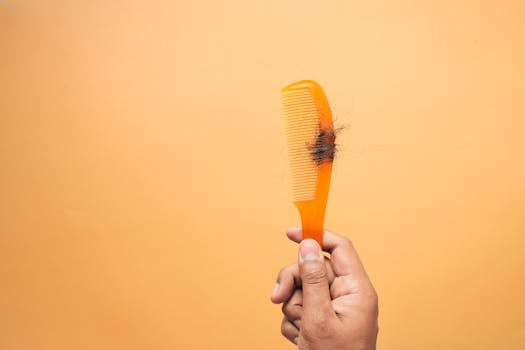
Use this as a structured plan. You’re trying to (1) reduce inflammation and scale, (2) prevent ongoing irritation, and (3) determine whether shedding is likely telogen effluvium or something else.
Step 1: Confirm the timeline and trigger window (do this today)
Write down when the itch and flakes started, and separately when shedding increased. Then check backward 6 to 12 weeks for likely triggers: illness, fever, major stress, new medication, dietary changes, childbirth, or a new hair product.
Real-world scenario: You had a flu with fever in early March. By late May, you notice more hair in the shower and a wider part line. Around the same time, you see increased flaking and itch at your hairline. This combination often points to telogen effluvium triggered by the illness, with seborrheic dermatitis making the scalp more inflamed and the shedding more noticeable.
Step 2: Inspect your scalp in good light (no guessing)
Look for these clues:
- Oily, yellowish or greasy scale and redness: favors seborrheic dermatitis.
- Thick, adherent plaques that lift in chunks: consider psoriasis.
- Localized burning/itch after a specific product: contact dermatitis.
- Pus bumps, crusting, significant tenderness: consider infection/folliculitis.
- Dry, fine white flakes without oiliness: dry scalp or irritation.
If you can, take a couple of photos now (hairline, part line, crown). You’ll compare them after 2 to 4 weeks of treatment.
Step 3: Pause obvious irritants for 2 weeks
For troubleshooting, you need a “clean baseline.” For the next 14 days:
- Stop new or recently changed products (especially fragranced leave-ins, scalp oils, scrubs).
- Avoid scalp scrubbing with brushes or exfoliating tools.
- Use lukewarm water, not hot.
- Limit heat styling and tightly tying hair.
If you dye your hair, postpone coloring until the itch and scale settle. Dye-related irritation can keep the cycle going.
Step 4: Use an anti-dandruff shampoo correctly (timing and contact matter)
If your flakes are consistent with dandruff or seborrheic dermatitis, shampoo technique can make or break results.
For the next 2 to 4 weeks, choose one anti-dandruff active and use it consistently:
- Ketoconazole (often 1%): typically used 2 to 3 times per week.
- Zinc pyrithione: often 2 to 3 times per week.
- Selenium sulfide: often 2 to 3 times per week.
- Salicylic acid shampoos: can help lift scale, sometimes used on non-consecutive days.
How to apply:
- Wet hair and scalp thoroughly.
- Apply to the scalp, not just the hair strands.
- Massage gently with fingertips for 30 to 60 seconds.
- Leave in contact for 3 to 5 minutes before rinsing.
Then use a gentle, fragrance-light conditioner only on hair lengths (not the scalp). This reduces irritation while still controlling scale.
Step 5: Track shedding like a symptom, not a guess
Shedding can be dramatic when you first start treating scalp inflammation, and that can be confusing. Track it objectively for 4 weeks:
- Note how much hair you see in the shower drain on wash days.
- Measure the “hair count” by counting loose hairs you pick up from your hands after shampooing (rough estimate, not obsessive).
- Watch for whether shedding is diffuse (all over) or concentrated in one area.
Telogen effluvium often improves gradually. If shedding is driven by scalp inflammation, you may see improvement within 4 to 8 weeks after scale control improves. If shedding continues to worsen beyond 8 to 12 weeks despite good scalp care, reassess the diagnosis and consider labs/professional evaluation.
Step 6: Consider iron and nutrition if shedding is prominent
If shedding is a major concern, especially with fatigue, heavy periods, recent diet changes, or pregnancy/postpartum, check common contributors. A clinician may order blood tests such as:
- Ferritin (iron stores)
- Complete blood count
- TSH (thyroid)
- Vitamin D and sometimes B12 or zinc depending on context
You don’t need to guess. If telogen effluvium is in play, correcting deficiencies can shorten the shedding timeline.
Solutions from simplest fixes to more advanced fixes
Work through these in order. Stop at the point where your scalp is clearly improving, but don’t abandon the process too early.
Level 1: Simple adjustments that often break the itch–flake cycle
- Wash frequency calibration: If you only shampoo once every 7–10 days, increase to every other day for two weeks. If you wash daily with harsh products, reduce to every other day and avoid hot water.
- Gentle handling: Avoid aggressive towel rubbing and tight hairstyles while your scalp is irritated.
- Reduce product load: Minimize hair oils, pomades, and heavy styling near the scalp. Even when they feel “soothing,” they can worsen oily scale for some people.
- Hard water check: If you recently moved or noticed new dryness, consider using a filter or a clarifying wash occasionally. Hard water can worsen dryness and scale.
These steps alone won’t always control seborrheic dermatitis, but they can improve response to anti-dandruff treatment.
Level 2: Switch or optimize anti-dandruff shampoo strategy
If you’ve tried an anti-dandruff shampoo but didn’t leave it on long enough or didn’t use it consistently, re-try with correct contact time. If you did use it correctly, rotate strategy:
- If ketoconazole isn’t helping after 3 to 4 weeks, consider switching to zinc pyrithione or selenium sulfide for another 2 to 4 weeks.
- If scale is thick, use a salicylic acid product on non-consecutive days to lift scale, then return to your primary anti-dandruff shampoo.
- Keep the “active” consistent. Don’t change everything at once—otherwise you can’t tell what worked.
Many people keep a “maintenance” rhythm after the itch improves. Maintenance might mean using the active shampoo once weekly or every 1–2 weeks, depending on recurrence. The goal is to prevent flare-ups without constant heavy cleansing.
Level 3: Address ongoing inflammation more directly (topical anti-inflammatory)
If itch and redness remain even with anti-dandruff shampoo, seborrheic dermatitis may require a targeted anti-inflammatory approach. This is where prescription-strength treatments sometimes become necessary.
Common next steps a clinician may consider include topical corticosteroids for short bursts, or other prescription anti-inflammatory scalp treatments. The reason to escalate is simple: persistent inflammation can keep follicles irritated and can prolong both scale and shedding.
If you prefer to stay within over-the-counter options, focus on controlling scale first and avoid layering multiple products that can irritate. If you’re already using an anti-dandruff shampoo and still have significant itch after 4 weeks, professional guidance is usually the most efficient path.
Level 4: If shedding looks like telogen effluvium, shift focus from the scalp alone
When shedding is diffuse and timing fits telogen effluvium, scalp treatment may improve itch and flaking, but hair recovery will follow its own schedule. Telogen effluvium typically improves over 3 to 6 months. During that period:
- Keep scalp inflammation controlled (so you’re not adding irritation on top of shedding).
- Address the likely trigger. If it was illness, time is a major factor. If it was iron deficiency, correction matters.
- Avoid crash dieting. Aim for steady nutrition and adequate protein. If you’ve been restricting calories, shedding can persist.
- Be cautious with new supplements. If you don’t know what you’re correcting, you may delay the real fix.
Practical example: After a stressful job period and poor sleep, you notice diffuse shedding starting 2 months later. Your scalp also has mild flakes. You treat the scalp with an anti-dandruff shampoo for 4 weeks and your itch improves. Hair shedding continues for another 2 months but gradually slows. That pattern fits telogen effluvium resolving while scalp symptoms were a parallel issue.
Level 5: Rule out contact dermatitis and irritant triggers
If itch started right after a specific hair product, the “anti-dandruff” approach may not fully solve it. In that case:
- Return to a single, gentle shampoo and stop all styling products for 2 weeks.
- After itch settles, reintroduce products one at a time, spaced by several days, so you can pinpoint the trigger.
- If you use dry shampoo, reduce it. Many people with scalp itch flare when dry shampoo residue accumulates.
If you suspect dye or chemical treatments, consider patch testing through a dermatologist. This is especially important if you have burning rather than just itch.
Level 6: Consider psoriasis or infection when the scale is stubborn
Escalate when standard anti-dandruff treatment doesn’t control the problem. Clues that point away from simple dandruff include thick scale that doesn’t soften, sharp redness, or symptoms beyond the scalp (nails, elbows, knees).
Also escalate if there are signs of infection: painful bumps, oozing, honey-colored crusts, or severe tenderness. In those situations, you may need prescription antifungal or antibacterial treatment rather than repeated anti-dandruff cycles.
When replacement or professional help is necessary
“Replacement” here means replacing your current plan—not necessarily products. You should change direction if your scalp isn’t responding to reasonable troubleshooting.
Seek professional help sooner if any of these apply
- Severe redness, swelling, or pain
- Pus bumps, crusting, or signs of infection
- Patchy hair loss (not just diffuse shedding)
- Rapid thinning over weeks
- Scalp bleeding or intense burning
- Symptoms persist despite a consistent anti-dandruff approach for 4 to 6 weeks
A dermatologist can examine your scalp under good lighting, confirm whether it’s seborrheic dermatitis versus psoriasis versus contact dermatitis, and decide if prescription therapy or testing is appropriate. If telogen effluvium is suspected, they can also guide lab work and rule out hormonal or autoimmune causes when indicated.
Use timelines to decide whether your plan is working
- Itch reduction: look for improvement within 1 to 2 weeks of consistent anti-dandruff use and irritant pause.
- Flake reduction: noticeable decrease by 2 to 4 weeks.
- Shedding improvement: gradual improvement by 4 to 8 weeks if scalp inflammation was a major driver; clearer recovery often takes 3 to 6 months for telogen effluvium.
If you have no improvement in itch or scale by 4 weeks, don’t just keep repeating the same routine indefinitely. That’s the point where a different diagnosis or prescription-level anti-inflammatory treatment may be necessary.
When it’s time to “replace the plan”
Consider changing your approach if:
- You switched shampoos but never adjusted contact time (or you used them inconsistently).
- You suspect contact dermatitis and never paused irritants long enough (you need 14 days of baseline).
- Your shedding pattern doesn’t match telogen effluvium (for example, progressive loss in one area, or worsening despite trigger resolution).
- Your scalp is improving but shedding is not—suggesting the shedding driver isn’t solely scalp inflammation.
Putting it all together: a practical troubleshooting sequence

Here’s a clear sequence you can follow without guesswork:
- Day 0: note when itch/flakes started and when shedding increased; take photos.
- Days 1–14: pause new products, avoid scalp scrubbing, use lukewarm water.
- Days 1–28: use one anti-dandruff active consistently with 3–5 minutes contact time, 2–3x/week.
- Week 2: reassess itch. If it’s not improving, you may need a different active or to suspect contact dermatitis/psoriasis/infection.
- Week 4: reassess flakes. If no meaningful reduction, escalate to clinician evaluation.
- Weeks 6–12: reassess shedding. If it fits telogen effluvium, shedding should gradually slow; if it continues to worsen, reassess for other causes.
By separating scalp inflammation (itch and flakes) from hair shedding timing (telogen effluvium), you can avoid one of the most common pitfalls: treating only the flakes while ignoring a systemic trigger—or treating shedding with no attention to ongoing scalp irritation.
Key signals to watch as you troubleshoot
Use these signals to guide your next move:
- Improving itch and fewer flakes after 2–4 weeks of correct anti-dandruff use: your primary diagnosis is likely correct.
- Itch flares right after a product: contact dermatitis becomes more likely; pause and reintroduce systematically.
- Thick scale and well-defined plaques: consider psoriasis; ask about prescription options.
- Localized painful bumps or crusting: infection/folliculitis needs evaluation.
- Diffuse shedding starting 6–12 weeks after a trigger: telogen effluvium is likely, and hair recovery follows a months-long course.
When you track these signals against time, troubleshooting becomes manageable rather than stressful.
23.02.2026. 23:17