

Moisturizer Making Skin Worse: Barrier Problems Explained

Why your moisturizer may be making skin worse
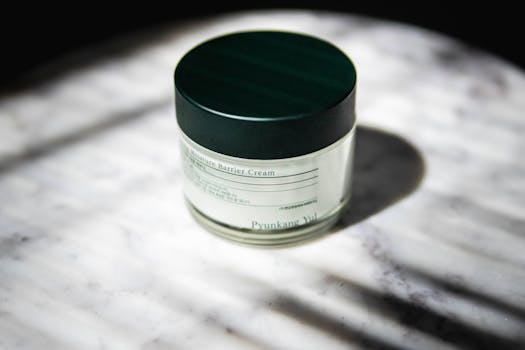
If your skin feels tighter, more itchy, redder, or more reactive after applying a moisturizer, it can be alarming—especially if the product is marketed as gentle. In many cases, the issue isn’t that moisturizers “don’t work,” but that your skin barrier is already compromised and is reacting to something in the formula or to the way it’s being used.
Barrier problems can turn otherwise tolerable ingredients into triggers. A damaged barrier allows more water loss and increased sensitivity, so even mild irritants may sting or worsen inflammation. This guide explains how barrier dysfunction can make moisturizers feel like they are worsening symptoms, what to look for, and how to troubleshoot safely.
What “skin barrier problems” actually mean
The skin barrier is largely made up of the outermost layer (the stratum corneum) and the lipids that help it hold onto water. When the barrier is healthy, it limits irritation, supports hydration, and reduces the penetration of irritants.
Barrier problems typically involve one or more of the following:
- Increased transepidermal water loss (TEWL): skin feels dry, tight, and uncomfortable.
- Weakened lipid structure: the skin can’t retain moisture well, even if you apply creams.
- Heightened nerve sensitivity: burning, stinging, or itching can occur with products that normally wouldn’t bother you.
- Inflammation: redness and flare-ups can be worsened by irritants or by cleansing too aggressively.
When these issues are present, your skin may not tolerate certain preservatives, fragrance components, essential oils, or strong actives—even at low concentrations.
Common reasons a moisturizer can worsen irritation
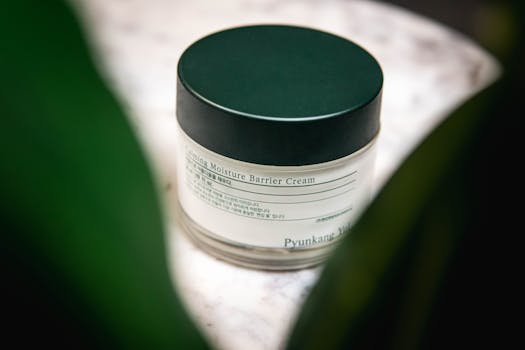
When a moisturizer seems to make skin worse, the cause is often one of the following mechanisms. Identifying which applies to you will determine what to change.
1) The formula contains irritants for your current skin state
Barrier-damaged skin has a lower tolerance threshold. Ingredients that are usually fine for many people may sting or trigger redness when the barrier is compromised. Common culprits include:
- Fragrance and essential oils (including botanical extracts that can include sensitizing components)
- Strong surfactants or solvents used in some “lightweight” or fast-absorbing textures
- High levels of certain alcohols (especially if they’re near the top of the ingredient list)
- Preservatives that some sensitive skin types react to
If you notice immediate stinging or worsening redness soon after application, ingredient sensitivity is a likely factor.
2) The moisturizer isn’t actually supporting barrier lipids
Some moisturizers feel soothing at first but don’t provide the lipid support your barrier needs. Barrier repair generally depends on occlusion (to reduce water loss) and replenishment of lipids (to restore the barrier’s structure). If a moisturizer is mostly water-based without enough emollient and lipid support for your skin type, it may not improve symptoms—and can sometimes feel worse if it dries down quickly.
Look for moisturizers that contain barrier-supporting emollients and humectants, often in combination. Many people with barrier dysfunction do better with thicker creams or ointment-like textures rather than very watery gels.
3) You’re using too much, too soon, or applying on irritated skin
Even a well-tolerated moisturizer can feel harsh if applied in a way that increases irritation. Examples include:
- Applying after aggressive exfoliation or a strong cleanser
- Layering multiple active treatments (acids, retinoids, benzoyl peroxide) in the same routine
- Massaging vigorously over inflamed areas
If your skin is actively irritated, consider simplifying your routine and reducing the number of variables before reintroducing products gradually.
4) The moisturizer is breaking you out (comedogenic response)
Some people interpret “skin getting worse” as acne or clogged pores. While not every breakout is a true comedogenic reaction, certain heavier textures or specific emollients can contribute to congestion for some individuals. If you notice new pimples or bumps after starting a moisturizer, the issue may be pore-clogging potential or an interaction with your overall routine.
In barrier problems, inflammation can also mimic acne-like bumps. The timing and appearance can help differentiate irritation from comedones.
5) It’s not the moisturizer—it's the cleanser or routine
A moisturizer can appear to be the problem because it’s the most noticeable step. But barrier worsening often begins earlier in the routine. Frequent cleansing, hot water, scrubs, or exfoliating acids can keep the barrier in a cycle of irritation. If the cleanser is too harsh, the moisturizer may be trying to compensate for ongoing damage.
When troubleshooting, it’s important to consider everything that touches the skin: cleansers, makeup removers, sunscreen, shaving products, and even laundry detergents for clothing contact areas.
Symptoms that point to barrier irritation rather than “simple dryness”
Moisturizer making skin worse barrier problems usually shows up with specific patterns. While everyone’s skin is different, barrier dysfunction commonly produces:
- Stinging or burning shortly after applying skincare
- Redness that lingers rather than quickly settling
- Rough texture with visible flaking or tightness
- Itching that increases with product use
- Flare-ups after changes in routine, weather, or cleansing frequency
If your skin reacts to multiple products, not just one moisturizer, that strongly suggests barrier status is the underlying issue.
How to troubleshoot safely when a moisturizer worsens symptoms
You don’t need to guess blindly. A structured, low-risk approach helps you identify whether the moisturizer itself, the application method, or another part of your routine is driving the problem.
Step 1: Stop new or active ingredients
For about 3–7 days, reduce variables. Avoid introducing new actives like exfoliating acids, retinoids, vitamin C in low pH forms, or spot treatments. If you’re already using them, consider pausing them until the skin calms. The goal is to determine whether barrier irritation improves when the routine is simplified.
Step 2: Use a gentle cleanser or cleanse less
Switch to a mild, non-stripping cleanser and use lukewarm water. If you don’t get visibly oily, consider cleansing once daily or only on areas that truly need it. Over-cleansing can keep the barrier from recovering, making any moisturizer feel like it fails.
Step 3: Patch test on a small area
Apply the moisturizer to a small, less visible area (like the jawline or inner arm) for a couple of days. If it consistently stings, reddens, or worsens texture in that area, it’s a strong sign the formula isn’t compatible with your current barrier state.
Step 4: Change the application technique
Try applying moisturizer to slightly damp skin and using smaller amounts at first. Pat rather than rub. If you’re using a very thin lotion, consider whether a thicker cream or ointment-like layer would reduce water loss more effectively.
Step 5: Track timing and pattern
Write down when symptoms worsen: immediately after application, hours later, or the next day. Immediate burning often points to irritants or sensitivities. Delayed worsening can reflect cumulative irritation, comedogenic response, or an inflammatory flare.
What to look for in barrier-supportive moisturizers
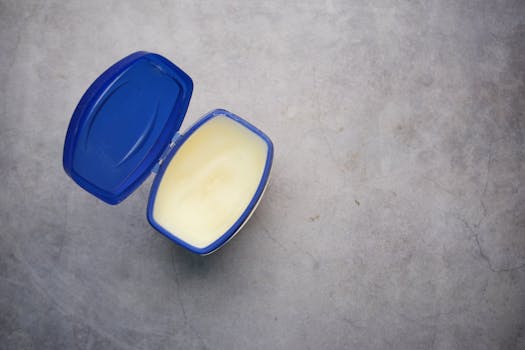
While ingredient tolerance is personal, barrier-friendly moisturizers tend to share functional goals: reduce water loss, support skin lipids, and calm inflammation without adding unnecessary irritants.
Common barrier-supporting components include:
- Occlusives (such as petrolatum or certain fatty acids/esters) to reduce TEWL
- Emollients that soften and smooth, helping the barrier feel less rough
- Humectants like glycerin to pull water into the outer layer
- Anti-inflammatory or soothing ingredients such as panthenol or certain soothing plant-derived compounds (tolerance varies)
For people experiencing moisturizer making skin worse barrier problems, the most important factor is usually tolerance during a flare. A simpler formula with fewer potential triggers can outperform a “high-ingredient” product.
When to use thicker textures and when to avoid them
Barrier dysfunction often improves with more “protective” textures because they reduce water loss. However, the right texture depends on your skin’s tendency toward acne or follicular congestion.
Practical guidance:
- If you’re very dry, tight, or stinging: consider a thicker cream or ointment-like option applied in a thin layer.
- If you’re prone to clogged pores: use a lighter moisturizer in the morning and a targeted thicker layer only on the driest areas.
- If you notice bumps after switching: reassess texture and emollients, and consider reducing the amount or changing the formula.
Texture isn’t a cure by itself; it’s a tool to support the barrier while you reduce irritant load.
How to prevent the cycle of irritation and reactivity
Barrier problems often become a loop: irritation damages the barrier, the damaged barrier increases sensitivity, sensitive skin reacts to more products, and the cycle continues. Prevention focuses on lowering triggers and supporting recovery.
Keep cleansing gentle and consistent
Choose mild cleansers and avoid hot water. Frequent cleansing when not needed can keep the barrier from stabilizing.
Introduce changes one at a time
If you switch moisturizers, add sunscreen, change makeup, or start a new active all at once, it becomes hard to identify what caused the problem. Adjust one variable at a time, and give your skin several days to show whether the change is tolerated.
Be cautious with exfoliation and “strong” actives
Acids and retinoids can be helpful for many skin goals, but they can also worsen barrier dysfunction when used during active irritation. If you’re experiencing stinging or redness, pause intensifying steps until the barrier is calmer.
Consider environmental triggers
Cold weather, low humidity, wind, and indoor heating can worsen dryness and barrier strain. If your symptoms flare seasonally, your barrier may need a more protective routine during those periods.
Relevant product types that often matter during barrier recovery
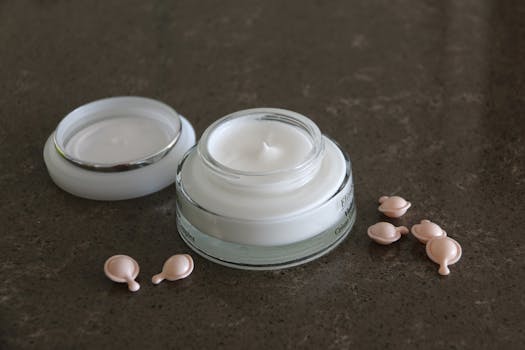
During barrier recovery, the “type” of skincare matters as much as the brand. The following categories commonly influence barrier comfort:
- Gentle cleansers that don’t leave skin feeling squeaky or tight
- Fragrance-free moisturizers with barrier-supporting emollients and humectants
- Simple sunscreen options that you tolerate (some people react to certain filters or formulations)
- Topical treatments (like retinoids or acne medications) that may need spacing or temporary pauses during flare-ups
If you’re using a moisturizer making skin worse barrier problems, it can be helpful to look at the entire routine and adjust the steps that are most likely to irritate—especially cleansing products and any leave-on actives.
When to seek medical guidance
Most barrier irritation improves with routine simplification and time. However, you should seek professional care if you have severe swelling, oozing, crusting, widespread rash, intense pain, or symptoms that rapidly worsen. Conditions like eczema, contact dermatitis, rosacea, or infection can mimic “product irritation,” and targeted treatment may be needed.
If you suspect a specific ingredient is triggering a reaction, a clinician can help confirm whether it’s contact dermatitis and guide safe alternatives.
Summary: stopping the worsening and supporting barrier recovery
When a moisturizer makes skin worse barrier problems, the most common explanations are ingredient sensitivity, insufficient barrier support, or a routine that continues to stress the skin. Start by simplifying your routine, using gentle cleansing, and patch testing. Pay attention to timing—immediate stinging suggests irritants or sensitivities, while delayed changes can indicate cumulative irritation or texture-related congestion. Over time, a barrier-supportive approach—often with fragrance-minimized, lipid-supporting moisturizers and reduced exposure to actives—helps restore comfort and reduces reactivity.
Barrier recovery is usually gradual. The goal is not to find a “perfect” product instantly, but to reduce triggers and give your skin the conditions it needs to stabilize.
01.03.2026. 20:06