

UV index explained: how to interpret sun exposure risk

UV index explained: the science behind a simple number
The UV index is a straightforward way to communicate how strong ultraviolet (UV) radiation from the sun is likely to be at a particular time and place. Unlike temperature, which reflects how warm the air feels, UV strength reflects how much ultraviolet energy is reaching the ground. That matters because UV radiation can damage skin cells, accelerate skin aging, trigger sunburn, and contribute to skin cancer risk.
When you see a UV index value in a weather app or forecast, you’re not just looking at a number for convenience—you’re getting a practical estimate of potential skin harm over a short period. UV index explained well means understanding what the scale represents, why it changes through the day, and how to use it to make sensible decisions about sun exposure.
This guide breaks down the UV index in an evidence-based way, with practical guidance for planning outdoor time, protecting skin, and recognizing when extra caution is needed.
What the UV index measures (and what it doesn’t)
The UV index is designed to express the intensity of UV radiation weighted for its impact on human skin. In other words, it’s not a raw measurement of all UV wavelengths; it’s an index that emphasizes the parts of the UV spectrum most relevant to skin effects.
Most of the skin-relevant UV radiation comes from:
- UVA (315–400 nm): contributes to deeper skin penetration, photoaging, and some indirect pathways of DNA damage.
- UVB (280–315 nm): strongly linked to sunburn and direct DNA damage.
- UVC (100–280 nm): largely absorbed by the atmosphere and typically not a major factor at ground level.
The UV index is typically reported on a scale where higher values indicate greater potential for harm. It’s intended as an actionable risk communication tool rather than a precise prediction of how long a specific person can stay outside without burning.
It also doesn’t account for individual differences like skin type, medication sensitivity, altitude tolerance, or how much of your body is exposed. Two people can experience different outcomes under the same UV index because their skin and behavior differ.
How the UV index is calculated and reported

UV index forecasts are produced using a combination of atmospheric and solar factors. Scientists and meteorological agencies estimate UV radiation reaching the surface based on:
- Solar elevation (how high the sun is in the sky)
- Ozone concentration (ozone absorbs UVB)
- Cloud cover and cloud type (clouds can reduce UV, but not always predictably)
- Atmospheric aerosols (particles in the air can scatter or absorb UV)
- Altitude (UV intensity increases with elevation)
- Surface reflection (snow, sand, and bright surfaces can increase exposure)
Because these inputs can change quickly, UV conditions can shift within hours, even during the same day. That’s why UV index values are often updated or provided for different times of day.
It’s also common to see a single number displayed for a day, along with guidance that the peak typically occurs around midday. But the UV index can rise and fall earlier or later depending on latitude, season, and local geography.
Reading the UV index scale: from low to extreme
Most UV index reporting uses categories that link the number to expected skin risk. While exact thresholds can vary slightly by region, the general interpretation follows a consistent pattern:
- 0–2 (Low): minimal risk for average adults.
- 3–5 (Moderate): protection is still important, especially for sensitive skin or longer outdoor exposure.
- 6–7 (High): sun protection is recommended for most people.
- 8–10 (Very High): extra precautions are needed; sunburn can happen quickly.
- 11+ (Extreme): very high risk; careful protection is essential.
UV index values are not a direct measure of minutes until burn, but the categories help you anticipate how fast UV exposure can become problematic. If you’re planning time outdoors, you can use the category to decide whether to seek shade, cover up, and apply protective measures.
Consider the practical meaning: as the UV index increases, the time window for sunburn generally shortens. That’s a key reason to pay attention to daily peaks rather than only the morning or late afternoon.
Why UV levels change throughout the day
The UV index is strongly tied to the sun’s angle. As the sun approaches its highest point, UV intensity increases. Typically, the UV index reaches its peak when the sun is highest—often around late morning to mid-afternoon, depending on your location and season.
Several factors affect the daily pattern:
- Solar zenith angle: when the sun is more directly overhead, UV travels through less atmosphere and is less attenuated.
- Season: in many regions, summer UV is higher because the sun’s path is higher in the sky.
- Latitude: locations closer to the equator generally experience higher UV.
- Time of year and day length: the duration of high UV can expand in warmer months.
Even when the sky looks bright but not blazing, UV can be significant. UV can also remain high near midday even if the air feels cooler than expected.
Clouds, haze, and “it doesn’t feel that sunny”

Clouds often reduce UV, but they don’t reliably eliminate it. Different cloud types block sunlight differently, and UV can persist through partial cloud cover. Thin clouds, broken cloud layers, or high clouds may allow enough UV to reach the skin for protection to still matter.
A common misconception is that if you don’t feel heat, UV must be low. Heat is influenced by visible light and infrared radiation, which don’t perfectly track UV intensity. You can still receive meaningful UV exposure on a cool or overcast day.
Haze and air pollution can also complicate perception. Some particles scatter sunlight, which may reduce glare while leaving enough UV to cause skin damage. The safest approach is to rely on the UV index forecast rather than your comfort level.
How skin types and behavior affect real-world risk
UV index explained is useful, but it’s not the whole story. Your risk depends on how your skin responds and how much of it is exposed.
Skin type influences sensitivity. People with lighter skin often burn more easily and may require stricter sun protection at lower UV index values. People with darker skin can still experience UV-related damage and should not assume protection is unnecessary.
Behavior and exposure patterns also matter:
- Time outdoors: longer exposure increases cumulative UV dose.
- Body coverage: exposed skin absorbs UV; covered skin absorbs less.
- Surface reflection: water, sand, and bright surfaces can increase exposure by reflecting UV.
- Shade: shade reduces UV compared with full sun, but it’s not always complete protection. UV can be scattered into shaded areas.
- Reapplication habits: sunscreen performance depends on application amount and timing.
Some medications and medical conditions can increase photosensitivity. If you use photosensitizing medications (for example, certain antibiotics, acne therapies, or some anti-inflammatory drugs), UV index risk may be higher than expected. In such cases, it’s wise to follow clinician guidance and treat higher UV index days as higher-risk days.
Practical sun protection using the UV index
The UV index is most useful when it guides choices before you’re already exposed. Rather than waiting until you feel uncomfortable, plan around forecast values.
Here’s a practical way to translate UV index categories into protective actions:
- Low (0–2): basic sun awareness can be enough, especially if you’re outside briefly.
- Moderate (3–5): consider sunglasses and protective clothing for longer outdoor sessions; sunscreen may be appropriate for exposed skin.
- High (6–7): protective measures should be routine—shade when possible, clothing coverage, and sunscreen for exposed areas.
- Very High (8–10): prioritize shade and cover up; sunscreen should be applied generously and reapplied when staying outdoors.
- Extreme (11+): plan for the strongest protection—seek shade, wear protective clothing and hats, and minimize direct midday exposure.
UV index explained also means recognizing that protection isn’t only about sunscreen. A layered approach tends to reduce risk more effectively than relying on a single method.
Sunscreen and the UV index: how to use it effectively
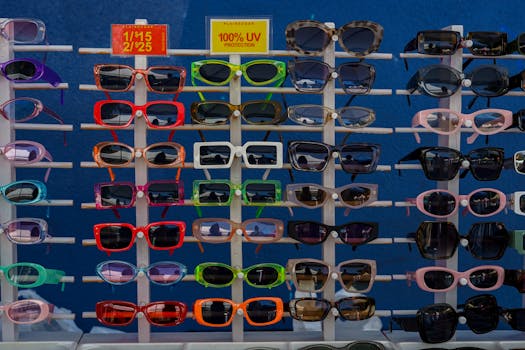
Sunscreen can reduce UV exposure, but its effectiveness depends on correct use. UV index levels help you decide when sunscreen is worth prioritizing and when reapplication becomes more important.
Key practical points:
- Choose broad-spectrum protection: look for products that protect against both UVA and UVB.
- Use enough: applying too little reduces the protection factor you think you’re getting.
- Apply before sun exposure: give it time to form an even layer.
- Reapply appropriately: reapplication is especially important after swimming, heavy sweating, or towel drying, and when staying outdoors for prolonged periods.
- Don’t forget commonly missed areas: ears, scalp (especially with thinning hair), the back of the neck, and tops of feet.
For people with sensitive skin, sunscreen selection can be guided by tolerability and comfort. Many dermatology resources emphasize that sunscreen should be worn consistently rather than treated as a last-minute fix.
In practical skin health routines, sunscreen often pairs naturally with other measures such as hats and UV-protective clothing. For scalp protection, a wide-brimmed hat or a cap designed for sun protection can reduce UV exposure to the face and ears.
Clothing, shade, and hats: why “covering up” works
Fabric and shade can be powerful tools because they reduce the amount of UV reaching the skin. While no barrier is perfect, physical protection tends to be reliable across different weather conditions.
Clothing choices that help:
- Close-weave fabrics generally block UV better than loosely woven materials.
- Long sleeves and long pants reduce exposed skin area.
- Dark or thicker fabrics often provide more UV shielding than thin, light fabrics (though fit and weave still matter).
- Hats: a wide brim can protect the face, ears, and neck.
- Sunglasses: look for UV protection to help protect the eyes and surrounding skin.
Shade is helpful, but you should treat it as partial protection. UV can reflect off surfaces and can still reach skin in shaded areas. Combining shade with clothing and sunscreen typically provides better coverage than shade alone.
UV index and skin aging: beyond sunburn
Sunburn is the most visible short-term effect of UV exposure, but it’s not the only concern. UV radiation contributes to photoaging—changes in skin texture, pigment, and elasticity that develop over time.
UVA is strongly associated with long-term photoaging because it can penetrate deeper into the skin. UVB plays a major role in sunburn and direct DNA damage. Together, they contribute to cumulative skin changes.
This is why UV index explained in a skin health context should include the idea of cumulative exposure. Even when you don’t burn, repeated UV exposure can add up.
People with a history of frequent sun exposure, outdoor work, or regular outdoor recreation may benefit from consistent daily protection habits, especially during months when UV index values are higher.
UV index and skin cancer risk: planning for long-term protection

Ultraviolet radiation is a well-established risk factor for skin cancers. The relationship between UV exposure and cancer risk is complex and influenced by cumulative dose, intermittent intense exposure, skin type, and genetic factors.
UV index values help communicate when conditions are more likely to produce harmful effects. High and extreme UV days are periods where the risk increases—particularly if exposure is prolonged or if protective measures are skipped.
Skin cancer prevention is not only about avoiding peak UV; it’s about reducing overall UV exposure across the year, using protective behaviors consistently, and monitoring skin changes.
If you notice new, changing, or unusual skin lesions, it’s appropriate to seek medical evaluation. Early assessment can be important, and it’s part of responsible skin health.
How to use UV index forecasts for outdoor plans
UV index forecasts can be more useful when you treat them as a planning tool rather than a reactive warning. A few practical approaches:
- Check the forecast before heading out: especially if you’ll be outside around midday.
- Plan activities when UV is lower: schedule strenuous or long outdoor sessions for mornings or late afternoons when feasible.
- Set a protection routine: apply sunscreen and protective clothing before you start, not after you’ve already been exposed.
- Bring sun protection: hats and sunglasses are easy to carry; sunscreen should be accessible for reapplication.
- Re-check if conditions change: weather updates can reflect cloud movement and other atmospheric changes.
For people with children, UV index planning can be especially important because children’s skin can be more sensitive, and they often spend longer periods outdoors. The same logic applies: use the UV index to decide when protection should be most rigorous.
Common UV index myths that lead to under-protection
Misunderstanding UV index can lead to skipping protection. A few common myths:
- “If it’s cloudy, UV is zero.” UV can still be present with cloud cover, depending on cloud type and thickness.
- “If I don’t burn quickly, my risk is low.” Photoaging and other damage can occur without a noticeable burn.
- “Tanning means I’m protected.” Tanning is a sign of skin injury; it doesn’t fully prevent further UV damage.
- “Sunscreen means I can stay out longer.” Sunscreen reduces risk but doesn’t make UV harmless. High UV can overwhelm protection if reapplication and coverage are inadequate.
UV index explained in practice means treating it as a cue to adjust behavior, not as a guarantee of safety.
Prevention guidance: building a skin-safe UV routine
A sustainable skin health approach uses the UV index to guide consistent, layered protection. The goal is not perfection; it’s reducing avoidable exposure and responding to high-risk periods.
Consider a simple routine:
- During moderate to extreme UV days, prioritize shade and protective clothing.
- Use broad-spectrum sunscreen on exposed skin when UV is moderate or higher, and reapply when needed.
- Wear a hat and sunglasses to protect the face, ears, and eyes.
- Pay attention to your skin: if you frequently get sensitive, burn easily, or have a history of skin lesions, adjust protection more aggressively.
Over time, these habits support both short-term comfort and long-term skin health. UV index forecasts help you time your protection so that you’re not relying on guesswork.
In short: UV index explained means using a forecasted measure of UV strength to make better decisions—especially when the number climbs into high, very high, or extreme territory.
FAQ: UV index explained
Is the UV index the same everywhere?
No. UV index depends on location, altitude, time of day, season, cloud cover, and atmospheric conditions. Even nearby areas can differ.
Can UV index be high even if the day feels cool?
Yes. UV intensity doesn’t always match how warm or sunny it feels. UV can remain significant despite cool temperatures or cloud cover.
What does a UV index of 8 or 10 mean for sunburn risk?
It indicates very high UV strength. Sunburn can happen quickly for many people, especially with extended exposure and insufficient protection. Exact timing varies by skin type and behavior.
Does sunscreen stop UV damage completely?
No. Sunscreen reduces UV exposure and risk when applied correctly, but it doesn’t eliminate risk. Reapplication, adequate coverage, and physical protection still matter.
Is shade enough protection when UV index is high?
Shade helps, but it’s not always complete. UV can reflect off surfaces and still reach skin. Combining shade with clothing and sunscreen is more protective.
How often should sunscreen be reapplied?
Follow the product directions and consider reapplication especially after swimming, heavy sweating, towel drying, or prolonged outdoor time.
Can I get UV damage without burning?
Yes. Photoaging and some DNA damage can occur without a noticeable burn, which is why consistent protection is important even on days when you don’t feel burned.
10.04.2026. 09:20