

Best Collagen Supplement Type I & III Hydrolyzed: Buying Guide

Why you’re searching for a Type I & III hydrolyzed collagen
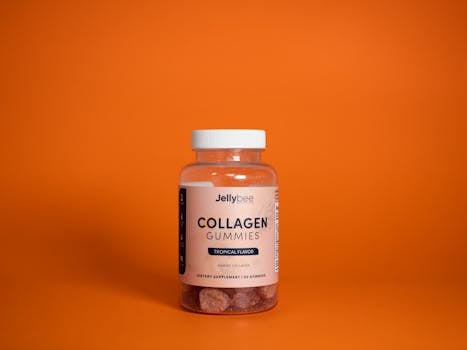
If you’re looking for the best collagen supplement type I type III hydrolyzed, you’re probably trying to solve a very specific problem: your body’s connective-tissue support system doesn’t always keep up with everyday wear and tear. That can show up as skin that feels less bouncy, tendons that recover more slowly after workouts, or general “stiffness” that makes you move more cautiously.
Collagen isn’t one single thing. It’s a family of proteins. Type I is the most abundant type in skin, bones, and tendons. Type III is commonly associated with skin structure and the supportive framework around cells. When you’re choosing a supplement, the “hydrolyzed” part matters because it refers to collagen that’s been broken down into smaller peptides—typically easier to mix into drinks, and generally designed to be absorbed more efficiently than whole collagen.
In this buying guide, you’ll learn what to look for in a Type I & III hydrolyzed collagen product, how to verify the label details, and how to choose a formula that fits your routine and expectations.
Understand the terminology: Type I, Type III, and hydrolyzed peptides
Before you buy, make sure you understand what each label term is telling you.
Type I: skin, tendons, bone support
Type I collagen is the “workhorse” collagen type in your body. It’s heavily present in skin and connective tissues, and it’s also a major component of bones and tendons. If your goal is tissue integrity—especially skin structure or tendon recovery—Type I is usually a key ingredient.
Type III: skin framework and connective structure
Type III collagen is often discussed alongside Type I because it supports the structure around tissues, particularly in skin. It’s frequently included in blends intended for skin elasticity and overall connective tissue support.
Hydrolyzed collagen: why it’s the common choice
“Hydrolyzed” means the collagen has been enzymatically broken into smaller peptide fragments. These are typically easier to incorporate into beverages and capsules and are designed to be absorbed after digestion. Most people searching for hydrolyzed collagen are trying to get peptides that are ready to use rather than a bulk protein that must be broken down further.
Look for wording like “hydrolyzed collagen peptides,” “collagen peptides,” or “hydrolyzed collagen” on the label. If a product just says “collagen” without hydrolyzed peptides, you may be buying a form that’s less targeted for supplement use.
Key features and specifications to check on the label

Not all Type I & III hydrolyzed collagen products are built the same. Use the label like a checklist.
1) The peptide form and what’s actually included
For your goal, you want a product that clearly states it contains Type I and Type III collagen peptides. Some products list “collagen peptides” but don’t specify types. If the type breakdown isn’t stated, you can’t confirm it matches what you’re trying to buy.
When a label does specify Type I and Type III, it may show a ratio (for example, “Type I & Type III collagen peptides”). If there’s no ratio, that’s not automatically bad, but you should still confirm the manufacturer is transparent about the sourcing and type breakdown.
2) Dose per serving (don’t guess—check the grams)
Most collagen peptide supplements land in the range of 5 to 15 grams per day. For tissue integrity goals, many people start around 10 grams daily. If a product offers only 2–3 grams per serving, it may require multiple servings to reach a meaningful daily dose.
Practical tip: look for the grams of collagen peptides per serving, not just the “proprietary blend” size. If you see a blend without specifying how many grams of collagen peptides you’re actually getting, treat that as a red flag.
3) Ingredient list: keep it simple
A Type I & III collagen product can be “plain collagen peptides” or a collagen plus add-ins formula. Add-ins can be useful, but they can also dilute your collagen dose if the label isn’t clear.
Common supporting ingredients you may see include vitamin C (often listed as ascorbic acid), hyaluronic acid, or minerals. Vitamin C is frequently included because it plays a role in collagen formation pathways in the body. You don’t always need extra vitamin C if your diet is strong, but it can be a helpful add-on.
What you’re prioritizing: a clear collagen peptide quantity with a straightforward ingredient list. If you’re sensitive to sweeteners, choose a product with minimal additives or pick an unflavored option.
4) Hydrolyzed collagen source: bovine, marine, or mixed
Collagen is commonly sourced from bovine (cow), marine (fish), or sometimes from other animals. For Type I and Type III, bovine sources are often used in skin and connective-tissue blends. Marine collagen is frequently marketed more for Type I, but some brands blend sources.
If you want to stay aligned with Type I & III specifically, check the source and confirm the label states both types. If you have dietary preferences (for example, you avoid certain animal sources), this is where you’ll make your decision.
5) Third-party testing and quality signals
Third-party testing doesn’t guarantee results, but it does reduce the chance you’re buying a supplement with contamination risk or inaccurate labeling. Look for claims like “tested by” or “certified” and prefer brands that provide a test summary or at least a clear quality standard.
Also check for allergen and manufacturing statements. If you’re buying collagen powder and you’re sensitive to flavorings, sweeteners, or dairy-derived ingredients, the label matters more than the marketing.
6) Solubility and form factor: powder vs. capsules
Both can work. Powder is often easier to dose precisely, especially if you’re starting at 5 grams and scaling to 10 grams. Capsules can be convenient, but you’ll want to confirm how many capsules equal the daily serving size.
For example, if a label says “6 capsules = 3 grams,” you may end up taking a lot of capsules to reach a typical 10-gram daily target. That’s not wrong, but it’s a practical factor.
7) Sweeteners, flavors, and stomach comfort
Some collagen powders are flavored or sweetened to improve taste in water or smoothies. If you’re prone to bloating or sensitivity to sugar alcohols, choose an unflavored or lightly flavored option.
Also consider how you’ll take it. If you’re mixing collagen into hot coffee, you may want a formula that dissolves well and doesn’t clump. Many hydrolyzed collagen powders dissolve readily, but not all do.
What you should prioritize when choosing the right product
Your priorities should match your real goal and your real routine. Here’s a practical way to decide.
Prioritize label clarity over marketing claims
You’re buying a specific type and form: Type I & III hydrolyzed collagen peptides. So prioritize:
- Clear “Type I and Type III” labeling
- Grams of collagen peptides per serving
- Hydrolyzed peptide form
- Simple ingredients (unless you know you want add-ins)
Match dose to your consistency, not just your expectations
Consistency is the part most people underestimate. If you can realistically take 10 grams daily for 8–12 weeks, that’s often more meaningful than buying a “strong” product you won’t use.
For tissue integrity goals, many users evaluate progress over 8 to 12 weeks. Skin-related changes can take longer, while tendon or recovery support may feel more noticeable after repeated training cycles.
Choose a format you’ll actually use
Real-world scenario: you’re training for a 10K and you’re also working long shifts. You want something easy. If you buy capsules but the dose requires 12–15 capsules per day, you’ll likely skip days. If you buy a powder that dissolves well in a shaker bottle, you’re more likely to hit your daily target.
Think about your mornings. If you already blend a protein smoothie, collagen powder can be a seamless add-in. If you prefer plain water, choose a product that mixes without grit and without heavy sweetness.
Be selective with add-ins
Add-ins can be helpful, but they can also complicate your dosing. If you see a “collagen blend” with multiple ingredients, check whether the collagen peptide grams are still meaningful.
If vitamin C is included, check the amount. You don’t need mega-doses for most people, but you do want to avoid products that bury vitamin C in tiny amounts while adding a long list of extra ingredients.
Consider your dietary and lifestyle context
Collagen supplements work best as part of an overall tissue-support routine. If your diet is low in protein, you may not get the full benefit. If you smoke, don’t sleep enough, or train with no recovery, you may blunt results.
You don’t need to be perfect. But you should treat collagen as one tool, not the only lever.
Common purchasing mistakes and misunderstandings
These are the issues that most often lead to disappointment—either because the product doesn’t match the promise, or because the buyer expectation doesn’t align with how supplements work.
Mistake 1: Buying “collagen” without confirming hydrolyzed peptides
If the product doesn’t clearly say hydrolyzed collagen peptides, you may not be getting the intended form for supplement absorption. Look for “hydrolyzed collagen peptides” or equivalent wording.
Mistake 2: Confusing “collagen type” with “collagen source”
Some labels imply type without explicitly stating Type I and Type III. Don’t assume. If your search intent is Type I & III, verify those types are named on the label.
Mistake 3: Ignoring the actual grams per day
Two products can both say “collagen peptides,” but one might be 5 grams per serving and the other might be 10–15 grams. If you buy the smaller-dose product and you don’t adjust servings, you may effectively under-dose.
Mistake 4: Relying on “proprietary blends”
Proprietary blends can be fine, but they make it harder to confirm collagen peptide quantity. If you can’t find the grams of collagen peptides, your ability to compare value is limited.
Mistake 5: Expecting instant results
Collagen peptides support tissue processes, but they aren’t a topical “instant fix.” For many people, the most realistic timeline is 8–12 weeks for noticeable support (and sometimes longer for skin). If you stop after 2 weeks, you’re likely to conclude it “didn’t work” when the timeline simply wasn’t long enough.
Mistake 6: Buying flavored powders when you’re sensitive to sweeteners
Some collagen powders are sweetened to taste great. If you’re sensitive to certain sweeteners or you have digestive issues, flavored products can cause discomfort that makes you quit early.
If you’ve had this experience before, start with unflavored or lightly flavored versions.
Mistake 7: Not checking capsule counts for daily dosing
If capsules are your preference, check how many you need to reach your daily gram goal. Many capsule products look convenient on the bottle, but the math can be inconvenient once you do the daily serving calculation.
Practical buying checklist: your decision framework
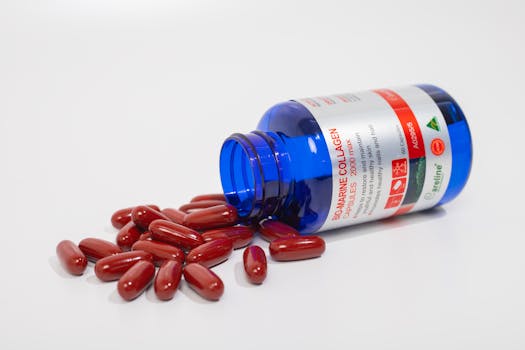
Use this checklist before you add a product to your cart. It’s designed to help you quickly confirm the product matches your intent and your routine.
Step 1: Confirm the product matches your exact collagen goal
- Hydrolyzed collagen peptides are clearly stated
- Type I and Type III are explicitly listed
- If the label is vague, you choose another option
Step 2: Verify the dose you’ll actually take
- Find the grams of collagen peptides per serving
- Decide your target daily dose (commonly 10 grams/day as a starting point)
- For capsules, calculate how many capsules equal your daily grams
Step 3: Check ingredient simplicity and add-ins
- Look for a clean ingredient list
- If vitamin C is included, verify it’s not just a trace amount
- If you don’t want extra ingredients, choose a simpler formula
Step 4: Evaluate quality and trust signals
- Prefer brands that provide third-party testing or clear quality standards
- Check for manufacturing and allergen statements
- Avoid products with unclear sourcing or unclear type claims
Step 5: Choose a format you’ll use every day
- Powder: confirm it dissolves well in your usual drink
- Capsules: confirm you can realistically take the daily count
- Flavored vs. unflavored: choose based on your digestive tolerance
Step 6: Consider the timeline and how you’ll track results
- Plan at least 8 weeks before judging
- Pick one or two signals you care about (skin hydration feel, workout recovery, joint comfort)
- Keep training and protein intake consistent so you can tell what’s helping
Final buyer guidance and recommendations
When you’re shopping for the best collagen supplement type I type III hydrolyzed, the “best” choice is the one that matches your needs and your consistency. Start by confirming the exact label details: hydrolyzed collagen peptides and explicit Type I & Type III inclusion. Then make sure the supplement provides a dose you can stick with—often around 10 grams daily—without requiring a large number of capsules or multiple servings you’ll forget.
If you want a simple, routine-friendly option, look for an unflavored hydrolyzed collagen peptides powder that clearly states Type I and Type III and provides a solid gram dose per serving. Many buyers find that powder blends seamlessly into a morning smoothie or shaker bottle, which supports daily consistency.
If you prefer convenience, choose a capsule product only after you confirm the daily serving count isn’t excessive. If you need 12–20 capsules to reach an effective daily gram target, you may struggle with adherence.
For people who want a bit of extra support, consider formulas that include vitamin C (and only when the collagen dose remains clearly stated). Keep the ingredient list readable and avoid products where the collagen amount is hidden inside a proprietary blend.
Finally, give yourself a realistic testing window. If you’re starting today, plan to re-evaluate after 8–12 weeks with consistent daily use. If you’re training hard, track recovery and comfort across a few training cycles. If your goal is skin support, pay attention to how your skin feels and looks over time rather than expecting immediate changes after a few doses.
If you want a practical way to start quickly, pick one product that meets the checklist above, commit to the daily dose for at least 8 weeks, and keep your protein intake steady. That’s the fastest path to a confident “this works for me” decision.
Natural product mentions to consider (choose based on label match)
Some well-known collagen brands commonly offer hydrolyzed collagen peptides in formats that include Type I and Type III or collagen blends intended for skin and connective tissue support. When you’re considering any brand you’ve seen online—whether it’s a powder or capsule—don’t rely on the marketing alone. Confirm the label includes hydrolyzed peptides, explicitly lists Type I and Type III, and shows the grams per serving.
If you want a starting point, look for a product that offers 10 grams per day (or a serving size that makes it easy to reach that target), dissolves well in your preferred drink, and has clear quality and testing information.
That’s the real shortcut: match your label requirements first, then match your routine.
26.01.2026. 03:19