

Collagen vs Elastin: How Each Supports Tissue Integrity

Collagen and elastin: the structural logic behind tissue integrity

Tissue integrity depends on an internal “design” that can resist stress, recover after movement, and maintain normal function over time. Two major proteins drive much of that performance: collagen and elastin. They are often discussed as if they compete, but in healthy tissues they play complementary roles. Collagen provides strength and a scaffold for organized structure, while elastin enables tissues to stretch and then return toward their original shape.
When collagen and elastin are balanced, tissues typically show good mechanical resilience—skin maintains firmness, blood vessels tolerate pressure changes, and connective tissues handle repeated loading. With aging, chronic inflammation, ultraviolet exposure, smoking, and certain metabolic conditions, the balance shifts. Collagen can become less organized, elastin can fragment, and the overall tissue architecture loses efficiency. Understanding collagen vs elastin tissue integrity clarifies why some tissues sag or stiffen, why scarring and vascular changes occur, and why recovery after injury can vary from person to person.
What collagen does: strength, structure, and organized repair
Collagen is the most abundant protein in the human body and a central component of the extracellular matrix (ECM). It forms strong fibrils that give tissues tensile strength—resistance to stretching forces that pull structures apart. Different collagen types exist, but the common theme is structural support.
Collagen’s role in the extracellular matrix
Collagen fibers act like a scaffold. Cells communicate with this scaffold through receptors and signaling pathways, which influences how tissues behave and remodel. In skin, collagen contributes to firmness and the “grid” that supports the dermal layer. In connective tissues such as tendons and ligaments, collagen helps align fibers to handle mechanical load.
How collagen remodeling affects integrity
Tissue integrity is not just about having collagen—it’s about how it is remodeled. Collagen undergoes continuous turnover: synthesis, crosslinking, and degradation. Enzymes such as matrix metalloproteinases (MMPs) participate in controlled breakdown, while other pathways support new collagen formation. When remodeling remains balanced, tissues maintain strength without excessive scarring or stiffness.
However, several stressors can disrupt this balance. Chronic inflammation can elevate MMP activity, leading to excessive collagen breakdown. Oxidative stress can alter collagen structure and impair normal repair. Over time, collagen crosslinks may become less optimal, contributing to stiffness and reduced elasticity in tissues that should remain compliant.
Clinical implications of reduced collagen organization
When collagen organization declines, tissues often lose the ability to distribute forces evenly. In skin, this can contribute to thinning and sagging. In joints and connective tissues, it can affect how load is transferred, potentially worsening discomfort and mobility. In wound healing, inadequate or disorganized collagen deposition can influence scar quality and tissue strength.
What elastin does: stretch, recoil, and pressure resilience

Elastin provides elastic recoil—the ability to stretch under force and return to baseline when the force is removed. This property is essential for tissues that experience repeated cycles of expansion and contraction, including large blood vessels and certain structures in the skin.
Elastin’s unique mechanics
Elastin fibers are specialized to allow deformation and rapid recovery. This behavior depends on elastin’s molecular structure and its integration within the ECM. Unlike collagen, which is primarily about tensile strength, elastin is about dynamic performance—maintaining function across cycles of stress.
Why elastin degradation matters
Elastin can become fragmented or less functional due to aging, oxidative damage, inflammation, and mechanical stress. When elastin loses integrity, tissues may become less able to recoil properly. For example, in blood vessels, reduced elastin function can contribute to increased arterial stiffness, affecting blood pressure regulation and microvascular health.
In skin, elastin degradation can contribute to loss of snap and resilience. Even if collagen remains present, the inability to return to original shape can change how the skin behaves under stretching forces.
Elastin and tissue communication
Elastin is not only a mechanical material—it also influences cell behavior. ECM components affect cell signaling, including pathways related to inflammation, fibrosis, and tissue remodeling. When elastin integrity declines, signaling patterns can shift toward less favorable remodeling, potentially increasing the risk of fibrosis or chronic tissue dysfunction.
Collagen vs elastin tissue integrity: how they work together
Although collagen and elastin are distinct, tissue integrity emerges from their interaction. Collagen forms a strong framework that resists tensile stress and provides structure. Elastin allows the framework to deform and recover. Together, they support both stability and adaptability.
Mechanical balance across tissues
Different tissues require different collagen-to-elastin performance profiles. Blood vessels must withstand pulsatile pressure and stretch during systole, then recoil during diastole. Skin must handle movement and stretching while maintaining shape. Tendons and ligaments are designed for load transfer and controlled deformation.
When collagen and elastin degrade at different rates, tissue behavior changes. If collagen becomes disorganized and elastin fragments, tissues can become both less supportive and less recoverable—leading to sagging, reduced resilience, or stiffness, depending on the tissue and the dominant failure mode.
Fibrosis, stiffness, and scarring as a shared outcome
One reason collagen vs elastin tissue integrity matters clinically is that many pathological processes involve both. Fibrosis often involves excessive collagen deposition and altered elastin structure. Even when elastin is present, scarring can reduce mobility and recoil, creating a “stiff” tissue state. Conversely, if elastin is lost, collagen may experience altered mechanical loading that influences how it remodels.
Why aging doesn’t affect everything the same way
Biological aging changes collagen and elastin through multiple pathways, but the pattern varies by tissue, genetics, and exposures. Some tissues may show early elastin vulnerability due to repeated mechanical stress or oxidative damage. Other tissues may experience more pronounced collagen crosslink changes. This variability helps explain why two people of the same age can show different skin texture, vascular changes, or connective tissue performance.
Common drivers of collagen and elastin decline
Tissue integrity is influenced by controllable and non-controllable factors. Collagen and elastin degradation is typically not caused by a single mechanism; instead, multiple exposures converge on remodeling pathways.
Ultraviolet radiation and photoaging
Ultraviolet (UV) exposure can increase oxidative stress and inflammation in skin. It also influences enzymes involved in ECM breakdown. Over time, this can reduce collagen content and alter collagen organization while also impacting elastin structure. Photoaging often shows as changes in texture, uneven tone, and reduced elasticity.
Smoking and vascular oxidative injury
Smoking contributes to oxidative stress and impairs microcirculation. Because blood vessels depend on elastin for recoil and collagen for structure, smoking can accelerate vascular aging. It can also impair wound healing by influencing inflammatory signaling and tissue remodeling.
Chronic inflammation and metabolic stress
Long-term inflammatory states can increase ECM-degrading enzyme activity and alter synthesis of new matrix components. Metabolic dysfunction—such as insulin resistance and persistent high blood glucose—can affect crosslinking and remodeling processes, influencing tissue stiffness and repair quality.
Mechanical overload and repeated strain
Tissues adapt to loading, but excessive or poorly tolerated mechanical stress can accelerate breakdown. In some contexts, repeated strain can contribute to micro-injury, which can shift remodeling toward less optimal structural outcomes.
Genetics and baseline ECM architecture
Genetic factors influence how collagen and elastin are produced, how enzymes regulate remodeling, and how efficiently tissues repair after damage. Some individuals may have naturally different ECM turnover patterns, which can influence aging trajectories.
How collagen and elastin changes show up in real life

Because collagen and elastin are distributed throughout the body, their decline can present in multiple ways. The key is recognizing patterns that suggest altered mechanical performance rather than assuming one universal cause.
Skin: firmness, recoil, and texture
When collagen structure declines, skin may appear thinner and less supportive. When elastin function declines, skin may lose elasticity and show reduced recoil after stretching. Together, these changes can contribute to sagging, fine lines, and changes in texture.
Photoaging often amplifies both collagen and elastin damage, while other factors such as weight cycling or prolonged inflammation can shift the balance further.
Blood vessels: arterial stiffness and pulse dynamics
Elastin degradation in arterial walls can contribute to increased stiffness, reducing the ability of arteries to expand and recoil with each heartbeat. This can influence pulse pressure and may affect cardiovascular risk profiles. Collagen remodeling in the vessel wall can also contribute to stiffness and altered structural integrity.
Connective tissues: load transfer and recovery
Collagen is central to tendons and ligaments. If collagen remodeling becomes less organized, tissues can become less efficient at load transfer and may show prolonged recovery after strain. Elastin’s role is less prominent in these tissues than in vessels and skin, but ECM composition and recoil behavior still affect how tissues tolerate repeated motion.
Wound healing and scarring
Wound healing depends on coordinated ECM deposition and remodeling. Collagen is essential for wound closure and strength, but the quality and arrangement of new collagen determine scar characteristics. Elastin also contributes to normal tissue mechanics. When remodeling becomes dysregulated, scarring may be more prominent and tissue mobility may be reduced.
Practical guidance to support tissue integrity
Improving collagen vs elastin tissue integrity is rarely about one single intervention. Instead, it’s about reducing drivers of damage and supporting healthy remodeling. The most reliable approach is to target the mechanisms that influence ECM turnover: oxidative stress, inflammation, UV exposure, and metabolic strain.
Reduce UV-related ECM damage
UV exposure is one of the most significant modifiable influences on skin collagen and elastin. Practical measures include consistent sun protection (especially during peak exposure hours) and protective clothing when appropriate. If you have medical conditions that affect skin health, tailor sun protection strategies with your clinician.
Support vascular health to protect elastin-dependent recoil
Because elastin contributes strongly to vascular function, strategies that support cardiovascular health can indirectly support tissue integrity. Regular physical activity, blood pressure management, and avoiding smoking help reduce oxidative injury and inflammatory burden on vessel walls. Sleep and stress management also influence inflammatory signaling and metabolic regulation.
Choose nutrition that supports remodeling
ECM remodeling requires cellular resources and appropriate nutrient availability. Protein intake supports amino acid availability for tissue repair. Vitamin C is involved in collagen-related processes. Micronutrients and polyphenol-rich foods can influence oxidative balance. Hydration supports overall tissue environment, though hydration is not a direct elastin “fix.”
Rather than chasing a single nutrient claim, focus on a dietary pattern that supports stable metabolic health, adequate protein, and a range of antioxidants from fruits, vegetables, legumes, and whole grains.
Manage blood glucose and metabolic stress
Persistent high blood glucose can influence tissue crosslinking and remodeling efficiency. Improving metabolic control—through diet quality, appropriate activity, and medical management when needed—can reduce the risk of stiffening and impaired repair.
Use training and recovery principles that respect tissue mechanics
Connective tissue integrity depends on appropriate loading. Overtraining, poor technique, and insufficient recovery can increase micro-injury and shift remodeling in a less favorable direction. Progressive training, adequate rest, and attention to pain signals can help tissues adapt rather than break down.
Understand the role of topical and procedural interventions
Some dermatologic interventions can influence collagen remodeling and skin elasticity. For example, topical retinoids are widely studied for effects on collagen-related pathways and skin texture. Laser and energy-based treatments can stimulate remodeling but should be considered in the context of your skin type, risk factors, and goals. Professional guidance is important because the same intervention can affect different individuals differently.
For elastin specifically, interventions tend to work indirectly by modulating the ECM environment and inflammation rather than “replacing” elastin in a straightforward way. The most practical goal is supporting a healthier ECM turnover pattern.
Where supplements fit—and where they don’t
People often ask whether collagen or elastin supplements can directly restore tissue integrity. The evidence is mixed and depends on the specific outcome being measured. A key point is that oral supplements may influence remodeling indirectly, but they do not override the effects of UV exposure, smoking, metabolic dysfunction, or chronic inflammation.
Collagen supplements: potential effects on skin parameters
Several studies suggest that collagen peptides may improve aspects of skin hydration, elasticity, and wrinkle appearance in some populations. However, improvements are not universal, and outcomes often reflect changes in skin properties rather than a direct measurement of restored elastin architecture.
When collagen peptides are used in research, the formulation matters (dose, hydrolysate type, and study design). If you consider collagen peptides, it’s best to view them as one supportive factor within a broader tissue-integrity plan.
Elastin supplements: limited direct evidence
Elastin is a more complex target for supplementation because the body’s ability to incorporate dietary proteins into functional elastin structures is not straightforward. As a result, elastin supplements may not produce the direct tissue incorporation people expect. If elastin is considered, it should be framed as potentially supportive rather than restorative.
Vitamin C, glycine, and amino acid availability
Collagen-related processes depend on amino acids and cofactors. Vitamin C is involved in collagen synthesis pathways. For people with inadequate dietary intake, correcting deficiencies can be more impactful than supplementing on top of already adequate nutrition.
Relevant “products” mentioned in a neutral, informational way
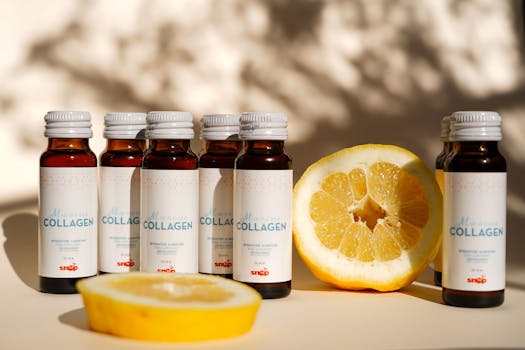
In clinical and informational discussions, you may see terms such as collagen peptides, hydrolyzed collagen, or elastin included in supplement labels. Some also include vitamin C or hyaluronic acid for skin hydration claims. From a tissue integrity standpoint, these ingredients may influence aspects of the skin environment, but they do not replace the need for UV protection, metabolic control, and anti-inflammatory lifestyle strategies.
When to seek medical input for tissue integrity concerns
While lifestyle and general preventive care support ECM health, some symptoms deserve clinical evaluation. If tissue integrity issues are accompanied by pain, functional limitation, rapid progression, or signs of systemic disease, medical assessment helps identify underlying causes.
Signs that may indicate more than “normal aging”
- Wounds that heal slowly or repeatedly break down
- Unexplained skin changes with significant scarring or discoloration
- Vascular symptoms such as unusual shortness of breath, chest discomfort, or significant changes in blood pressure patterns
- Joint or tendon problems that persist despite appropriate rest and rehabilitation
- Symptoms suggestive of connective tissue disorders (e.g., unusual skin elasticity changes, hypermobility, or family history)
Why evaluation matters for collagen and elastin pathways
Some conditions involve collagen and elastin remodeling directly, including certain inflammatory or connective tissue disorders. Others involve metabolic or vascular pathology that accelerates ECM changes. A clinician can help determine whether the issue is primarily mechanical, inflammatory, metabolic, or related to a specific diagnosis.
Prevention guidance: maintaining collagen vs elastin tissue integrity over time
Long-term tissue integrity is built through consistent prevention rather than short-term fixes. The goal is to preserve balanced ECM remodeling so tissues can recover after normal stress and maintain their mechanical function.
Core prevention priorities
- Protect from UV: consistent sun protection to reduce photoaging drivers
- Avoid smoking: reduces oxidative and inflammatory injury to ECM
- Maintain metabolic health: stable blood glucose and healthy body composition support repair processes
- Exercise regularly: improves vascular function and supports tissue adaptation
- Prioritize recovery: avoid chronic overloading that can shift remodeling unfavorably
- Support nutrition: adequate protein and micronutrients that support collagen-related pathways
- Manage inflammation: address chronic inflammatory conditions with appropriate medical guidance
A realistic expectation for outcomes
Collagen and elastin integrity decline is gradual. Improvements from lifestyle and supportive interventions are typically incremental and cumulative. The most effective prevention strategy is to reduce ongoing damage and support normal remodeling so the body can maintain tissue function as efficiently as possible.
Summary: the practical takeaway on tissue mechanics
Collagen vs elastin tissue integrity is best understood as a partnership. Collagen provides the structural scaffold that resists tensile stress, while elastin enables stretch-and-recoil behavior that supports tissues under repeated mechanical demands. Aging and many environmental and metabolic stressors can disrupt both proteins, leading to changes in skin resilience, vascular stiffness, and connective tissue performance.
To support tissue integrity, focus on prevention: consistent UV protection, smoking avoidance, metabolic control, regular activity with appropriate recovery, and nutrition that supports remodeling. Supplements may play a limited supportive role in some contexts, but they do not replace foundational protective habits. When concerns are significant or rapidly worsening, clinical evaluation helps identify treatable drivers of collagen and elastin dysregulation.
22.04.2026. 11:20