

Mobility for Tissue Integrity: Range of Motion, Load, Recovery

Goal: use mobility to support tissue integrity with the right range, load, and recovery
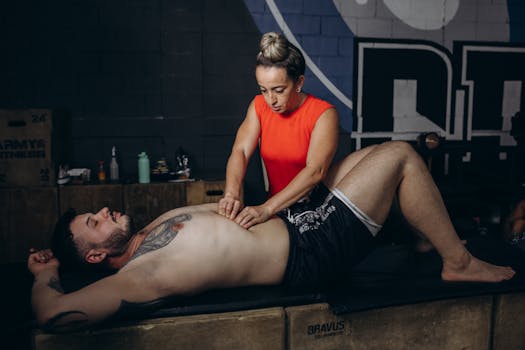
Mobility isn’t just about getting “looser.” For tissue integrity, mobility is the process of moving a body segment through a controlled range of motion (ROM) while gradually teaching tissues how to tolerate load. When mobility is paired with smart loading and recovery, you improve movement quality and reduce the odds of irritation that often comes from either under-mobilizing (stiff, unresponsive tissues) or over-stretching (too much too soon).
This guide walks you through a practical approach to mobility for tissue integrity range of motion load recovery: how to select the ROM you can control, how to apply load without provoking symptoms, and how to recover so tissues adapt rather than flare.
Preparation: assess symptoms, choose your ROM targets, and set up your session
Before you start, you need a clear safety boundary and a workable plan. Tissue irritation usually shows up as pain that changes your movement pattern, lingering soreness that worsens day to day, or a “pinchy” sensation that doesn’t settle as you move.
1) Confirm you’re safe to train mobility
- If you have severe pain, numbness/tingling that travels, unexplained weakness, fever, or recent major injury, pause and get clinical guidance.
- Use a symptom rule: during mobility work, aim for discomfort that stays mild and predictable. If symptoms spike or shift to sharp pain, stop that variation.
2) Identify your tissue target and movement pattern
Pick one area to focus on for 1–2 weeks (for example: ankle dorsiflexion, hip flexion/rotation, thoracic extension, shoulder external rotation, or thoracolumbar side-bending). Mobility for tissue integrity works best when you connect mobility drills to the positions that matter in your daily life or training.
- Choose a ROM you can access without compensating heavily (for example, hip hiking instead of hip flexion).
- Note the end-feel: capsular/firm, muscular/soft, or jointy/stabby. This helps you choose the right intensity and loading style.
3) Set up tools you can use consistently
You don’t need much, but consistency matters. Gather:
- A stable wall or bench for support
- A foam roller or massage ball (optional, for tissue warm-up)
- A strap/belt for assisted mobility (useful for shoulders, hips, hamstrings)
- A light load option for controlled loading (a kettlebell/dumbbell, band, or bodyweight progression)
- A timer and a way to track sessions (notes app is enough)
Step-by-step: build mobility for tissue integrity using ROM, load, and recovery
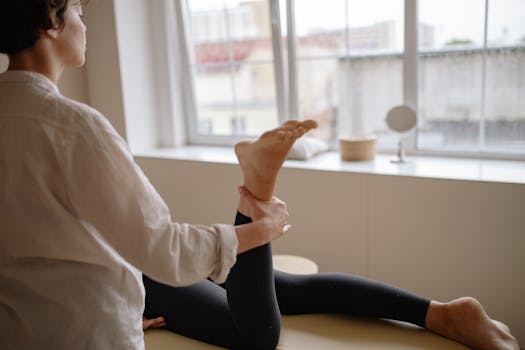
Use this sequence each session. The key is to move through ROM with control, then add a deliberate loading stimulus, and finally recover in a way that supports adaptation.
Step 1) Warm the system with low-threat movement (5–8 minutes)
- Choose 2–3 movements that match your target area (for example: ankle rocks, hip hinges, thoracic rotations, scapular retractions).
- Keep intensity low—think “move smoothly, not deeply.”
- Goal: increase tissue temperature and nervous system readiness so end-range work feels safer.
Practical example: If your goal is better hip mobility for squatting, warm with bodyweight hip hinges and controlled lunges while keeping your torso tall and pelvis stable.
Step 2) Establish your controlled end-range (ROM you can own)
- Find the end of your comfortable ROM for the target movement.
- Use support if needed to reduce compensations (hands on wall, bench support, or straps).
- Mark it mentally: you should be able to repeat the same position with similar control across sets.
This is where tissue integrity starts: mobility becomes safer when you can control the position, not just reach it once.
Step 3) Perform active mobility to “train access” (2–3 sets)
- Use active movements that move you through ROM without relying on external force.
- Pick a tempo you can control (for example, 2 seconds to move into range, 2 seconds to return).
- Stop with good mechanics; you should not need to “crank” the joint to get the repetition.
Practical examples by region:
- Ankle: knee-to-wall rocks with heel down, then slow return.
- Hip: controlled floor-to-stand hip flexion or 90/90 transitions.
- Thoracic: open-book rotations with ribs moving, not just hips.
- Shoulder: wall slides emphasizing upward rotation and smooth control.
Step 4) Add assisted mobility only to the point of control (1–2 sets)
- Use a strap, band, or hands to reach a slightly deeper ROM than you can actively access.
- Hold for 10–20 seconds, then return slowly.
- Keep it submaximal: the aim is tolerance and accuracy, not maximum stretching.
If your end-feel is sharp or unstable, reduce assistance and return to Step 3 until control improves.
Step 5) Convert mobility into tissue loading (the “range of motion → load” bridge)
Now you apply load in a way that reinforces tissue integrity. The goal is not to overload the end range; it’s to teach the body to tolerate that position under tension.
- Choose a loaded movement that uses your target ROM (for example, a split squat pattern for hip mobility, or a supported squat pattern for ankle/hip integration).
- Start at a depth and difficulty where you can keep symptoms mild and mechanics consistent.
- Use 3–4 sets of 4–8 reps, or a time-based approach (for example, 3 sets of 20–40 seconds of controlled holds).
Practical examples:
- Ankle: supported calf raises with slow lowering, aiming to control knee travel over the toes while maintaining heel contact.
- Hip: goblet split squats to a depth you can control without pelvic collapse.
- Thoracic: quadruped thoracic rotations while holding a light dumbbell or using band tension for controlled loading through the trunk.
- Shoulder: cable/band external rotation holds at a comfortable angle, then progress toward greater elbow position control.
Intensity guidance: use loads that feel like effort, not danger. If you feel a sharp pinching sensation at end range, reduce depth, reduce load, or adjust the angle.
Step 6) Use recovery-friendly unloading immediately after (1–3 minutes)
- After loaded mobility, do gentle range sweeps or breathing-based relaxation through the target position.
- Keep it easy: the aim is to downshift the nervous system and reduce local irritation.
Example: if you loaded ankle dorsiflexion, do 30–60 seconds of relaxed knee rocks with minimal effort, then stand and breathe for a minute.
Step 7) Add a short “recovery dose” the same day or next day
Tissue adaptation depends on recovery. This doesn’t mean passive rest only—it means choosing recovery that supports remodeling and reduces sensitivity.
- Light movement: 5–15 minutes of easy walking or cycling to promote circulation.
- Gentle mobility: 1–2 sets of active ROM without loading, just to maintain access.
- Optional soft tissue work: 1–2 minutes of gentle rolling or massage ball work on surrounding tissues, not aggressive grinding into pain.
If you’re training hard, place your mobility session after a lighter training day or at the end of a warm-up to avoid stacking fatigue on end-range loading.
Common mistakes that disrupt tissue integrity during mobility
Mobility programs often fail because they chase range without respecting tissue tolerance. Watch for these issues and correct them early.
1) Overstretching into sharp or unstable end range
Sharp pain, catching, or a sense of instability suggests the tissue or joint is not ready for that stimulus. Back off to a ROM where you can move smoothly and repeat the position.
2) Using end-range holds when you can’t control the mechanics
End-range holds are useful only when you can keep alignment. If you’re collapsing at the hip, rotating the torso, or losing neutral, you may be loading the wrong structures.
3) Skipping the load bridge
Many people stretch, then never apply load through the new range. Tissues learn tolerance through combined movement and loading. Without that bridge, improvements may not translate into daily function or training performance.
4) Progressing ROM faster than you progress control and capacity
Progress should be staged: first access, then control, then load, then deeper range. If your ROM increases but your loaded movement worsens, your capacity isn’t keeping up.
5) Training the same tissue hard every day
Mobility can feel “light,” but loaded end-range work is still a training stimulus. If symptoms increase day-to-day, reduce frequency or intensity.
Additional practical tips and optimisation advice for better ROM, load recovery
Use these strategies to make your mobility work more repeatable and tissue-friendly.
Optimise your session design with a simple progression model
- Week 1–2: emphasize active mobility and controlled assisted access. Keep loaded work at a conservative depth.
- Week 3–4: increase either reps, time under control, or load slightly—without increasing end-range stretch intensity.
- Beyond: progress depth gradually only when loaded mechanics stay stable and symptoms remain mild and short-lived.
Track the “quality markers” each session: how repeatable your end range feels, whether loaded movement stays smooth, and whether soreness is decreasing rather than accumulating.
Use symptom timing to guide next-session recovery
Instead of guessing, observe how your body responds:
- If you feel mild fatigue that fades within 24 hours, you’re likely within a good training zone.
- If you feel escalating irritation into the next day, reduce loaded depth or frequency and return to active mobility for a few sessions.
- If you consistently flare in the same ROM spot, adjust the angle and range you’re loading, not just the intensity.
Match recovery to the type of mobility stimulus
- If you used deeper assisted ROM: prioritise gentle active movement and walking the next day.
- If you used loaded end-range work: keep other training lower impact for 24–48 hours, and choose recovery-focused movement rather than extra stretching.
- If you trained frequently: reduce loaded sets and maintain access with lighter active work.
Consider “tissue-friendly” equipment and positioning
When you need assistance, tools can help you stay aligned and reduce compensations:
- A strap for assisted shoulder external rotation can help you avoid forcing the joint by collapsing your torso.
- A wall or bench support for ankle mobility helps maintain heel contact and improves transfer to squatting mechanics.
- A light band for shoulder work can provide controlled tension without heavy joint compression.
Use equipment to make the movement repeatable, not to bypass control.
Build transfer: choose at least one loaded movement that mirrors real function
Mobility for tissue integrity should show up in your functional patterns. After your mobility work, practice one short “transfer” set of the movement you care about (for example, a squat, lunge, overhead reach, or hinge) using a ROM that matches your current capacity.
- Keep it submaximal: the transfer should feel better, not worse.
- Use crisp technique cues (for example, “ribs down,” “pressure through midfoot,” or “elbow tracks in line”).
Example weekly structure for many people
If you train 3–5 days per week, you can integrate mobility without overloading:
- 2–3 sessions/week: the full ROM + load + recovery sequence for your chosen tissue area.
- 1–2 micro-sessions/week: 5–10 minutes of active mobility plus one easy loaded movement.
- Daily: easy walking and posture movement to keep tissues calm and responsive.
Adjust frequency based on response. If symptoms build, reduce the loaded portion first.
Know when to stop and reset
Reset your plan if:
- You can’t repeat the same end range with the same control across sets.
- Loaded work produces symptoms that persist beyond 24–48 hours.
- Your movement quality deteriorates despite increased effort.
In these cases, return to active mobility and reduce assisted depth for several sessions. Then rebuild the load bridge more conservatively.
How to apply mobility for tissue integrity range of motion load recovery to your next session
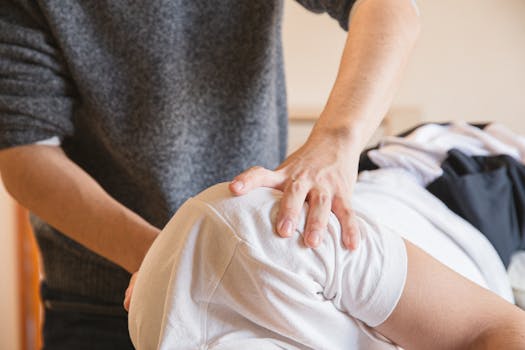
Before you train, choose one target area and one functional movement. Then run the sequence: warm with low-threat movement, establish controlled end range, do active mobility, add assisted mobility only to the point of control, convert it into a loaded movement through that range, and recover with gentle unloading and light activity.
When mobility is organized this way, you’re not just chasing flexibility—you’re training tissues to tolerate movement and load across a usable range. That’s the foundation for durable tissue integrity and movement you can rely on.
28.01.2026. 23:45