

CRP vs IL-6 vs TNF-alpha biomarkers explained

Inflammation markers in plain language

When clinicians talk about inflammation, they often reference biomarkers—measurable substances in blood or other samples that can reflect immune activity. Among the most commonly discussed are CRP (C-reactive protein), IL-6 (interleukin-6), and TNF-alpha (tumor necrosis factor alpha). Each one is linked to a different step in the inflammatory process, with distinct timing, strengths, and limitations.
This guide explains what CRP, IL-6, and TNF-alpha are, why they rise, how to interpret them, and what practical considerations matter when comparing results across tests and patients. The goal is not to “rank” biomarkers, but to understand what each one can—and cannot—tell you about inflammation.
What CRP measures and when it changes
CRP is an acute-phase protein produced mainly by the liver. It increases in response to inflammatory signaling, particularly cytokines such as IL-6. Because CRP is downstream of cytokine activity, it often rises after the immune system has already been activated.
What CRP is telling you:
- Magnitude of systemic inflammation: Higher CRP generally reflects a stronger inflammatory response somewhere in the body.
- Broad signal: CRP does not point to a specific cause. It can rise with infections, autoimmune flares, tissue injury, and other inflammatory conditions.
- Useful for monitoring: CRP can change relatively quickly, so it’s frequently used to follow trends over time rather than as a one-time diagnostic.
Timing matters: In many inflammatory scenarios, CRP may begin increasing within about 6–12 hours and can peak around 24–72 hours, depending on the trigger. This makes CRP helpful when clinicians want to track whether inflammation is improving or worsening.
Common interpretation pitfalls:
- Not specific: A high CRP does not by itself identify the source of inflammation.
- Baseline differences: Some people have chronically elevated CRP due to factors like obesity, smoking, metabolic syndrome, or chronic inflammatory diseases.
- Assay variability and units: Different labs may use different reference ranges and reporting units (mg/L is common). Always interpret in context of the lab’s range and the clinical picture.
IL-6: a cytokine that sits closer to the immune “switch”

IL-6 is a cytokine—a signaling protein released by immune and other cells. It plays a central role in initiating and amplifying inflammatory responses. IL-6 is also a key driver of CRP production in the liver, which is why IL-6 and CRP often move together, though not always perfectly.
What IL-6 is telling you:
- Active cytokine signaling: Elevated IL-6 suggests that immune pathways are actively engaged.
- Potential for earlier signal: Because IL-6 is upstream of CRP, IL-6 may rise before CRP in some acute processes.
- Pathway insight: IL-6 is involved in fever, acute-phase responses, and immune cell regulation.
Timing and variability: IL-6 can be more transient than CRP. Cytokine levels may rise and fall quickly, depending on the trigger and sampling time. A single IL-6 measurement may therefore be harder to interpret without knowing when symptoms began and how treatment or disease activity is evolving.
Practical interpretation considerations:
- Biologic context: IL-6 can be elevated in infections, inflammatory diseases, and some malignancies.
- Influence of interventions: Treatments that target inflammatory pathways can rapidly alter cytokine levels.
- Sampling timing: If blood is drawn after the peak, IL-6 may appear less elevated even when inflammation is ongoing.
TNF-alpha: a key mediator of inflammation and immune activation
TNF-alpha is another cytokine, often described as a “master regulator” of inflammation because it can drive a wide range of immune responses. It influences immune cell recruitment, activation, and the production of other inflammatory mediators.
What TNF-alpha is telling you:
- Immune activation: Elevated TNF-alpha suggests strong signaling through inflammatory pathways.
- Mechanistic relevance: TNF-alpha is central to several chronic inflammatory diseases and is part of the rationale for therapies that block TNF-alpha.
- Potential association with severity: In some conditions, higher TNF-alpha correlates with disease intensity, though the relationship varies by disease and stage.
Why TNF-alpha can be tricky:
- Short-lived signals: TNF-alpha may be produced in bursts and can be less stable in circulation compared with CRP.
- Assay differences: Different test methods may yield different absolute values. Some assays measure TNF-alpha directly, while others infer activity through related markers.
- Biologic compartment effects: Inflammation may be localized. TNF-alpha activity might occur in tissues even if serum levels are modest.
Clinicians therefore interpret TNF-alpha with caution and typically alongside other biomarkers, symptoms, and disease-specific markers.
How these biomarkers relate to each other
CRP, IL-6, and TNF-alpha are connected, but not interchangeable. A simplified framework helps clarify their relationships:
- IL-6 and TNF-alpha are upstream cytokines that initiate inflammatory signaling.
- CRP is a downstream acute-phase reactant produced in response to cytokine signaling, especially IL-6.
In many inflammatory states, IL-6 rises, which can stimulate CRP production, leading to a subsequent increase in CRP. TNF-alpha can also drive inflammatory cascades and contribute to downstream responses, but the pattern can differ by condition and timing.
Why you may see mismatches:
- Different phases of illness: Cytokines can peak earlier, while CRP may lag and then persist.
- Different dominant pathways: Some diseases are more TNF-driven, others more IL-6-driven, and many involve both.
- Individual biology: Age, comorbidities, and baseline inflammation can alter how strongly each marker responds.
- Sampling timing and treatment: Steroids, immunomodulators, antibiotics, and biologics can change cytokine dynamics and CRP kinetics.
Interpreting results in real clinical scenarios
Numbers alone rarely answer the question “What is causing inflammation?” The most useful interpretation integrates biomarker patterns with symptoms, exam findings, and other lab tests.
Acute infection and systemic inflammation
In bacterial infections, CRP commonly rises and can be used to monitor response to therapy. IL-6 may provide earlier signaling in some cases, while TNF-alpha can reflect robust immune activation. However, viral infections, localized infections, and noninfectious inflammatory conditions can also raise these markers, sometimes in overlapping ways.
Practical guidance: Look for trends over time and interpret alongside white blood cell count, cultures when appropriate, imaging, and clinical severity. A single CRP or cytokine measurement is often insufficient for distinguishing cause.
Autoimmune and inflammatory disease flares
In autoimmune conditions, CRP can rise with systemic inflammation, while IL-6 and TNF-alpha may reflect cytokine-driven disease activity. The pattern may vary depending on the specific disease and the inflammatory pathway most active in that patient.
Practical guidance: If a patient is starting or adjusting anti-inflammatory therapy, repeat testing can help clarify whether the inflammatory signal is dampening. Still, clinical assessment remains central.
Chronic inflammation and baseline elevation
Some people have persistently elevated CRP due to chronic conditions or metabolic factors. Cytokines like IL-6 and TNF-alpha may also be elevated, but they can be more variable and are not always reliably “stable” markers of chronic low-grade inflammation.
Practical guidance: For chronic contexts, clinicians often interpret CRP in relation to baseline, other inflammatory markers, and risk factors. It’s important not to assume every CRP rise represents an acute event.
Testing details that affect interpretation
Even when biomarkers are measured correctly, interpretation can be affected by test design, specimen handling, and lab methods.
Assay type and sensitivity
Different labs may use different immunoassays with varying sensitivities and reference intervals. For cytokines, low-level results can be particularly sensitive to assay performance. Always review the lab’s reference range and the unit (and whether the result is above or below the detectable limit).
Timing of blood draw
Because cytokine levels can fluctuate, the timing of collection relative to symptom onset (and relative to medication changes) can strongly influence IL-6 and TNF-alpha. CRP tends to be more stable and may be more informative for follow-up over days.
Intercurrent factors
- Medications: Corticosteroids and biologics can rapidly alter cytokine signaling and downstream CRP.
- Comorbidities: Kidney disease, obesity, and chronic inflammatory disorders can shift baseline levels.
- Acute tissue injury: Trauma and surgery can raise CRP and cytokines even without infection.
Where “direction” matters more than a single number
In many settings, the most clinically meaningful information is whether inflammation is moving in the right direction. CRP is often used to monitor response because it changes in a predictable way. IL-6 and TNF-alpha can add mechanistic context, but they may require repeated measurements or disease-specific interpretation.
Practical approach:
- Use CRP trends to assess whether systemic inflammation is increasing or improving.
- Consider IL-6 as a closer look at cytokine signaling, especially when timing is well understood.
- Interpret TNF-alpha with caution due to variability, and rely on broader clinical context and other markers.
When patients are being evaluated for inflammatory causes, clinicians typically combine these biomarkers with additional labs (such as ESR, ferritin, procalcitonin when relevant, or disease-specific autoantibodies), imaging, and symptom patterns.
Helpful guidance for patients and clinicians discussing biomarkers
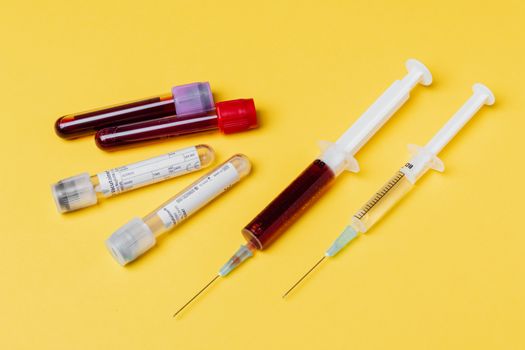
If you’re reviewing CRP, IL-6, and TNF-alpha results with a clinician, a structured discussion can reduce confusion:
- Ask what question the test is trying to answer: Is it assessing severity, monitoring treatment response, or supporting a diagnosis?
- Review timing: When did symptoms start, and when was blood drawn relative to onset or medication changes?
- Check reference ranges and units: Make sure you’re interpreting the lab’s normal range and reported units correctly.
- Look at trends and patterns: One result is often less informative than how results change over time.
- Consider baseline inflammation: Chronic conditions and risk factors can elevate CRP even when there is no acute infection.
In many healthcare systems, CRP is widely available and frequently measured, while IL-6 and TNF-alpha testing may be less routine and more specialized. Some laboratories offer cytokine panels through standard blood testing workflows; clinicians may also order these assays when mechanistic insight is important for a specific diagnostic or research context.
For example, in research and certain clinical settings, IL-6 and TNF-alpha may be measured using established commercial immunoassays. Laboratories such as those providing cytokine testing services may report results using their validated methods and reference ranges; therefore, comparing values across different labs should be done cautiously.
Summary: how to use CRP vs IL-6 vs TNF-alpha biomarkers
CRP, IL-6, and TNF-alpha are linked to inflammation but represent different layers of the immune response. CRP is a downstream acute-phase protein that often rises after cytokine signaling and is useful for tracking systemic inflammation over days. IL-6 is an upstream cytokine that can reflect active immune signaling and may change earlier than CRP, though it can be transient. TNF-alpha is another upstream mediator that can indicate strong inflammatory activation, but serum levels may vary and interpretation often requires clinical context.
In practice, the best interpretation comes from combining biomarker results with timing, symptoms, physical findings, and other laboratory or imaging data. If inflammation is suspected, trends over time—especially for CRP—often provide the clearest signal. IL-6 and TNF-alpha can add mechanistic insight, but they should be interpreted with care given variability, assay differences, and the influence of treatment.
Finally, prevention and risk reduction still matter: managing chronic conditions, addressing modifiable risk factors, and following clinician guidance for inflammatory disease care can reduce the likelihood of prolonged or recurrent inflammatory activity—reflected across biomarkers in the long run.
05.03.2026. 23:13