

Reset Cortisol Rhythm Morning & Evening: A Practical 14-Day Plan

Goal: reset your cortisol rhythm morning and evening so your days feel steadier
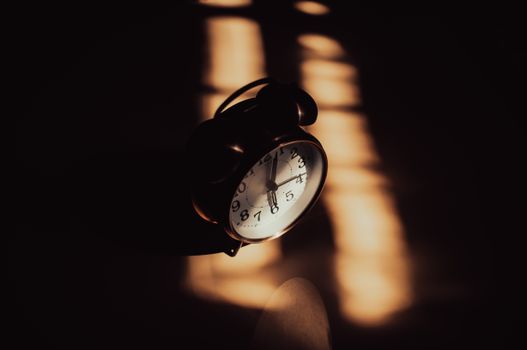
Your cortisol rhythm is the timing pattern of how your body releases cortisol across the day. When that rhythm is off—often from late light exposure, irregular sleep, stress spirals, or inconsistent meal timing—you may feel wired at the wrong times, tired when you should be alert, and more hungry or restless in the evening.
This guide shows you how to reset cortisol rhythm morning evening using practical, repeatable behaviors. You won’t need complicated supplements or perfect discipline. You need a consistent rhythm: morning light cues, evening wind-down cues, and a few timing anchors that tell your nervous system what “day” and “night” mean.
By the end of a 14-day routine, you should notice smoother energy, fewer late-day crashes, and easier sleep onset. Results vary, but the process is measurable: your wake time stability, bedtime consistency, and perceived stress should improve.
Preparation: set your baseline and gather the tools that actually matter
Before you change anything, set yourself up to succeed. The goal is to make your cues consistent enough that your body can re-learn timing.
1) Track for 3 days (no judgment)
For three days, note:
- Wake time (hour and minute)
- Time you get outdoor light or daylight exposure
- First meal time
- Last caffeine (time)
- Bedtime and time you try to sleep
- Approximate sleep onset (e.g., “fell asleep in ~25 minutes”)
- Evening cortisol signs: restlessness, racing thoughts, late hunger, or “wired but tired” feeling
This baseline helps you pick the right starting points. If your wake time swings by more than 60 minutes, focus on that first.
2) Tools and setup
- Outdoor light access: a balcony, yard, or a nearby sidewalk/crosswalk. You’re aiming for real daylight, not indoor lighting.
- Blue-light control for evening: either a screen schedule (dim/filters) or glasses if that’s part of your routine. You don’t need perfection—just consistency in the last 60–90 minutes before bed.
- A simple meal timing plan: choose a first-meal window and an evening cutoff.
- Movement option: a walk, light workout, or mobility routine you can repeat.
- Optional: a morning alarm that doesn’t require “scrolling” to wake up. If you use supplements, keep them consistent and time them carefully (more on that later).
If you use products like light therapy devices (10,000 lux) or blue-light blocking glasses, you can incorporate them. Use them as tools for timing, not as a replacement for sleep and light habits.
Step-by-step: reset cortisol rhythm morning evening in 14 days

Follow these steps in order. You’ll repeat the same structure daily, then fine-tune based on how you feel.
Day 1–2: lock in your anchors (wake time, morning light, caffeine cutoff)
These first steps are about building a reliable circadian “clock signal.”
1) Choose a fixed wake time and protect it
Pick a wake time you can keep within ±30 minutes every day for the next two weeks. If your current wake time is inconsistent, start by choosing the earliest realistic time you can maintain. Your body learns rhythm through repetition, not intensity.
Example: If you typically wake between 7:00 and 8:30, choose 7:30 for the next 14 days. On weekends, don’t drift more than 30 minutes.
2) Get outdoor light within 30 minutes of waking
Within 30 minutes of waking, go outside for 5–15 minutes. If it’s cloudy, you may need closer to 15–20 minutes. If it’s winter or very dark, extend the window.
What matters is daylight exposure to your eyes. You’re telling your brain: “This is daytime.”
Example: You wake at 7:30, step outside at 7:55 for a brisk walk, then return to start your day.
3) Set a hard caffeine cutoff
Pick a cutoff time based on your sensitivity, and keep it consistent. A common starting point is 8 hours before bedtime.
Example: If you aim for 10:30pm in bed, stop caffeine at 2:30pm. If you’re more sensitive, stop 10 hours before bed.
4) Keep your morning “bright + calm”
Within the first hour, avoid loud stress or intense screen doomscrolling. You want your morning cue to be bright, but your nervous system not to jump straight into threat.
Do something simple: water, light stretching, or a short walk. This helps you avoid spiking cortisol from stress rather than from normal circadian signaling.
Day 3–5: build a meal timing rhythm that supports morning rise and evening drop
Food timing affects cortisol and blood sugar stability. Your goal is to support an appropriate morning readiness and a smoother evening wind-down.
5) Choose a first-meal window
Eat your first meal within 1–2 hours of waking. If you already eat early, keep it. If you skip breakfast and then crash, consider moving your first meal earlier by 30–60 minutes for a few days.
Keep your first meal balanced: include protein and fiber. This reduces the “rollercoaster” effect that can keep cortisol elevated late day.
Practical example: Breakfast could be Greek yogurt with berries + chia, or eggs with vegetables, or a protein smoothie with added fiber (like ground flax).
6) Set an evening eating cutoff
Try to finish your last substantial meal 3 hours before bedtime. If that feels too strict at first, start with 2.5 hours for three days, then move closer to 3 hours.
Keep late snacks minimal. If you truly need something, choose a small, protein-forward option rather than a large sugar-heavy snack.
Example: If you’re in bed at 10:30pm, aim to finish dinner by 7:30pm. If you get hungry at 9:00pm, choose something like cottage cheese or a small serving of nuts + fruit rather than cookies.
7) Don’t “stress-eat” as a bedtime ritual
If you tend to eat late when you’re anxious or restless, treat that as a nervous system cue issue, not a willpower issue. Replace the ritual for a week: tea, light stretching, or a short shower can reduce the urge to snack.
Day 6–9: use movement to reinforce daytime cortisol and protect evening calm
Movement helps regulate cortisol through improved sleep pressure and reduced stress reactivity. Timing matters.
8) Add 20–30 minutes of daylight movement
Within the first half of your day, do 20–30 minutes of walking or light training. You don’t need intense workouts. Consistency beats intensity.
Ideally, do it between late morning and early afternoon. This supports daytime energy without pushing your system into late-night activation.
9) Avoid intense training within 3–4 hours of bed
High-intensity workouts can keep your body “on.” If you train at night, swap intensity for mobility, easy cycling, or a long walk.
Example: If you usually do HIIT at 8:00pm, shift it to 12:30pm or replace with a 45-minute walk after dinner.
10) Add a 10-minute evening downshift
In the last 60–90 minutes before bed, do a low-stimulation routine. Choose one:
- Slow walk indoors or outside without bright light
- Gentle stretching or yoga flow
- Breathing practice (e.g., 4 seconds in, 6–8 seconds out)
This is a practical way to signal “night mode” to your nervous system.
Day 10–14: refine light, screens, and sleep timing to stabilize your cortisol rhythm
Now you’ll tighten the evening cues and ensure your sleep schedule supports a natural cortisol decline.
11) Create a consistent “lights-out” window
Pick a bedtime target and protect it. Aim for the same “lights out” time within ±30 minutes.
If you can, set screens to dim and switch to low-stimulation activities 60 minutes before bed. If you can only do 30 minutes, do 30 minutes—consistency still matters.
12) Use blue-light control in the last 60 minutes
Reduce bright overhead lighting and screen brightness. If you’re working on a computer late, consider a blue-light blocking approach and reduce brightness rather than increasing it.
Soft recommendation: if you already know screens trigger insomnia for you, a reliable blue-light blocking method (software schedule or glasses) can help you stay consistent. Pair it with a wind-down routine so you’re not relying on one tool alone.
13) Make your bedroom sleep-only
Try not to work, argue, or scroll in bed. If you’re awake and frustrated for more than about 20 minutes, get up and do something calm in dim light, then return when sleepy. This trains your brain to associate bed with sleep rather than alertness.
This step is often overlooked. Cortisol rhythm is not only hormones—it’s also learned arousal patterns.
14) If sleep is delayed, adjust the timing rather than adding more effort
If you’re still taking longer than 30–40 minutes to fall asleep after several nights, don’t keep “pushing.” Instead:
- Move bedtime 15–30 minutes later temporarily to build sleep pressure
- Keep wake time fixed
- Keep the morning light step unchanged
Over time, sleep onset improves and cortisol rhythm tends to stabilize with it.
Common mistakes that keep cortisol rhythm stuck
Even good plans fail when you unintentionally send mixed signals. Watch for these issues.
- Sleeping in on weekends by more than 60 minutes. This can shift your cortisol peak later and make Monday feel brutal.
- Getting morning light after 60 minutes or skipping it entirely. Indoor light is not the same cue for many people.
- Moving bedtime earlier without adjusting your wind-down and screen exposure. You end up lying awake longer, increasing arousal.
- Caffeine creep: “Just one more coffee” or caffeine in the afternoon. If your cutoff isn’t real, your rhythm won’t settle.
- Late high-intensity workouts or late stressful work. Both can keep cortisol elevated when it should be declining.
- Eating late (especially high sugar snacks). Blood sugar swings can drive stress responses and restless evenings.
- Overcorrecting by doing extreme fasting or exhausting workouts. The goal is rhythm, not punishment.
Additional practical tips and optimisation advice
Once you’ve done the 14-day reset, you’ll likely want to fine-tune. Use these strategies to optimize without overcomplicating.
Choose one “morning anchor” and one “evening anchor”
If you want the simplest version of this plan, pick:
- Morning anchor: outdoor light within 30 minutes
- Evening anchor: last screen/bright light reduction 60 minutes before bed + dinner cutoff 3 hours before
If you only do those two consistently, your cortisol rhythm often improves.
Watch your stress cues, not just the clock
Cortisol rises when your body interprets something as a threat—physical, mental, or environmental. If you’re doing everything “by schedule” but still feel wired, check for:
- Late deadlines or emotionally charged conversations
- Overtraining
- Too much caffeine or pre-workout
- Alcohol in the evening (it can fragment sleep and keep you alert)
You’re aiming for a calmer nervous system at night, not just a fixed bedtime.
Consider a light therapy device if morning light is impossible
If you work indoors, live in a high-latitude area, or can’t get outdoor daylight regularly, an at-home light therapy lamp can be a helpful tool. Soft recommendation: use it in the morning, not at night, and follow the manufacturer guidance for distance and duration.
As a starting point many people use 10,000 lux light therapy for about 10–20 minutes in the morning. If you have eye conditions or are sensitive to light, talk with a clinician before using one.
Use protein and fiber to reduce evening hunger spikes
Even if your meal timing is good, you may still feel “cortisol hungry” if dinner lacks protein or fiber. Aim for a dinner that includes protein (palm-sized portion) plus non-starchy vegetables or legumes.
This isn’t about dieting. It’s about smoothing the hormonal and blood sugar signals that can keep your body in a “search for fuel” mode late day.
Practical scenario: you’re tired at 3pm and wired at 11pm
Here’s a realistic example of how you might apply the steps if your pattern looks like this:
- You wake at 7:30am but you don’t go outside until after 9:00am.
- You drink coffee until 4:00pm.
- You snack while working and eat dinner around 9:00pm.
- You try to sleep at 11:30pm but you scroll until midnight.
Your reset actions could be:
- Day 1–2: Move outdoor light to 8:00am (within 30 minutes). Set caffeine cutoff to 2:30pm (8 hours before 10:30pm target bed) and keep it there.
- Day 3–5: Eat breakfast by 9:00am and finish dinner by 7:30pm. Replace late snacks with a small protein option only if needed.
- Day 6–9: Take a 25-minute walk at 1:00pm. Keep workouts easy after 7:30pm.
- Day 10–14: Dim screens at 10:00pm and start a 10-minute wind-down routine. Keep wake time fixed even if you slept poorly.
Within 1–2 weeks, many people notice the afternoon slump improves because your morning and midday cues stabilize. Your late-night wired feeling often decreases as your evening cues become consistent.
Optional supplement caution: keep it simple and time it correctly
Some people use supplements for sleep or stress. If you choose to experiment, do it minimally and one change at a time. Supplements can affect sleep architecture and morning alertness.
Soft recommendation: if you’re considering anything that influences cortisol directly, or if you have a medical condition, it’s wise to discuss it with a qualified clinician—especially if you take medications.
How to know you’re succeeding
You’re not trying to “hack” cortisol into a perfect lab value. You’re trying to normalize the daily pattern so your behavior and feelings match day and night.
Use these signs:
- You feel more alert within 1–2 hours of waking
- You have fewer late-day “second wind” surges
- Your sleep onset time improves or stabilizes
- You wake up with less dread and less grogginess
- Even on a stressful day, your evening wind-down is easier
Keep going: maintain your rhythm after the reset
After 14 days, don’t abandon the system. Maintain the anchors:
- Outdoor light within 30 minutes of waking (most days)
- Consistent wake time within ±30 minutes
- Caffeine cutoff at least 8 hours before bed
- Finish dinner 3 hours before bedtime
- Screen/bright light reduction 60 minutes before bed
If you travel, work nights, or have a major schedule shift, you can return to the reset protocol for 3–5 days to regain rhythm. Think of it as maintenance, not a one-time fix.
When your cortisol rhythm is aligned, your body stops working so hard to figure out what time it is. You’ll feel it in your energy, your appetite, and your ability to truly switch off at night.
faq_html
31.05.2026. 08:56