

CRP, IL-6, and TNF-alpha explained for longevity science

Why inflammation markers matter in longevity science

Longevity research increasingly focuses on chronic, low-grade inflammation—often called “inflammaging”—because it can quietly shape risk for cardiovascular disease, metabolic dysfunction, frailty, and impaired recovery. Within this framework, certain blood markers are commonly measured to estimate inflammatory activity. Three names you’ll often see together are CRP, IL-6, and TNF-alpha. Understanding what they are, how they relate, and what they can (and cannot) tell you can improve how you interpret lab results and guide lifestyle and medical decisions.
This article explains these markers in plain language, connects them to biological mechanisms relevant to aging, and offers practical guidance for interpreting results responsibly. The goal is not to “chase numbers,” but to understand inflammatory signals well enough to make better choices with clinicians and with your overall health plan.
CRP: the liver’s inflammation signal
What CRP is and why it rises
CRP stands for C-reactive protein. It’s a protein produced mainly by the liver in response to inflammatory signaling in the body. CRP is considered an “acute-phase reactant,” meaning it tends to increase when the immune system is activated. The most important driver is often signaling through pathways that include IL-6.
In practical terms, CRP is a summary marker. It doesn’t pinpoint a specific source of inflammation, but it reflects that inflammatory processes are happening somewhere in the body. Because it’s measurable in a standard blood test, it’s widely used in both clinical and research settings.
High-sensitivity CRP (hs-CRP) and low-grade inflammation
Many longevity-focused discussions use hs-CRP (high-sensitivity CRP), which can detect relatively small elevations. Higher hs-CRP levels have been associated with increased cardiovascular risk and other age-related outcomes in large studies. Importantly, CRP levels can rise for many reasons: infections, dental inflammation, autoimmune flares, tissue injury, and chronic inflammatory states such as obesity-related inflammation.
So, elevated CRP should be treated as a clue. The key question is: Why is it elevated in your case?
How CRP is interpreted in context
- Timing matters: CRP can change quickly after an inflammatory trigger. If you were sick recently—even a mild respiratory infection—CRP may reflect that temporary event.
- Magnitude matters: Very high values often suggest a more significant acute process. Mild elevations may align with chronic, lower-grade inflammation.
- Symptoms and history matter: Joint pain, fever, recent workouts with injury, dental issues, or known inflammatory conditions can all influence results.
Clinicians often interpret CRP alongside other markers and clinical information rather than in isolation.
IL-6: a cytokine that coordinates immune responses

What IL-6 is
IL-6 stands for interleukin-6. It is a cytokine—a signaling molecule used by immune cells and other tissues to communicate during inflammation. IL-6 plays roles in both acute responses (such as fighting infection) and longer-term regulation of immune activity, metabolism, and tissue repair.
IL-6 is relevant to longevity science because it sits near the center of inflammatory signaling networks. It can influence how the body shifts into an inflammatory mode and can also affect how the liver produces acute-phase proteins like CRP.
Why IL-6 levels may be elevated
IL-6 can increase when the immune system is activated. Common contributors include:
- Infection or recent illness
- Chronic inflammatory conditions (autoimmune disease, inflammatory bowel disease, some chronic infections)
- Excess adiposity, especially visceral fat, which can produce inflammatory signals
- Tissue stress such as persistent overuse injuries or uncontrolled metabolic stress
- Sleep disruption and certain lifestyle factors that can promote inflammatory signaling
Because IL-6 can be influenced by many factors, interpreting a single measurement requires context.
IL-6 and the CRP connection
One reason IL-6 is often discussed alongside CRP is that IL-6 can stimulate the liver to produce CRP. In simplified terms: when IL-6 signaling rises, CRP often follows. In real biology, the relationship can vary based on timing, the underlying cause, and the presence of other cytokines and regulatory signals.
Still, measuring both can help clarify whether inflammation is more likely driven by cytokine signaling (IL-6) versus a downstream liver response (CRP).
TNF-alpha: a key driver of inflammatory signaling
What TNF-alpha is
TNF-alpha (tumor necrosis factor-alpha) is another cytokine central to inflammatory processes. It is produced by immune cells such as macrophages and T cells, and it can amplify inflammation by activating other immune pathways.
TNF-alpha is often described as a “master regulator” of inflammation. While that phrase can be oversimplified, the concept is accurate in the sense that TNF-alpha signaling can strongly influence downstream immune activity and tissue responses.
Why TNF-alpha matters for aging-related outcomes
Chronic activation of inflammatory pathways—including those involving TNF-alpha—has been linked to several age-related problems. TNF-alpha can affect insulin sensitivity, endothelial function, and immune regulation. It may also contribute to muscle catabolism and impaired tissue repair in certain chronic contexts.
In longevity science, the practical takeaway is that TNF-alpha is not just a marker of inflammation; it can be part of the chain of events that makes inflammation persistent and self-reinforcing.
Common reasons TNF-alpha may be higher
- Autoimmune or inflammatory diseases (for example, conditions where TNF-alpha is a known therapeutic target)
- Chronic infections
- Metabolic inflammation, including inflammation associated with insulin resistance and visceral fat
- Obesity-related immune activation
- Acute injuries or severe stress that trigger immune responses
As with IL-6 and CRP, interpretation depends on symptoms, timing, and overall health status.
How CRP, IL-6, and TNF-alpha relate in the body
A simplified inflammatory pathway
These markers are connected through overlapping immune signaling. In simplified terms:
- TNF-alpha and IL-6 are cytokines that help coordinate immune activation.
- IL-6 can stimulate the liver to produce CRP.
- CRP reflects the downstream “inflammation response” and is often easier to measure reliably.
However, the relationships are not perfectly linear. Different diseases, different timing, and different immune patterns can produce different combinations of results.
Why you might see different patterns
It’s possible to have a higher CRP with only modest IL-6, or elevated IL-6 with less dramatic CRP, depending on when the blood sample is taken relative to inflammatory events. Lab methods also vary. Some tests measure cytokines at low concentrations with greater sensitivity than others, and cytokines can fluctuate more rapidly than CRP.
Therefore, the most useful approach is not to force a single “correct” pattern. Instead, treat the set of markers as pieces of evidence about inflammatory activity and immune signaling.
Interpreting results: what to do with a single lab test
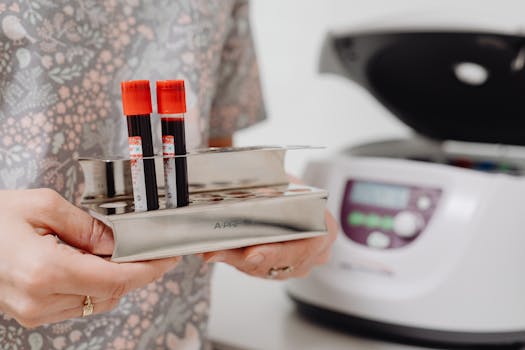
Start with the basics: timing, illness, and lifestyle
Before drawing conclusions, consider whether any of the following could have influenced your results:
- Recent infection (even a mild cold)
- Recent dental work or dental pain
- Recent strenuous exercise or injury
- Sleep deprivation in the days before the test
- Major dietary changes or alcohol intake changes
If any of these apply, it may be reasonable to discuss repeat testing after recovery, rather than interpreting the initial result as your baseline.
Use trends more than one-off numbers
Inflammation markers can vary. A single measurement can be noisy. A trend—especially if you repeat testing under similar conditions—often provides more actionable information. Clinicians may track changes over weeks to months, particularly when evaluating lifestyle interventions, medication effects, or disease activity.
Pair markers with clinical context
CRP, IL-6, and TNF-alpha should be interpreted alongside other relevant health data such as:
- Complete blood count (for signs of immune activation)
- Metabolic markers (glucose, insulin resistance indicators, lipids)
- Liver markers and kidney function (inflammation and metabolism intersect)
- Blood pressure and body composition measures
In some cases, persistent elevation may warrant evaluation for underlying inflammatory sources, including autoimmune disease, chronic infections, or inflammatory conditions that aren’t obvious without targeted questions and exams.
Practical ways to reduce chronic inflammation signals
Movement that supports immune balance
Regular physical activity is one of the most consistently supported strategies for reducing chronic inflammation. The mechanism is multifaceted: improved insulin sensitivity, healthier body composition, and reduced inflammatory signaling over time. Importantly, the “dose” matters. Overtraining, poor recovery, or acute injury can temporarily raise inflammatory markers.
A practical approach is to aim for sustainable weekly activity—combining aerobic movement and resistance training—while allowing adequate recovery. If you’re dealing with chronic pain or injuries, addressing the root cause can matter as much as the workout plan.
Dietary patterns that influence inflammatory pathways
Diet affects inflammation through multiple channels: gut microbiome composition, oxidative stress, metabolic health, and immune signaling. Many evidence-based dietary patterns emphasize:
- High fiber from vegetables, legumes, whole grains, nuts, and seeds
- Healthy fats (for example, olive oil and omega-3 sources)
- Minimized ultra-processed foods that can worsen metabolic and inflammatory status
- Adequate protein to support muscle maintenance, especially in longevity contexts
Rather than focusing on single “anti-inflammatory foods,” the best-supported strategy is overall dietary consistency.
Sleep and stress: often underestimated for inflammatory markers
Sleep disruption can increase inflammatory signaling and worsen metabolic regulation. Chronic stress can also influence immune activity through neuroendocrine pathways. In longevity science, improving sleep quality and reducing chronic stress load can have measurable downstream effects on inflammatory markers in some people.
Practical steps include maintaining a consistent sleep schedule, optimizing light exposure, limiting late-night stimulants, and addressing persistent stressors. If sleep apnea or another sleep disorder is suspected, treating it can be particularly important.
Weight and metabolic health as upstream levers
Visceral adiposity is strongly linked to inflammatory signaling, including cytokines like IL-6 and TNF-alpha. Improving metabolic health—through activity, diet quality, and sustainable weight management when needed—can reduce inflammatory tone. This is not about “punishing” the body; it’s about lowering drivers of chronic immune activation.
Address inflammation sources you can miss
Persistent low-grade inflammation can sometimes come from overlooked sources. Common examples include gum disease, chronic sinus issues, unresolved inflammatory conditions, or ongoing low-level infections. Dental health is especially relevant because oral inflammation can influence systemic markers.
If CRP remains elevated over time, clinicians may consider evaluating potential sources based on symptoms, exam findings, and targeted tests.
Where supplements and “anti-inflammatory” approaches fit
Many people looking into CRP, IL-6, and TNF-alpha also explore supplements. Some supplements can influence inflammatory signaling, but effects vary by dose, baseline health status, and underlying causes of inflammation. Because cytokines are involved in immune defense, “turning down” inflammation without addressing causes can be counterproductive in some settings.
If you use supplements, it’s best to treat them as part of a broader plan, not as the plan itself. Discussing with a clinician is especially important if you take medications or have autoimmune or inflammatory disease.
Some naturally occurring compounds with evidence in inflammatory contexts include omega-3 fatty acids (often discussed for inflammatory modulation), curcumin (studied for anti-inflammatory effects), and fiber-related approaches (via diet or sometimes supplements) that can support gut health. However, results are not uniform, and lab marker changes may be subtle or inconsistent.
Relevant tests and how they’re commonly used

What a clinician may order
In practice, CRP is often the most common and standardized test for inflammatory status. IL-6 and TNF-alpha are more specialized cytokine measurements and may be ordered in specific clinical contexts or research settings.
When these markers are measured, clinicians typically interpret them alongside clinical findings. Cytokine tests can be more variable due to biological fluctuation and differences in assay methods.
Medication effects and immune-modulating therapies
Some medications directly influence inflammatory pathways, including those related to TNF-alpha and other cytokines. If you are on anti-inflammatory or immune-modulating therapy, lab results can reflect medication effects as much as underlying disease activity. Any interpretation should incorporate medication timing and dosing.
If you’re tracking markers for longevity purposes while also receiving medical treatment, coordinate interpretation with your healthcare team to avoid misreading expected changes.
Prevention guidance: building a lower-inflammatory baseline
The most durable approach to managing inflammatory markers is prevention—reducing the drivers of chronic immune activation and supporting recovery and metabolic health. Rather than focusing exclusively on CRP, IL-6, and TNF-alpha, use them as signals that your body may be experiencing inflammatory load.
A prevention-focused checklist
- Move regularly with a sustainable mix of aerobic activity and resistance training
- Prioritize dietary quality with fiber-rich foods and minimally processed meals
- Protect sleep and treat suspected sleep disorders
- Manage stress with evidence-based strategies and realistic adjustments
- Support metabolic health, including insulin sensitivity and healthy body composition
- Keep oral health current and address persistent inflammatory symptoms
- Use labs wisely: interpret trends, not single readings, and consider repeating under similar conditions
Summary: using CRP, IL-6, and TNF-alpha without overreacting
CRP is a downstream liver marker of inflammation that often reflects immune signaling, frequently influenced by cytokines such as IL-6. IL-6 is a cytokine that coordinates immune responses and can stimulate CRP production. TNF-alpha is another central cytokine that amplifies and sustains inflammatory signaling in many contexts.
For longevity science, these markers are useful because chronic inflammation contributes to age-related disease risk. But they are not diagnostic on their own. Interpreting them requires attention to timing, symptoms, lifestyle factors, medications, and potential hidden sources of inflammation. When used thoughtfully—especially as part of a broader health strategy—CRP, IL-6, and TNF-alpha can help you understand inflammatory status and support a long-term, prevention-oriented approach to healthier aging.
21.03.2026. 19:46