

HRV vs Resting Heart Rate vs Blood Pressure Variability: Troubleshooting

When your metrics don’t agree: what people usually notice
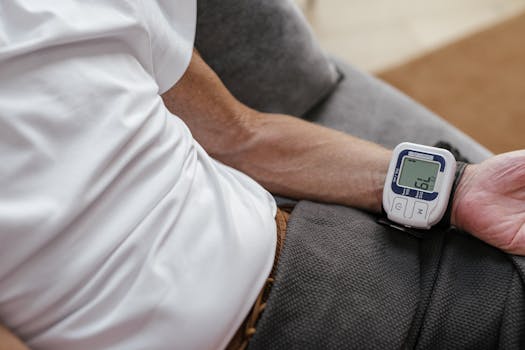
If you track recovery and cardiovascular health, you may eventually see patterns that don’t make sense. A common scenario is: your HRV drops while your resting heart rate stays the same, or your blood pressure readings look fine but your blood pressure variability worsens. Another frequent issue is “mixed signals” across days—HRV improves one morning, resting heart rate rises later that same day, and blood pressure variability changes without an obvious trigger.
These mismatches can be more than just noise. They can reflect sleep quality, stress load, measurement artifacts, medication timing, hydration status, autonomic balance, or emerging illness. The goal of troubleshooting is to determine whether you’re seeing:
- Measurement problems (sensor fit, timing, cuff technique, device calibration)
- Normal day-to-day physiology (circadian variation, hydration shifts)
- A real change in recovery or cardiovascular regulation (illness, overtraining, stress, medication effects)
This article focuses on HRV vs resting heart rate vs blood pressure variability—how to interpret them together and how to systematically find the most likely cause when trends conflict.
What each metric is actually telling you (and why they can diverge)
Before troubleshooting, it helps to clarify what each measure tends to reflect. Even when two metrics are related, they respond to different inputs and time scales.
HRV (heart rate variability): autonomic “recovery tone”
HRV—often reported as RMSSD or similar time-domain measures—generally reflects the balance between sympathetic and parasympathetic activity. HRV is sensitive to sleep quality, stress, recent training, alcohol, illness, and even travel. It also changes quickly with acute stressors.
Important: HRV is not a direct “fitness score.” It’s a proxy for autonomic regulation. That’s why it can drop even when resting heart rate doesn’t move much.
Resting heart rate: cardiac workload and baseline tone
Resting heart rate (RHR) often tracks long-term trends in fitness and recovery, but it also responds to hydration, body temperature, caffeine, stress, and acute illness. Unlike HRV, RHR can be slower to change and may be less sensitive to short-term autonomic shifts.
So you can see HRV fall from poor sleep while RHR stays stable for a day or two—especially if the issue is primarily autonomic rather than workload-related.
Blood pressure variability: stability of vascular control
Blood pressure variability describes how much blood pressure changes over time (within a day, across days, or between readings). It is influenced by vascular tone, stress hormones, breathing patterns, measurement technique, and medication timing. Variability can increase with inconsistent measurement conditions (arm position, cuff placement, talking, movement) even when average blood pressure is unchanged.
That’s why blood pressure variability can look “worse” even if you feel fine—sometimes it’s a technique issue, not a physiology issue.
Most likely causes when HRV, RHR, and blood pressure variability disagree
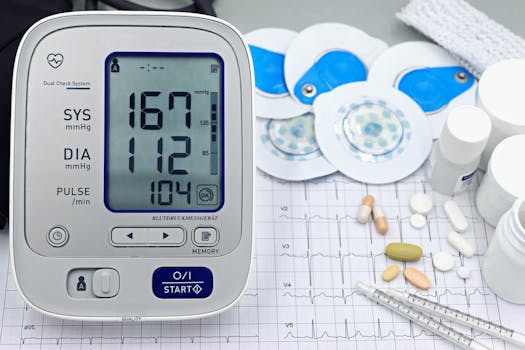
When trends don’t line up, measurement issues and timing mismatches are the most common culprits. After that, the next most likely category is acute stressors (sleep disruption, illness, alcohol, travel, heavy training). Finally, medication and chronic conditions can shift autonomic and vascular regulation in ways that don’t match each other perfectly.
1) Measurement timing and conditions differ between days
HRV is highly dependent on what happened overnight and your immediate state on waking. RHR depends on how “rested” you truly were when measured. Blood pressure variability depends on posture, cuff fit, arm support, and whether you followed the same protocol each time.
Common timing problems include measuring HRV after you’ve already been up, moving around, or having caffeine. For blood pressure, common problems include measuring after talking, using the wrong cuff size, or not resting your arm.
2) Sensor fit and signal quality issues
Wearable HRV readings can degrade if the device is loose, shifted, or exposed to cold skin. Optical sensors can also be affected by motion artifact. Even if your device reports an HRV value, signal quality may still be suboptimal.
For RHR, many wearables estimate RHR from ongoing data rather than a true clinical “resting” measurement. If your activity levels or sleep stages shift, the algorithm may produce a different baseline.
3) Recent alcohol, poor sleep, or respiratory events
Alcohol and sleep fragmentation can reduce HRV quickly. Sleep apnea or frequent awakenings can also affect HRV and sometimes blood pressure regulation. If you notice a multi-day HRV drop after a night of poor sleep, this is a high-probability cause.
4) Acute illness, inflammation, or recovery debt
Early infection can show up as reduced HRV and/or increased RHR, sometimes before you feel clearly “sick.” Blood pressure variability may also increase due to stress hormones and vascular changes. If the pattern persists beyond a couple of days, illness is a strong candidate.
5) Training load spikes and “autonomic overreaching”
A hard week, a missed day followed by a big session, or a race can shift HRV and RHR. Blood pressure variability may change if stress and breathing patterns change, or if you’re under-recovered.
In this case, you’ll often see HRV decrease first, with RHR and BP variability following later—or you may see HRV and BP variability move while RHR changes modestly.
6) Dehydration, electrolyte imbalance, and caffeine
Dehydration can elevate RHR and affect blood pressure stability. Caffeine can alter autonomic tone and raise short-term heart rate, sometimes without a clear HRV change if the measurement timing isn’t aligned.
Electrolytes matter too—especially if you sweat heavily. A hydration mismatch can create a situation where HRV doesn’t behave the way you expect, but BP variability does.
7) Medication timing and physiological side effects
Blood pressure medications, beta blockers, stimulants, and some antidepressants can influence HRV, RHR, and BP variability differently. Even the time you take a dose can matter. If you recently started, changed, or shifted dosing time, conflicting trends may be expected.
Do not adjust medication based solely on wearable trends. Use this as a reason to review timing with your clinician if the pattern is persistent or concerning.
Step-by-step troubleshooting and repair process
Use this process like a diagnostic checklist. The aim is to separate “data problems” from “real physiology.” Work through the steps in order, because the simplest fixes solve a large fraction of cases.
Step 1: Confirm you’re comparing the same time windows
Pick a consistent measurement schedule for at least 7–14 days. For HRV and RHR, align to the same post-wake condition (for example: right after waking, before caffeine, after using the bathroom). For blood pressure, keep the same times of day and avoid measuring immediately after meals, exercise, or a stressful conversation.
If your HRV is “overnight” but your RHR is “morning estimated,” and your blood pressure variability is calculated from afternoon readings, you’re not comparing the same physiological window. That alone can create apparent contradictions.
Step 2: Validate sensor quality for HRV and RHR
- Wear the device consistently (same arm/position, snug fit without restricting circulation).
- Check the skin area for dryness or excessive cold; cold can reduce optical signal quality.
- Ensure the device is charged and functioning normally.
- If your device offers “data quality” indicators, note days with poor signal and exclude them from interpretation.
If your HRV suddenly changes dramatically alongside signs of poor signal (unusual spikes, missing nights, or inconsistent device behavior), treat that as a data artifact until proven otherwise.
Step 3: Standardize blood pressure measurement technique
Blood pressure variability is especially sensitive to technique. Use a consistent protocol:
- Sit quietly for 5 minutes before the first reading.
- Back supported, feet flat, legs uncrossed.
- Arm supported at heart level.
- Use the correct cuff size; a cuff that’s too small can artificially increase readings and variability.
- No talking during measurement.
- Take 2–3 readings, 1 minute apart, and record the average.
If you’re using a home cuff, consider checking cuff fit and placement. A slight shift each day can increase variability without changing your actual blood pressure.
Step 4: Look for a short list of triggers from the previous 24–72 hours
Write down the key variables for each day:
- Sleep duration and quality (including awakenings)
- Alcohol intake
- Hard training session or a missed recovery day
- Caffeine timing and dose
- Hydration (especially if you trained or were in heat)
- Illness symptoms (sore throat, congestion, feverish feeling, unusual fatigue)
- Stressors (work deadlines, poor sleep due to noise, travel)
Then compare those events to the direction of HRV, RHR, and BP variability. HRV often reacts quickly to sleep and stress, while BP variability can be more sensitive to both stress and measurement conditions.
Step 5: Separate “acute day effects” from “trend effects”
Don’t overreact to one day. If HRV drops and BP variability rises, check whether it’s:
- Isolated to one measurement window (more likely artifact or a single trigger)
- Consistent across multiple nights and readings (more likely physiology)
- Accompanied by symptoms (fatigue, sleepiness, shortness of breath, dizziness, chest discomfort)
A useful troubleshooting approach is to evaluate a 7–14 day window after standardizing measurement. If the pattern persists after you fix timing and technique, you’re more justified in treating it as a real change.
Solutions from simplest fixes to advanced fixes
Below are practical repairs, ordered from easiest to more complex. Apply them one at a time so you can tell what actually improves the pattern.
Start with the “measurement hygiene” fixes
- Lock your HRV timing: measure immediately after waking, before caffeine and before major movement.
- Use consistent BP technique: same chair, same arm support, correct cuff size, no talking, and average multiple readings.
- Check device fit: tighten the wearable strap slightly and keep it in the same position.
- Exclude low-quality data: if your wearable indicates poor signal, don’t treat that HRV number as meaningful.
These steps alone often reduce “variability” artifacts—especially for blood pressure variability.
Stabilize daily recovery inputs for 3–7 days
- Sleep regularity: keep wake time consistent; aim for fewer awakenings.
- Reduce alcohol: avoid alcohol for several nights if you’re trying to see whether HRV normalizes.
- Temporarily moderate training: if you recently increased load, reduce intensity for a few days and observe whether HRV rebounds.
- Hydrate consistently: don’t rely on “guessing.” If you sweat, increase fluids and electrolytes appropriately.
- Manage caffeine timing: avoid caffeine within 8–10 hours of bedtime.
If HRV improves and BP variability stabilizes after these changes, the original mismatch was likely driven by acute recovery or stress factors rather than a chronic issue.
Correct breathing and posture factors that can affect BP variability
Some people notice higher BP variability when they measure while tense or speaking. To reduce this:
- Practice quiet breathing for 60–90 seconds before the cuff inflates.
- Ensure the arm is supported and still.
- Measure at the same time of day when you’re typically calmer.
This is not about “biohacking.” It’s about reducing measurement noise so you can interpret actual vascular control better.
Review medication and timing carefully (without changing doses on your own)
If you take blood pressure medication, beta blockers, stimulants, or other cardiometabolic drugs, review timing relative to your measurements. Many medications have different effects over the day. A dose taken earlier or later can shift both resting heart rate patterns and blood pressure variability.
If you recently changed medication, the mismatch may be expected. If the pattern is persistent or accompanied by symptoms like dizziness, faintness, unusual shortness of breath, or chest discomfort, contact your clinician for guidance.
Check for early illness or inflammation signals
If HRV drops for several days and you also feel unusually tired, achy, or congested, treat it as a potential illness signal. In this phase:
- Prioritize rest and sleep.
- Avoid intense training until HRV and RHR stabilize.
- Monitor for fever or worsening symptoms.
Blood pressure variability may increase during illness due to stress hormones and changes in vascular regulation. The “fix” here is time and recovery, not aggressive training or constant measurement changes.
Consider whether sleep-disordered breathing is contributing
When HRV repeatedly declines and you feel unrefreshed despite adequate hours, sleep apnea or frequent respiratory events may be involved. This can affect autonomic regulation and sometimes blood pressure variability.
Clues include loud snoring, witnessed pauses in breathing, morning headaches, or persistent daytime sleepiness. This warrants professional assessment rather than self-adjusting based on wearable metrics.
Use a structured re-test plan after changes
After you apply measurement hygiene and recovery stabilization, run a re-test:
- Keep everything consistent for 7–14 days.
- Track average HRV (not just the lowest day) and average BP readings using the protocol.
- Look for a return toward your personal baseline rather than chasing a perfect number.
This prevents the common trap of repeatedly changing behaviors and not knowing what caused improvement—or deterioration.
When replacement or professional help is necessary

There are situations where troubleshooting stops being a self-management task. Use the following guidance to decide when to seek medical input or replace equipment.
Replace or retire a device when you see persistent measurement problems
- Your blood pressure readings vary wildly even when you follow technique consistently and average multiple readings.
- The cuff repeatedly fails to inflate properly or shows inconsistent pressure.
- Your wearable shows frequent missing HRV nights, persistent poor signal warnings, or unrealistic values that don’t match how you feel.
For blood pressure monitoring, an appropriate cuff size is essential. If you’ve confirmed technique and cuff size and variability remains extreme, the device may be inaccurate.
Get professional help if symptoms or risk factors are present
Seek medical advice promptly if you have any of the following:
- Chest pain, pressure, or shortness of breath
- Fainting, severe dizziness, or new neurological symptoms
- Sustained high blood pressure readings (especially if you have symptoms)
- Persistent marked changes across HRV, RHR, and BP variability that do not normalize after measurement standardization and recovery steps
Also consider professional review if you have cardiovascular disease, kidney disease, diabetes, autonomic disorders, or if you’re on multiple medications that affect heart rate or blood pressure.
Use clinician input when medication effects are likely
If HRV drops or blood pressure variability rises after a medication change, professional guidance is the safest next step. Clinicians can interpret these patterns in the context of dosing schedule, side effects, and your broader health data.
Don’t treat HRV as a diagnostic tool by itself
HRV is valuable for pattern recognition, but it’s not a stand-alone diagnosis. The most responsible approach is to troubleshoot measurement quality, standardize conditions, and connect the trend to symptoms and known triggers. If there’s a persistent mismatch that correlates with how you feel—or if you’re seeing concerning blood pressure behavior—professional evaluation is warranted.
Putting it all together: a practical way to interpret the mismatch
When you see HRV vs resting heart rate vs blood pressure variability disagree, the best interpretation is not “one is wrong.” It’s usually “they’re responding to different layers of physiology or different measurement conditions.”
- If HRV changes sharply after sleep disruption, stress, or alcohol, autonomic regulation is likely the driver—even if RHR doesn’t move much.
- If blood pressure variability looks worse but measurement conditions were inconsistent, technique is the first suspect.
- If all three metrics shift together and persist across days, consider illness, recovery debt, medication timing, or a sleep problem.
By following the step-by-step troubleshooting process—starting with timing and measurement hygiene, then stabilizing recovery inputs, and finally escalating when symptoms or persistent abnormalities appear—you can turn confusing data into actionable insight.
17.02.2026. 08:46