

Mitochondrial Dysfunction Symptoms: What Wearable Labs Can Reveal

Why mitochondrial dysfunction symptoms can look “all over the map”
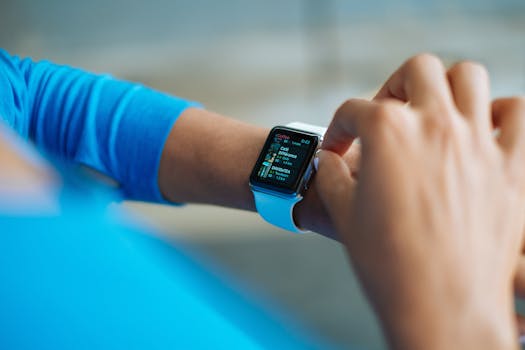
Mitochondria are the body’s energy hubs. When mitochondrial function declines—whether from genetic factors, chronic disease, medication effects, sleep disruption, oxidative stress, or aging—symptoms often appear in multiple systems at once. People may report fatigue, exercise intolerance, “brain fog,” muscle discomfort, sleep problems, or dysregulated recovery. The challenge is that these experiences are also common in many other conditions, so symptoms alone rarely provide a clear answer.
This is where wearable labs and practical data tracking can help. Wearables don’t diagnose mitochondrial dysfunction, but they can reveal patterns in physiology—sleep quality, heart rate variability, recovery trends, activity tolerance, and sometimes indirectly, metabolic strain. Used alongside clinical lab testing and clinician-guided assessment, wearable-informed insights can support more targeted evaluation.
Core mitochondrial dysfunction symptoms to watch for
Below are symptom patterns that frequently emerge when mitochondrial energy production and cellular stress handling are impaired. Not everyone will experience all of these, and symptom severity can vary widely.
Persistent fatigue and reduced exercise tolerance
A common theme is fatigue that doesn’t match workload. Some people notice they tire earlier than expected, struggle to maintain pace, or feel “wiped out” after activities that used to be manageable. In mitochondrial dysfunction, the mismatch between energy demand and energy supply can be more noticeable during exertion and recovery.
Delayed recovery after exercise or stress
Another hallmark pattern is prolonged recovery. You may see lingering muscle soreness, a sense that your body “runs hot” or feels inflamed, or a longer-than-normal return to baseline after workouts, travel, or mental stress. Wearables may reflect this through elevated resting heart rate, reduced readiness scores, or altered heart rate variability trends.
Brain fog, slowed cognition, and mood changes
Energy production influences the nervous system. When mitochondrial function is strained, some individuals report difficulty concentrating, slower processing, word-finding issues, increased irritability, or mood instability. These symptoms often fluctuate with sleep, illness, and training load.
Muscle weakness, cramps, or exercise-induced discomfort
Muscle symptoms can range from mild weakness to cramps or discomfort after exertion. Some people describe a “heavy” feeling in legs or reduced power output. These experiences can overlap with iron deficiency, thyroid dysfunction, electrolyte imbalance, and deconditioning—so lab confirmation matters.
Sleep disruption and non-restorative sleep
Sleep is tightly connected to mitochondrial regulation through circadian timing, metabolic signaling, and oxidative stress balance. Mitochondrial stress may contribute to difficulty staying asleep, restless sleep, or waking without feeling refreshed. Wearables can help quantify sleep duration, fragmentation, and consistency, though they cannot confirm sleep disorders.
Autonomic symptoms: palpitations, dizziness, or “wired but tired”
Energy and stress signaling affect the autonomic nervous system. Some people experience increased heart rate with minimal activity, lightheadedness, or a sense of being activated without feeling energetic. These symptoms can also occur with dysautonomia, anemia, dehydration, and thyroid disorders, so it’s important not to assume mitochondrial causes.
How wearable labs can support symptom tracking (and what they cannot do)
Wearables typically measure proxies for physiology. They don’t measure mitochondrial function directly. However, they can generate useful “clues” about how your body responds to load, stress, and recovery—processes that often correlate with mitochondrial capacity and resilience.
Heart rate patterns and recovery signals
Many wearables estimate recovery using resting heart rate (RHR), heart rate trends during the day, and heart rate variability (HRV). Persistent elevation in RHR or a consistent drop in HRV after training or poor sleep may indicate physiologic stress. While this is not specific to mitochondrial dysfunction, it can help you identify when your system is under strain enough to warrant clinical evaluation.
Sleep metrics: consistency, fragmentation, and timing
Wearables can track total sleep time, sleep stages (with limited accuracy), sleep onset latency, awakenings, and circadian timing. If mitochondrial-related symptoms are present, you may notice that fatigue, brain fog, and exercise intolerance worsen after nights with short sleep, late sleep timing, or frequent awakenings.
Activity tolerance and training load response
Training metrics—steps, active minutes, workout intensity, and recovery days—can show whether exertion leads to prolonged fatigue. If you repeatedly “overshoot” your capacity and then pay for it for several days, that pattern can be clinically relevant. It may also reflect sleep debt, overreaching, insufficient nutrition, or underlying medical issues.
Respiratory rate, oxygen saturation, and perceived exertion context
Some wearables estimate oxygen saturation (SpO2) and respiratory patterns. These can be useful when symptoms include shortness of breath or poor recovery. However, consumer sensors have limitations, especially during motion or cold conditions. Use them as contextual data, not as definitive proof of hypoxia.
HRV: useful, but interpret carefully
HRV can reflect stress balance, autonomic regulation, and recovery status. Lower HRV during heavy training or after poor sleep is common. The key is trend interpretation: look for persistent changes that align with symptoms, rather than reacting to a single day.
Turning wearable data into clinically meaningful insights
The goal is not to “diagnose” from a watch. The goal is to generate a coherent picture that you can discuss with a clinician and use to guide targeted testing. A structured approach improves signal quality and reduces confusion.
Track symptoms alongside data for 2–4 weeks
Use a simple daily log: fatigue level, brain fog, sleep quality (subjective), exercise completed, and any autonomic symptoms. Then pair that with wearable metrics such as RHR, HRV, sleep duration, and readiness/recovery indicators. Consistency matters more than volume of data.
Look for three recurring patterns
- Load-to-symptom lag: symptoms that worsen 6–48 hours after exertion.
- Recovery mismatch: workouts feel harder than expected and take longer to bounce back.
- Sleep-to-symptom linkage: fatigue and cognitive symptoms correlate with shorter sleep, late timing, or higher sleep fragmentation.
If these patterns recur, it strengthens the case for deeper evaluation of energy metabolism and stress physiology.
Separate “normal variability” from meaningful change
HRV and RHR fluctuate daily due to hydration, caffeine, illness, travel, menstrual cycle, and stress. Consider changes meaningful when they persist across multiple days and align with symptoms. If you’re actively training, interpret wearable trends in the context of workout intensity and duration.
Use wearable-informed pacing rather than pushing through
When symptoms suggest energy strain, a pacing approach can be protective: reduce intensity temporarily, prioritize sleep, and maintain consistent nutrition. If symptoms improve with better recovery and then worsen when training intensity rises, that pattern can guide clinician assessment and help rule out “always-on” issues.
Labs that can complement wearable insights
Clinical lab testing is where mitochondrial dysfunction is most meaningfully assessed. Wearables can help you choose when and what to test, but they can’t replace biochemical evaluation. Below are categories of labs often used in energy metabolism and symptom workups—your clinician will determine relevance based on your history.
Basic metabolic and endocrine screening
Many mitochondrial-like symptoms overlap with endocrine and metabolic conditions. Common labs include thyroid function tests, glucose metabolism markers, and electrolytes. If thyroid dysfunction, anemia, or significant blood sugar abnormalities are present, they can drive fatigue and exercise intolerance regardless of mitochondrial status.
Blood counts and oxygen-carrying capacity
Iron status and anemia can mimic energy failure. Testing may include complete blood count (CBC), ferritin, iron studies, and sometimes B12 and folate depending on risk factors. If oxygen delivery is compromised, mitochondrial systems may appear “underpowered,” even if they are not the primary cause.
Nutrient status relevant to energy metabolism
Several nutrients support mitochondrial enzymes and energy transfer. Clinicians may evaluate vitamins and minerals such as B vitamins, vitamin D, magnesium, and others based on diet, symptoms, and prior results. Deficiencies can worsen fatigue, muscle symptoms, and recovery.
Markers of inflammation and oxidative stress (context-dependent)
Some clinicians use inflammatory markers to understand whether systemic inflammation is contributing to fatigue and recovery changes. Oxidative stress is complex and not captured by a single lab, but evaluating inflammation can clarify whether symptoms are driven by immune activation rather than intrinsic mitochondrial defects.
Lactate and metabolic stress testing when appropriate
Lactate dynamics can reflect how the body handles energy pathways under stress. In selected cases, clinicians may consider lactate measurement or metabolic testing, especially when symptoms are severe, progressive, or accompanied by neurologic or muscular findings.
Genetic and specialized mitochondrial evaluation
When there is strong suspicion—such as multi-system involvement, early onset, family history, or neurologic/muscular signs—specialized testing may be considered. This can include mitochondrial DNA testing, nuclear gene panels, or referral to a neuromuscular specialist. Wearables are not used to make these decisions, but they can document symptom timing and functional impact.
Interpreting common wearable-lab symptom combinations
Wearable patterns are most useful when interpreted as combinations, not isolated metrics. Here are practical ways to think about common symptom pairings.
Fatigue + elevated resting heart rate + reduced HRV
This combination often suggests ongoing physiologic stress or incomplete recovery. It can be triggered by poor sleep, infection, overtraining, dehydration, or stress hormones. Mitochondrial dysfunction is one possible contributor, particularly if symptoms also include exercise intolerance and delayed recovery.
Brain fog + sleep fragmentation + inconsistent recovery days
When cognitive symptoms track with fragmented sleep, addressing sleep quality is usually the first priority. If sleep interventions improve symptoms but the problem returns with exertion, that pattern can support further evaluation of energy metabolism and recovery capacity.
Exercise intolerance + prolonged soreness + “stuck” baseline for days
Some people notice that after workouts they don’t fully return to baseline for several days. That can reflect inadequate recovery, insufficient carbohydrate availability, low iron or micronutrient status, endocrine issues, or mitochondrial impairment affecting energy throughput and recovery signaling.
Practical guidance: how to prepare for a clinician visit using wearable labs
When you bring wearable data to a medical appointment, the quality of the story matters more than the number of graphs. You want to show how symptoms behave over time and under specific conditions.
Bring a concise summary, not every screen
Prepare a one-page overview (or a short bullet list) including:
- Your top symptoms and when they started
- How symptoms change with exercise intensity
- Sleep duration and timing trends
- Any consistent changes in RHR/HRV around symptom flare-ups
- Any relevant medical history, medications, supplements, and recent illnesses
Specify your “worst days” and “best days”
Identify 3–5 days when symptoms were most intense and 3–5 days when they were minimal. Note what was different: sleep timing, training load, stress level, travel, caffeine/alcohol, and menstrual cycle timing if applicable. Clinicians can use this to guide targeted questions and testing.
Ask about differential diagnoses that mimic mitochondrial dysfunction
It’s reasonable to ask whether your pattern could reflect anemia, thyroid disease, sleep apnea, dysautonomia, medication side effects, chronic infection/inflammation, or nutrient deficiencies. This approach doesn’t dismiss mitochondrial dysfunction; it ensures you don’t miss treatable causes.
Discuss whether specialized evaluation is warranted
If symptoms are progressive, multi-system, include muscle weakness or neurologic signs, or there is early onset/family history, ask whether referral to a neuromuscular specialist, metabolic specialist, or relevant clinic is appropriate. Wearables can document functional impact and symptom timing, supporting the clinical decision-making process.
Prevention and symptom management strategies that reduce mitochondrial stress
Even before a definitive diagnosis, many evidence-based lifestyle strategies aim to reduce metabolic stress, improve recovery, and support mitochondrial function through healthier signaling environments. These are not cures for every cause of fatigue, but they often improve the symptom burden when energy metabolism is strained.
Prioritize sleep regularity and adequate duration
Consistent sleep timing, adequate duration, and reduced sleep fragmentation help stabilize circadian signaling and recovery. If wearables show frequent awakenings or large timing shifts, addressing sleep hygiene and evaluating for sleep disorders (such as obstructive sleep apnea) can be foundational.
Use training load management and pacing
If you repeatedly trigger symptom flare-ups after workouts, consider a conservative training progression: reduce intensity, include rest days, and avoid “all-out” efforts until recovery stabilizes. The goal is to avoid chronic overreaching, which can worsen autonomic strain and perceived fatigue.
Support nutrition for energy demands
Energy metabolism depends on sufficient macronutrients and micronutrients. Many people under-fuel during busy periods, especially with increased activity. Clinician-guided nutrition assessment can help ensure adequate protein, carbohydrate timing for training, and correction of deficiencies such as iron or magnesium when present.
Reduce chronic stress load and improve recovery routines
Stress affects autonomic balance and sleep quality. Recovery routines—breathing exercises, gentle movement, hydration, and structured downtime—can reduce the physiologic “baseline” stress that may amplify fatigue and brain fog.
Medication and supplement review
Certain medications can contribute to fatigue, muscle symptoms, or sleep disruption. A structured review with a clinician helps clarify whether symptoms are related to medication effects, interactions, or dosing timing. Supplements may help in the setting of documented deficiency, but they should not replace evaluation for underlying causes.
When to seek urgent or prompt medical evaluation
Get prompt medical attention if symptoms include severe shortness of breath, chest pain, fainting, rapidly progressive weakness, new neurologic deficits, or unexplained weight loss. These can indicate conditions that require immediate evaluation and are not specific to mitochondrial dysfunction.
Summary: using wearable labs responsibly when mitochondrial dysfunction symptoms are suspected

Mitochondrial dysfunction symptoms often involve fatigue, reduced exercise tolerance, delayed recovery, cognitive changes, sleep disruption, and sometimes autonomic complaints. Because these symptoms overlap with many other conditions, the most reliable approach combines symptom tracking with targeted clinical testing.
Wearables can add value by documenting trends in sleep timing, resting heart rate, heart rate variability, and recovery response to exertion. When these patterns consistently align with symptom flare-ups, they can help you and your clinician prioritize differential diagnoses and consider appropriate lab work and specialized evaluation. The key is to treat wearable data as contextual evidence—not as proof of mitochondrial dysfunction—and to focus on actionable next steps based on medical assessment.
FAQ: mitochondrial dysfunction symptoms and wearable labs
Can a wearable diagnose mitochondrial dysfunction?
No. Wearables measure proxies like sleep patterns, resting heart rate, and heart rate variability. They cannot directly measure mitochondrial function. They can, however, help document symptom trends that may support further clinical evaluation.
What wearable metrics are most useful for symptoms like fatigue and poor recovery?
Commonly useful metrics include resting heart rate trends, HRV trends, sleep duration and consistency, sleep fragmentation (awakenings), and how your body responds to training load over multiple days.
Do mitochondrial dysfunction symptoms always get worse with exercise?
Not always, but many people experience reduced exercise tolerance or delayed recovery. The pattern is often more informative than a single workout—look for consistent lagged symptoms and longer-than-normal recovery periods.
Which lab tests are most relevant when mitochondrial dysfunction is suspected?
There is no single definitive mitochondrial lab for everyone. Clinicians often begin with basic screening (CBC, iron studies, thyroid function, metabolic markers) and then consider nutrient status, inflammatory markers, and specialized metabolic or genetic testing when suspicion is strong based on the overall clinical picture.
Could my symptoms be caused by something other than mitochondrial dysfunction?
Yes. Many conditions mimic mitochondrial dysfunction symptoms, including anemia/iron deficiency, thyroid disease, sleep disorders (like sleep apnea), dysautonomia, medication side effects, chronic inflammation, and nutrient deficiencies. That’s why differential diagnosis and appropriate labs are essential.
How long should I track wearable data before bringing it to a clinician?
Two to four weeks is often enough to identify patterns, especially if you also log symptoms and training load. If symptoms are episodic, longer tracking may be helpful, but the quality of correlation matters more than duration.
17.12.2025. 16:44