

Electrolyte Supplement Buyer Guide: What to Look For

When electrolytes matter—and why choosing the right supplement feels hard
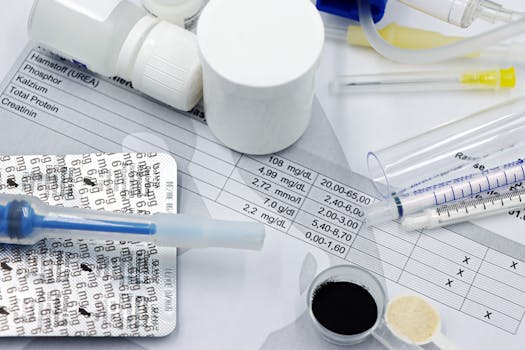
Electrolytes (like sodium, potassium, magnesium, and chloride) help your body maintain fluid balance, nerve signaling, and muscle function. When you sweat heavily, lose fluids through heat exposure, or experience electrolyte depletion from illness, training, or prolonged exercise, electrolyte intake can become a practical part of staying comfortable and performing well.
But “electrolyte supplement” covers a wide range of products: powders, tablets, ready-to-drink mixes, and sports drinks; some focus on sodium, others add magnesium or potassium; some are designed for daily hydration, while others target endurance athletes. If you don’t know how to read labels, it’s easy to end up with a formula that’s either too light to be useful or too heavy (in sodium or sugar) for your goals.
This electrolyte supplement buyer guide walks through the features that actually matter, how to interpret common terms, and how to make a decision based on your activity level and dietary context—without relying on hype.
Key ingredients and what they do (simple, label-friendly definitions)
Most electrolyte supplements are built around a handful of minerals. Understanding their role makes it easier to choose a product that matches your situation.
Sodium: the main electrolyte in most sweat-based needs
Sodium is typically the most abundant electrolyte in sports hydration products. It helps your body retain water and supports nerve and muscle function. If you’re doing endurance workouts, training in heat, or sweating a lot, sodium is often the first ingredient to check for.
On labels, sodium may appear as “sodium,” “sodium chloride,” or “salt.” If you see very low sodium, the product may be geared toward general hydration rather than heavy-sweat scenarios.
Potassium: supports fluid balance and muscle function
Potassium helps regulate fluid balance and supports normal muscle and nerve activity. Some electrolyte supplements include potassium chloride, which can contribute meaningful potassium levels—especially helpful if your diet is low in fruits and vegetables.
However, potassium content varies widely. If a product lists potassium but the amount is small, it may not materially change your overall intake.
Magnesium: supports muscle and nerve function
Magnesium is involved in hundreds of processes in the body, including muscle and nerve signaling. Some people look for magnesium in electrolyte blends because it’s commonly associated with muscle function and recovery.
Magnesium forms differ. Magnesium citrate, magnesium glycinate, and magnesium oxide are common. In general, magnesium oxide often has lower bioavailability than other forms, but the best choice depends on the specific product and how your body tolerates it.
Chloride and other trace electrolytes
Chloride frequently comes along with sodium (as sodium chloride) and helps maintain acid-base balance. Some “electrolyte” blends include smaller amounts of calcium or trace minerals, though they’re not always necessary for everyday hydration.
Important features to check on the label

Electrolyte effectiveness isn’t just about having minerals listed—it’s about the amounts, the serving size, and how the formula fits into your routine.
Electrolyte concentration per serving (and per 100 mL)
For powders and concentrates, serving size matters. Many products provide guidance such as “1 scoop in 500 mL” or “mix with 16 oz.” If you use a different amount of water than recommended, the electrolyte density changes.
Look for the label to specify sodium and other electrolytes per serving and, ideally, per 100 mL for ready-to-drink products. This helps you compare realistically across formats.
Serving size and how many servings you’ll actually take
A product can list strong sodium content per serving but require you to take multiple servings to reach your hydration target. If you’re trying to replace sweat losses during exercise, you may need a formula that you can realistically consume at the right time—without stomach discomfort.
Conversely, if you only plan to use it occasionally, a “high” electrolyte product may be unnecessary.
Sugar content and carbohydrate levels
Some electrolyte supplements are designed to be “hydration with energy,” meaning they include sugar or other carbohydrates. This can help during longer endurance sessions when you’re burning significant fuel. For shorter workouts, everyday hydration, or people watching sugar intake, lower-sugar options may be preferable.
When reading labels, note whether carbs are listed as sugar, glucose, dextrose, or other sweeteners. If the product includes sugar, check how much is in a serving and whether it aligns with your dietary needs.
Calorie count and sweetener types
Ready-to-drink electrolyte beverages may include calories and sugar. Powder options may be sweetened with sugar or non-nutritive sweeteners (like stevia or sucralose). If you’re sensitive to certain sweeteners, you may notice digestive effects such as bloating or a “too sweet” taste that reduces how much you drink.
For those using electrolyte supplements frequently, it’s worth considering how the sweetener profile affects your adherence.
Sodium target: match it to sweat rate and activity duration
There isn’t one universal sodium number for everyone. Sweat rate and sodium concentration vary by person, fitness level, clothing, temperature, and acclimation. Still, sodium is the anchor mineral, so your goal is to choose a product that makes sense for your typical scenario.
As a practical approach, heavy sweaters training for longer sessions generally benefit from higher sodium formulations than someone using electrolytes for light activity or everyday hydration.
Magnesium and potassium amounts: don’t assume “more” is better
Magnesium and potassium are useful, but high amounts can also increase the chance of gastrointestinal discomfort for some people. If you’re sensitive, start with a lower-intensity use and monitor how you feel.
If your diet already includes plenty of potassium-rich foods (like beans, leafy greens, and fruit), you may not need a high-potassium electrolyte blend for routine use.
Form factors: powders, tablets, and ready-to-drink mixes
Powders are popular because they’re flexible—you control how much water you add. Tablets are convenient but may be harder to fine-tune if you want a specific electrolyte density. Ready-to-drink options are consistent, but you’re locked into their serving size and sodium concentration.
Choose the format that supports consistent use. An electrolyte supplement that you don’t take at the right time is less helpful than one that you can reliably use.
Flavor, mouthfeel, and mixing quality
Electrolyte supplements often taste salty, which is normal. Some people prefer neutral flavors; others like citrus or berry. If a product mixes poorly or leaves a chalky texture, you may avoid it during training. Flavor won’t change mineral content, but it can affect whether you actually drink it.
What buyers should prioritise based on their situation
The best electrolyte supplement is the one that matches your use case. Prioritise features in roughly this order for most buyers.
1) Your primary goal: exercise hydration, daily support, or recovery
If your main goal is hydration during longer or harder workouts, sodium and overall electrolyte density are usually the top priorities. If you’re using electrolytes for general daily hydration or after light activity, you may not need a high-sodium, high-carb formula.
For recovery-focused use, magnesium may be attractive, but it’s still sodium and fluid balance that generally drive the “electrolyte” effect during sweating.
2) Sodium level and serving instructions
Check how much sodium you get when you mix or drink one serving. Then consider whether you can consume that serving rate during your activity.
For example, if you’re taking it during training, you may need a product that dissolves well and doesn’t cause nausea at typical drinking volumes.
3) Sugar and carbohydrate needs
During endurance exercise lasting long enough to meaningfully tax energy stores, a blend with carbohydrates can be helpful. For shorter sessions or people who don’t want added sugar, lower-sugar electrolyte options may be more appropriate.
If you’re already taking gels or sports drinks for carbs, you may prefer electrolytes with minimal additional sugar to avoid stacking calories.
4) Magnesium and potassium for dietary gaps and tolerance
If your diet is low in magnesium- and potassium-rich foods, an electrolyte supplement that provides those minerals can be useful. If your diet is already well-rounded, you may focus more on sodium and total electrolyte balance.
Also consider tolerance: some magnesium forms or higher doses can loosen stools in certain individuals.
5) Sodium-to-potassium balance (for practical hydration)
While there’s no single “perfect ratio,” a product that includes both sodium and potassium can be more supportive for some people than sodium alone. Still, don’t ignore the actual amounts. A “balanced” label with tiny potassium may not change much.
Common purchasing mistakes and misunderstandings
Many buyers make predictable errors when choosing electrolyte supplements. Avoid these to improve results.
Assuming “electrolyte” automatically means “high sodium”
Some products are marketed as electrolytes but contain modest sodium levels. They may be fine for light hydration, but they may not replace sweat losses during high-intensity or long-duration exercise.
Mixing a powder incorrectly and unintentionally diluting the formula
If a powder is designed for “one scoop per 500 mL,” using more water will reduce electrolyte concentration. If you prefer a different taste strength, consider measuring carefully so you don’t dilute the sodium too far.
Overlooking serving size versus total intake
Labels can be confusing when serving sizes differ. A product might appear “low” per serving but becomes “high” if you take multiple servings. Decide whether you need a one-serving solution or you plan to use it more conservatively.
Choosing a high-sugar option when it doesn’t match the workout length
For shorter workouts, extra sugar can be unnecessary and may affect how you feel during exercise. If you’re trying to keep calories low or avoid sugar spikes, check carbohydrate content first.
Ignoring dietary sources and stacking electrolytes
If you already drink electrolyte beverages, use electrolyte tablets, and eat salty meals around the same time, you may be double-counting sodium. For most people, electrolyte supplements are most useful when they fill a specific gap rather than adding on top of everything.
Not considering medical or dietary constraints
Electrolyte supplements can be relevant for many healthy people, but not everyone should treat them the same way. If you have kidney disease, heart failure, uncontrolled blood pressure, or take medications that affect potassium or sodium balance, it’s important to discuss intake with a clinician. Even “sports” products can be high in sodium.
Practical buying checklist and decision framework

Use this checklist to narrow down options quickly and confidently.
Step 1: Identify your scenario
- Long endurance activity (hours) versus shorter training
- Heat exposure and heavy sweating versus mild conditions
- Use during exercise versus use between workouts
- General hydration support versus illness/rehydration context
Step 2: Read the serving label like a nutrition professional
- How much sodium per serving (and per 100 mL if available)
- What minerals are included: sodium, potassium, magnesium, chloride
- How the serving is mixed (for powders) or how large it is (for drinks)
- How many servings you realistically plan to take
Step 3: Match carbohydrate and sugar to your energy needs
- If workouts are long: check whether carbs are included and how much
- If workouts are short: consider lower-sugar options
- If you already consume carbs elsewhere: avoid stacking extra sugar
Step 4: Check magnesium form and tolerance
- Look for magnesium listed clearly (for example, magnesium citrate)
- Consider whether the dose could cause digestive changes
- If you’re sensitive, start with lower use and adjust
Step 5: Confirm the product fits your routine
- Does it dissolve well or mix smoothly?
- Is the taste tolerable enough that you’ll drink it when it matters?
- Is the format convenient (powder, tablet, ready-to-drink) for your schedule?
Step 6: Make sure the label doesn’t hide key details
- Is the electrolyte content listed clearly and consistently?
- Are there disclaimers about serving size or mixing?
- Are there additional ingredients (like caffeine or herbs) that don’t fit your goals?
Final buyer guidance and sensible next steps
Choosing an electrolyte supplement doesn’t have to be complicated. Focus first on sodium and electrolyte density, then on whether you need added carbohydrates, and finally on magnesium/potassium based on dietary gaps and personal tolerance. The “best” product is the one that you can use correctly—at the right time, in the right serving size, and in a way that supports your hydration and performance goals.
If you want a practical starting point, consider how you currently hydrate during your typical workout. Are you drinking enough fluid? Are you taking in electrolytes when you sweat heavily, or only when you feel “dehydrated”? Many buyers find that adjusting timing and serving size improves outcomes more than switching between brands.
For many people, a simple powder mix such as LMNT can be useful when sodium is the primary need, while products like Liquid I.V. may appeal to those who prefer a flavored hydration mix with additional ingredients. If you’re choosing tablets, look for clear sodium and potassium amounts per tablet and confirm how many tablets you’d take in a typical day. For daily hydration, some people prefer electrolyte powders with moderate sodium and low or no added sugar, but the right choice depends on sweat level and diet.
Whatever format you choose, use the label facts to build a consistent plan: match electrolyte density to your sweat losses, avoid unnecessary sugar stacking, and consider how your body responds. If you have medical conditions or take medications that affect sodium or potassium, seek personalized guidance before increasing electrolyte intake. With that approach, your electrolyte supplement becomes a practical tool rather than a guessing game.
19.12.2025. 06:18