

Sleep Tracker Sensor Accuracy: Buyer Education Guide

Why sleep tracker accuracy matters more than you think
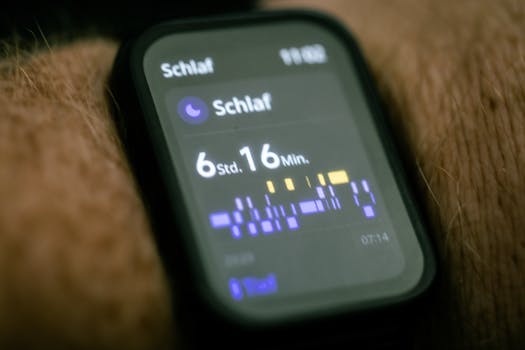
Sleep trackers can be genuinely useful. They help you notice trends—like a consistent late bedtime, fragmented sleep during stressful weeks, or how alcohol affects your night. But the data they show isn’t the same thing as a clinical sleep study. Sensor accuracy varies widely depending on the hardware, the algorithms, where the device is worn, and even your body and sleep habits.
If you’re using sleep stage graphs (light, deep, REM) or metrics like “time awake,” you should understand how the device measures your sleep, what it can reliably estimate, and where it can mislead you. This buyer education guide focuses on sleep tracker sensor accuracy: what’s measurable, what’s inferred, what confidence you should assign, and how to validate the results with practical checks.
What a sleep tracker actually measures (and what it estimates)
Most consumer sleep trackers don’t directly measure “sleep stages” the way polysomnography does. Instead, they collect signals during the night and then use software models to estimate stages. That distinction is essential.
Common raw signals include:
- Movement from an accelerometer/gyroscope (body motion patterns)
- Heart rate and heart rate variability (often via optical sensors)
- Blood oxygen saturation (SpO2) in some devices (typically via pulse oximetry)
- Skin temperature or peripheral temperature trends (on some wearables)
- Breathing-related signals inferred from motion, heart rate changes, or SpO2 patterns
Then, the tracker estimates sleep stages using a model trained on datasets that may or may not match your physiology. In plain terms: a tracker is usually interpreting patterns, not “seeing” sleep stages.
This is why two devices can both be “accurate” in their own way while still disagreeing. One may be better at detecting sleep onset. Another may be better at identifying wake periods. Another may be more consistent day-to-day even if its stage percentages are off.
Sensor types and how they affect sleep tracker accuracy
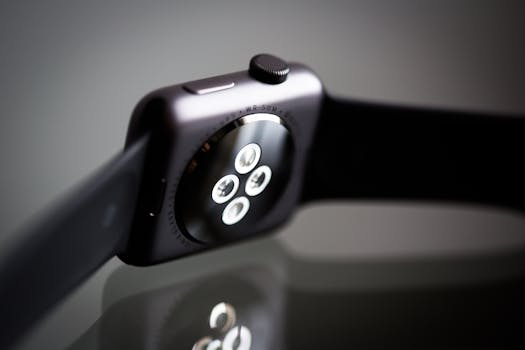
Accelerometers: motion can detect wakefulness, but not sleep depth
Accelerometers measure movement intensity and patterns. When you’re awake, you usually move more—turning over, sitting up, walking to the bathroom. Accelerometer-based algorithms often do well at identifying periods of wakefulness and sleep onset.
However, deep sleep and REM sleep can involve relatively similar low-movement periods. A tracker may label long still stretches as “deep,” even if the underlying physiology suggests otherwise. If you sleep very still (for example, some people naturally have fewer movements), accelerometer-only approaches can overestimate deep sleep. If you’re restless or frequently change positions, they can fragment the sleep timeline and undercount deep sleep.
Practical implication: motion sensors are usually strong for sleep vs. wake and weaker for sleep stage depth.
Optical heart-rate sensors: useful for timing and stage inference
Optical sensors (often LEDs and photodiodes) estimate blood flow under the skin. During sleep, heart rate typically drops and becomes more variable. Many algorithms use heart-rate trends to refine sleep staging and to improve detection of wake periods.
Optical readings can be affected by:
- Fit (loose straps cause gaps and lower signal quality)
- Skin tone and circulation
- Tattoo coverage near the sensor
- Cold hands/skin (reduced perfusion can reduce signal quality)
- Wrist movement and pressure changes
In real use, you might see fewer “stage flips” when the sensor is stable. A loose band can produce noisy heart-rate data, which can lead to spurious awakenings or stage transitions.
Practical implication: heart-rate signals often improve sleep onset timing and wake detection, but stage accuracy still depends on the modeling.
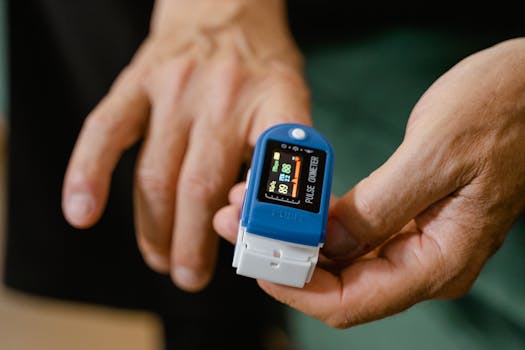
SpO2 (pulse oximetry): can help with breathing-related events, not full staging
Some sleep trackers include SpO2 sensors. SpO2 can be meaningful for identifying oxygen desaturation patterns that may occur during sleep-disordered breathing. But pulse oximetry at consumer accuracy levels is not the same as clinical monitoring. Motion artifacts, poor contact, and peripheral perfusion can distort readings.
Consumer devices often provide SpO2 summaries (like minimum SpO2 over the night, or time below a threshold). These features can be useful for trend awareness, especially if your device is consistent. Still, oxygen saturation alone doesn’t map neatly onto sleep stages.
Practical implication: SpO2 can support breathing risk awareness and potential flagging, but it should not be treated as definitive diagnostic evidence.
Temperature and other signals: supportive, usually secondary
Some wearables track skin temperature trends. Temperature can correlate with circadian rhythms and sleep physiology, and it may help estimate sleep/wake boundaries. But it’s rarely the primary driver of stage classification.
Other signals—like respiration inference from motion or heart-rate patterns—can add context. These are often algorithm-dependent and can vary significantly in performance across users.
Practical implication: temperature and secondary signals can improve robustness, but they rarely provide “ground truth” stage accuracy.
How algorithms turn sensor data into sleep stages
Even with good sensors, the algorithm decides what your tracker reports. Many consumer sleep staging approaches use statistical or machine learning models trained on labeled data. The challenge is that labels come from clinical studies, and clinical datasets often include a specific population, specific electrode placements, and controlled conditions.
When your physiology or sleep environment differs, the model can misclassify stages. Common reasons include:
- Different sleep architecture (age, medication, pregnancy, shift work)
- Restless sleep that changes the movement-heart-rate relationship
- Low peripheral perfusion that degrades optical signals
- Altitude, illness, or congestion that affects breathing and oxygen patterns
Also, some trackers use “rules” that prioritize stable segments. For example, they may smooth the data to reduce rapid stage changes. That smoothing can make the graph look calmer, but it may hide brief awakenings or micro-arousals.
If you want to interpret the output responsibly, focus on what the device is likely most consistent at: timing trends and sleep duration, then consider stage percentages as approximate.
Where you wear the device changes accuracy
Placement affects how reliably the sensors capture signals. Wrist devices are common, but not all wrist wear is equal. If you wear a tracker on your dominant vs. non-dominant wrist, your movement patterns at night can differ. Some people sleep with their hands under the pillow; that can change sensor contact and optical readings.
Other form factors include:
- Wrist-worn trackers: good for motion and heart-rate trends, but can suffer from fit and pressure artifacts
- Chest straps: often deliver cleaner heart-rate signals, which can improve sleep/wake detection for some users
- Finger or ear sensors: less common in consumer sleep tracking, but the signal quality can vary with perfusion and comfort
Practical implication: before concluding that your sleep stages are “wrong,” check whether the device’s sensor contact is stable all night.
What “accuracy” means for sleep trackers (and what numbers to look for)
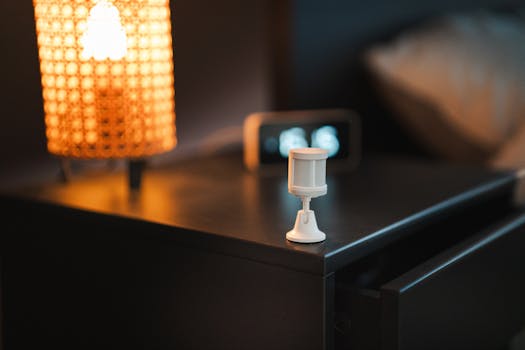
When you see claims about sleep tracker accuracy, it’s important to ask: accuracy of what, under what conditions, measured against what standard?
Clinical sleep staging is typically measured with polysomnography (PSG). Consumer devices are usually compared to PSG in studies, and results are often reported in terms of:
- Epoch-by-epoch agreement: how often the device labels the same stage for each 30-second window
- Sensitivity and specificity for sleep vs. wake
- Time in bed vs. total sleep time differences
- Wake detection timing (how close the device is to actual awakenings)
- Oxygen desaturation event detection for SpO2-capable devices
In practice, many consumer trackers perform better at estimating total sleep time and wake periods than at correctly identifying REM vs. deep sleep. It’s not unusual for stage agreement to be moderate rather than perfect, especially for REM and deep stages where physiological signals are subtle and vary across individuals.
Practical implication: treat stage breakdowns as estimates. If a device consistently reports sleep duration within a reasonable range, that’s often more actionable than obsessing over whether REM is exactly 22% vs. 24%.
Real-world scenarios: how accuracy shows up at night
Scenario 1: You’re restless, but you feel like you slept “fine”
Imagine you go to bed at 11:30 p.m. and wake up at 7:00 a.m. You feel mostly okay, but your tracker reports frequent awakenings and a low deep sleep percentage. In many cases, the tracker is responding to movement and heart-rate changes. If you toss and turn, the algorithm may interpret those micro-movements as wakefulness or as stage transitions.
What to do: compare the tracker’s “awake” time with your subjective recall. If you don’t remember waking but the device shows multiple awakenings, your sleep may be fragmented without full awakening—or the device may be over-counting movement. Look for a pattern over 2–3 weeks rather than focusing on one night.
Scenario 2: You sleep cold or wear the device loosely
Suppose your room is cool and your hands are often cold. You also wear the band a touch loose because it feels uncomfortable. The optical sensor may intermittently lose signal, causing gaps or noisy heart-rate data. That can lead to stage misclassification and inaccurate sleep onset.
What to do: tighten the strap slightly so it stays in place without sliding, and ensure the sensor sits consistently on your wrist. If the app flags low signal quality, treat that night’s stage breakdown with caution.
Scenario 3: You suspect sleep apnea or breathing issues
Let’s say you snore, wake with dry mouth, and feel tired despite “7–8 hours.” A tracker with SpO2 may show nights where minimum SpO2 drops or where time below a threshold is elevated. That can be a useful prompt to discuss symptoms with a clinician, especially if the pattern repeats.
What to do: use the tracker as a starting point for questions, not as a diagnosis. If oxygen patterns look concerning, or if you have daytime sleepiness, it’s reasonable to seek a medical evaluation. Clinical testing (like a home sleep apnea test or PSG) can provide definitive answers.
How to evaluate sleep tracker sensor accuracy using your own data
You can’t fully validate a sleep tracker against PSG at home, but you can evaluate internal consistency and practical accuracy. The goal is to decide whether the device is good enough for the decisions you’re trying to make.
Step 1: Check sleep duration agreement
Start with the simplest metric: total sleep time. Compare it to what you expect based on your bedtime and wake time. Over several nights, you’ll see whether the tracker consistently underestimates or overestimates sleep duration.
A reasonable expectation for many wearables is that total sleep time is closer to reality than stage breakdowns. If a device is off by 60 minutes for weeks, that’s a signal to adjust fit, placement, or expectations.
Step 2: Compare “time awake” with your memory
Ask yourself: did you actually get up, check the time, or feel fully awake? If the tracker reports many awakenings but you don’t remember them, the device might be interpreting movement as wakefulness. This doesn’t mean the tracker is useless. It means its “awake” label may be overly sensitive.
Conversely, if you remember frequent wake-ups but the device shows continuous sleep, the tracker may be missing subtle arousals.
Step 3: Look for stable trends, not exact stage labels
Stage percentages can fluctuate. What matters more is whether changes align with your behavior and life context. For example:
- After a late workout, do you see later sleep onset?
- After reducing alcohol, do you see fewer awakenings?
- During high stress weeks, do you see lower total sleep time or more fragmentation?
If the tracker’s trends match your lived experience, you can use it as an improvement tool even if stage accuracy is imperfect.
Step 4: Confirm signal quality
If your device provides signal quality indicators, use them. A night with poor optical contact or motion artifacts should be treated differently. Many apps show whether heart-rate data coverage was high. If coverage is low, stage graphs are less trustworthy.
Practical implication: you’re not just evaluating the device; you’re evaluating whether it had the conditions to measure you well.
Common sources of sleep tracker errors
Knowing where trackers go wrong helps you interpret results and avoid unnecessary anxiety.
Motion artifacts during position changes
Every time you turn over—especially if you move your arms—optical sensors and accelerometers can produce signals that look like wakefulness. Some trackers handle this better than others, but you should expect occasional mislabeling around major position changes.
Sensor contact issues
A loose wrist strap can cause intermittent readings. Too tight can also cause discomfort and changes in blood flow. The goal is consistent contact with minimal sliding.
Day-to-day variability in physiology
Sleep staging is influenced by age, stress hormones, medication, alcohol, caffeine timing, and illness. A device trained on a “typical” user may not generalize to you. For example, if you take sleep medication or antidepressants, your sleep architecture can shift, and the algorithm may misinterpret the patterns.
Environmental and lifestyle factors
Room temperature, bedding, and whether you sleep with your hands under your body can affect sensor signal stability. Even altitude and congestion can change breathing patterns and oxygen readings.
Algorithm smoothing and stage granularity
Many trackers smooth stage transitions to reduce jitter. That can make the sleep graph aesthetically pleasing, but it may blur short awakenings. If you’re trying to assess insomnia severity, rely more on total sleep time and wake frequency patterns than on the exact deep/REM percentages.
Buyer education: what to ask before trusting stage graphs
When you’re deciding whether a tracker’s sensor accuracy is sufficient for your needs, focus on the measurement and the evidence behind it. You don’t need to be a technical expert, but you should be comfortable asking informed questions.
Does the device claim validation against PSG (and how)?
Look for studies that compare the device to polysomnography. The most meaningful studies describe:
- Who was tested (age range, typical sleep patterns, any clinical conditions)
- How the device was worn (placement and fit guidance)
- What metrics were reported (sleep vs. wake, total sleep time, stage agreement)
- How large the study was (more participants usually means more confidence)
If a device provides only marketing language without methodology, it’s harder to interpret accuracy claims.
What signals does it use for staging?
Ask what sensors contribute to sleep staging. A device using motion plus heart-rate may provide more stable sleep/wake estimates than motion alone. A device with SpO2 may offer additional context, but staging still typically relies heavily on motion and heart-rate patterns.
Practical implication: “stage accuracy” depends on the sensor set, not just the brand.
How does it handle signal loss?
Some apps may interpolate missing data. That can make graphs look complete even when the sensor didn’t capture enough information. If you see frequent “low signal” warnings, stage outputs for that night should be treated as lower-confidence.
Is the device consistent night-to-night?
Even if absolute accuracy is imperfect, consistency can still be valuable. If your total sleep time and wake time move in the right direction when you change bedtime or caffeine timing, that’s practical accuracy.
How to use sleep tracker data responsibly for better sleep
Sensor accuracy is only one part of using sleep tracking well. The bigger risk is overreacting to a single night or treating stage graphs as medical truth.
Use a multi-night window
Instead of judging by one night, look at a 7-night average. If your sleep onset time shifts by 30–60 minutes consistently after a behavior change, that’s meaningful—even if stage percentages vary.
Prioritize decisions you can actually act on
Most people can improve sleep by targeting timing and habits. Sleep trackers can help you identify patterns like:
- Sleep onset drifting later by 45–90 minutes over a week
- More time awake after midnight during stressful periods
- Short sleep duration on workdays
Stage breakdown is best treated as context, not a direct instruction.
Watch for “red flags” that need professional attention
If you have symptoms such as loud snoring with choking/gasping, severe daytime sleepiness, or repeated oxygen desaturation patterns, a clinician evaluation is appropriate. Consumer sleep tracker sensor accuracy is not meant to replace diagnostic testing.
Similarly, if you see consistent trouble falling asleep for weeks, or you experience panic-like awakenings, it may indicate insomnia or anxiety that benefits from targeted treatment.
Maintenance and setup steps that improve real-world accuracy
You can often improve sleep tracker performance more than you expect by adjusting setup and wear habits.
- Wear it consistently on the same body location so the sensor environment stays stable.
- Adjust the strap to avoid sliding while preventing excessive tightness.
- Keep firmware updated because sleep algorithms may be refined over time.
- Charge and sync so the device isn’t missing data due to low battery.
- Use the same bedtime routine for a few nights when validating accuracy (for example, same lights-off time and similar wind-down).
- Note unusual nights (illness, travel, alcohol, late caffeine) so you don’t treat them as baseline.
A practical example: if you’re trying to determine whether a tracker’s “deep sleep” is accurate enough to guide an evening routine, run a 10-night baseline. Keep caffeine cutoff consistent (for example, stop 8 hours before bed), and avoid alcohol within 3 hours of bedtime. Then compare averages. This approach tests whether the tracker is sensitive to real changes you can control.
Bottom line: what to trust, what to question
Sleep tracker sensor accuracy is usually strongest for sleep timing and wake detection, and less reliable for precise sleep stage percentages. That doesn’t make sleep trackers worthless. It means you should interpret the output with the right level of confidence.
If you want to use sleep staging graphs, treat them as estimates and rely on patterns over time. If you want to evaluate whether a tracker is “accurate enough” for your purpose, check total sleep time consistency, compare reported awakenings with your memory, and confirm signal quality.
Finally, if your symptoms suggest sleep-disordered breathing or severe insomnia, use the tracker as a conversation starter—not a replacement for clinical evaluation. Sensor data can be a helpful lens, but your health decisions should be grounded in medical assessment when the stakes are high.
FAQ: sleep tracker sensor accuracy buyer education
How accurate are sleep trackers at identifying sleep stages?
Most consumer devices estimate stages using motion and heart-rate patterns. They’re typically more accurate for sleep vs. wake and total sleep time than for distinguishing REM vs. deep sleep. Stage percentages should be treated as approximate.
What sensor type improves sleep tracker accuracy the most?
Motion sensors help with sleep/wake boundaries, while optical heart-rate sensors often improve timing and wake detection. Adding SpO2 can provide extra context about oxygen trends, but it usually doesn’t make sleep stage classification fully “clinical.”
Why does my tracker show I’m awake when I don’t remember waking?
Common causes include movement during position changes, sensor contact issues, or algorithm sensitivity that labels micro-arousals as wake. Check whether the band was loose, whether heart-rate signal quality was good, and compare across multiple nights.
Can I trust the deep sleep or REM numbers?
You can use them directionally, especially if they change consistently with your habits (like bedtime timing or alcohol). For exact percentages, treat them as estimates rather than measurements.
What should I do if my SpO2 readings look concerning?
Use the data as a prompt to discuss symptoms with a clinician. Consumer SpO2 trends can be informative, but they are not a substitute for diagnostic testing for sleep apnea or other conditions.
How many nights of data should I review before drawing conclusions?
A 7-night window is a practical starting point for trends. For behavior changes that take time to stabilize (like managing stress or caffeine timing), 2–3 weeks can provide a more reliable picture.
Does wearing the tracker on a different wrist change accuracy?
It can. Your dominant hand and sleep position can change motion artifacts and sensor contact. For best consistency, wear it on the same wrist and keep fit stable.
Are firmware updates likely to change sleep stage results?
Yes. Sleep algorithms may be refined over time. If you notice sudden changes in stage patterns after an update, compare averages over several nights rather than judging immediately.
When should I stop relying on a sleep tracker and seek medical evaluation?
If you have strong symptoms of sleep apnea (loud snoring with gasping, choking, severe daytime sleepiness) or persistent insomnia affecting daily functioning, a clinician evaluation is appropriate. A tracker can help document patterns, but it shouldn’t be the final authority.
14.05.2026. 05:05