

Wearable Skin Temperature Recovery: What It Reveals

Why skin temperature recovery matters in wearables
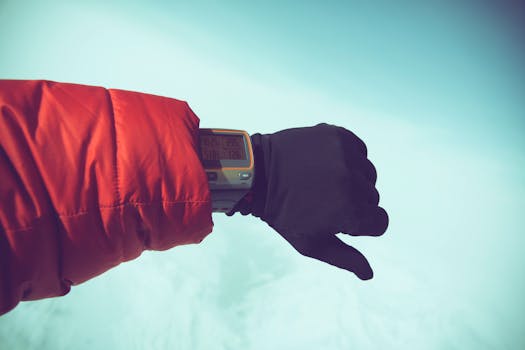
Wearable devices can track skin temperature continuously, but the more informative signal is often not the absolute temperature at any moment. Instead, researchers and clinicians increasingly focus on how quickly the skin temperature “recovers” after a disturbance—such as a brief cooling, warming, or changes in local blood flow caused by activity, stress, or posture. This process is commonly referred to as wearable skin temperature recovery.
In practical terms, recovery reflects the dynamics of peripheral circulation and the body’s ability to regulate heat. When blood vessels dilate or constrict, heat transfer between the core, the skin, and the environment changes. The rate and shape of that change can provide insight into vascular function, autonomic regulation, and thermoregulatory capacity—useful for research on sleep, stress, rehabilitation, and occupational health.
This explainer breaks down what “recovery” means, what wearables can and cannot measure, and how to interpret recovery curves in a scientifically grounded way.
What “recovery” means: the physiology behind the signal
Skin temperature is influenced by multiple interacting processes. The most important for recovery patterns are:
- Cutaneous blood flow: Blood carries heat from the body core to the skin. When vessels dilate, more warm blood reaches the skin, raising skin temperature; constriction reduces heat delivery.
- Local tissue heat capacity: Skin and subcutaneous tissues store heat. After cooling, stored heat contributes to an initial temperature drop-and-rise pattern even before circulation fully responds.
- Thermal conduction to the environment: Air temperature, humidity, wind, and contact with clothing or bedding affect how quickly heat escapes.
- Autonomic nervous system control: Sympathetic and parasympathetic pathways modulate vascular tone, sweating, and shivering responses.
When a wearable captures skin temperature over time, the “recovery” phase typically refers to the period after a perturbation when the skin temperature returns toward baseline. Depending on the protocol, the perturbation may be intentional (for example, a standardized cooling period) or incidental (for example, stepping into a different room temperature, changing activity level, or removing a warm layer).
Recovery is not a single number. It is often characterized by features such as time constant, peak temperature, slope, and how smoothly the curve transitions back to baseline. Those features can map to vascular and autonomic dynamics more directly than a single temperature reading.
How wearables measure skin temperature in real life
Wearable skin temperature sensors typically use thermistors or similar temperature-sensitive elements placed at the skin surface. The device estimates skin temperature by measuring the sensor temperature and applying calibration factors. However, several measurement realities affect recovery interpretation:
- Sensor placement: Feet, hands, wrists, and forearms differ in baseline perfusion and exposure to ambient air. Recovery patterns may vary substantially by location.
- Contact pressure and fit: Poor contact can increase measurement noise and alter local heat transfer.
- Skin emissivity and clothing microclimate: While skin temperature measurement is direct at the sensor, the microclimate around the sensor (fabric, moisture, airflow) still changes the thermal environment.
- Sampling rate and filtering: Many consumer-grade devices sample at intervals and apply smoothing. Over-aggressive smoothing can blur fast changes in recovery.
Devices such as smartwatches and fitness bands commonly include skin temperature sensors and may report an estimated “skin temperature” or “skin temperature trend.” In research settings, higher-grade systems may use more controlled protocols and higher sampling rates to capture recovery kinetics accurately.
For meaningful recovery analysis, the key is consistency: the same sensor placement, comparable clothing and ambient conditions, and a clear definition of what counts as the start of the recovery period.
Common recovery protocols: cooling, warming, and activity shifts
Recovery can be studied in multiple ways. The protocol matters because it changes what physiological systems dominate the response.
1) Controlled cooling-warming cycles
In controlled studies, participants may undergo a brief cooling period—such as a standardized exposure to cooler air or a cooling device—followed by a return to neutral conditions. The recovery curve then reflects how quickly blood flow and local heat exchange normalize.
2) Passive environmental transitions
In everyday settings, recovery may occur when someone moves between rooms, changes layers, or steps outdoors. This produces recovery signals that are real but harder to interpret because the perturbation magnitude and timing are less standardized.
3) Activity-related changes
After exercise, skin temperature often falls as circulation and heat production change. Recovery here can reflect the transition from high metabolic heat and altered blood flow to resting thermoregulation. Similarly, after a period of reduced movement (sitting still, sleep onset), the body may shift toward different peripheral circulation patterns.
Regardless of protocol, recovery is most interpretable when you can identify a clear “disturbance window” and a consistent baseline reference period.
Interpreting recovery curves: slopes, time constants, and variability
Most wearable datasets are time series. To extract insight, researchers often summarize recovery using a few curve features. While exact methods vary, the underlying idea is to reduce the curve to interpretable parameters.
- Recovery time: How long it takes to return to a defined threshold (for example, within 90% of baseline).
- Initial slope: The early rate of temperature increase after the perturbation. A steep slope may indicate rapid vasodilation or effective restoration of local heat delivery.
- Time constant (model-based): Some analyses fit an exponential or bi-phasic curve to estimate how quickly the system approaches baseline. This can help separate fast peripheral effects from slower components.
- Peak overshoot: In some cases, skin temperature exceeds baseline during recovery. Overshoot can reflect delayed control signals, sweating dynamics, or thermal inertia.
- Day-to-day variability: Consistent recovery patterns across days can suggest stable thermoregulatory function; large variability may indicate changing ambient conditions, inconsistent sensor contact, or physiological changes (for example, stress, illness, or altered hydration).
A crucial point: interpreting recovery is not the same as “higher is better” or “faster is better.” The meaning depends on the direction of the perturbation (cooling versus warming), the baseline state, and the context (rest, sleep, post-exercise).
What wearable skin temperature recovery can indicate
When recovery is measured with a reasonably controlled approach, it can provide clues about physiological regulation. Evidence varies by condition and study design, but common areas of interest include:
- Peripheral vascular function: People with different vascular responsiveness may show distinct recovery kinetics after cooling.
- Autonomic nervous system activity: Thermoregulatory control is mediated by autonomic pathways. Recovery patterns can change with stress, anxiety, and sympathetic activation.
- Sleep and circadian thermoregulation: During sleep, skin temperature typically follows circadian rhythms and changes in autonomic tone. Recovery after nocturnal disturbances may differ across sleep stages and individuals.
- Rehabilitation and recovery monitoring: After injuries or interventions that affect circulation or inflammation, temperature recovery patterns may shift. However, interpretation should be cautious because many confounders exist.
It is also important to recognize that skin temperature recovery is not a direct proxy for core body temperature. Peripheral factors can dominate the signal, especially in hands and feet where ambient exposure is substantial.
Confounders that distort recovery in everyday use
Wearable recovery signals are sensitive to conditions that may not be obvious in the data stream. Common confounders include:
- Ambient temperature and airflow: Even small differences in wind or room drafts can alter heat loss and change recovery speed.
- Clothing and bedding: Socks, gloves, sleeves, and bed covers create a thermal barrier that changes the effective cooling rate.
- Hydration and sweat: Sweating changes skin heat dissipation. Hydration status can influence sweating patterns and thus recovery.
- Recent exercise or caffeine: Both can shift peripheral blood flow and autonomic tone for hours.
- Posture and limb dependency: Hands and feet positioned below heart level may show different baseline perfusion and recovery kinetics.
- Device fit and sensor drift: Movement artifacts, loose straps, or sensor repositioning can mimic physiological changes.
Because these factors influence the curve, a single recovery session can be misleading. Patterns across days and consistent conditions yield more reliable interpretations.
Practical guidance: designing a recovery measurement you can trust
If you want to analyze wearable skin temperature recovery in a way that aligns with scientific principles, focus on repeatability and clear definitions.
Standardize the baseline
Choose a consistent baseline window—such as a period of quiet rest in the same room—before any disturbance. Baseline drift is common across days, so it helps to compare recovery relative to each baseline rather than absolute temperature alone.
Define the start of the perturbation
Recovery analysis requires knowing when the disturbance begins. For controlled protocols, start after the end of a cooling period. For real-world transitions, use a proxy event (for example, a documented time when you changed rooms or removed a glove) and keep that behavior consistent.
Control clothing and airflow
Within practical limits, keep clothing the same during measurement windows. For example, if you measure hand recovery, use the same sleeve thickness and avoid direct drafts.
Use consistent sensor placement
Switching from left to right hand, or changing wrist position frequently, can alter the thermal environment around the sensor. If the device allows, keep placement stable.
Look for trends, not isolated days
Recovery curves can vary with stress, sleep, and illness. Instead of focusing on one unusually slow recovery day, examine whether the overall pattern holds across multiple sessions under similar conditions.
Several wearable platforms and research-oriented systems allow exporting temperature time series. When possible, analyze the full curve rather than a single “recovery score.” Even basic curve features (time-to-threshold, slope) can be more informative.
Prevention and “when to seek medical input”
Skin temperature recovery is a physiological signal, but it should not be used to diagnose conditions by itself. Still, persistent abnormalities—especially when paired with symptoms—warrant medical attention.
- Seek evaluation if you notice ongoing coldness in one limb, color changes (white/blue/red), numbness, pain, or wounds that heal poorly.
- Consider broader context: recovery changes may occur during illness, after medication changes, or with circulatory risk factors.
- Reduce measurement artifacts before drawing conclusions: check sensor fit, avoid drafts, and standardize clothing.
For general prevention, maintaining overall vascular health supports normal thermoregulation. Regular movement, adequate hydration, and avoiding prolonged cold exposure can help maintain stable peripheral circulation and reduce variability in temperature recovery.
Summary: using wearable recovery to understand heat regulation
Wearable skin temperature recovery captures how quickly skin temperature returns toward baseline after a thermal or physiological disturbance. The signal is primarily driven by peripheral blood flow regulation, autonomic control, and heat exchange with the environment. Because recovery is sensitive to sensor placement, clothing, airflow, and baseline state, reliable interpretation depends on consistent measurement conditions and clear definitions of the perturbation and baseline.
When measured thoughtfully, recovery kinetics can offer valuable insight into thermoregulatory function and vascular responsiveness. Use the full time series, compare recovery relative to baseline, and focus on repeatable patterns rather than isolated readings.
01.04.2026. 06:14