

HRV vs Resting Respiratory Rate Recovery: Troubleshooting Guide

When your recovery metrics disagree, you feel stuck
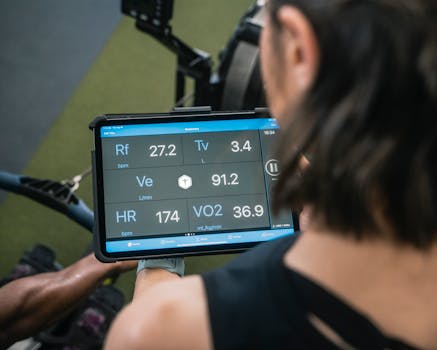
You check your trends to decide whether to train, rest, or adjust. Then you notice a problem: your HRV vs resting respiratory rate recovery signals don’t line up the way they usually do. For example, your HRV may stay low for 2–3 mornings while your resting respiratory rate (RRR) is normal, or the opposite—RRR remains elevated even though HRV has bounced back.
This mismatch can create two common symptoms in real life:
- Decision paralysis: You can’t tell if you’re ready for intensity or if you should back off.
- False confidence: One metric looks “fine,” so you train hard, but you still feel heavy, sore, or unusually breathless.
The good news: disagreements are usually explainable. Often it’s one of three categories—true physiology (stress, illness, sleep disruption), training load mismatch (different recovery timescales), or measurement artifacts (sensor fit, timing, and data quality). Your job is to troubleshoot in that order.
Why HRV and resting respiratory rate recover differently
HRV is a proxy for autonomic nervous system balance—especially parasympathetic activity—while resting respiratory rate reflects breathing efficiency and ventilatory drive. They can diverge because they respond to different stressors and they settle on different timelines.
Most likely cause #1: you’re under-recovered, but not in the same way
HRV often drops with nervous system strain from hard training, accumulated fatigue, poor sleep quality, or high daily stress. Resting respiratory rate can rise when your body is working harder to maintain oxygenation or when you’re recovering from inflammation or mild illness.
Common pattern: HRV stays depressed for 2–5 days, while RRR normalizes sooner (or vice versa). That doesn’t automatically mean one metric is wrong. It can mean you’re recovering on different axes.
Most likely cause #2: mild illness, allergies, or airway irritation
Even when you don’t feel “sick,” respiratory rate can remain elevated. Allergies, congestion, dry air, and post-nasal drip can increase breathing frequency. In parallel, HRV can remain suppressed due to ongoing inflammatory signaling or sleep fragmentation.
Real-world scenario: You travel for work, sleep in a hotel room with dry air, and your nose feels slightly irritated. Your HRV is lower than usual for three mornings. Your resting respiratory rate is also higher—say, elevated by 1–3 breaths per minute compared with your baseline—despite decent training sessions. You later notice mild throat clearing and fatigue. That’s consistent with airway stress rather than purely training load.
Most likely cause #3: measurement timing and sensor placement errors
This is where many people lose the plot. HRV depends heavily on consistent measurement windows and motion-free data capture. Resting respiratory rate depends on how well your device can detect breathing patterns, which can be disrupted by movement, loose straps, temperature changes, or a poor fit.
Typical artifacts include:
- Inconsistent measurement time: HRV may be captured after different sleep stages if you wake at different times.
- Different posture: Checking right after getting up vs after sitting quietly can change RRR.
- Loose wearable: A strap that’s “almost” tight enough can still degrade breathing detection.
- Heart rate variability noise: Cold hands or poor contact can add noise that looks like low HRV.
Most likely cause #4: recent caffeine, alcohol, nicotine, or late meals
These don’t just affect heart rate—they can shift autonomic balance and sleep architecture. Alcohol can increase overnight breathing irregularities. Caffeine late in the day can delay sleep onset and reduce deep sleep, often depressing HRV while also affecting breathing patterns.
If your HRV is low but RRR is also elevated, consider whether your last 24–36 hours included alcohol, late caffeine, or a heavy meal.
Step-by-step troubleshooting and repair process
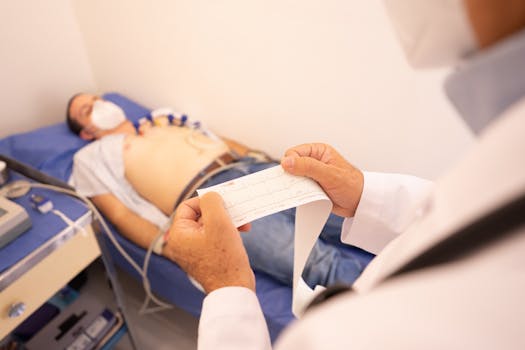
Use this sequence. Don’t jump to conclusions based on one day. Your goal is to determine whether the mismatch is physiological, behavioral, or measurement-related.
Step 1: Confirm your baseline and the “direction” of change
Before you interpret, define your baseline using your own data (not someone else’s). Look at your last 14–30 days and note:
- Your typical morning HRV range (e.g., median value and usual variability).
- Your typical resting respiratory rate range (e.g., breaths per minute).
Then label the mismatch:
- Scenario A: HRV down, RRR normal.
- Scenario B: HRV down, RRR elevated.
- Scenario C: HRV normal, RRR elevated.
- Scenario D: HRV up, RRR elevated (less common but possible).
This matters because each pattern points to different likely causes.
Step 2: Verify measurement quality for the last 24 hours
Check the basics you can control today:
- Wore the device snugly (not tight enough to hurt, but tight enough that it doesn’t slide).
- Same wrist position / same strap tightness as usual.
- Measured at similar wake time and after similar sleep duration.
- No long periods of movement during the measurement window.
If your device provides a data-quality indicator (some do), use it. If not, use your own “sanity checks”: did your HRV graph look smooth and plausible, or jittery and inconsistent?
Step 3: Run a 2-minute reality check for breathing
Right after you wake (before heavy activity), you can do a simple manual check. Sit quietly for 2 minutes. Then count breaths for 30 seconds and multiply by 2.
Compare your manual count to your device’s resting respiratory rate. You’re looking for gross mismatch (for example, device says 10 breaths/min but manual count suggests 15–18). If there’s a large discrepancy, your respiratory signal is likely compromised.
Important: if you have known respiratory conditions or feel short of breath, prioritize medical guidance over device interpretation.
Step 4: Review the last 48 hours of inputs
Write down (mentally is fine) what changed:
- Hard workout or race? How intense? How late?
- Sleep duration and sleep quality (did you wake up often?).
- Alcohol (even one night), late caffeine (especially after 2 pm), nicotine exposure.
- Travel, dry air, allergies, congestion.
- Hydration and carbohydrate intake (low carbs can worsen perceived fatigue; dehydration can increase breathing frequency).
HRV and respiratory rate can both respond to these, but in different proportions.
Step 5: Decide whether you’re seeing “recovery lag” or “ongoing stress”
Now interpret the timeline. Use a simple rule:
- If HRV and RRR both improve over 48–72 hours, it’s more consistent with normal recovery lag.
- If RRR stays elevated for 3–5 mornings or HRV remains suppressed while you feel worse, it’s more consistent with ongoing stress (illness, poor sleep, or overreach).
Don’t ignore how you feel. Metrics are tools, not replacements for body signals.
Solutions from simplest fixes to more advanced fixes
Start with the smallest intervention that addresses the most likely cause. Then reassess after 24–48 hours.
Fix 1: Standardize measurement conditions for 3 mornings
This is the quickest way to rule out artifact. Do this for at least 3 consecutive mornings:
- Wake at roughly the same time (within ~60 minutes).
- Keep the wearable snug and in the same position.
- Avoid checking metrics immediately after standing or walking around—sit quietly for 1–3 minutes first.
- Keep bedroom temperature stable (extremes can affect sleep and breathing).
If the mismatch disappears after standardization, you were likely seeing measurement noise rather than true physiology.
Fix 2: Add a recovery day even if one metric looks okay
If your RRR is elevated (especially by ~1–3 breaths per minute above your baseline) and HRV is low, treat it as incomplete recovery. For the next 24 hours:
- Choose a low-intensity session (e.g., easy walk, very light spin) or full rest.
- Skip intervals, heavy lifting, and high-intensity tempo work.
- Prioritize sleep opportunity—aim for the same or better duration than your recent average.
Example: You planned a hard run. Your HRV is 15–25% below your 30-day median, and your RRR is up by 2 breaths/min. You switch to a 30–40 minute easy jog or brisk walk and go to bed 45–60 minutes earlier. The next morning, HRV rebounds and RRR trends down. That’s a strong signal you needed a simple load adjustment.
Fix 3: Address airway and sleep quality factors
If RRR is persistently elevated, focus on breathing-related sleep disruptions. Practical steps for the next night:
- Use a humidifier if your room is dry (especially in winter or with HVAC running).
- Check for allergy triggers (dust, pets in the bedroom, open windows during high pollen).
- Consider nasal saline before bed if you’re congested.
- Avoid sleeping flat on your back if you notice mouth breathing—slight elevation can help some people.
These steps can reduce breathing effort and improve HRV if sleep fragmentation was part of the issue.
Fix 4: Re-time caffeine and alcohol to protect HRV recovery
For 5–7 days, tighten your inputs:
- Stop caffeine after 2 pm (or at least 8 hours before bedtime).
- Avoid alcohol within 24–48 hours of days where you’re monitoring recovery closely.
- Keep late meals lighter; aim to finish food 2–3 hours before sleep.
If HRV was suppressed by sleep disruption, you should see improvement after a few nights of consistent timing. RRR may also normalize if alcohol or late meals were increasing breathing irregularities.
Fix 5: Hydration and electrolytes when RRR is elevated
Dehydration can increase perceived effort and breathing frequency. For the next 24 hours:
- Drink enough so your urine is pale yellow.
- If you sweat heavily, consider electrolytes (sodium-focused) rather than only water.
If you use supplements, keep them consistent and avoid stacking multiple new variables at once. You’re troubleshooting, not designing a new protocol.
Fix 6: Adjust training load using a recovery-first approach
When HRV and RRR disagree, a conservative load adjustment is often the correct “repair.” For the next 3–5 days:
- Reduce intensity (keep most work easy/moderate).
- Cut total volume by ~20–40% if you’ve had multiple hard days.
- Keep hard sessions spaced out with at least 48 hours between high-intensity efforts.
Why this works: HRV is sensitive to nervous system strain, and RRR can reflect lingering inflammatory or respiratory stress. Training through that can prolong both.
Fix 7: Use device-specific checks (and replace the wearable if needed)
If you’ve standardized conditions and your RRR readings remain implausible compared with manual counts, the device signal may be failing.
- Try a different wrist/placement if your device allows it.
- Replace the strap or ensure the sensor area is clean and dry.
- Charge fully and update firmware if updates are available.
If the discrepancy persists across multiple days and manual breathing counts consistently disagree with device values, replacement may be warranted. This is especially true if HRV looks reasonable but RRR is consistently off.
When replacement or professional help becomes necessary
Most mismatches resolve with measurement standardization and short-term load and sleep changes. Still, there are moments when you should escalate.
Consider professional help if respiratory symptoms appear
Seek medical advice promptly if you have any of the following:
- Shortness of breath at rest, wheezing, chest tightness, or persistent cough.
- Fever, chills, or symptoms that worsen over 24–48 hours.
- Unusually high resting respiratory rate that does not trend down after rest and sleep optimization.
- Chest pain, bluish lips, or severe weakness.
Device metrics can be early signals, but they cannot diagnose. If you feel unwell, treat your body first.
Consider replacing the wearable if data quality is consistently poor
Replace or service the device when:
- Manual breathing counts repeatedly don’t match the device’s resting respiratory rate (for example, consistent differences of 4–6 breaths/min).
- HRV values are erratic or obviously contaminated by motion artifacts even when you’re still.
- Comfort and fit issues persist (strap won’t hold position, sensor contact is unreliable).
In these cases, you’re no longer troubleshooting recovery—you’re troubleshooting hardware.
Reassess your interpretation approach if the mismatch keeps recurring
If HRV vs resting respiratory rate recovery disagrees week after week despite consistent measurement habits, you may need a different decision rule. For example:
- Use RRR as the “respiratory stress” gate for intense training.
- Use HRV as the “nervous system readiness” gate for high-intensity intervals.
That doesn’t require a new product. It requires consistent logic: if either gate suggests stress, you reduce intensity until both trends align.
Putting it together: a practical troubleshooting example
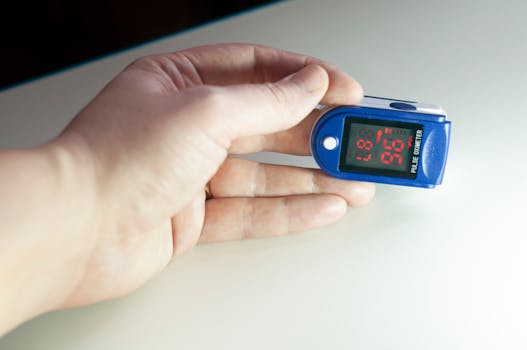
Here’s a common scenario. You’re training for a 10K. Over 3 days you did a tempo run, a strength session, and a long walk. Your next morning HRV is down ~20% from your 30-day median. Your resting respiratory rate is up by ~2 breaths/min compared with your usual range.
Instead of pushing through, you do the following:
- Measurement standardization: same wake time ±30 minutes, strap snug, sit quietly for 2 minutes before checking.
- Load repair: you skip intervals and do an easy 30-minute walk.
- Sleep and airway support: you humidify the room and use nasal saline if you notice dryness.
After 48 hours, your HRV rises toward baseline and your resting respiratory rate drops back to normal. The mismatch resolved once you reduced load and improved sleep/airway conditions. In this case, the discrepancy likely reflected real recovery stress rather than a measurement error.
If, however, you had standardized conditions and your RRR stayed implausibly high while manual breathing counts were normal, you’d shift your focus to device fit and data quality—and consider replacing the wearable or strap.
How to use HRV vs resting respiratory rate recovery without overreacting
Your objective isn’t to make the metrics agree every day. It’s to detect meaningful trends. Treat the mismatch as information about which system is under more strain.
Use a short, structured response:
- First, verify measurement quality for 3 mornings.
- Then, apply conservative recovery for 24–48 hours if RRR is elevated or HRV is persistently suppressed.
- Finally, escalate only if respiratory symptoms appear or device readings remain implausible despite standardization.
When you follow that sequence, the disagreement becomes actionable instead of confusing. You stop guessing and start repairing the most likely bottleneck—sleep, breathing comfort, training load, or sensor reliability.
22.03.2026. 04:13