

Best HRV Wearable Accuracy: Optical vs Chest Strap

How optical and chest strap HRV sensors measure the same signal
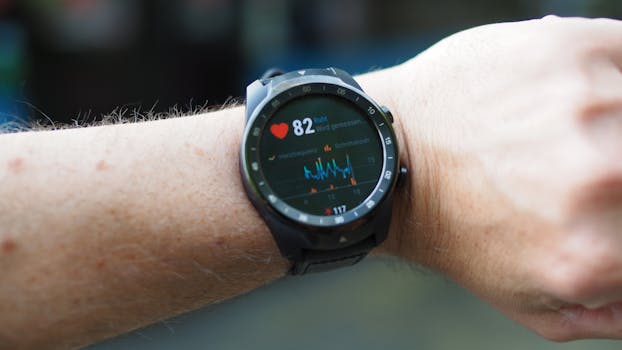
Heart rate variability (HRV) is derived from the timing between heartbeats, usually expressed as metrics such as RMSSD. The challenge is that HRV depends on detecting beat-to-beat intervals with high precision. That’s where optical sensors and chest straps differ.
Optical HRV wearables (watches and rings with LEDs and photodiodes) estimate pulse timing from changes in blood volume under the skin. Most devices rely on PPG (photoplethysmography) and then apply signal processing to identify heartbeats from the optical waveform.
Chest straps typically use ECG (electrocardiography) or ECG-like sensing through electrodes on the chest. ECG captures electrical activity directly, which can provide more stable beat timing—especially when motion or sensor contact changes.
Because HRV is sensitive to small timing errors, the “best accuracy” question is really about beat detection quality under real conditions: rest vs movement, consistent sensor contact vs variable fit, and how each system handles noise.
Quick summary: strongest overall accuracy for HRV
In most real-world situations, chest straps tend to be the more accurate choice for HRV, particularly during low-to-moderate movement, when an optical sensor’s signal can degrade. Optical devices can still be very useful—especially for trend tracking—but they generally show more variability when skin contact, perfusion, or motion changes.
Side-by-side: optical wrist HRV vs chest strap HRV
| Category | Optical (wrist/ring PPG) | Chest strap (ECG / ECG-like) |
|---|---|---|
| Primary sensing method | Light absorption changes from blood flow (PPG) | Electrical heart signals (ECG-based) |
| Beat-to-beat precision | Good at rest; can drift with motion, sweat, or poor contact | Often more consistent beat timing, especially with stable electrode contact |
| Noise sources | Motion artifacts, variable skin perfusion, ambient light, wrist position | Electrode placement, strap fit, dry skin/sweat, signal dropouts if contact shifts |
| Performance during sleep | Often strong because motion is limited and contact is stable | Typically strong; may be more consistent across sleep stages |
| Performance during training | More likely to lose or mis-detect beats during movement or higher heart rates | Generally better for HRV-focused intervals, though strap stability still matters |
| Data consistency across days | Can vary with skin temperature, wrist location, and strap tightness (for rings: fit changes) | Usually consistent if the strap is worn the same way each time |
| Comfort and adherence | No strap; easier to wear continuously | May be less comfortable; adherence can drop for some users |
| Typical best use | Trend monitoring and general readiness when worn correctly | More rigorous HRV tracking and comparisons when accuracy matters |
| Examples of common device types | Most HRV-capable smartwatches and rings (e.g., Apple Watch with HRV metrics, Oura Ring) | Common HRV chest strap systems used with training apps (ECG-style straps) |
Why accuracy differs: signal processing, motion, and contact
The biggest accuracy gap comes from how each system turns a noisy raw signal into beat intervals.
Optical HRV depends on a clean PPG waveform. When you move your wrist, change wrist angle, or sweat, the optical signal can include artifacts that mimic or obscure heartbeat peaks. Even if a watch “tracks heart rate” reasonably well, HRV is more demanding because it uses the timing between successive beats. A small mis-detection early in the series can ripple into RMSSD and related HRV values.
Chest strap HRV generally has an advantage because ECG detects the electrical activity of the heart. That reduces ambiguity in beat timing. However, straps can still fail when electrodes shift, the strap is too loose, or the skin is very dry. In practice, many users get consistent results after dialing in strap placement and tightness.
Another practical factor is what the device reports. Some optical wearables compute HRV from limited windows (for example, while you’re resting). Chest straps may provide more raw flexibility depending on how the data is processed by the connected app or platform. That matters because HRV can vary significantly between rest and movement.
Real-world performance differences: what you’ll actually notice
In day-to-day use, the most noticeable differences are usually not “HRV is wrong” but how stable the readings are and how often they look implausible.
- Resting HRV with optical sensors: Optical watches and rings often perform well overnight. If you keep the device positioned consistently and avoid long gaps in contact, the HRV trend can be reliable.
- Optical HRV during movement: During workouts, stretching, or even restless sleep, optical HRV can show sudden jumps or more frequent missing-quality segments. This doesn’t necessarily mean the heart rate is incorrect; it may mean beat detection is less stable.
- Chest strap HRV stability: For users who can tolerate the strap, chest sensors often maintain more consistent beat timing when transitioning between stillness and mild movement. HRV metrics may still change with physiology, but they’re less likely to be dominated by signal quality issues.
- Consistency across days: Optical readings can drift if you wear the watch higher/lower on the wrist, change how tight it sits, or experience different skin temperature. Chest strap consistency depends mostly on electrode contact and strap placement routine.
One more nuance: HRV has biological variability. The question is whether the wearable adds measurement variability on top of real physiological variability. Chest straps typically introduce less measurement noise, while optical sensors can introduce more—especially outside controlled conditions.
Pros and cons breakdown by sensor type
Optical wrist/ring HRV wearable
- Pros
- High convenience: easy to wear continuously without a strap.
- Good trend tracking when worn consistently, especially during sleep.
- Less setup required; fewer fit variables beyond placement and tightness.
- Cons
- More sensitive to motion artifacts and changes in skin contact.
- HRV metrics may be less stable if the device uses shorter or more selective measurement windows.
- Some users see occasional “outlier” HRV days that correlate with restless sleep or poor contact.
Chest strap HRV sensor
- Pros
- Often higher accuracy for beat timing due to ECG-based sensing.
- Better robustness during low-to-moderate movement compared with optical sensors.
- More consistent HRV calculations when electrode contact is stable.
- Cons
- Comfort and adherence can be limiting, especially for all-night wear.
- Fit and electrode placement matter; dry skin or strap loosening can cause dropouts.
- Setup is more involved if you switch straps, wash them, or change placement habits.
Who benefits most: best use-cases for different buyers
“Best” depends on what you want HRV to do: track trends, compare training blocks, or get closer to lab-grade beat timing.
- You prioritize convenience and long-term trend monitoring: An optical wearable is often the better fit. Overnight HRV trends can still be meaningful for recovery awareness, especially if you keep device placement consistent.
- You care about HRV during workouts or transitional periods: A chest strap generally performs better because optical sensors are more vulnerable to movement artifacts. If your goal is to compare HRV before and after specific sessions, chest-based sensing can reduce measurement noise.
- You’re comparing HRV across devices or apps: Chest strap systems can be easier to standardize because ECG-based beat timing is less affected by wrist motion and perfusion changes. Optical comparisons may be confounded by differences in algorithms and wearing behavior.
- You’re sensitive to “outlier” HRV days: If you frequently see optical HRV spikes or drops that don’t match how you feel, chest strap accuracy can provide a steadier reference.
It’s also worth noting that many people use a hybrid approach in practice: optical devices for daily readiness context and chest strap measurements for specific sessions or validation periods. The goal is to match the sensor to the environment where it performs best.
Final verdict: which option suits your needs
If your primary goal is best HRV wearable accuracy optical vs chest strap—meaning the most reliable beat-to-beat timing—chest straps are usually the stronger choice, especially for sessions that include movement or when you need more consistent measurements across days.
If your priority is ease of use and you’re mainly interested in sleep-based HRV trends, optical wearables can be highly practical. Their accuracy is often sufficient for observing patterns, provided you wear them consistently and interpret day-to-day changes with the understanding that optical sensing can be more sensitive to contact and motion.
In short: chest strap for measurement stability and higher confidence; optical for convenience and trend tracking. Choosing between them is less about “which is always better” and more about which sensor matches the conditions under which you’ll actually wear it.
01.12.2025. 01:07