

L-Theanine for Stress and Focus: How It Works and How to Use It

Why L-theanine is often discussed for stress and focus
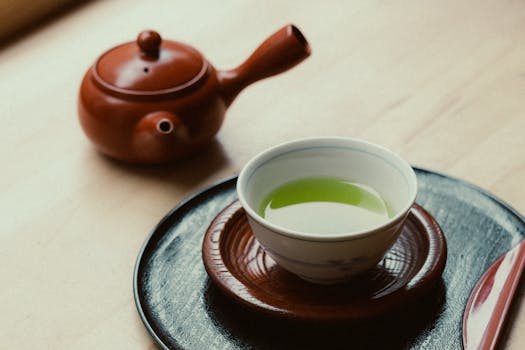
Stress and focus are tightly linked. When your nervous system is “on high alert,” it can feel harder to settle mentally, sustain attention, or recover after demanding days. L-theanine is an amino acid found primarily in tea leaves, best known for its potential to promote a calmer mental state without causing sedation in most people. Because it interacts with brain signaling pathways involved in relaxation and attention, it has become a common supplement topic for people who want steadier focus alongside reduced stress reactivity.
This article explains how L-theanine for stress and focus works, what research suggests, how to choose an appropriate dose and timing, and what safety considerations matter. It is written for informational purposes and does not replace medical advice.
What L-theanine is and where it comes from
L-theanine is a naturally occurring amino acid, most abundant in Camellia sinensis (tea). In tea, it is accompanied by other compounds such as caffeine and polyphenols, which can influence how people experience tea. As a supplement, L-theanine is typically provided as a purified amino acid, allowing more consistent dosing than drinking tea alone.
In the body, L-theanine can cross the blood–brain barrier and may influence neurotransmitter systems. While it is not a “stimulant” in the way caffeine is, many people report that it helps them feel mentally clear while reducing tension or agitation.
How L-theanine may support stress reduction

Stress is not only psychological; it is also physiological. When you’re stressed, your body may increase arousal signals that make it harder to relax and may heighten sensitivity to distractions. L-theanine appears to affect brain activity patterns associated with relaxation.
Several mechanisms have been proposed based on human and preclinical research:
- Modulation of glutamate signaling: L-theanine is structurally related to glutamate and may influence excitatory signaling in ways that support calmer processing.
- Effects on inhibitory neurotransmission: It may help shift the balance toward a less reactive state, which can feel like reduced “mental noise.”
- Influence on alpha brain waves: Some studies suggest L-theanine can increase alpha wave activity (often associated with relaxed alertness), which may explain why some people feel both calm and attentive.
- Potential support for stress-related mood: Human studies have reported improvements in stress perception and tension in some contexts, though results vary by study design and population.
Importantly, the calming effect is typically described as non-sedating. That distinction matters if your goal is to feel less stressed while staying functional, studying, or working.
L-theanine and attention: what “focus” means in practice
“Focus” can mean several things: staying on task, resisting distractions, and maintaining mental clarity over time. L-theanine may support focus more by reducing stress reactivity than by directly increasing alertness.
In practical terms, people often use L-theanine for:
- Less mind-wandering when stress or worry tends to intrude
- Improved task persistence during demanding work sessions
- Calmer concentration, especially when caffeine alone makes them feel edgy
- Steady performance during periods of high cognitive load
Some research suggests L-theanine may work particularly well alongside caffeine, because caffeine increases alertness while L-theanine may temper the “jittery” or over-aroused feeling that can accompany caffeine. However, L-theanine alone can still be useful for those who want a calmer baseline without stimulants.
What the research says (and what it doesn’t)
Evidence for L-theanine comes from a mix of human clinical studies, mechanistic research, and smaller trials. Overall, findings support the idea that L-theanine can promote relaxation and may improve aspects of attention under stress. That said, supplement research is not identical to medication-grade evidence, and outcomes can depend on dose, study population, and how “stress” and “focus” are measured.
Common themes in the literature include:
- Stress perception: Some studies report reduced subjective stress or improved calmness.
- Attention under pressure: In certain settings, participants show better performance on attention-related tasks when L-theanine is present.
- Synergy with caffeine: When combined with caffeine, some studies find improved cognitive performance compared with placebo, and often a smoother subjective experience.
What the research does not guarantee is universal results. Not everyone experiences noticeable effects, and the timing, baseline stress level, sleep quality, and concurrent caffeine intake can all change how a person responds.
How to use L-theanine for stress and focus: dosing and timing
There is no single dosing protocol that fits everyone, but research and common practice give useful starting points. When using L-theanine for stress and focus, think in terms of when you want the calming effect and how you typically respond to supplements.
Common dose ranges used in studies
Human studies often use doses in the range of 100 mg to 200 mg per serving, sometimes taken once or split across the day. Some protocols use higher total daily amounts, but responses are individual.
If you are new to L-theanine, a conservative approach is often to start with a single dose and evaluate effects for several days before adjusting. Many people settle into a dose that supports calm attention without causing unusual drowsiness.
Best timing for stress-related tension
For stress reduction, timing usually follows your stress pattern:
- Before anticipated stress: Many people take L-theanine about 30–60 minutes before a meeting, exam, or other high-pressure event.
- During the day: If stress builds gradually, a mid-day dose may help maintain steadier mood and attention.
- Evening wind-down: Some individuals use L-theanine later in the day to support relaxation, especially if they feel “wired” despite being tired.
Best timing for focus and deep work
For focus, consider whether your main issue is distraction from stress or low arousal:
- If stress distracts you: Taking L-theanine before a deep work session may reduce mental agitation.
- If you also need alertness: Some people pair L-theanine with caffeine to target both calm and alertness. In that case, timing caffeine as usual and using L-theanine to smooth the experience can be more effective than either alone.
Because caffeine affects everyone differently, it’s wise to test changes one variable at a time (for example, keep caffeine amount constant while you evaluate L-theanine).
Does L-theanine work alone or with caffeine?
L-theanine can be used by itself, but it is frequently discussed alongside caffeine because tea naturally contains both. In supplements, the combination is popular for people who want the cognitive lift of caffeine without the edge.
When used together, the typical goal is:
- Caffeine for alertness and reaction time
- L-theanine for calmer attention and reduced tension
However, combining them isn’t automatically better. If you are sensitive to stimulants, you may prefer L-theanine alone and adjust caffeine later. Conversely, if you rely on caffeine for productivity, L-theanine may help you feel more composed rather than simply more awake.
Choosing a supplement: what to look for (without hype)
Because supplements are not regulated like prescription medications, product quality matters. When selecting an L-theanine supplement, focus on clarity and consistency rather than marketing claims.
- Label accuracy: The label should clearly state the amount of L-theanine per serving (e.g., 100 mg or 200 mg).
- Third-party testing: Look for evidence of independent testing for identity and purity when available.
- Simple formulations: Many people prefer single-ingredient L-theanine or products with minimal additives if their goal is stress and focus.
- Form and stability: Most reputable brands provide L-theanine in a standardized form; avoid vague blends that make dosing unclear.
If you take other supplements or medications, choosing a product with fewer extras can make it easier to track what changes you’re experiencing.
Safety, side effects, and who should use caution
L-theanine is generally well tolerated in many people, especially at doses commonly used in studies. Still, safety considerations are important.
Possible side effects
Side effects are not common, but reported possibilities include:
- Headache in some individuals
- GI discomfort (less common)
- Sleepiness or reduced alertness if taken at a time when you need maximum wakefulness
- Lower blood pressure–like effects in sensitive individuals (rare, but worth monitoring if you have baseline low BP)
If you notice consistent unwanted effects, reduce the dose or stop and reassess.
Interactions and special populations
Because L-theanine can influence brain signaling and because supplements can affect individuals differently, use caution if you:
- Take sedatives or anti-anxiety medications: Even if L-theanine is not strongly sedating, additive calming effects may occur.
- Use blood pressure medications: Monitor for dizziness or lightheadedness.
- Are pregnant or breastfeeding: Safety data is limited, so discuss with a clinician.
- Have a neurological condition: If you have a condition affecting neurotransmission, talk with a healthcare professional before using new supplements.
For anyone managing a medical condition or taking multiple medications, it’s prudent to confirm compatibility with a clinician or pharmacist.
Practical strategies to pair L-theanine with stress and focus habits
Supplements can support your routine, but they work best when paired with foundational habits. If your goal is less stress and better focus, consider these practical approaches:
- Sleep first: Poor sleep can overwhelm any calming effect. If you’re consistently short on sleep, prioritize sleep duration and schedule regularity.
- Use a “test window”: Try L-theanine for 1–2 weeks while keeping your caffeine intake, work schedule, and stressors as consistent as possible. Track perceived calmness and attention quality.
- Time it to your stress peaks: Rather than taking it randomly, align it with when you feel most tense or distracted.
- Reduce competing inputs: Focus improves when phone notifications and multitasking are minimized during deep work.
- Hydration and meals: Low hydration or irregular meals can mimic stress responses and worsen concentration.
These habits don’t replace supplementation, but they help you interpret whether L-theanine is truly improving your stress and focus.
Common misconceptions about L-theanine
Clarifying misunderstandings can prevent frustration:
- “It replaces caffeine.” For some people, L-theanine supports calm concentration without caffeine. For others, caffeine is still needed for alertness.
- “More is always better.” Higher doses can increase the chance of unwanted effects. Starting lower and adjusting based on response is usually more informative.
- “It’s a sedative.” L-theanine is typically described as calming rather than strongly sedating, but individual responses vary.
- “It works instantly for everyone.” Some people notice effects quickly; others take longer to perceive benefits. Consistent use over days may clarify patterns.
Summary and prevention guidance for using L-theanine responsibly

L-theanine for stress and focus is often discussed because it may promote a relaxed, attentive mental state—potentially by influencing brain signaling pathways and supporting calmer cognitive processing. While research suggests benefits for stress perception and aspects of attention, individual outcomes vary, and the supplement is not a substitute for addressing sleep, workload, and coping strategies.
To use L-theanine responsibly:
- Start with a moderate dose (commonly 100–200 mg) and evaluate your response.
- Time it to your needs—before anticipated stress, or before deep work if tension disrupts focus.
- If you use caffeine, consider whether L-theanine helps you feel less edgy rather than focusing solely on productivity metrics.
- Watch for side effects such as unusual drowsiness or headache, and adjust accordingly.
- If you are pregnant, breastfeeding, or take medications (especially sedatives or blood pressure drugs), consult a clinician before use.
With a careful, evidence-informed approach, L-theanine can be a useful tool for people seeking calmer attention and reduced stress reactivity as part of a broader routine.
24.11.2025. 19:35