

Use HRV for Fat Loss Training Adjustment

Use HRV for fat loss training adjustment: what you’re trying to achieve
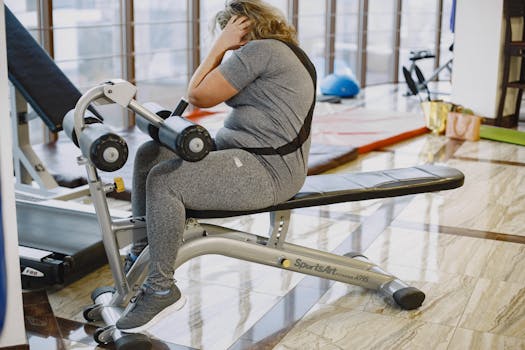
When you’re aiming for fat loss, the goal isn’t just to train hard. It’s to train consistently—with enough intensity to drive adaptations, but with enough recovery to keep performance stable. That’s where HRV (heart rate variability) helps.
HRV is a recovery signal. By using HRV trends (not single readings), you can adjust training load so you don’t stack heavy sessions on top of days when your body is already under stress. Over time, this can help you maintain output, reduce “flat” performance, and stay on track with your calorie deficit or nutrition plan.
This guide shows you how to use HRV for fat loss training adjustment in a practical, step-by-step way—using the data from a wearable, a simple weekly system, and clear rules you can follow.
Get set up: what you need before you start adjusting training
Before you change anything, set up a baseline. HRV is personal and device-dependent, so your process matters more than the exact number.
1) Choose a reliable HRV source
Use the same wearable or app every day. Examples include Garmin (HRV status), Oura (readiness), Whoop (recovery), or a chest strap paired with an HRV-capable app. If you switch devices mid-cycle, your HRV scale may shift and your trend becomes harder to interpret.
2) Pick a consistent measurement time
Most wearables measure HRV during sleep. That’s convenient, but you still need consistency. Use the same “sleep window” and don’t compare HRV from a night where you slept 4 hours to a night where you slept 8 hours.
If your device allows it, focus on a nightly HRV value and also note whether your sleep duration and quality were normal.
3) Track training load in a simple way
You don’t need a complex system. Choose one method and stick to it:
- Session RPE method: After each workout, record your perceived exertion (RPE 1–10) and the session duration.
- Volume method: Record sets per muscle group and total work time.
- Intensity method: Record how many “hard” intervals or heavy lifts you did.
HRV tells you how your body is coping. Training load tells you what you did. Together, they help you make better decisions.
4) Decide what “fat loss training adjustment” means for you
For most people, it means one or more of these:
- Reduce intensity on low-recovery days (e.g., fewer hard sets, fewer intervals, lower load).
- Reduce volume when HRV is trending down for several days.
- Move your hardest session to a day when HRV is higher.
- Keep cardio steady but adjust the “hard” portion (e.g., shorten HIIT or keep it aerobic).
Step-by-step: how to use HRV for fat loss training adjustment
Follow these steps in order. Your first 2–3 weeks are about learning your baseline and response patterns.
Step 1: Collect HRV data for 14 days without changing your program
For the first two weeks:
- Train your usual fat loss plan (strength + cardio, or whatever you’re doing).
- Record nightly HRV values (or readiness/recovery score) and note sleep duration.
- After each workout, record RPE (1–10) and whether the session felt “on,” “average,” or “harder than expected.”
Goal: establish your normal HRV range and how your workouts behave when HRV is high vs. low.
Step 2: Calculate your personal HRV trend, not a single number
Look at your HRV over time and use a rolling view (7-day or 3-day averages if your app provides it). A single low night might be nothing. A pattern matters.
If your wearable shows HRV in a raw number, use a simple rule:
- Your baseline = the average HRV from the first 14 days (or the last 2 weeks).
- Your low-recovery threshold = baseline minus about 10–20% (or your app’s “low” category if it uses readiness scores).
- Your high-recovery window = baseline plus about 5–10% (or “green” readiness days).
If you’re using a device with categories (green/yellow/red), you can skip percentages and just focus on those tiers.
Step 3: Match training intensity to HRV using a 3-day decision rule
Instead of reacting to one morning, use this approach:
- If your HRV is low today AND it was low or falling for the last 2 days, treat today as a recovery/maintenance day.
- If HRV is average or mixed, proceed with your planned session but keep it controlled.
- If HRV is high (or your readiness is green) and you’ve not had a recent low streak, you can push your planned hard work.
This rule helps you avoid overcorrecting based on normal day-to-day noise.
Step 4: Use specific adjustments for strength training on low HRV days
When HRV indicates low recovery, keep your fat loss focus (muscle retention and calorie burn), but reduce the stress cost.
Use one or more of these adjustments:
- Reduce load by 5–10% while keeping movement quality.
- Reduce hard sets by 30–50% (keep warm-ups and easy sets).
- Cap total RPE at 7 (avoid grinders and near-failure work).
- Shorten the session by 10–20 minutes if you’re running long.
Practical example: If your normal fat loss strength day includes 4 sets of squats at a challenging weight, on a low HRV day you might do 2–3 sets at slightly lighter load and stop with 2–3 reps in reserve. You still train legs, but you stop the session from turning into a full nervous-system tax.
Step 5: Adjust cardio structure using HRV, not only duration
Cardio is helpful for fat loss, but “hard cardio” is also a stressor. On low HRV days, keep the movement but blunt the intensity.
Use these options:
- Keep steady-state (Zone 2 / conversational pace) at the same duration if it feels easy.
- Cut HIIT intervals by 50–70% on low HRV days.
- Switch to incline walking or longer low-intensity work when HRV is low.
- Keep total cardio time within a range you can recover from (for many people, 2–4 sessions/week is manageable; adjust based on your baseline).
Real-world scenario: You’re doing two HIIT sessions per week (8 rounds of hard intervals). After a stressful work week, HRV drops for two nights. Instead of cancelling, you replace one HIIT session with 30–45 minutes of incline walking and reduce the next HIIT to 4–5 rounds at slightly easier intensity.
Step 6: Increase intensity only when HRV is supportive
High HRV days are your “spend the recovery” days. Use them to get more from training without needing extra sessions.
On high HRV days, you can:
- Keep your planned loads and aim for full prescribed sets.
- Allow one or two sets to reach RPE 8 (if you normally do this).
- Add a small amount of volume: +1 set for a priority muscle group, or +5–10 minutes of cardio if you tolerate it well.
Don’t use high HRV as an excuse to “go crazy.” The win is smarter consistency.
Step 7: Review weekly and refine your thresholds
At the end of each week, answer three questions:
- When HRV was low, did your adjustments reduce session strain (lower RPE, better execution)?
- When HRV was high, did you feel stronger or more explosive?
- Did you end up undertraining (no progress for 2–3 weeks) or overtraining (performance drops, soreness lingers, sleep worsens)?
Then tweak your thresholds. If you’re reducing too often, tighten the low-recovery trigger. If you still feel wrecked on low days, widen it (e.g., treat “yellow” days as low if you’re consistently dragging).
Common mistakes that derail HRV-based fat loss adjustments
HRV can be useful, but it’s easy to misuse. Here are the most common issues you should avoid.
1) Reacting to one bad night
One low HRV reading can happen from alcohol, a late meal, dehydration, a stressful meeting, or even sleeping in a different position. Use streaks and trends, not single days.
2) Ignoring sleep duration
If you get 5 hours of sleep, HRV may drop. That doesn’t automatically mean your training load is the problem. Sometimes the fix is sleep and hydration, not reduced training.
3) Changing too many variables at once
If you alter training, calories, steps, and supplements all in the same week, you won’t know what HRV is responding to. Adjust one lever at a time where possible.
4) Cutting training on low HRV days but keeping the same diet stress
Fat loss often includes a calorie deficit. If you’re already dieting hard, low HRV can signal that your body is struggling with overall load. Consider whether your deficit is too aggressive or your daily activity is too high.
5) Misreading device scores as universal
Different wearables interpret HRV differently. A “low” score on one device may not match another. Stick with one system and interpret it relative to your own baseline.
Additional practical tips to optimize your HRV training adjustment
Once you have the basics working, small refinements can make the approach more effective and less mentally exhausting.
Create a “training adjustment menu” you can follow
Write down 2–3 ready-to-use options for each scenario so you don’t decide from scratch every day. For example:
- Low HRV: reduce hard sets by ~40%, cap RPE at 7, keep cardio mostly steady-state.
- Average HRV: do planned work, but avoid adding extra volume.
- High HRV: complete planned sets, allow one priority lift to go to RPE 8.
This makes your plan automatic and reduces decision fatigue.
Use nutrition and hydration to support HRV, not just training
HRV is influenced by recovery inputs. On days you notice HRV slipping, you can support recovery by:
- Hydrating consistently (especially if you sweat a lot).
- Keeping electrolytes steady if you’re a heavy sweater.
- Avoiding late alcohol when you can.
- Timing your last big meal so it doesn’t sit heavily before sleep.
Soft recommendation: if you use products like electrolyte tablets or powders, choose options that don’t add a lot of sugar and keep your daily intake consistent.
Track “felt recovery” alongside HRV
HRV is a signal. Your body is also a signal. Add a quick check-in:
- Sleep quality (0–10)
- Muscle soreness (0–10)
- Motivation/energy (0–10)
If HRV is low but you feel great, you may still train—just reduce intensity slightly. If HRV is average but you feel awful, you may need to adjust anyway. The best system uses HRV as one input, not the only rule.
Plan your hardest sessions around your expected HRV rhythm
Many people find their HRV is highest on certain days depending on work schedule, sleep timing, and weekend recovery. After 3–4 weeks of data, you can often predict which day you’ll likely be most recovered.
Example: If your HRV is typically highest on Thursdays and lowest on Mondays, schedule your heaviest squat/hinge day for Thursday and keep Monday lighter (more technique work, lower RPE, or shorter cardio).
Don’t let HRV reduce progression long-term
Fat loss still needs stimulus. If your HRV is frequently low and you’re always training too lightly, progress may stall. If that happens for 2–3 weeks, you likely need broader recovery changes (sleep, steps, calorie deficit size, or total weekly volume).
Use HRV to fine-tune, not to eliminate training stress entirely.
Consider guided programs and compatible devices
If you’re building your system from scratch, using a wearable ecosystem that provides clear readiness or recovery categories can reduce interpretation effort. Many people find it easier to act on a readiness score than on raw HRV numbers.
Soft recommendation: if you shop for a device, choose one that you can wear consistently and that gives you HRV or recovery metrics you can track over time. Consistency beats features.
Put it all together: a simple weekly workflow
Here’s a practical way to run your week using HRV for fat loss training adjustment without overthinking.
- Daily: Check HRV trend (or readiness category) and note sleep duration.
- Before training: Decide the day type using the 3-day decision rule (low streak = recovery day; high = push day; mixed/average = controlled planned work).
- During training: Use the intensity caps (RPE 7 on low days; normal targets on average; allow RPE 8 on high days).
- After training: Record RPE and whether the session felt manageable or unusually hard.
- Weekly review (10 minutes): Confirm whether your adjustments matched your HRV and performance. Adjust thresholds if you’re cutting too often or still feeling overreached.
If you follow this for 3–6 weeks, you’ll likely notice a pattern: training becomes more predictable, recovery improves, and your fat loss routine feels steadier—even when life gets messy.
Use HRV for fat loss training adjustment to protect your consistency. The best plan isn’t the one with the most rules. It’s the one you can follow while staying in a calorie deficit, keeping muscle, and gradually improving performance.
29.01.2026. 19:57