

Foam Rolling vs Percussive Therapy vs Massage Gun Mobility

Three mobility tools, one goal: better movement
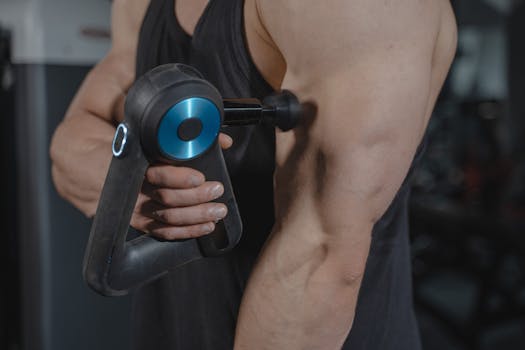
Foam rolling, percussive therapy, and massage gun mobility all aim to improve how your body moves—often by targeting soft tissue stiffness, enhancing range of motion, and supporting recovery after training. They share a similar premise (mechanical pressure applied to muscle and fascia), but they differ in how that force is delivered, what tissues they most reliably affect, and how quickly you may notice changes.
In practice, the “best” method depends on your goal: loosening tight muscles before a workout, improving mobility for a specific joint, calming soreness after hard sessions, or building a consistent routine that you can tolerate. This article compares the methods side by side, then translates those differences into real-world guidance for different types of users.
Quick summary: the strongest overall choice for most people
For general mobility and flexibility work, foam rolling is often the most versatile overall. It’s simple to dose, easy to learn, and typically provides a reliable combination of tissue “reset,” neuromuscular relaxation, and improved range of motion—especially when paired with joint-specific mobility drills. Percussive therapy and massage guns can be powerful for targeted relief and short-term mobility boosts, but they usually require more technique control to avoid over-irritation.
Side-by-side comparison: how each method works

The table below focuses on what each approach tends to do best (and what it struggles with) for mobility and flexibility. Keep in mind that individual responses vary based on tissue sensitivity, training history, and the quality of technique.
| Method | Primary mechanism (typical) | What it feels like | Mobility/range-of-motion effect | Best for | Main limitations |
|---|---|---|---|---|---|
| Foam rolling | Sustained pressure + tissue deformation; often paired with breathing and slow movement | Deep pressure, “work” sensation; can be adjusted by body weight and speed | Often improves ROM reliably when used with slow, controlled passes and follow-up mobility | General mobility prep, maintaining tissue tolerance, post-training down-regulation | Less precise for small areas; can be uncomfortable if overdone; slower than percussive tools |
| Percussive therapy (impacts/short bursts) | Rapid mechanical pulses that can modulate pain perception and temporarily change tissue tone | Vibratory/striking sensation; intensity depends on device settings and contact | Can produce fast, short-term ROM gains—especially for targeted areas | Localized soreness, quick “wake up” of stiff regions, athletic-style recovery routines | Higher risk of irritation if applied too aggressively; technique and dosage matter more |
| Massage gun mobility (percussive device used for movement) | High-frequency pulses used while you combine targeted treatment with mobility drills | Sharp tapping/rapid pulses; often felt more intensely than foam rolling | May enhance ROM quickly when paired with active mobility; effects are often transient | Pre-activity mobility “activation,” pinpoint treatment before movement drills | Can over-stimulate sensitive tissue; limited control of direction/pressure compared with hands |
Real-world performance differences: where you’ll notice gaps
In real training settings, the differences are less about whether any tool “works,” and more about how controllable the stimulus is and how it fits into a routine.
Speed and immediacy: Percussive therapy and massage guns often feel like they “turn on” movement quickly. Many people notice a reduction in stiffness right away, particularly when treating a specific tight region (for example, glutes, calves, or upper back). Foam rolling typically takes a bit more time to get the same perceived effect, because the stimulus is slower and more sustained.
Precision: Foam rolling is broad by design. It’s excellent for covering larger muscle groups, but it can be harder to isolate a very small area without repositioning. Percussive devices can be more precise because you can aim at a specific spot, but that precision cuts both ways: it’s easier to overdo one area.
Tissue sensitivity and irritation: Percussive tools are more likely to provoke a “too much” response in sensitive tissue—especially if you use high intensity, stay too long, or press directly on highly tender spots. Foam rolling can also be irritating if you press hard or roll too long, but the slower pressure and easier dosing often make it more forgiving for beginners.
Mobility carryover: Foam rolling tends to pair well with longer-range mobility work because it’s easier to combine with controlled breathing, slow joint movements, and gradual progression. Percussive therapy can create a fast opening, but carryover depends heavily on what you do immediately after—typically active mobility, stretching, or movement practice. In other words, percussive work can be a “setup,” while foam rolling is more often a “foundation.”
Foam rolling: strengths, limits, and practical use
What foam rolling tends to do best
Foam rolling is most effective when you use it as a consistent tissue tolerance and mobility prep tool. The sustained pressure encourages gradual changes in muscle stiffness and can help some people down-regulate discomfort, making movement feel smoother.
Foam rolling is also easy to scale:
- Pressure: adjust by body weight and the amount of support you use.
- Time: slow passes let you “dose” the stimulus without needing device settings.
- Coverage: roll large muscles (quads, hamstrings, calves, glutes) efficiently.
Pros
- Low learning curve; easy to apply safely with basic technique.
- Good general-purpose tool for mobility routines.
- Often supports better range of motion when followed by dynamic mobility or stretching.
- Typically less likely to irritate tissue when used slowly and progressively.
Cons
- Less precise for very small target points.
- Can be uncomfortable if you roll quickly or apply too much body weight.
- May feel “too mild” for people who respond strongly to percussive intensity.
Practical technique notes
For mobility-focused sessions, many people get better results by rolling slowly and then immediately moving the joint through its range. Treat foam rolling less like a punishment and more like a controlled pressure exposure. If you feel sharp or worsening pain, reduce pressure and shorten the duration.
Percussive therapy: strengths, limits, and practical use
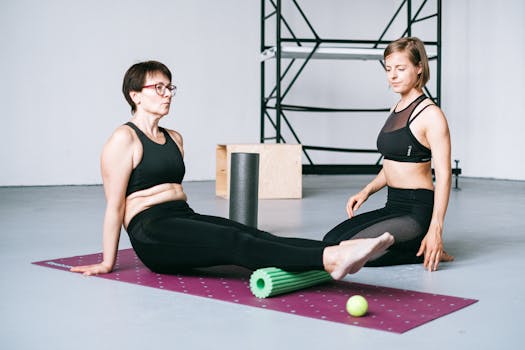
What percussive therapy tends to do best
Percussive therapy—delivered in rapid bursts—can be useful when you want a quicker, localized shift in perceived stiffness. In some cases, it can reduce the “protective” feeling that limits motion, which is why athletes and active individuals often use it as a pre-session tool.
It’s also commonly used for post-training recovery. The goal isn’t to “melt away” soreness, but to modulate discomfort and help you return to movement with less stiffness.
Pros
- Often produces fast, noticeable changes in tissue feel.
- More targeted than foam rolling for specific tight areas.
- Can be integrated quickly into busy routines.
Cons
- Higher risk of over-stimulation if intensity and contact time aren’t controlled.
- Technique differences (angle, pressure, attachment) can strongly affect outcomes.
- Effects may be short-lived if you don’t follow with active mobility or movement practice.
Practical technique notes
With percussive tools, moderation tends to work better than maximal intensity. Use enough pressure to maintain contact without forcing pain. If the area becomes more tender over the next day, you likely applied too much. Treat percussive work like a “short-duration input,” not a replacement for mobility training.
Massage gun mobility: strengths, limits, and practical use
What massage gun mobility tends to do best
A massage gun is essentially a percussive device, but “mobility” use emphasizes pairing pulses with movement—often before activity. This pairing can help you translate a temporary reduction in stiffness into a functional range you can actually use.
Where the massage gun can stand out is in quick activation routines: you treat a region, then immediately perform controlled joint movements or light mobility drills. When done well, the transition from “treated” to “moving” can feel smoother than foam rolling alone.
Pros
- Fast and convenient for pre-activity mobility.
- Good for targeted treatment immediately before movement drills.
- Easy to integrate into warmups without covering large surface areas.
Cons
- Can be too intense for sensitive tissue, especially at higher settings.
- May create a short-term effect that fades without follow-up mobility work.
- Users sometimes treat “pain points” rather than mobility-limiting restrictions, which can lead to irritation.
Practical technique notes
Massage gun mobility works best when you treat it as part of a sequence: targeted pulses, then active mobility. For example, after working the calves or hamstrings, you might perform controlled ankle dorsiflexion drills or hip hinge mechanics. The mobility drill is what converts the tissue input into movement change.
Best use-case recommendations for different buyers
Because these methods overlap, the most useful way to choose is by matching the tool to your routine and tolerance.
If you want a general mobility routine you can stick with
Foam rolling is typically the most sustainable option. It’s easy to dose, covers broad muscle groups efficiently, and supports consistent pre- and post-training mobility habits.
If you need fast pre-workout stiffness relief
Percussive therapy or massage gun mobility usually fits better when time is limited. The key is to keep sessions short and pair the pulses with active mobility so the range you gain has a chance to carry over.
If you have localized tightness and want targeted input
Percussive therapy can be advantageous because it’s easier to aim at a specific area. This is especially useful when a particular region (like a glute side, upper back area, or calf) repeatedly limits your movement.
If you’re new to mobility tools or sensitive to intense sensations
Foam rolling is often the safer starting point. You can gradually increase pressure and time as your tolerance improves, without the same level of intensity risk found in percussive devices.
If you’re already doing mobility drills and want a “setup” step
Massage gun mobility can complement an existing routine. The value comes from using it to reduce perceived stiffness immediately before you move through targeted ranges.
If your main issue is soreness after training
All three can play a role, but many people prefer foam rolling for longer down-regulation and percussive therapy for short-term comfort. The best choice is the one that reduces discomfort without causing extra tenderness the next day.
Final verdict: which method suits which needs
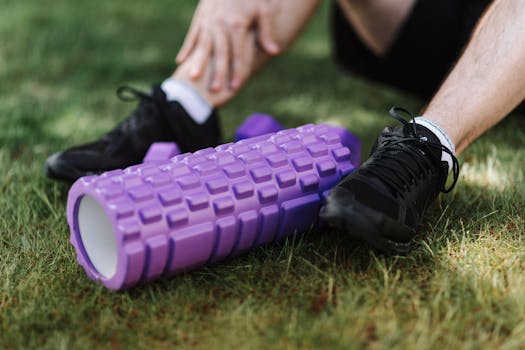
Choosing between foam rolling, percussive therapy, and massage gun mobility comes down to how you want to apply mechanical input and how you plan to follow it with movement.
- Foam rolling is the best overall starting point for mobility and flexibility because it’s versatile, doseable, and easy to integrate into consistent routines.
- Percussive therapy is the best fit for targeted, faster changes when you want a quick shift in tissue feel and can control intensity and contact time.
- Massage gun mobility is best when paired with active drills—it tends to shine in pre-activity warmups where the goal is to translate stiffness reduction into functional range.
If you’re trying to decide with a single goal in mind, a practical rule is: use foam rolling when you want a broad, repeatable mobility foundation; use percussive tools when you want targeted, time-efficient setup; and use massage gun-style mobility when you’re committed to immediately turning the “opened” range into movement practice.
04.01.2026. 05:03