

Foam Rolling vs Stretching vs Percussive Therapy for Mobility

Three mobility tools, three different mechanisms

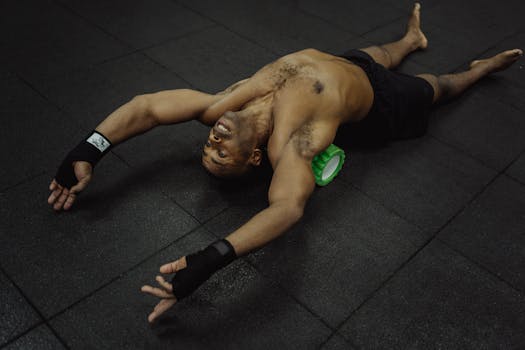
Mobility work can look similar on the surface—people roll, stretch, or use a device and then test range of motion. But foam rolling vs stretching vs percussive therapy for mobility is more than a choice of tools; it’s a choice of mechanisms. Foam rolling primarily applies sustained pressure to soft tissue. Stretching uses controlled elongation to change length and/or tolerance of tissues and nervous system output. Percussive therapy delivers rapid, rhythmic impacts that can alter pain perception, muscle tone, and short-term tissue responsiveness.
Because these approaches target different aspects of mobility—tissue stiffness, discomfort tolerance, joint mechanics, and neuromuscular control—the “best” option depends on your goal, your tissues, and how your body responds after the session.
Strongest overall for most people: stretching combined with targeted foam rolling
If you want one broadly applicable approach for improving mobility over time, a combination of stretching for the range you want and foam rolling for the areas that feel stiff is usually the most reliable. Stretching tends to be the most direct way to practice moving through a desired range, while foam rolling can help you tolerate that work when you feel bound up. Percussive therapy can be useful for short-term relief or when stiffness is accompanied by soreness, but it’s less consistently “mobility-specific” than stretching.
Side-by-side: how foam rolling, stretching, and percussive therapy differ
| Method | Primary mechanism | Typical session feel | Most likely mobility effect | Best timing | What it’s less suited for |
|---|---|---|---|---|---|
| Foam rolling | Sustained pressure to soft tissue; can reduce perceived tightness and improve local tissue tolerance | Deep pressure sensation; may be uncomfortable but not typically “jarring” | Short-term reduction in stiffness/tightness; improved comfort for movement | Before stretching, warm-up, or after training for recovery | Maximizing end-range control and long-term length changes without a stretching component |
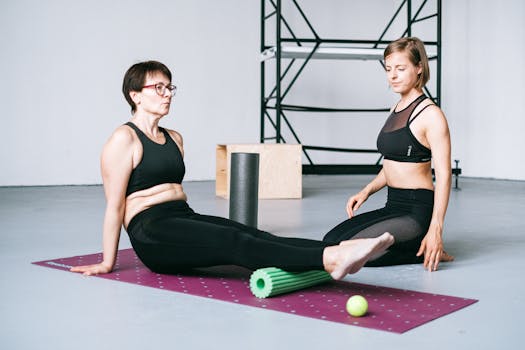
| Stretching | Controlled elongation; can improve range through tissue length tolerance and neuromuscular adaptation | Progressively increasing stretch sensation; often easier to dose and track | More direct range-of-motion gains and improved movement patterning through practice | Before mobility training, after warm-up, or at dedicated mobility times | Trying to “stretch away” pain from a major injury or instability without addressing the cause |
| Percussive therapy | Rapid impacts; can modulate pain perception and muscle tone, sometimes improving short-term mobility | Vibratory/striking sensation; intensity can escalate quickly | Short-term “open up” effect, especially when muscles feel sore or guarded | Before activity if you tolerate it well; also used post-training for soreness | Long-term mobility improvements without follow-up stretching/practice |
Real-world performance differences: what you’ll notice after each method
In practice, the methods often produce different “after effects.” Foam rolling commonly helps you feel less stuck, which can make it easier to get into a stretch or squat deeper. Stretching tends to produce the most consistent improvement in how far you can move, especially when you repeat the same range multiple times across weeks. Percussive therapy often creates a more immediate shift in comfort—some people notice they can move better within minutes—yet the effect may fade faster if there isn’t subsequent stretching or movement practice.
Another difference is feedback quality. Stretching provides clear, trackable signals: how long you can hold, how intense the stretch feels, and whether you can reach the same position with less effort. Foam rolling feedback is more “tissue-level,” and percussive therapy feedback is more “nervous-system-level” (how your body responds to impact and soreness). Those distinctions matter when you’re deciding what to use for a specific limitation—like tight hips for a squat, limited ankle dorsiflexion, or restricted thoracic rotation.
Foam rolling: strengths, limitations, and how it changes mobility
Pros
- Great for tolerance: can reduce the sensation of stiffness so you can actually reach the target position during stretching.
- Easy to apply locally: you can target a muscle belly or a line along the fascia/muscle complex.
- Useful for warm-up and recovery: many people find it pairs well with light mobility work before training.
- Low learning curve: most people can figure out basic pressure and duration quickly.
Cons
- Not a direct range-training tool: foam rolling rarely replaces the need for stretching or mobility practice.
- Can irritate sensitive tissues: overly aggressive pressure can increase discomfort and make mobility worse.
- Variable results: some people feel little change; others feel significant but short-lived effects.
- Technique matters: rolling too fast, missing the target area, or using excessive pressure can blunt benefits.
Practical notes
For mobility, foam rolling is best treated as a preparation step or a recovery adjunct. For example, if ankle dorsiflexion is limited and the calf feels bound, rolling the calf and then immediately performing dorsiflexion-focused stretching often yields more usable range than rolling alone. Foam rolling can also support consistency—if it helps you warm up and feel less guarded, you’re more likely to practice the movements that drive mobility changes.
Stretching: strengths, limitations, and why it often wins for range
Pros
- Most direct route to range of motion: it trains the ability to get into and hold a position.
- Better dose control: you can adjust angle, leverage, hold time, and intensity more precisely.
- Supports long-term adaptation: repeated stretching is more likely to translate into durable mobility gains.
- Improves movement confidence: practicing end-range positions can reduce fear/guarding.
Cons
- May be uncomfortable at first: if tissues are very stiff, stretching alone can feel too intense to sustain.
- Can be time-consuming: meaningful range improvements usually require consistent sessions.
- Not all stretching is equal: poor positioning or bouncing can reduce effectiveness and increase irritation.
- May not address soreness well: if you’re dealing with heavy DOMS, stretching without prior down-regulation can be unpleasant.
Practical notes
Stretching is where you “train the range.” For hips, that might mean hip flexor stretching or a controlled figure-4 position. For thoracic mobility, it could be rotation-oriented holds. Many people benefit from pairing stretching with a warm-up that gradually increases tissue temperature and reduces guarding. Foam rolling can help when stretching feels blocked, but stretching remains the main driver for improving the range you test.
Percussive therapy: strengths, limitations, and when it’s most useful
Pros
- Fast short-term relief: can reduce perceived tightness and soreness quickly for some people.
- Useful when muscles feel guarded: the “reset” effect may make subsequent mobility work more tolerable.
- Convenient for post-training routines: many athletes use percussive devices after sessions to feel looser.
- Can complement warm-ups: if tolerated, it may help you get moving before training.
Cons
- Risk of overdoing it: intensity can escalate quickly, especially with aggressive settings or prolonged contact.
- Less consistent for long-term mobility: it often doesn’t replace stretching and range practice.
- Technique sensitivity: using the device on sensitive areas, bony landmarks, or tendons can increase irritation.
- Effect may fade: without follow-up mobility work, improvements can be temporary.
Practical notes
Percussive therapy is often most valuable when your limitation is tied to soreness and tone rather than structural tightness. For instance, after a heavy lower-body day, a person might feel “stuck” in hip extension or knee flexion. Percussive therapy may reduce the soreness barrier, making stretching and movement practice easier. Devices such as handheld massage guns are commonly used in this category, but the key variable is not the brand—it’s how your body tolerates impact and whether you follow up with mobility work.
Best use-case recommendations for different buyers
If your goal is long-term mobility gains
Choose stretching as the main tool, and use foam rolling selectively to improve comfort before you stretch. Percussive therapy can be a supportive option when you’re sore, but it’s rarely the primary driver of durable range changes.
If you feel stiff but can’t tolerate end-range stretching
Use foam rolling first to reduce the “blocked” sensation, then do targeted stretching. Percussive therapy can also help if soreness or guarding is the main barrier, but it may require careful intensity control to avoid making tissues more reactive.
If you’re training hard and want faster “get moving” sessions
Percussive therapy may help you down-regulate discomfort quickly, especially before a workout. However, pair it with stretching or dynamic mobility so the temporary comfort translates into improved movement during training.
If you’re managing specific mobility limitations (ankles, hips, thoracic spine)
For ankles, calf and soleus work via foam rolling can make dorsiflexion stretching more tolerable, while stretching drives the range. For hips, foam rolling can help with muscle tightness, but hip flexor and glute-focused stretching (plus movement practice) usually determines the real change. For thoracic mobility, stretching and rotation-based drills often outperform rolling alone; percussive therapy may help if you’re sore, but rotation practice remains central.
Pros and cons breakdown at a glance
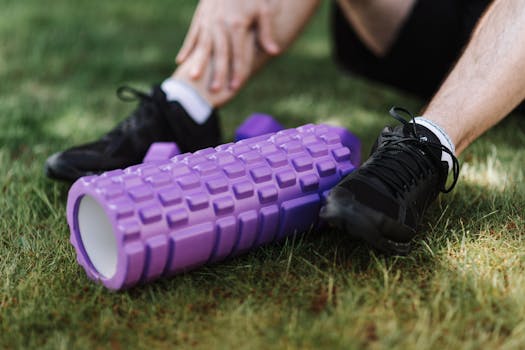
- Foam rolling: Best for reducing perceived stiffness and improving tolerance; weaker as a standalone range-training method; technique and pressure matter.
- Stretching: Best for actual range improvement and repeatable progress; may be too intense if you’re very sore; consistency and good positioning are key.
- Percussive therapy: Best for quick short-term comfort and soreness modulation; can be easy to overdo; usually needs follow-up stretching to lock in mobility.
Final verdict: which option suits different needs
Foam rolling vs stretching vs percussive therapy for mobility comes down to what you’re trying to change.
- Pick stretching if your main objective is lasting mobility improvement and more reliable range on your tests.
- Add foam rolling if you feel stiff and want to make stretching more tolerable, or if you benefit from soft-tissue preparation and recovery support.
- Use percussive therapy when soreness, guarding, or tone is blocking your ability to move comfortably right now—then follow it with stretching or mobility practice so the effect carries into training.
For most people, the clearest “winner” is not a single method—it’s a strategy: stretch for the range you want, use foam rolling to improve comfort and consistency, and treat percussive therapy as a targeted tool for short-term readiness. That approach respects what each method actually does and avoids expecting one tool to perform three different jobs.
11.04.2026. 08:59