

Best Wearable Metrics for Endurance Performance: HRV, VO2max, Load, Recovery

Endurance training gets harder when the data is unclear
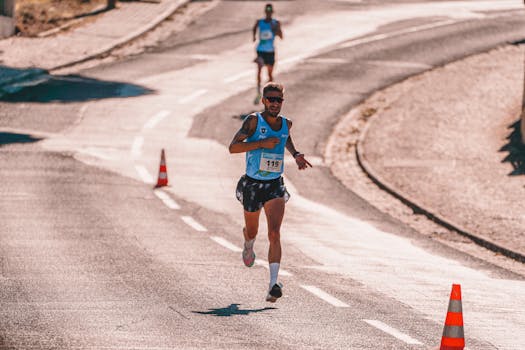
Endurance athletes—runners, cyclists, rowers, and triathletes—use wearables to answer a simple question: am I training effectively, or just accumulating fatigue? The problem is that not all metrics are equally useful, and many devices report numbers without the context you need to make decisions. When your training includes intervals, long sessions, and recovery days, you need signals that reflect both performance potential and physiological stress.
This guide focuses on the most decision-relevant wearable metrics for endurance performance: HRV, VO2max, training load, and recovery/readiness. You’ll also learn how those metrics are calculated, what to expect from each, and how to compare wearables in a practical way.
Quick summary of the strongest recommendations
- HRV for recovery trends: Choose a wearable that measures HRV consistently (often at night or at rest) and provides trend views rather than single-day judgments.
- VO2max for fitness estimation: Look for devices that estimate VO2max using a proven protocol (GPS running/cycling performance or treadmill/field tests) and update it regularly.
- Training load for stress management: Prefer wearables that quantify load from both heart rate and activity intensity, then show multi-day trends.
- Recovery/readiness built on HRV + load: If you want guidance, select a platform that merges sleep, HRV, and training strain into a coherent readiness score.
- Consistency beats complexity: The best metric set is the one you can measure reliably across weeks and use consistently with your training plan.
How endurance wearables translate physiology into usable metrics
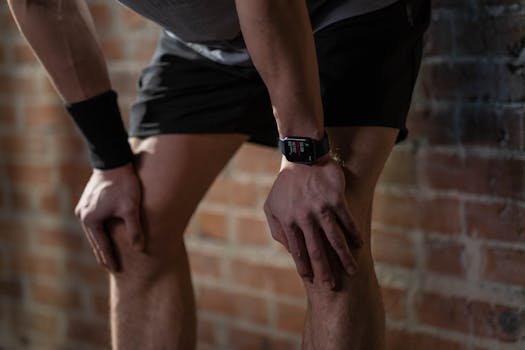
Wearables don’t “measure fitness” directly. They infer it from heart rate patterns, variability, movement, and sometimes external inputs like GPS speed/power. For endurance training, the most useful metrics typically fall into four buckets:
- Autonomic balance: HRV (often RMSSD) reflects changes in the nervous system that accompany recovery, illness, and stress.
- Cardiorespiratory capacity: VO2max estimates reflect aerobic fitness and typically improve over weeks of structured training.
- Training stress: Training load models estimate how hard and how long you trained, often using heart rate zones and session duration.
- Decision support: Recovery/readiness scores attempt to combine HRV, sleep, resting heart rate, and training load into actionable guidance.
The key is understanding that these metrics behave differently. HRV and readiness can respond quickly to sleep, travel, and illness. VO2max is slower to change and is sensitive to how the device estimates it. Training load is immediate, but its meaning depends on your baseline and your planned intensity distribution.
HRV: the most actionable metric for recovery trends
HRV is often the most talked-about endurance metric because it can flag whether your body is adapting or accumulating fatigue. In practice, HRV is most helpful when you treat it as a trend rather than a pass/fail score.
What to look for in an HRV implementation
- Measurement consistency: Devices that capture HRV at the same time each day (commonly overnight) are easier to interpret.
- Clear HRV method: Many wearables report RMSSD or a related time-domain measure. Consistency matters more than the exact label.
- Trend views: Look for graphs over days/weeks and comparisons to your personal baseline.
- Context signals: Resting heart rate, sleep duration/quality, and illness flags improve interpretability.
How to use HRV for endurance training
- Watch for sustained drops: A brief dip can be normal; a multi-day downward trend often signals incomplete recovery.
- Pair with sleep and resting HR: If HRV drops alongside poor sleep or elevated resting HR, adjust training intensity.
- Don’t chase single-day “readiness”: Use HRV to choose between “hard” and “moderate” when your plan allows flexibility.
Wearable examples that commonly emphasize HRV
Many leading platforms provide HRV tracking. For example, Garmin’s HRV-based recovery features, Oura’s HRV-centric recovery and sleep insights, and Polar’s HRV and training load ecosystem are frequently used by endurance athletes. The best option depends less on brand and more on whether the device measures consistently and presents HRV in a way you can interpret.
VO2max: fitness estimation that needs the right conditions
VO2max estimates are attractive because they translate training into a single number. However, VO2max is an estimation, not a lab test, and accuracy depends on the device’s algorithm and the type of activity you perform.
What to look for when evaluating VO2max metrics
- Activity-specific estimation: A running VO2max model may behave differently than a cycling model. Choose based on your primary sport.
- Quality of inputs: Reliable GPS, stable heart-rate readings, and consistent effort improve VO2max stability.
- Update frequency and rationale: Better systems update VO2max when they have sufficient data rather than every day.
- Trend over time: Like HRV, VO2max is most useful as a direction-of-change indicator over weeks.
How to interpret VO2max changes
- Short-term noise is normal: VO2max can fluctuate with heat, altitude, hydration, and pacing strategy.
- Look for multi-week patterns: A sustained rise after consistent training is more meaningful than a one-week jump.
- Don’t ignore the training context: If you’re under-recovered, VO2max estimates may lag even if your plan is good.
Wearable examples commonly associated with VO2max estimation
Garmin, Polar, and some multisport-focused devices provide VO2max estimates and related aerobic fitness metrics. Apple Watch can also estimate VO2max in supported contexts, while Oura can provide fitness-related trends through its ecosystem. For endurance athletes, the most relevant factor is whether the device’s VO2max model matches your training modality and whether you can generate the conditions it needs.
Training load: the metric that connects sessions to recovery
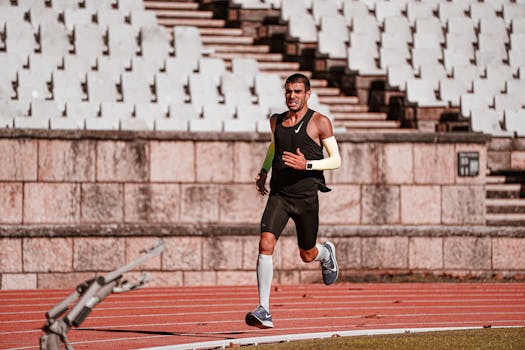
Training load answers a practical question: how much stress did this workout actually create? Endurance performance depends on accumulating beneficial stress while avoiding chronic overload. Load metrics help you manage that balance.
Types of training load models you’ll see
- Heart-rate zone load: Often calculates load from time spent in heart-rate zones and/or heart-rate intensity.
- Power-based load: Used heavily in cycling and sometimes running with advanced sensors; it may better match true mechanical stress.
- Composite strain models: Some systems incorporate HR, duration, and intensity to estimate “strain” rather than just zone time.
What “good” looks like in a training load feature
- Short- and long-term views: You need session load and the rolling effect (e.g., last 7–28 days).
- Consistency with your training: If you mostly run, HR-based load may be more stable than power-based load models.
- Actionable context: Load should connect to recovery and readiness, not exist as an isolated number.
How to use training load for endurance planning
- Plan intensity distribution: Use load trends to avoid stacking high-load days without recovery.
- Adjust when load rises while HRV drops: When both point the wrong direction, reduce intensity or shorten sessions.
- Use load to confirm adaptation: After a planned build, load may remain high while HRV stabilizes or improves—an indicator you’re absorbing work.
Recovery and readiness scores: useful when they match your reality
Recovery/readiness scores are designed to make decisions easier. They often blend HRV, resting heart rate, sleep timing/duration, and training load into a single number or label. The risk is that these scores can become overly authoritative, especially when the underlying inputs don’t match your physiology or routine.
What to evaluate before trusting readiness
- Transparency of inputs: If the device explains what factors are driving the score (sleep, HRV, training load), it’s easier to adjust.
- Personal baseline: Readiness should improve with time as the device learns your normal range.
- Sport mode behavior: Readiness may be less reliable if you rarely use the sport modes that feed the model.
- Response to known stressors: If travel, late nights, or illness reliably reduce HRV and readiness, the model is probably responding correctly.
How athletes typically use readiness in practice
- Choose the right workout intensity: When readiness is low, switch from high-intensity to endurance maintenance or recovery.
- Protect key sessions: A high readiness day can be used to execute planned intervals or race-pace work.
- Don’t replace training structure: Readiness is a modifier, not a substitute for periodization.
Feature and performance comparison: metrics that matter for endurance
The table below compares common wearable ecosystems by the practical metrics endurance athletes care about. Specific feature availability can vary by model and software version, but this overview reflects typical strengths.
| Wearable ecosystem | HRV tracking strength | VO2max / aerobic fitness | Training load & strain | Recovery/readiness integration | Best fit for |
|---|---|---|---|---|---|
| Garmin (multisport watches) | Strong HRV trends; recovery-adjacent features using HRV and resting HR | Widely used VO2max estimates; updates based on activity data | Often strong load/strain frameworks; good for multi-day monitoring | Recovery guidance commonly ties readiness to training history and HRV | Runners and triathletes who want training load structure |
| Polar (multisport + training platforms) | Good HRV-based recovery insights | VO2max estimation and aerobic fitness tracking in many setups | Training load frameworks often emphasize session impact | Recovery features typically combine HRV and sleep/strain | Athletes focused on training management and coaching-style metrics |
| Oura (ring ecosystem) | Very strong HRV and sleep-centric trends for recovery monitoring | Fitness insights are typically more trend-based than lab-like VO2max estimates | Training load may be less central than recovery/sleep insights | Readiness-style guidance heavily driven by sleep + HRV | Athletes who want recovery clarity and sleep/HRV consistency |
| Apple Watch (health + fitness ecosystem) | HRV available; best interpretation comes from consistent overnight tracking | VO2max estimation available in supported conditions | Training load concepts exist, but may be less standardized than dedicated training platforms | Readiness-style signals are more general; training context can require manual interpretation | Users who want broad health metrics and VO2max estimation with an all-day device |
| Coros (endurance-focused devices) | HRV availability varies by model; trends are generally useful when consistent | Aerobic fitness metrics often emphasize endurance performance trends | Load tracking exists within the platform; emphasis on training logging | Recovery insights may be lighter than the most HRV-centric ecosystems | Endurance athletes prioritizing training data and battery life |
Practical buying considerations for the best metric set
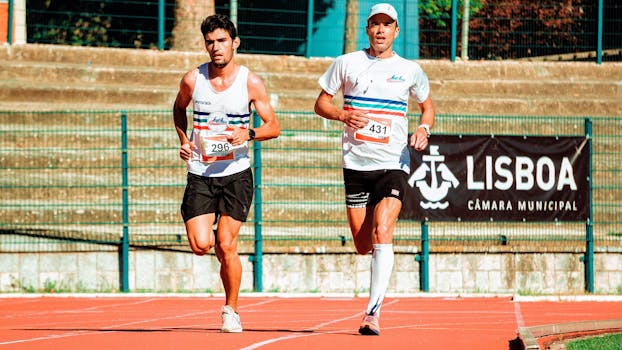
When you buy a wearable specifically for endurance metrics, the goal isn’t to collect every number—it’s to ensure the metrics you rely on are reliable, interpretable, and consistent with how you train.
1) Choose the metric hierarchy that matches your training style
- If recovery uncertainty is your main problem: prioritize HRV quality and sleep consistency.
- If you want performance progression tracking: prioritize VO2max/aerobic fitness estimates.
- If you struggle with overload or inconsistent training: prioritize training load/strain and multi-day trends.
2) Decide whether you need a watch, a ring, or both
- Watch-first setups often excel at workout logging, VO2max estimation, and load modeling tied to training sessions.
- Ring-first setups often excel at overnight HRV and recovery trends with minimal friction.
- Some athletes use both to separate recovery monitoring from workout analytics, but it increases setup complexity.
3) Verify sensor reliability for your sport
- Running: ensure HR tracking stays stable during hard intervals and tempo work.
- Cycling: consider power integration if you use it; heart-rate-based load can still work well but may lag during surges.
- Cold/heat and skin contact: HRV readings can be sensitive to fit, temperature, and circulation.
4) Look for “decision support,” not just metric availability
Two devices can both measure HRV, but one may show clearer trends and connect them to training recommendations. If you want guidance, evaluate how the platform explains readiness and whether it accounts for training load and sleep.
5) Consider how you’ll use the data
- Weekly planning: training load and HRV trends are valuable for adjusting the week’s structure.
- Day-to-day execution: readiness and resting HR can help you choose between hard and moderate sessions.
- Long-term progression: VO2max trends help validate whether training is improving aerobic capacity.
FAQ about HRV, VO2max, training load, and recovery metrics
How much should HRV change before I adjust training?
There isn’t a universal threshold. The most useful approach is to watch for sustained deviations from your personal baseline across multiple days, especially when accompanied by elevated resting heart rate or poor sleep. If HRV drops while load remains high, reducing intensity is usually the safest move.
Is wearable VO2max accurate enough to guide endurance training?
Wearable VO2max estimates are generally accurate for trend tracking rather than absolute lab-level precision. Use VO2max to confirm direction of fitness change over weeks, and rely more on HRV and training load for day-to-day decisions.
What’s the difference between training load and recovery readiness?
Training load quantifies how much stress you created from workouts (often based on heart rate intensity and duration). Recovery readiness attempts to estimate how ready you are to train based on recovery signals like HRV and sleep, plus the recent training load.
Why do HRV and readiness sometimes disagree with how I feel?
This can happen due to measurement variability (fit, skin temperature, movement artifacts), inconsistent sleep timing, dehydration, or illness that hasn’t fully altered HRV yet. If you consistently notice mismatches, adjust your interpretation: use HRV trends and resting HR as signals, and treat readiness as guidance rather than a verdict.
Should I prioritize a single metric or use all four together?
For endurance training, the most practical strategy is to use a metric hierarchy. Many athletes rely on HRV and sleep for recovery, training load for stress management, and VO2max for long-term fitness direction. Readiness scores can help tie them together, but they’re best used as a summary of trends you already understand.
Final recommendation: the best overall metric-focused choice depends on your priority
If you want the strongest overall combination of endurance-relevant metrics—HRV trends for recovery, VO2max/aerobic fitness for progression, and training load for managing fatigue—the best fit is typically a multisport watch ecosystem with robust load tracking and HRV-based recovery features. In practice, Garmin and Polar-style platforms are often strong because they connect workout intensity to multi-day training stress while also tracking HRV and recovery signals.
If your main issue is interpreting recovery (sleep disruptions, travel, inconsistent readiness), a recovery-centric HRV platform like an Oura-style approach can be especially useful, particularly for overnight HRV trend clarity. For athletes who need both recovery clarity and training analytics, the most effective solution is usually the one that provides consistent HRV measurement and a load model you can interpret alongside your training plan.
Ultimately, the “best wearable metrics for endurance performance HRV VO2max training load recovery” are the ones you can measure reliably and use consistently—so prioritize consistency, trend visibility, and decision support over chasing the most impressive single number.
18.01.2026. 04:29