

Sleep SpO2 ODI Patterns in Athletes: Interpretation Guide

Why sleep oxygen and desaturation patterns matter for athletes
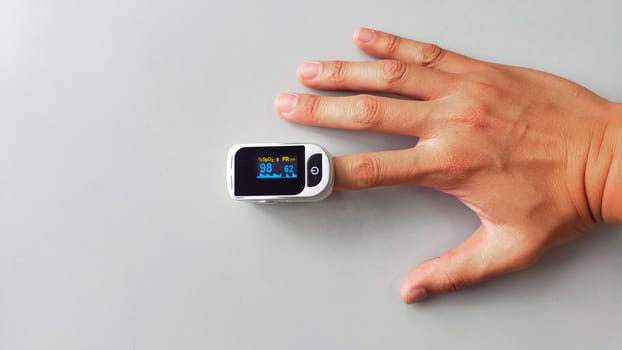
Sleep is where many athletes recover physiology: oxygen delivery systems reset, inflammation settles, and autonomic balance stabilizes. When sleep is repeatedly disrupted by breathing-related oxygen drops, the body can experience intermittent hypoxemia—often without obvious symptoms. That’s why sleep metrics such as SpO2 (oxygen saturation) and ODI (oxygen desaturation index) are increasingly used in sports medicine and performance technology.
This article explains how to interpret sleep SpO2 and ODI patterns specifically in athletes. You’ll learn what typical patterns look like, what different desaturation shapes can suggest, and how to separate meaningful signals from measurement artifacts. The goal is not to diagnose from a single number, but to understand the physiology behind the pattern and decide what follow-up is appropriate.
Key terms: SpO2, ODI, and what “events” actually represent
Before interpreting patterns, it helps to define what the device is measuring and how it summarizes it.
SpO2: oxygen saturation during sleep
SpO2 is the percentage of hemoglobin saturated with oxygen. Wearable and clinical sleep studies estimate SpO2 using pulse oximetry, typically from a finger, earlobe, or wrist. SpO2 values fluctuate naturally with movement, circulation changes, and sleep stage transitions.
ODI: oxygen desaturation index
ODI represents how often oxygen saturation drops by a specified amount within a time window. For example, ODI4 is the number of desaturation events per hour where SpO2 drops by at least 4 percentage points from a baseline. ODI3 and ODI5 are also used in different systems.
ODI is best understood as an “event frequency” metric. Two athletes can have the same average SpO2 but very different ODI values—because one experiences frequent brief dips while the other has a stable oxygen profile.
Desaturation vs. absolute hypoxemia
ODI focuses on changes relative to baseline, while absolute hypoxemia focuses on how low SpO2 goes. Athletes can show high ODI with relatively preserved nadirs, or show occasional deep nadirs with fewer events. Both patterns can matter, but they point toward different physiological mechanisms and different next steps.
Common sleep SpO2 patterns in healthy or well-adapted athletes
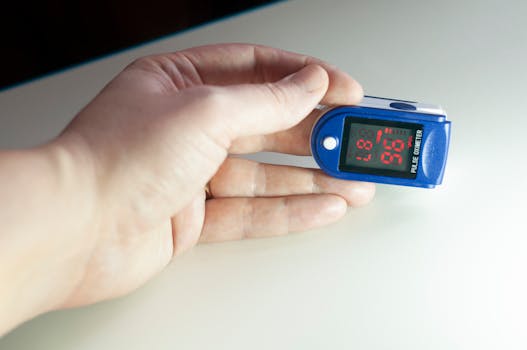
Not every dip is abnormal. Athletes often have strong cardiovascular conditioning, which can buffer oxygen delivery, but they still experience normal variability.
Stable baseline with brief, low-amplitude fluctuations
A typical pattern in many healthy sleepers is a relatively stable SpO2 baseline with small drops that do not persist. The key features are:
- Small amplitude: brief changes that don’t repeatedly cross the desaturation threshold.
- Rapid recovery: SpO2 returns quickly without a long period of suppression.
- Low event density: ODI remains modest because threshold crossings are infrequent.
In athletes, this can be seen even during intense training blocks where sleep fragmentation occurs but oxygenation remains largely preserved.
More variability during REM and in supine sleep
Physiology changes across sleep stages. REM sleep often involves irregular breathing patterns, and supine positioning can increase airway collapsibility in susceptible individuals. This can produce mild, periodic desaturation without necessarily indicating disease. The distinction is whether the drops are frequent and clinically meaningful.
Altitude and travel effects
SpO2 is sensitive to ambient oxygen. Athletes traveling to higher altitude or sleeping in hypobaric environments may show a lower baseline and a higher “background” variability. In these cases, ODI interpretation should be contextualized to the environment and acclimatization status.
Interpreting ODI severity: what event frequency suggests
ODI is often the most actionable metric because it reflects repeated oxygen destabilization. Still, interpretation should consider the athlete’s context: symptoms, training load, body composition, nasal/oral breathing, and known sleep history.
Low ODI: usually less concerning for oxygen-related sleep disruption
Low ODI values generally suggest that desaturation events are infrequent. However, “low” depends on the ODI definition (ODI3, ODI4, ODI5) and the device’s detection algorithm. A low ODI with normal oxygen nadirs is typically reassuring, especially if the athlete reports restorative sleep.
Even with low ODI, athletes may feel unrefreshed due to non-oxygen-related sleep disruption such as insomnia, circadian misalignment, restless legs, or pain. So ODI should be interpreted alongside sleep quality, not in isolation.
Moderate ODI: possible intermittent breathing instability
Moderate ODI can reflect intermittent airway events, breathing pattern instability, or increased susceptibility during certain sleep phases. Athletes may notice subtle performance correlates even without loud snoring: morning headaches, reduced HRV, slower recovery, or a persistent “wired but tired” feeling.
At this stage, it’s useful to look beyond the ODI number and examine the pattern shape—whether desaturations are clustered, rhythmic, and how quickly oxygen recovers.
High ODI: higher likelihood of clinically relevant sleep-disordered breathing
High ODI suggests frequent desaturation events and a higher probability of clinically significant sleep-disordered breathing. In athletes, this can be masked by high fitness levels; conditioning can improve baseline oxygenation but does not always prevent repeated airway-related dips.
High ODI should prompt a more careful evaluation, especially if accompanied by symptoms, elevated resting heart rate, reduced endurance performance, or increased perceived exertion at the same workload.
Pattern shapes: what the desaturation waveform can reveal
Two athletes can share the same ODI but show different physiology. Looking at how SpO2 changes over time helps interpret whether the events are likely obstructive, central, artifact-driven, or related to periodic breathing.
Gradual decline followed by recovery: periodic breathing or unstable ventilation
If SpO2 shows a cyclical pattern—slow drift down, then up, repeated across the night—it can suggest periodic breathing or unstable ventilatory control. This pattern is not the same as classic obstructive events that are often sharper and associated with airflow limitation.
In athletes, this pattern can sometimes appear with overreaching, heavy endurance training blocks, or travel-related sleep disruption. Persistent cyclical desaturation warrants clinical assessment, particularly if accompanied by fatigue, dyspnea, or reduced performance.
Sharp drops with relatively quick recovery: often obstructive event patterns
Many obstructive sleep-disordered breathing events produce a characteristic “drop-and-recover” pattern. SpO2 falls relatively quickly and then returns as breathing resumes or arousal occurs.
When these dips are frequent enough to drive a high ODI, the athlete may experience repeated micro-arousals. Even if the athlete doesn’t remember waking, sleep fragmentation can reduce recovery quality.
Prolonged low SpO2 segments: consider measurement issues and true hypoventilation
If SpO2 remains suppressed for extended periods, it can indicate true hypoventilation or, alternatively, sensor contact problems (cold fingers, loose fit, movement artifacts). Prolonged low readings should be interpreted cautiously.
A practical approach is to check whether the low segment coincides with poor signal quality indicators (if provided by the system) and whether the waveform looks “clean” versus noisy.
Single isolated dips: often less concerning, but not always benign
Occasional isolated desaturations can occur from transient airway events, reflux-related irritation, nasal congestion, or brief sensor artifacts. If nadirs are mild and rare, they may not explain performance changes. But if isolated dips are deep—especially if accompanied by symptoms—clinical evaluation may still be warranted.
Athlete-specific considerations that change interpretation

Sports physiology can influence how oxygen metrics behave. It can also influence how symptoms present and how likely certain mechanisms are.
Body composition and airway anatomy
Even in athletes, increased neck circumference, nasal obstruction, and certain craniofacial features can increase obstructive risk. Lean athletes are not immune. ODI patterns should be interpreted with attention to anatomy and breathing mechanics.
Training load, fatigue, and respiratory control
High training loads can affect sleep architecture and autonomic regulation. Athletes may experience altered ventilatory drive and increased breathing irregularity. This can shift the pattern of desaturation events—especially in the weeks after travel, altitude blocks, or intense camp periods.
Iron status, anemia, and hemoglobin oxygen content
SpO2 reflects saturation, not oxygen content. Anemia or low iron can reduce oxygen delivery even when SpO2 looks “fine.” Conversely, athletes with normal saturation can still have reduced performance if oxygen content is compromised. If ODI patterns are borderline but symptoms are strong, iron studies and broader clinical evaluation become more relevant.
Altitude acclimatization and sleep location
For athletes living or sleeping at altitude, baseline SpO2 may be lower. ODI thresholds may still be meaningful, but the clinical interpretation should account for acclimatization status and the expected physiological response. A pattern that would be concerning at sea level may be less so after adequate acclimatization—though frequent desaturations still merit attention if symptoms are present.
Measurement artifacts: the most common reason ODI looks “too high”
Pulse oximetry is sensitive to motion and peripheral perfusion. In athletes, artifact is common because sleep devices are often worn during active lifestyles, and cold extremities can reduce signal quality.
Motion and poor sensor contact
Wrist sensors can lose contact during sleep position changes. Finger sensors can be affected by grip tension, cold, or circulation changes. Artifact can create false desaturation events, inflating ODI.
Look for a waveform that is jagged or inconsistent, and check whether the device provides a signal-quality percentage or “valid time” metric.
Low perfusion during sleep
Peripheral vasoconstriction can reduce the quality of the optical signal. Athletes who run cold, sleep in cold rooms, or have vasomotor variability may see more noisy readings even without true oxygen drops.
Device algorithm differences
Different consumer and clinical systems use different event detection rules and filtering. That means ODI numbers are not always directly interchangeable. For interpretation, focus on the pattern consistency across nights and whether the device’s signal quality is acceptable.
Practical guidance: how to interpret your own results responsibly
You can use sleep SpO2 and ODI patterns to guide questions for clinicians, but it’s important to avoid overreacting to a single night.
Use multi-night context rather than one data dump
Look for repeatability. A true physiological issue tends to persist across nights, though severity can vary with travel, alcohol, congestion, and training load. A one-night spike in ODI with poor signal quality is more likely artifact or a transient factor.
Check whether desaturations cluster
If desaturation events cluster in certain sleep periods (for example, a late-night block), it may correlate with supine sleep or REM-heavy segments. Clustering can help clinicians infer probable mechanisms when combined with other data.
Correlate with symptoms and performance markers
Useful correlations include:
- Morning symptoms: headaches, dry mouth, congestion, unrefreshing sleep.
- Training recovery: persistent fatigue, elevated resting HR, reduced HRV, slower recovery between sessions.
- Daytime functioning: sleepiness, reduced concentration, irritability.
If ODI is elevated but symptoms are absent, the next step is often to confirm measurement quality and consider repeat testing or clinical review if the pattern persists.
Consider a medical-grade sleep study when patterns are persistent
When SpO2/ODI patterns suggest frequent clinically relevant desaturation—especially with symptoms—talking to a sleep specialist is appropriate. A diagnostic polysomnogram or a validated home sleep apnea test can provide airflow, respiratory effort, and oxygen metrics together, which helps distinguish obstructive from central patterns and identify comorbid contributors.
In many athlete settings, a clinician may also consider nasal evaluation, reflux management, medication review, and, when indicated, treatment pathways that reduce breathing disruption.
Prevention and risk reduction for athletes with frequent desaturations

Prevention focuses on reducing airway collapsibility, improving sleep stability, and minimizing conditions that worsen breathing during sleep.
Optimize sleep environment and breathing mechanics
- Temperature and comfort: reduce cold exposure that can worsen sensor readings and peripheral perfusion.
- Nasal patency: address chronic congestion with clinician-guided strategies, especially during allergy seasons or heavy training blocks.
- Sleep position: if desaturations cluster in one position, positional strategies may help—though persistent high ODI still needs evaluation.
Manage factors that increase airway instability
- Alcohol and sedatives: can increase airway collapsibility and worsen breathing stability.
- Late heavy meals and reflux: can trigger airway irritation and arousals.
- Overtraining and sleep curtailment: can amplify autonomic instability and worsen sleep quality.
Use training periodization to protect sleep quality
Athletes often focus on recovery sessions and deload weeks, but sleep protection is equally important. If you notice that ODI increases during the hardest training weeks, it can be a signal that recovery resources are insufficient. Adjusting training load, sleep timing, and travel planning can reduce the likelihood of breathing instability.
When to seek clinical assessment
Consider professional evaluation if you observe any of the following:
- Consistently elevated ODI across multiple nights with acceptable sensor quality.
- Frequent or deep desaturations, especially if accompanied by morning headaches or marked unrefreshing sleep.
- Signs of sleep fragmentation (daytime sleepiness, reduced concentration) alongside oxygen dips.
- Respiratory symptoms such as nocturnal dyspnea, choking/gasping sensations, or persistent reflux-related discomfort.
Even athletes with strong conditioning can experience clinically significant sleep-disordered breathing. The objective metrics help identify risk, but the clinical context determines next steps.
Summary: turning SpO2 and ODI patterns into actionable understanding
Sleep SpO2 and ODI patterns can provide a window into how oxygenation behaves during the night—information that can matter for recovery and performance. The most important interpretation principles are: (1) look at the pattern, not just a single number; (2) understand whether changes are frequent (ODI) and how quickly oxygen recovers; (3) consider athlete-specific factors like altitude exposure, training load, and airway anatomy; and (4) rule out measurement artifacts by checking signal quality and repeatability across nights.
If elevated ODI and concerning waveform shapes persist—especially alongside symptoms—clinical evaluation is the safest and most informative path. When the pattern is understood, athletes and clinicians can target the underlying cause of sleep-disordered breathing or ventilatory instability, supporting better recovery and more consistent performance.
FAQ

What does ODI mean in sleep tracking for athletes?
ODI is the number of oxygen desaturation events per hour during sleep, defined by a drop in SpO2 by a set amount (commonly 3, 4, or 5 percentage points). In athletes, higher ODI suggests more frequent oxygen instability, which can relate to breathing disruptions during sleep.
Can a high ODI happen even if my average SpO2 looks normal?
Yes. Average SpO2 can remain relatively stable while oxygen repeatedly dips below a threshold. ODI captures event frequency, so it can reveal intermittent desaturation that average values may hide.
How can I tell if my ODI is inflated by sensor artifact?
Check whether the device reports good signal quality or valid recording time, and examine the waveform for jitter or abrupt non-physiologic drops. If high ODI occurs only on nights with poor signal quality or unusual movement, artifact becomes more likely.
Are ODI values directly comparable across different devices?
Not always. Different systems may use different detection rules, filtering, and ODI definitions. For trend tracking, use the same device and interpret relative changes over time, while recognizing that clinical-grade studies may differ.
What pattern suggests obstructive versus central breathing events?
Obstructive patterns often show sharper drops with recovery as breathing resumes and arousal occurs. Central or unstable ventilation patterns may show more cyclical or gradual declines. A sleep specialist can confirm mechanisms using airflow and respiratory effort data.
When should an athlete seek a sleep study?
Seek evaluation when ODI is consistently elevated across multiple nights with acceptable signal quality, especially if accompanied by symptoms like unrefreshing sleep, morning headaches, daytime sleepiness, or performance deterioration. A diagnostic test can clarify the cause and guide appropriate management.
06.04.2026. 23:36