

DOMS vs Muscle Strain vs Tendinopathy: Key Differences and What to Do

DOMS, muscle strain, or tendinopathy—why the distinction matters
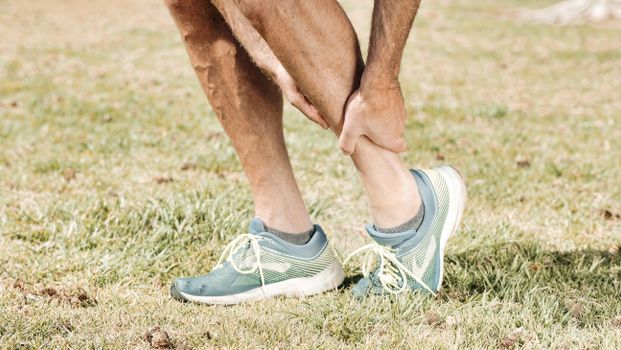
Muscle soreness after training is common, but not all soreness is the same. DOMS (delayed onset muscle soreness), a muscle strain, and tendinopathy can feel similar at first, yet they involve different tissues and healing timelines. Knowing which one you’re dealing with helps you choose the right recovery approach—especially decisions about rest versus movement, and when to scale training down.
This symptom guide focuses on the practical differences: how symptoms typically start, where pain is located, what movements aggravate it, and what recovery usually looks like. You’ll also find clear guidance on what to do in the first days and how to prevent the problem from recurring.
DOMS: delayed soreness after unfamiliar or intense exercise
What DOMS is
DOMS is muscle soreness that appears after exercise that is new, significantly more intense than usual, or includes a lot of lengthening contractions (for example, the lowering phase of a squat or the downhill phase of running). It’s thought to relate to microscopic muscle damage and the body’s inflammatory response as the tissue adapts.
Typical timing and symptom pattern
DOMS usually begins 12 to 24 hours after the workout, peaks around 24 to 72 hours, and then gradually improves over several days. The soreness is often most noticeable when you move the affected muscle through its range or when you try to use it at full strength.
Where DOMS pain is felt
DOMS is typically felt in the muscle belly rather than a specific “point.” It may feel diffuse and tender to touch, and you may notice stiffness or reduced range of motion because the area feels sore.
Common triggers
- New workouts or returning after a break
- Sudden increases in volume, intensity, or frequency
- More eccentric work than you’re accustomed to
- Long-duration endurance sessions
How DOMS usually behaves during recovery
DOMS generally improves day by day. Some movement can feel better as the tissue warms up, even though it may still be sore later. Performance may temporarily drop, but the soreness should not progressively worsen over time.
Muscle strain: a tissue injury with a more abrupt onset

What a muscle strain is
A muscle strain is an injury to muscle fibers and/or the surrounding connective tissue. It often happens during a clear moment of stress—such as accelerating, sprinting, jumping, or trying to lift more weight than the body is ready for.
Typical timing and symptom pattern
Strain pain often starts at the time of injury or soon after. Many people describe a sudden “pull,” “twinge,” or sharp pain during activity. Swelling and bruising can appear within hours to days, depending on severity.
Where strain pain is felt
Strain pain is usually more localized than DOMS. You may be able to point to a specific area of tenderness, and it may hurt more with contraction than with general muscle use.
Red flags suggesting a more serious strain
- Visible bruising or significant swelling
- A palpable gap or defect in the muscle
- Marked weakness (for example, trouble pushing off or lifting)
- Pain that worsens over the first 24 to 48 hours rather than gradually settling
How strains typically heal
Recovery depends on severity. Mild strains may improve over days to a couple of weeks; more significant strains can take longer and may require guided rehabilitation to restore strength and load tolerance.
Tendinopathy: pain that tracks with tendon loading
What tendinopathy is
Tendinopathy refers to a painful tendon condition that is usually related to overloading over time. It’s not simply “inflammation.” Tendons adapt slowly, and symptoms often reflect a tendon that has not tolerated the current training demands.
Typical timing and symptom pattern
Tendinopathy often develops gradually or returns repeatedly. Pain may be worst at the beginning of activity (sometimes called “start-up pain”), may ease somewhat as you warm up, and then can flare again later—especially after loading. In many cases, symptoms linger for weeks or months unless the load is managed.
Where tendinopathy pain is felt
Tendon pain is often more specific in location than DOMS. You may feel pain near a tendon attachment or along the tendon line. Touching the tendon can be tender, and resisted movements that load the tendon commonly reproduce the pain.
Common triggers
- Repeated training increases (volume, frequency, or intensity)
- Sudden changes in technique or mechanics
- High-impact activities on a fatigued tendon
- Limited recovery between sessions
How tendinopathy behaves during recovery
Unlike DOMS, which typically improves within a few days, tendinopathy pain often persists. A key clue is that the tendon remains sensitive to loading, and “pushing through” may temporarily feel okay but can prolong symptoms.
How to tell them apart using timing, location, and movement
Timing is a useful starting point
- DOMS: soreness starts 12–24 hours after a workout and peaks over 1–3 days.
- Muscle strain: pain often starts at the moment of injury or immediately after.
- Tendinopathy: pain builds over time and tends to linger; flare-ups can follow loading sessions.
Location and “what hurts”
DOMS usually feels diffuse in the muscle. A strain is more focal, often with a clear tender spot and functional weakness. Tendinopathy is typically along the tendon or near its attachment and is reproduced by tendon-loading movements.
What movements aggravate it
DOMS tends to be aggravated by general use and moving through the sore muscle’s range. A strain is often aggravated by specific contractions and may be associated with bruising. Tendinopathy is commonly aggravated by resisted loading that targets the tendon (for example, gripping for forearm tendon pain or heel raises for Achilles-related pain).
Progression over days
- DOMS: generally improves day by day.
- Strain: improves gradually but may require protection early, especially if bruising is present.
- Tendinopathy: may improve slowly with appropriate load management; symptoms often recur if loading stays too high.
Practical guidance for what to do in the first 48 hours
If it looks like DOMS
DOMS usually responds well to active recovery. Consider:
- Keep moving gently: light cycling, walking, or mobility work can reduce stiffness.
- Use pain-guided range: mild discomfort is acceptable, but avoid sharp pain.
- Sleep and hydration: recovery depends heavily on basic recovery factors.
- Temporary training modification: reduce volume or intensity rather than stopping completely if you feel stable.
For some people, topical cooling or warming can improve comfort. If you use heat, keep it gentle and avoid burning the skin. If you use cold, limit it to short sessions to avoid irritation. (These approaches manage symptoms; they don’t “erase” tissue changes.)
If it looks like a muscle strain
In the early period, prioritize protection and accurate loading:
- Reduce aggravating activity: avoid sprinting, heavy lifting, and aggressive stretching.
- Consider short-term relative rest: continue light movement that doesn’t increase pain sharply.
- Monitor bruising and swelling: increasing bruising or worsening pain can indicate a more significant injury.
- Gentle mobility only: move within a comfortable range to prevent excessive stiffness.
Compression and elevation can help with swelling for some strains. If you have bruising, a clinician-guided plan is especially important before returning to high-intensity training. In many settings, a physiotherapy assessment is the most direct way to grade severity and begin an appropriate loading progression.
If it looks like tendinopathy
For tendinopathy, the priority is load management—not total rest. Early strategies often include:
- Reduce the specific painful load: temporarily scale down activity that reproduces tendon pain.
- Keep pain within a tolerable range: many people do best when symptoms remain mild and don’t worsen later that day or the next morning.
- Introduce controlled loading: slow, deliberate exercises that load the tendon can be more helpful than avoiding movement entirely.
Because tendons adapt slowly, it’s common to need several weeks of consistent, progressive loading. Tools like resistance bands or calf raise variations are often used in rehab settings to control intensity and form, but the key is dosing and progression rather than the device itself.
Rehab principles that apply to all three—without guessing
Use symptom-guided dosing
Whether you’re dealing with muscle soreness, a strain, or tendon pain, a practical rule is to avoid activities that cause sharp pain or that leave you worse later. A good sign is that symptoms settle or improve by the next day.
Respect the tissue timeline
DOMS typically resolves quickly, while strains and tendinopathy need graded recovery. If you treat a tendinopathy like DOMS (by pushing through because it “feels muscular”), symptoms can persist. Conversely, if you treat DOMS like a strain (by fully resting), you may lose conditioning unnecessarily.
Progress from easier to harder loading
For strains and tendinopathy, recovery is often about restoring capacity: range of motion first (within limits), then strength, then return to sport-specific demands. A physiotherapist can tailor progression based on pain response and functional testing.
Avoid aggressive stretching when it increases pain
Stretching can help some people, but in strains and tendinopathy it can also provoke symptoms if done too early or too intensely. If stretching increases pain that lingers, reduce intensity and focus on controlled loading and mobility that stays within tolerable limits.
Common mistakes that delay recovery
Assuming all soreness is DOMS
DOMS is common, but not every sore workout is DOMS. If pain is focal, sharp, associated with bruising, or persists beyond a few days, you may be dealing with a strain or tendinopathy.
Returning to intensity too quickly after a strain
Even mild strains can re-injure if you overload the tissue before strength and control return. A gradual return to sprinting, jumping, or heavy eccentric work reduces risk.
Skipping load management for tendinopathy
Tendinopathy often requires a deliberate plan. Total rest can worsen tendon capacity. On the other hand, doing the same painful activity repeatedly without modifying load can keep the tendon in a flare cycle.
Overusing pain relief to mask warning signals
Pain management may help you move, but it can also hide whether the tissue is being overloaded. If you consistently need to “push through” to train, it’s a sign the load plan needs adjustment.
When to get medical or physiotherapy assessment
Consider professional assessment if any of the following apply:
- Severe pain at the time of injury or inability to use the limb
- Bruising, swelling, or a palpable defect suggesting a significant strain
- Symptoms that don’t improve within expected timelines (DOMS should generally improve within several days)
- Pain that persists for weeks and repeatedly flares with loading, suggesting tendinopathy
- Numbness, tingling, or weakness beyond typical muscle pain
- Unusual joint pain or pain that feels mechanical and unstable
A clinician can differentiate tissue sources more reliably than symptom guessing and can guide a progressive plan for return to activity.
Prevention: reducing the risk of soreness, strains, and tendon flare-ups
Progress training volume and intensity gradually
DOMS and strains are often linked to sudden changes in training load. Build volume and intensity stepwise, especially when introducing new exercises or returning after time off.
Use smart warm-ups and technique checks
Warm-ups increase tissue readiness. For tendon and strain prevention, technique matters: controlled eccentric lowering, appropriate foot strike mechanics, and stable movement patterns reduce peak stress.
Build capacity with consistent strength work
For tendinopathy, consistent tendon loading is a core protective strategy. For strains, general strength, particularly at end ranges and under controlled eccentric load, supports the muscle-tendon unit.
Plan recovery as part of training
Sleep, nutrition, and spacing hard sessions help. If a tendon or muscle is repeatedly irritated, adjust frequency and intensity rather than relying on “toughing it out.”
Use footwear and surface considerations when relevant
For runners and jumpers, changes in shoes, running surfaces, or training routes can alter loading patterns. If symptoms appear after such changes, scale training and consider reverting to familiar conditions while you restore tolerance.
Summary: choosing the right response for DOMS vs muscle strain vs tendinopathy
DOMS typically starts 12–24 hours after unfamiliar or intense exercise, peaks within a few days, and gradually improves. A muscle strain usually begins at the time of injury, often with localized pain and possible bruising or weakness. Tendinopathy tends to develop gradually or persist, with pain that tracks with tendon loading and may flare after activity.
Use timing, location, and how symptoms respond to movement to guide your next steps. If symptoms are focal, severe, bruised, or worsening, treat it as more than simple soreness. If pain lingers and is reproduced by tendon loading, focus on load management and progressive rehab rather than complete rest. When in doubt—especially when recovery doesn’t follow expected patterns—an assessment can help you return to activity more safely.
05.05.2026. 10:18