

Hip Flexor Tightness vs Hip Impingement vs Weak Glutes

Why these three problems can feel the same
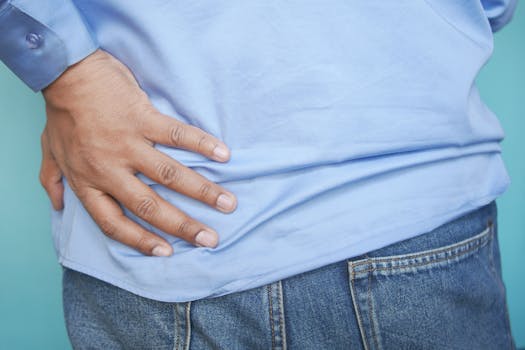
Hip pain and hip “tightness” often get described in the same way: an achy front-of-hip feeling, stiffness when standing up, discomfort during stairs, or a pinching sensation with certain positions. What makes this challenging is that multiple issues can create overlapping symptoms. Tight hip flexor muscles, hip impingement (often femoroacetabular impingement), and weak or underactive glute muscles can all contribute to altered hip mechanics, reduced stability, and compensations through the pelvis and low back.
This guide breaks down how hip flexor tightness vs hip impingement vs weak glutes can present differently, what movement patterns to pay attention to, and what practical steps can reduce symptoms while you sort out the root cause.
Hip flexor tightness: common clues and typical mechanics
“Hip flexor tightness” usually refers to the hip flexor muscle group (commonly iliopsoas and rectus femoris) feeling shortened, overactive, or resistant to lengthening. It’s not always a true structural tightness; it can also reflect guarding from pain, repetitive hip flexion, prolonged sitting, or poor pelvic control.
Common symptom patterns
- Front-of-hip or groin tightness, especially when you stand after sitting or when you lift your knee.
- Stiffness during hip extension (for example, getting into a lunge or walking with a longer stride).
- Relief with gentle stretching or positions that reduce hip flexion demand.
- Low back discomfort sometimes appears alongside it, because the pelvis may tilt forward to compensate.
Movement clues that suggest muscular tightness
- Hip extension feels “blocked” without a sharp pinching quality.
- You can often reproduce symptoms by repeated hip flexion (marching, high steps) more than by deep hip rotation.
- When you try to lengthen the hip flexor, discomfort may feel like stretch sensation rather than a deep joint catch.
What usually drives hip flexor tightness
- Prolonged sitting and frequent hip flexion postures.
- Overuse of hip flexors in running, cycling, or sports with repeated knee lift.
- Pelvic anterior tilt and increased lumbar lordosis, which can keep hip flexors working harder.
- Compensation for weak glutes—when the glute muscles don’t stabilize the pelvis and control hip extension, hip flexors may take over.
Hip impingement: how it differs from “tight” muscles
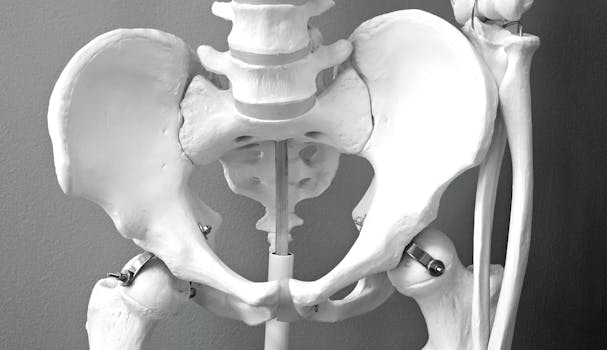
Hip impingement describes mechanical contact inside the hip joint during certain ranges. The two most common patterns discussed in rehab are cam-type and pincer-type femoroacetabular impingement, though clinicians often use “impingement” more broadly to include other joint mechanics and labral irritation.
Unlike a purely muscular tightness picture, impingement is more about position-specific pain and joint motion that provokes symptoms.
Common symptom patterns
- Pinching, catching, or sharp anterior groin pain during specific movements (often deep flexion).
- Pain with getting into/out of a car, low chairs, or deep squats.
- Limited hip rotation or a sense of “something stops me” rather than a simple stretch sensation.
- Sometimes night or rest pain, particularly if the joint is irritated (not always, but worth noting).
Movement clues that suggest impingement
- Pain increases with hip flexion plus rotation (for example, turning the thigh inward while bending).
- You may feel a joint pinch rather than a muscle-length stretch.
- Symptoms can persist even after short-term stretching, because the joint is still being loaded into a provoking position.
Why impingement can coexist with tight hip flexors
People with hip impingement often develop protective muscle patterns around the hip. The hip flexors may feel tight because the body is guarding the joint and limiting comfortable motion. This means you can see both: a joint problem driving muscle tightness, and muscle tightness worsening movement tolerance.
The key is to look for position-specific pinching and mechanical symptoms (catching, limited rotation) rather than relying only on how “tight” the front of the hip feels.
Weak glutes: how underactivation can mimic tightness
Weak glutes (or glutes that aren’t firing at the right time) can contribute to hip symptoms by reducing pelvic control and hip stability. When glute strength and timing aren’t adequate, the pelvis may shift forward or collapse inward during walking, stairs, or single-leg tasks. The result is often increased demand on hip flexors and other compensators.
Common symptom patterns
- Difficulty controlling hip position during single-leg movements (step-downs, lunges, balance).
- Front-of-hip or groin discomfort during activity, particularly when the pelvis is not stable.
- Low back or lateral hip discomfort that improves when you focus on glute engagement.
- Tightness that returns quickly after stretching, because the underlying control issue persists.
Movement clues that suggest weak glutes
- Pelvic drop or hip shift during single-leg stance or while lowering down from a step.
- Excessive lumbar extension to “get range” during hip extension tasks.
- During walking or running, you may notice shorter stride or an altered gait pattern.
Common reasons glutes don’t perform well
- Decreased strength from reduced loading or sedentary periods.
- Motor control deficits—glutes may not activate early enough during hip extension or stabilization.
- Hip flexor dominance—if the hip flexors are overactive, they can blunt glute recruitment.
- Training errors that emphasize hip flexion and knee lift while underloading hip extension and abduction.
How to sort out which problem is most likely (without guessing)
You can’t diagnose these conditions at home with certainty, but you can narrow the possibilities by observing what reliably provokes symptoms and what changes them. The goal is to identify which pattern is dominant so your rehab choices match the likely driver.
Use symptom provocation as your first filter
- If discomfort is mainly triggered by deep hip flexion and rotation (car entry, low squats) and feels like pinching/catching, impingement becomes more likely.
- If discomfort is mainly triggered by standing up after sitting, repeated hip flexion, or feels like a stretch/tension sensation, hip flexor tightness is more likely.
- If discomfort is mainly triggered by single-leg control tasks, stairs, or when your pelvis collapses, weak glutes (and related stability deficits) are more likely.
Look at how the pain responds to positioning
- Stretch relief that lasts suggests a muscular component.
- No meaningful change with stretching, especially when joint-provoking positions still trigger pain, suggests a joint mechanics issue.
- Improvement when you control pelvic position or when you cue glute engagement suggests a stability/motor control driver.
Check for mechanical “joint” signals
Impingement patterns often include a sense of restriction in specific ranges, sometimes with a catch. If you feel a distinct pinch that appears only when the hip is in a particular combined position (flexion + rotation), treat this as a joint-mechanics clue rather than purely a flexibility issue.
Recognize red flags that need professional assessment
- True locking (the hip gets stuck and can’t move).
- Significant swelling or progressive loss of motion.
- Severe pain at rest or pain that is rapidly worsening.
- Numbness, weakness, or symptoms that track down the leg in a neurologic pattern.
If any of these apply, a clinician evaluation is important to rule out more serious causes and to guide safe exercise selection.
Practical rehab guidance by symptom pattern
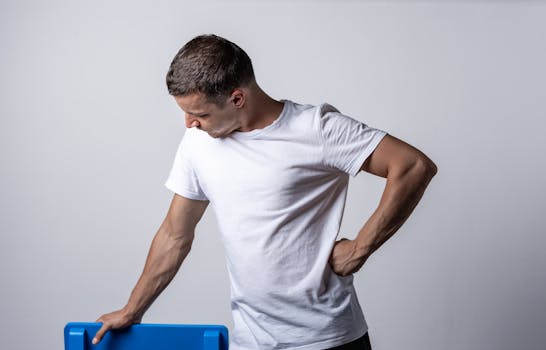
Because these issues can overlap, the safest approach is to use conservative strategies that reduce irritation while you restore control. Below are practical steps aligned with each pattern—while still keeping an eye out for signs of impingement.
If hip flexor tightness is predominant
- Reduce the provoking dose: temporarily modify activities that repeatedly load the hip flexors (deep knee lifts, aggressive hip-flexion stretching, long periods of hip flexion).
- Use gentle mobility: aim for tolerable hip extension and controlled lowering rather than forcing range.
- Prioritize pelvic control: practice neutral pelvis and avoid excessive lumbar extension during hip extension.
- Strengthen the “opposite” pattern: glute bridges, hip abduction work, and controlled hip extension drills often help the flexors stop overworking.
If hip impingement is suspected
- Avoid provoking positions: temporarily limit deep hip flexion and combined flexion/rotation that reproduces pinching. This is not “giving up”—it’s protecting the joint while you rebuild control.
- Choose pain-guided range: work in ranges that reduce symptoms and gradually expand as tolerated.
- Strengthen for stability, not for aggressive range: focus on glute strength, hip abduction, and core control to reduce joint stress during functional tasks.
- Be cautious with stretching: aggressive hip flexor stretching can sometimes flare joint irritation if it drives the hip into the same provoking mechanics.
If weak glutes are the likely driver
- Train glute activation and control: start with low-load exercises that let you feel the glutes work without compensations.
- Progress single-leg stability: step-down control, supported single-leg hip abduction, and balance drills can directly address pelvic collapse.
- Pair strength with movement: practice hip hinge and controlled walking mechanics so glute engagement carries into daily life.
- Keep hip flexors from dominating: if your hip flexors take over during bridging or extension, reduce range and improve form before increasing load.
When both tight hip flexors and weak glutes coexist
This combination is common. The flexors feel tight because they are working harder, and stretching alone doesn’t fix the control problem. A useful strategy is to pair gentle hip flexor mobility with glute-focused strengthening and pelvic control drills. The goal is to restore a better balance: glutes doing the job they’re supposed to do during hip extension and stabilization.
Exercise examples that are generally safe starting points
These are broad examples of movements commonly used in rehab. The right choice depends on your symptom response. If an exercise reproduces a sharp pinching sensation in the front of the hip, modify range or stop and reassess.
For hip flexor tightness (comfort-first)
- Half-kneeling hip flexor stretch with an emphasis on pelvic control (avoid forcing deep hip flexion if it irritates the joint).
- Glute bridge with neutral pelvis, focusing on posterior pelvic tilt at the top.
- Controlled hip extension in a supported position (such as a quadruped “kickback” with a small range).
For suspected impingement (stability over range)
- Hip abduction and glute med work (side-lying abduction or banded abduction in a pain-free range).
- Bridges and supported extension where you avoid deep flexion positions.
- Core and pelvic control drills that keep the pelvis stable during movement.
For weak glutes (control before load)
- Supported single-leg stance focusing on keeping the pelvis level.
- Step-down variations from a low step to build hip control.
- Clamshells or side-lying abduction to improve lateral hip stability.
How to monitor progress over 2–6 weeks
Rehab progress should be measurable by symptom behavior and movement tolerance. A useful approach is to track what you can do now compared with the first week.
- Provocation frequency: Are pinching episodes less frequent or less intense?
- Daily function: Can you sit, stand, and walk with less stiffness?
- Single-leg control: Does your pelvis stay more stable during stairs or balance?
- Range tolerance: Are you able to move into previously limited positions without sharp pain?
If symptoms are not improving or are worsening, it’s a sign to reassess the underlying driver. Impingement-related symptoms often require more joint-mechanics-informed guidance, and persistent groin pinching is a strong reason to seek evaluation.
Prevention strategies to reduce recurrence
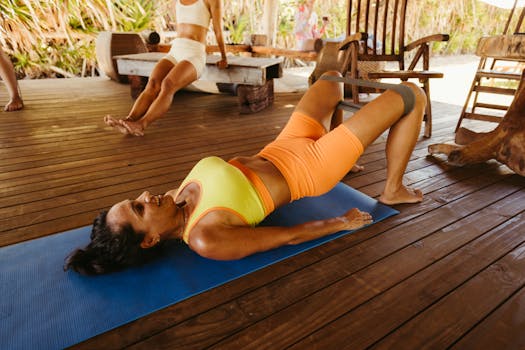
Once symptoms calm down, prevention is about keeping hip mechanics consistent: reduce prolonged hip flexion, improve glute strength and timing, and avoid repeatedly loading the hip into provoking ranges.
Daily habits that help
- Break up sitting with standing and light walking every 30–60 minutes.
- Practice pelvic neutrality during standing and lifting tasks.
- Warm up before sport with gentle hip mobility and light activation drills.
Training habits that protect the hip
- Include hip extension and abduction work as a regular part of training, not just stretching.
- Progress range gradually: especially if you’ve experienced pinching sensations.
- Use pain as feedback: discomfort that is sharp or pinching is a warning signal, not a “push through” cue.
Bottom line: choose your rehab based on the pattern
Hip flexor tightness, hip impingement, and weak glutes can overlap, but they aren’t identical. Muscular tightness tends to feel like stiffness or stretch resistance and often improves with comfort-first mobility and improved pelvic control. Hip impingement is more about position-specific pinching, catching, and limited tolerance for deep flexion/rotation. Weak glutes often show up as poor pelvic stability and compensations during single-leg tasks, with tightness that returns when control isn’t restored.
By paying attention to what provokes symptoms, how pain behaves with positioning, and how your pelvis moves during functional tasks, you can narrow down the likely driver and choose safer, more effective rehab steps.
18.05.2026. 23:51