

Mobility vs Stability: Injury Prevention When Stretching Helps

Stretching for injury prevention: the myth that it’s always the answer

People often treat stretching as a universal fix: loosen up, prevent injury, move better. But injury prevention isn’t just about “being flexible.” It depends on how your tissues control motion. Some injuries happen because a joint can’t move through a safe range; others happen because it can move too much or doesn’t control that motion well. That’s where the real conversation—mobility vs stability—matters.
This article breaks down a common misconception: that stretching alone will prevent injuries for everyone. We’ll clarify what mobility and stability actually mean, when stretching genuinely helps, when it may worsen risk, and how to build a practical routine that supports both joint movement and joint control.
Mobility vs stability: what each one really controls
“Mobility” and “stability” are often used as vague fitness buzzwords. In rehab and injury prevention, they describe different functions of the musculoskeletal system.
Mobility is the ability to move through a range safely
Mobility includes joint range of motion plus the body’s capacity to achieve that range without pain, abnormal compensation, or loss of control. Mobility isn’t only about flexibility of a single muscle; it’s also influenced by joint mechanics, soft-tissue properties, nerve sensitivity, and how well the nervous system coordinates movement.
When mobility is limited, the body may “make up the difference” elsewhere—often changing joint angles and increasing load on areas that weren’t designed for that pattern.
Stability is the ability to control motion and resist unwanted movement
Stability is not the opposite of mobility. It’s the ability to maintain alignment and control force so the joint doesn’t move in ways that increase strain. Stability involves muscles, tendons, ligaments, and the nervous system’s timing—especially at end ranges or during high demand.
When stability is insufficient, the joint may move more than it should, or it may move in a way that overloads specific tissues (for example, the shoulder during overhead tasks or the knee during cutting).
The injury prevention link: both are needed, but in different ways
Injury risk often rises when either:
- Mobility is too restricted for the activity—forcing compensations and increasing stress elsewhere.
- Stability is too limited for the demand—allowing excessive or poorly controlled motion.
Stretching can help with the first scenario, but it does not automatically solve the second. In some cases, stretching without restoring stability can even increase risk by encouraging greater range without improving control.
Myth: “More stretching always means fewer injuries”

It’s common to hear that if you stretch more, you’ll be safer. The problem is that “more” is not always better. Stretching changes tissue length and nervous system tolerance, but it does not guarantee that the joint will be able to control that range under load.
Some people already have adequate—or even excessive—range of motion. For them, aggressive stretching may reduce stiffness and improve comfort temporarily, but it can also make it harder to stabilize joints when demand increases.
Why stretching can help—and why it can’t
Stretching may reduce pain sensitivity, improve perceived mobility, and increase tolerance to range. However, injury prevention also depends on:
- Strength in the relevant range
- Motor control and coordination
- Load management (volume, intensity, frequency)
- Tissue capacity (tendon, ligament, muscle)
If stretching addresses only one piece, the injury prevention benefit may be limited or temporary.
When “tight” is actually a protection strategy
Sometimes reduced range is not simply a stiffness problem. Pain, nerve irritation, or protective muscle guarding can limit motion. Stretching through these signals can aggravate symptoms and delay recovery. The goal should be to improve safe motion—not to override pain.
When stretching helps with mobility (and how to tell)
Stretching is most likely to help when your limited range is a genuine mobility constraint and your body can still control that range. Here are practical indicators.
Signs stretching may be appropriate
- Range improves with gentle stretching and symptoms remain stable or improve afterward.
- Movement quality improves (less compensation, better mechanics, smoother motion).
- Stiffness feels like resistance, not sharp pain or nerve-like symptoms.
- After stretching, you can still control the joint—for example, you can step, squat, or reach without wobbling or collapsing into the end range.
What type of stretching tends to support mobility
For many people, a combination of gentle mobility work and longer-duration stretching can be useful. The key is matching the method to the goal:
- Short-duration, light mobility can be useful before activity to increase comfort and readiness.
- Longer holds (often several tens of seconds) can support tissue tolerance and range changes over time.
- Active mobility (moving into range under control) can improve how you own the movement, not just how far you can reach.
Stretching should not be so intense that it causes lingering pain, next-day flare-ups, or a sense of instability.
Stretching for specific constraints: the “range then control” principle
A practical approach is to think in sequence: first create the range you need, then train stability within it. For example, if hip flexor tightness limits your stride, improving hip mobility can help. But injury prevention improves further when you also strengthen and control hip movement during walking, running, squatting, and single-leg tasks.
When stability is the real issue—and stretching can be the wrong first move
Stretching can fail when the limiting factor is not range, but control. In these cases, the body may already be capable of moving through the needed range; the problem is that it can’t stabilize during loading.
Signs stability training should come first
- You already have good range but movement feels unstable, wobbly, or “loose.”
- Symptoms increase with end-range stretching or after you push range aggressively.
- Joint mechanics break under load (for example, knee collapse, shoulder shrugging, or hip shifting).
- There’s a history of recurrent sprains or soft-tissue injuries in the same joint or pattern.
Why stretching can increase risk in some people
When tissues are already tolerant of range, aggressive stretching may further reduce passive stiffness without improving active control. That can lead to:
- Greater motion at the joint during high-demand tasks
- Less efficient muscle firing patterns
- Higher strain on stabilizing structures
This is especially relevant for joints that are prone to instability, such as ankles, shoulders, and some people’s knees and hips depending on their movement patterns and connective tissue characteristics.
Stability is trained, not stretched
Stability comes from strengthening, motor control, and coordination. You typically need exercises that challenge the joint to resist unwanted movement—often through progressive loading and controlled ranges—rather than only increasing flexibility.
Practical guidance: choosing the right balance for your body
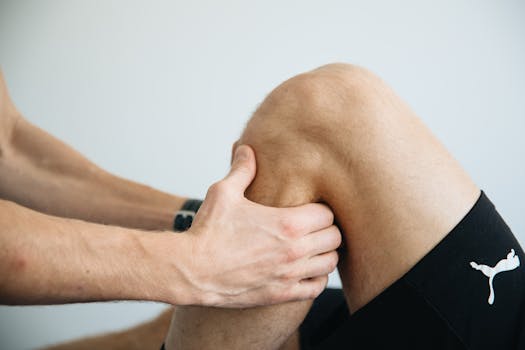
The goal isn’t to pick mobility or stability as a “winner.” The goal is to identify which one is limiting your performance or increasing your injury risk, then apply the right intervention.
Use a simple decision checklist
Before you decide what to do, ask:
- Is the problem restricted range? If yes, mobility work may help.
- Is the problem poor control under load? If yes, stability training is likely more important.
- Does stretching change symptoms? If symptoms worsen or instability increases, reduce stretching intensity and prioritize control.
- Can you move well after mobility work? If range improves but mechanics fall apart, you likely need stability work next.
Pair stretching with active control (the “own the range” approach)
A strong injury-prevention habit is to follow mobility work with exercises that require control in that new range. For example:
- If you improve ankle mobility, practice controlled calf raises and step-downs.
- If you improve hip mobility, practice glute bridges, split squats, and controlled lunges.
- If you improve shoulder mobility, practice scapular control and rotator cuff strengthening.
This pairing helps ensure the tissues can tolerate the range when you’re moving and loading, not just when you’re stretching.
Progress intensity like a rehab plan, not like a flexibility contest
Injury prevention depends on gradual adaptation. If you’re doing stretching to address mobility, progress by:
- Increasing hold time before increasing intensity
- Improving control and movement quality before pushing range
- Watching for delayed symptom flare-ups
If stretching causes soreness that persists into the next day or increases pain during activity, scale back and emphasize stability and strength.
Common stretching mistakes that can undermine injury prevention
Even well-intentioned stretching can backfire when it’s done aggressively, too frequently, or without considering stability.
Holding intense stretches too long
Long, painful holds can irritate sensitive tissues and increase protective guarding. For injury prevention, discomfort should be tolerable and should not worsen the next day.
Stretching without assessing movement quality
If your mechanics worsen after stretching—more knee collapse, more trunk lean, more joint “wobble”—that suggests you’re gaining range without gaining control.
Ignoring warm-up and load context
Stretching before activity may help some people feel better, but it doesn’t replace warm-up and preparation. Light movement, gradual increases in intensity, and task-specific preparation often matter more for immediate injury risk than long passive stretching sessions.
Using stretching as a substitute for strengthening
Stretching can improve range, but tendons and muscles still need load to build capacity. Injury prevention improves when you pair mobility work with progressive strength and control.
Relevant tools and how they fit into mobility vs stability
Some people use mobility aids as part of a broader plan. These tools can be helpful, but they should support mobility and recovery—not replace stability training.
Foam rolling and self-myofascial work
Self-myofascial techniques (like foam rolling) can temporarily reduce discomfort and improve perceived flexibility. They may help you tolerate movement better, but they don’t directly train joint stability. Use them to support readiness, then follow with active control and strength work.
Resistance bands and mobility straps
Bands and straps can help you move through range with control. When used properly, they can support active mobility and controlled stretching. The key is to avoid turning them into a “force range” device—especially if your joint already feels unstable.
When to involve a clinician
If you have recurring injuries, significant pain, instability sensations, or a history of joint dislocations or major sprains, an individualized assessment is often the safest route. Rehab professionals can identify whether your issue is primarily mobility limitation, stability deficit, or both.
Summary: the injury-prevention rule is range plus control

The myth that stretching alone prevents injuries breaks down under real-world rehab principles. Mobility vs stability is not an either/or debate. Injuries often occur when you can’t move enough safely or when you can move but can’t control it.
Stretching helps most when:
- Your range is genuinely limited
- Symptoms don’t worsen afterward
- You can maintain good mechanics and control after mobility work
Stability work becomes the priority when:
- You already have range but feel unstable
- Stretching increases pain or “looseness”
- Mechanics break under load
A practical injury-prevention approach is to use stretching to create the range you need, then immediately reinforce it with controlled movement and progressive strength. That’s how you turn improved mobility into reliable performance—and reduce the risk of injury when your body is actually under demand.
28.12.2025. 08:26