

CGM Post-Meal Spikes Troubleshooting: Fix High Readings Fast

What “post-meal spikes” look like on your CGM
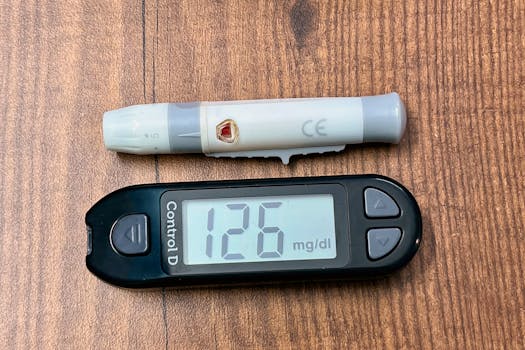
Post-meal spikes on a CGM usually show up as a sharp rise after you eat, followed by a slower decline. Sometimes the spike is real. Sometimes it’s a measurement artifact. The difference matters, because you’ll either adjust your food/meds—or you’ll fix your sensor setup and calibration habits.
Common symptoms you may notice include:
- Rapid jump within 10–30 minutes after eating, often higher than expected for your typical response.
- Peak that’s delayed by 60–120 minutes, especially with higher-fat meals or mixed meals.
- Spikes that repeat for every meal, even when the meal looks similar to what used to work.
- Large spikes without matching symptoms (you feel fine, but the CGM shows a major rise).
- CGM readings that look “jagged” or inconsistent from one day to the next.
- Frequent false lows or “chasing” behavior where the graph swings more than you’d expect.
One practical way to frame it: if your CGM shows a spike that lasts more than ~2 hours after a meal, or reaches a level that surprises you (for example, jumping from ~110 mg/dL to ~180–220 mg/dL when you expected a smaller rise), you should troubleshoot before you assume your body changed.
Most likely causes of CGM post-meal spikes
There are several usual suspects. Some are “sensor-side” (how the CGM measures). Others are “physiology-side” (how your body responds). Many spikes are a mix.
Sensor setup and placement issues
If your sensor is not measuring well, it can exaggerate post-meal changes. Common problems include:
- Placement too close to scar tissue, bruising, or inflamed skin. This can disrupt local blood flow and sensor signal.
- Insertion into a “bad” spot where you don’t have consistent subcutaneous tissue.
- Compression (sleeping on the sensor, leaning on it, tight clothing). This can distort readings, especially during the time you’re eating and moving less.
- Sensor age. Many systems are most stable early in their wear cycle. If your spikes cluster late in the sensor lifetime, the sensor may be degrading.
Calibration and signal lag
CGMs don’t measure blood glucose instantly. There is always some delay between blood glucose changes and interstitial fluid changes. For post-meal spikes, this matters because:
- Signal lag can shift the peak earlier or later than you expect.
- Rapid glucose changes can make the CGM look like it overshoots.
If you use a system that requires calibration (or you do manual calibration), inaccurate calibration can also skew the curve.
Meal composition and digestion timing
Even if the meal is “the same,” digestion can change your curve. Post-meal spikes are strongly influenced by:
- Carbohydrate type (fast-absorbing vs. slower, higher-fiber options).
- Meal size and total carbs.
- Fat and protein (they can delay glucose appearance; you may see the peak later).
- Cooking method and portion variability.
- Activity level before and after eating.
A real-world example: you might eat the same “breakfast bowl” every weekday, but one day you add an extra spoon of honey or use a slightly thicker sauce. Your CGM may show a higher peak and a longer tail (especially if the meal includes fat). That’s not a sensor problem—yet it can look like one if you’re expecting the old pattern.
Insulin timing, dosing, and delivery variability
If you use insulin (injections or a pump), post-meal spikes can happen when insulin is:
- Given too late relative to meal start.
- Under-dosed for the carbs you actually absorbed.
- Delayed in absorption (site issues, infusion set problems, scar tissue, heat, or occlusion).
- Not matched to your meal’s digestion (e.g., high-fat meals may require different timing or strategy).
Even if your overall dose is correct, delivery variability can create spikes on certain days.
Stress, illness, sleep, and hormones
These can raise baseline glucose and amplify post-meal response. If your spikes appear alongside:
- poor sleep the night before
- higher stress
- recent illness or inflammation
- menstrual cycle changes
…it’s worth considering that the spike is partly physiological.
Medication timing and non-insulin factors
Some non-insulin medications, supplements, or even changes in caffeine intake can affect glucose. Also, “hidden carbs” (coffee drinks, sauces, dressings) can cause CGM curves to rise more than you expect.
Step-by-step CGM post-meal spikes troubleshooting process

Use this sequence like a checklist. Start with the fixes that are easiest and most likely to prevent false conclusions.
Step 1: Confirm the pattern with a short “sanity check”
Pick one meal where you see a surprising spike. For that meal:
- Note the time you start eating.
- Watch the CGM for the next 2 hours and record the peak reading and the time of the peak.
- If you can, check a fingerstick at the CGM peak or when the CGM first starts rising quickly.
If your fingerstick matches the CGM trend (within a reasonable margin for CGM vs. blood), focus on physiological causes. If there’s a big mismatch—especially if the CGM spikes while fingerstick stays stable—move to sensor troubleshooting.
Step 2: Review sensor wear conditions in the last 24–48 hours
Think about what changed:
- Did you sleep on the sensor side?
- Did you wear tight clothing or a belt that rubbed the site?
- Did you have a shower, sauna, or heavy sweating that might have affected adhesion?
- Is the sensor near the end of its wear period?
Compression and sensor degradation are common reasons for “too dramatic” post-meal swings.
Step 3: Check placement and skin response (without guessing)
If you recently changed sensor location or you have irritation, you may be seeing measurement artifacts. Look for:
- redness that persists
- bruising
- raised or itchy areas
- leakage or loosened adhesive
If your next sensor is due soon, plan to place it in a different area that has healthy skin and consistent subcutaneous tissue.
Step 4: Evaluate meal timing and activity
For the meal you’re troubleshooting, write down:
- carb amount (even an estimate)
- meal start time
- any pre-meal exercise
- any post-meal walking or lack of movement
A common pattern: if you sit right after eating, spikes often peak higher and linger longer. If you walk for 10–20 minutes after eating, many people see a smaller and earlier peak. Don’t overcorrect—just observe what happens when you add a consistent, low-intensity activity.
Step 5: Review insulin (or other glucose-lowering strategy) timing
If you use insulin, compare:
- insulin start time vs. meal start
- dose vs. the carbs you actually ate
- site/infusion set changes and whether they were due
- any missed bolus or delayed delivery
A practical scenario: you bolus when you sit down, but your meals often take 20–30 minutes to finish. If you typically finish eating later than you realize, your insulin may be “late” relative to glucose appearance. That can create a spike that looks like a sensor issue because the timing of the peak is abrupt.
Step 6: Check for sensor errors and stability issues
Some systems show warnings when signal quality is poor. If your app indicates:
- calibration needed
- signal loss
- compression or sensor error
- rapid changing readings outside expected behavior
…treat the spike as suspect until the signal stabilizes.
Solutions from simplest fixes to more advanced fixes
Work through these in order. If you jump ahead, you may miss the root cause.
Start with the simplest: repeat the same meal under controlled conditions
For one or two days, choose a meal you know well and keep variables steady:
- same portion
- similar carb amount
- similar time of day
- consistent post-meal activity (or consistent lack of it)
If the spike disappears when variables are controlled, the problem is likely meal-related or timing-related rather than sensor failure.
Improve post-meal movement consistently
Without changing anything else, try a consistent routine for 2–3 days:
- light activity after meals (for example, a 10–15 minute walk)
Many people see the CGM peak lower and the curve return toward baseline faster. If you see that pattern, your troubleshooting focus should shift toward meal timing, carb counting accuracy, and insulin timing (if applicable).
Reduce compression risks
If you suspect compression:
- avoid sleeping directly on the sensor
- check sensor site location relative to common pressure points
- use appropriate clothing that doesn’t rub
If your spikes cluster at times you compress the sensor (night, naps, desk leaning), you’ve likely found a major contributor.
Reassess sensor placement and site rotation
For your next sensor, take placement seriously. Avoid areas with:
- scar tissue
- persistent irritation
- active bruising
- sites that you commonly press
Rotate sites methodically. If your sensor always ends up in the same general area, you may unintentionally place it into variable tissue.
Check adhesion and signal quality
If your sensor adhesive loosens or you’ve had peeling at the edges, measurement can become less reliable. Keep the sensor secure according to your system’s guidance. If you use an overlay or protective patch, apply it correctly so it doesn’t interfere with the sensor’s function.
Soft recommendation: many people find that a reliable adhesive strategy reduces sensor movement during daily life. If you use products like sensor patches or overlays, choose ones designed for your specific CGM model so you don’t accidentally cover vents or interfere with the transmitter area.
Use fingerstick checks strategically during suspicious spikes
Don’t fingerstick constantly, but do it when it will clarify uncertainty:
- when the CGM shows a sudden spike that doesn’t match your expectations
- when glucose is near a decision threshold for you
- when the CGM trend is inconsistent across multiple days
If fingerstick readings confirm the CGM rise, treat it as real. If fingerstick doesn’t match, prioritize sensor troubleshooting and app-specific signal checks.
If your system supports calibration, calibrate only when appropriate
If you use a calibration feature, calibrate under stable conditions. Avoid calibrating right after:
- meals
- exercise
- rapid glucose changes
Calibrating during a fast rise or fall can make the sensor worse instead of better. Use your system’s instructions for timing and target conditions.
Adjust meal composition and carb assumptions
Sometimes the “spike” is actually a carb counting issue. Common underestimates include:
- condiments and sauces
- drinks (juice, sweetened coffee)
- snack-sized add-ons that aren’t tracked
- portion variability (one “small” serving isn’t always the same)
Try tracking for a single meal for 3 days, not forever. If the spike shrinks when you account for hidden carbs, you’ve solved the problem without changing your sensor.
Refine insulin timing (if you use insulin)
Make changes carefully and consistently. One approach is to shift insulin timing relative to meal start and observe the effect over 3–5 similar meals.
For example:
- If you bolus right at the first bite, consider bolusing earlier by a small increment (only if it’s safe and consistent with your clinician’s guidance).
- If your meals take longer to finish, align bolus timing with when you start eating and when you usually finish.
If you use a pump, also check infusion set function and site condition. A subtle infusion issue can create repeat spikes that look like “sensor error.”
Address high-fat or high-protein meals that delay glucose appearance
Delayed peaks are common with higher-fat meals. If your spike peaks at ~90–120 minutes consistently, think “digestion timing,” not “sensor failure.” You can troubleshoot by:
- testing a smaller portion of fat (same carbs, less fat)
- adding a consistent post-meal walk
- reviewing whether your insulin strategy matches delayed absorption patterns (with clinician input)
When the peak timing shifts but the magnitude stays similar, it often points to meal digestion rather than sensor accuracy.
Evaluate sensor age and decide on replacement
If the spikes are new and the sensor is older, consider that the sensor may be losing accuracy. Many people notice worsening signal quality later in wear. If you see:
- increasing mismatch between CGM and fingerstick
- more jagged or unstable curves
- repeated unexplained spikes across meals
…replacement is a reasonable next step.
Soft recommendation: if your CGM model allows it and you have replacement options, don’t keep troubleshooting for days on a sensor that clearly doesn’t align with real blood glucose. It’s better to get clean data.
Consider professional review when spikes persist despite good technique
When you’ve addressed the basics—compression, placement, stable calibration practices (if relevant), and consistent meal tracking—and spikes still don’t make sense, it’s time to involve a clinician or diabetes educator.
Professional help is especially important if you:
- have repeated peaks that are dangerously high for you
- experience frequent hypoglycemia or “rollercoaster” patterns
- use insulin and suspect dosing or delivery issues
- see persistent mismatch between CGM and fingerstick readings
Your clinician can help interpret CGM patterns in context, including insulin timing, basal needs, and whether medication adjustments are appropriate.
When replacement or professional help is necessary
Use these triggers to decide when to stop troubleshooting and escalate.
Replace the sensor (or transmitter) if measurement quality is clearly off
Replacement is typically warranted when:
- your CGM shows repeated spikes that don’t match fingerstick trends during the peak window
- you see signal warnings, repeated sensor errors, or unstable readings that won’t settle
- the sensor is near the end of its wear cycle and accuracy has noticeably declined
- you have significant skin reactions that affect adhesion or measurement
Example: you eat the same lunch twice. On day one, your CGM peaks at ~170 mg/dL and fingerstick at peak is ~165 mg/dL. On day two, your CGM peaks at ~230 mg/dL while fingerstick stays around ~170 mg/dL. That mismatch strongly suggests sensor measurement error, not a true glucose change.
Get professional help if the spike pattern suggests a dosing or safety issue
Seek professional guidance promptly if:
- post-meal spikes are consistently severe (for you) despite consistent meal tracking
- you’re using insulin and suspect infusion problems, dosing misalignment, or repeated missed deliveries
- you’re experiencing frequent lows, especially around the same meals (which can indicate timing mismatch)
- you have symptoms of hyperglycemia or are concerned about overall control
Professional review doesn’t mean something is “wrong with you.” It often means your strategy needs fine-tuning based on your real CGM data and real-world insulin/med timing.
Don’t ignore urgent symptoms
If you have symptoms that don’t match the CGM (for example, feeling unwell with very high readings), follow your clinician’s safety plan. CGMs are helpful tools, but they’re not a substitute for medical evaluation when you’re at risk.
Practical example: troubleshooting a Saturday dinner spike
Here’s a realistic scenario you can map to your own routine. You eat dinner at 7:00 PM. Your CGM rises quickly, peaking around 8:05 PM at ~210 mg/dL, then drops slowly and doesn’t return to near baseline until about 10:30 PM. You expected something closer to ~160–180 mg/dL.
You troubleshoot in order:
- Sanity check: You do a fingerstick at the CGM peak (8:05 PM). It reads ~200 mg/dL. That suggests the spike is mostly real.
- Sensor conditions: You remember you slept on that sensor earlier that week and the adhesive edges lifted slightly once. Signal quality looked “fine,” but the spikes were unusually jagged.
- Meal review: The Saturday dinner included a creamy sauce (higher fat) plus dessert you didn’t track. Your CGM peak timing (around 8:05 PM) fits delayed digestion.
- Activity check: No walking after dinner; you stayed seated.
Your next step is not to change everything at once. You repeat a similar dinner on a different day with two controlled changes: you track the dessert (or remove it) and you take a 15-minute walk after dinner. Over the next 3 similar meals, you observe whether the peak drops and whether it returns earlier. If it does, your “spike” was likely meal digestion + timing + activity. If it doesn’t, you consider sensor replacement (if signal stability remains questionable) and you review insulin timing/dose with your clinician.
CGM post-meal spike troubleshooting checklist you can use immediately
If you want a fast, actionable sequence for your next meal, do this:
- Write down meal start time and roughly what you ate (including sauces and drinks).
- Note the CGM peak time and peak value within the next 2 hours.
- Do a fingerstick at the peak if the spike feels implausible.
- Check sensor compression risk during the rise window.
- Inspect sensor site for irritation or bruising and rotate sites next time.
- If using insulin, compare bolus/infusion timing vs meal start and check delivery reliability.
- If the CGM keeps misbehaving (repeated mismatch or signal warnings), plan a sensor replacement and/or professional review.
When you run troubleshooting like this, you stop guessing. You gather enough evidence to decide whether the fix is behavioral, dosing-related, or sensor-related. That’s the quickest route to steadier readings and fewer surprises after meals.
08.01.2026. 02:20